 Skip to content
How to pick out the best camera battery
Cameras are made to capture precious moments and thanks to advanced technology, we now have better, more powerful cameras that not only capture these moments but last a lot longer while doing so. These cameras are usually powered by equally powerful batteries.
A camera battery ensures that your camera stays active during use and doesn’t run out of power while you’re in the middle of shooting a great photo session or video. A camera battery does not just power the camera itself but it also powers other accessories that may be attached to your camera like a flash or memory card which draws power from the battery as well.
Commonly, most cameras come with a battery preinstalled in them, but even a camera battery from the manufacturer can become less active over time or may even become damaged along the way. A new camera battery can ensure you don’t have to rely on a single battery for your camera and gives you a backup for when your main camera dies or gets damaged.
It also saves you from having to rely on charging your camera directly when the battery runs down. And also, making sure you get a good quality camera battery will help save you from having to renew your battery due to low quality and short life span. In this article, we’ll be going through some important need-to-know basics on what kind of batteries are needed and available for your camera and which are the best in terms of quality, life span, and performance.
What is a camera battery
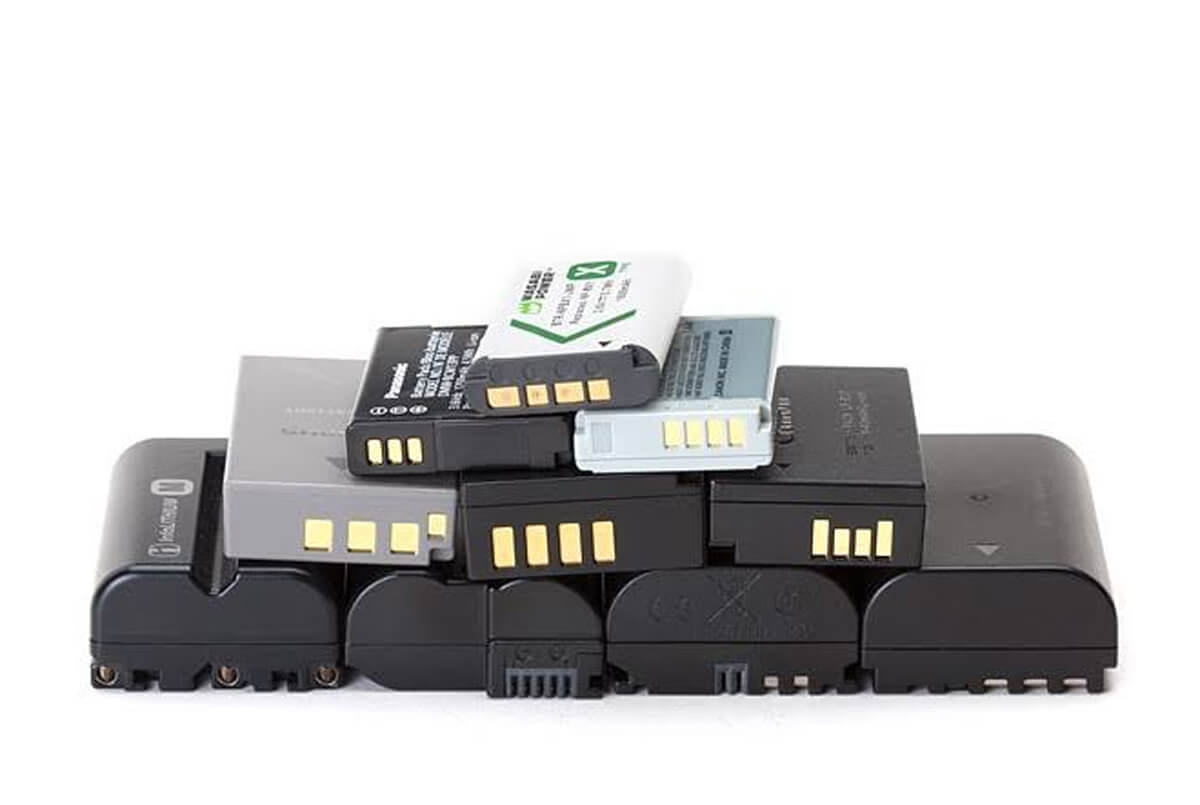
There are so many different kinds of cameras available today, all having specific power consumption and requiring specific batteries to power them appropriately. Therefore, a camera battery is a specific battery pack designed to power a camera set, supplying the right amount of voltage to sustain the operations of the camera for as long as the battery may last.
With this, we understand that when choosing a new battery for your camera, you need to ensure it is the right kind suitable for your camera so as not to affect the overall performance of the camera. manufacturers opting for rechargeable batteries. Regardless of the kind of camera in question, which in present-day can range from a variety of digital cameras to film cameras, you need to look out for durable batteries that are reliable over a long period of use.
Digital cameras a made with modern components for high performance and better capture capabilities and hence, these cameras require more power to operate. These cameras include point and shoot cameras, DSLR cameras, Mirrorless cameras, Action cameras, and much more. These cameras would require a quality high performance camera battery for long-lasting operation.
Film cameras, on the other hand, require less power compared to digital cameras and as such have batteries with smaller units. Also, each specific battery type sometimes has a specific camera battery charger to go along with it. Although, a modern camera battery charger can be designed to charge a variety of camera batteries.
Types of camera battery
A camera battery can come in different varieties according to the type of camera it is meant to be compatible with. It is also common that most cameras come with a camera battery and camera battery charger as part of the full set.
But it is important to note the kind of camera battery that comes along with your camera as well as the kind of camera battery charger to know what kind to get if you were ever in need of purchasing a new one. Since each camera battery is designed for a specific kind of battery, it is important to know the different types and the benefits and disadvantages of each to help you make the best decision for a battery pack.
Lithium battery for camera
Lithium batteries are some of the most commonly used battery packs for a wide range of applications and cameras just happen to be one of them. Most digital cameras employ a lithium battery for camera due to its high-performance range when powering devices with high energy consumption.
These batteries hold more power when compared to other types of batteries and can sometimes be as much as 50% more power in relation to other batteries. Lithium battery for camera is also the best choice when it comes to durability and life span as they can last a lot longer than other batteries in the same voltage range.
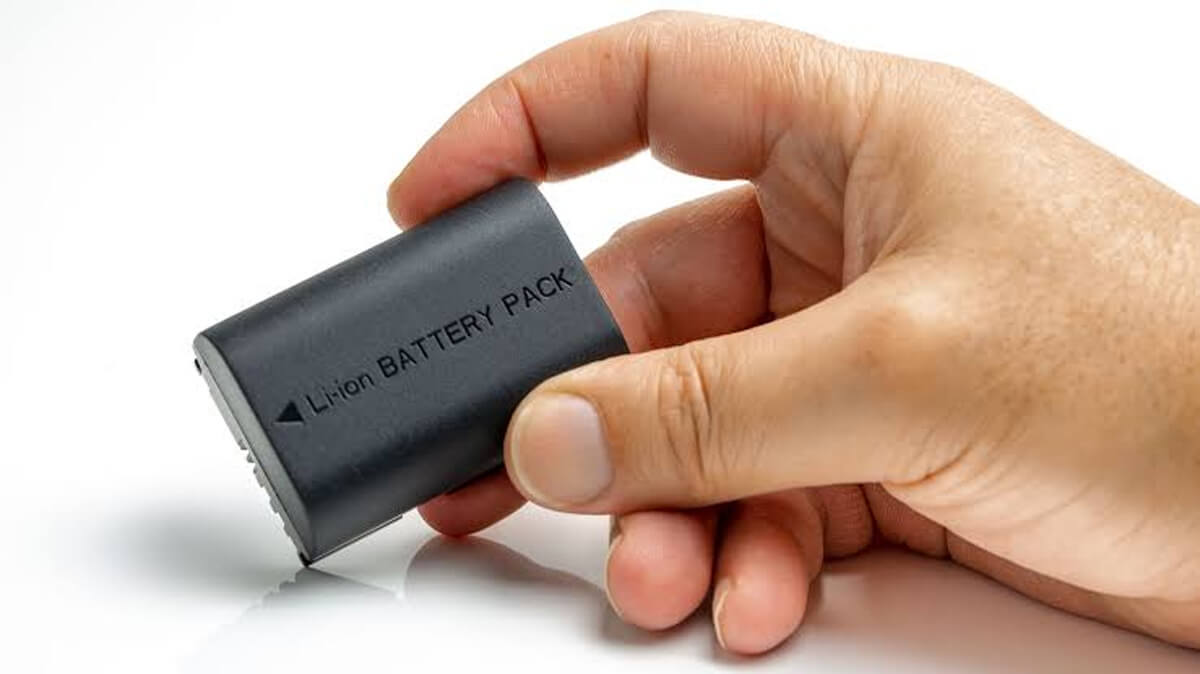
Lithium battery for camera has several advantages for supplying the right amount of power needed for a camera to operate at optimum capacity. These advantages include.
High energy density
Energy density is one of the major aspects to consider when looking to purchase any battery for any use whatsoever. Energy density is the measure of a battery’s capability to hold power over some time when charged or even when left idle. This is one of the primary advantages of a lithium battery for camera as it has a higher energy density than other types of batteries. A lithium battery for camera helps to maintain performance between each charge cycle. This means, if a normal camera battery offers a performance period of 4 hours with constant use then a lithium battery for camera should give at least 5 – 6 hours under the same conditions.
Low maintenance
Another major advantage a lithium battery for camera has over other types of battery is that it requires little to no maintenance at the hand of the user. A lithium camera battery is self-efficient in that it has been designed to supply power without needing any additional maintenance from the camera owner.
Unlike alkaline and rechargeable nickel metal hydride batteries that require some level of discharge maintenance to ensure proper energy supply, lithium battery for camera requires no such maintenance practice.
Self discharge
One common problem that most batteries face is the high discharge rate which affects more than just the charge cycle of the battery. A discharge rate is the amount of power a battery will lose over time while on standby or not in use. Lithium battery for camera is one battery type that has a very low self-discharge rate in comparison to other rechargeable batteries. A normal lithium battery should have about a 5% discharge rate in the first 4 hours after being charged. This rate falls to around 1 to 2% each month which is much lower than other rechargeable batteries.
Long Life Span
Lithium battery for camera has some of the longest lifespans of any camera battery. In addition to being the most recommended rechargeable battery, a lithium battery for camera has more charge cycles than the average battery. A battery charge cycle is a period between being fully charged, to fully discharged, and being fully charged again. A lithium iron phosphate batteries(LiFePO4) having over 1000 charge cycles. These batteries can last for as long as 2 to 3 years making them the best choice for use as a camera battery.
Nickel metal hydride camera battery
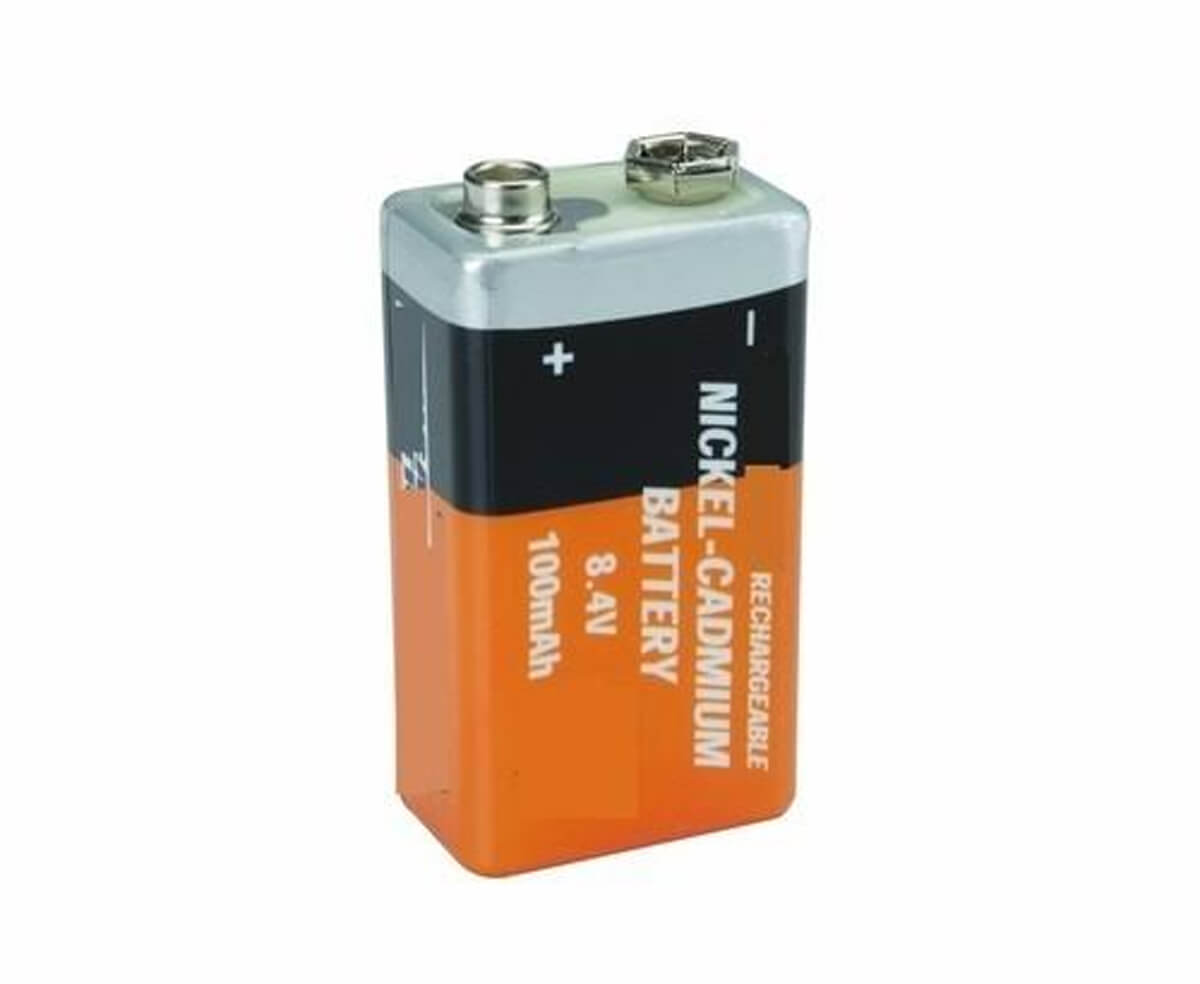
Nickel-metal batteries are also another choice for use as a camera battery. These batteries are not as high-priced or expensive as lithium battery for camera while equally being rechargeable as well. They are budget-friendly and hence are the battery of choice for some people. But the downside to nickel-metal batteries is that they are quite heavy and weigh a lot more than lithium batteries.
This increase in weight can negatively affect the performance of the camera in that it would affect the quality of the picture being taken especially if a long exposure time is needed. These batteries also have a higher discharge rate compared to lithium battery for camera making them need more frequent charges. They also have a lower energy density than lithium batteries making them need a quality camera battery charger for the number of frequent charges it would need.
Disposable camera battery
Disposable batteries are the cheapest camera batteries you can find but this mitigated cost doesn’t come without its drawbacks. These batteries don’t provide nearly as much power as lithium batteries but are disposable and don’t require the use of a camera battery charger.
As a camera battery, they are commonly used as a backup for when a rechargeable battery fails or when a camera battery charger becomes faulty. For this major reason, most photographers keep a set of disposable batteries to be used in case of emergencies.
How to extend the lifespan of a camera battery
A camera battery is just like any other battery and needs to be maintained and used properly to maximize its full potential. The camera battery needs to be handled with as much care as the actual camera itself.
Take note of the proper accessories to use alongside the camera like a camera battery charger, making sure to use the best quality obtainable to ensure the battery lasts as long as it can. There are a few basic tips and tricks that can be used or done to extend the camera battery life as much as possible.
Keeping the camera on standby mode
When a camera is not in use most photographers tend to switch it off thinking this is the best practice to conserve battery power, but in reality, it isn’t. Keeping a camera on standby or sleep mode instead will do more for a camera battery than switching it off. This is because power used in starting up a battery after it had been out off is more than is needed to keep it on standby. You can easily conserve battery power and reduce the need for a camera battery charger by simply keeping the camera on idle or standby mode.
Reducing the brightness of the lcd screen
A camera’s LCD is one component of the camera that takes up a lot of the camera battery power. The high power consumption would eventually lead to the photographer needing to connect the camera to a camera battery charger to charge up the battery. The brightness of the LCD screen can be reduced to the barest minimum to maximize battery power while still maintaining good photo quality.
You can still put off the LCD screen when the camera is not in use or switch the camera to the viewfinder for digital cameras. This would help conserve the camera battery and reduce the frequency of how much it would need to be connected to camera battery charger.
Putting off the camera flash
This might seem a bit obvious but some photographers tend to leave the Flash on the camera on even in well-lit areas and during the day. Remembering to put off the flash when it isn’t needed will go a long way in extending the battery life.
Using the right camera battery charger
Digital cameras don’t just benefit from having high-grade rechargeable batteries but also having a quality camera battery charger. And while high-grade cameras only support one type of battery for reasons like limited space and compatibility, the same can’t be said for a camera battery charger. A camera battery can be designed to support more than one type of battery charger and this benefits the photographer as they don’t have to go through the hassle of searching for a particle kind of camera battery charger.

A camera battery charger is an important piece of accessory in the whole camera set and the quality of the charger could determine how long the battery would last. A low-quality camera battery charger will deliver the wrong voltage and amperage required by a camera battery to charge.
In all, using the right camera battery which as we’ve established, is a lithium battery for camera, coupled with the right camera battery charger would ensure that charging is safe and the battery is safe from damage effectively keeping its performance.







How to Clean Battery Cables: A Complete Guide for Safe and Effective Maintenance
Learn how to clean battery cables effectively and maintain safe, reliable electrical connections for better battery performance.

How to Replace eBike Battery: Step-by-Step Guide for Every Rider
Learn how to replace eBike battery safely and maintain long-lasting performance with simple, clear steps.
Rechargeable Batteries vs Regular: Which Is the Smarter Choice?
Compare rechargeable batteries vs regular batteries: their lifespan and best uses to choose the right power source for your devices.
Battery Converter vs Inverter: What Is the Real Difference?
Learn the key differences between a battery converter vs inverter, their functions, and how to choose the right one for your system.

How Many Volts in eBike Battery? A Complete Guide to Choosing the Right Voltage
Learn how many volts in eBike battery, from 36V to 72V. Find out how each voltage affects power, speed, and riding performance.
Silicon Carbon Battery vs Lithium Ion: Key Differences and Benefits
Explore the debate of Silicon Carbon Battery vs Lithium Ion, two advanced technologies shaping the future of efficient.