Skip to content
How to Clean Battery Cables: A Complete Guide for Safe and Effective Maintenance
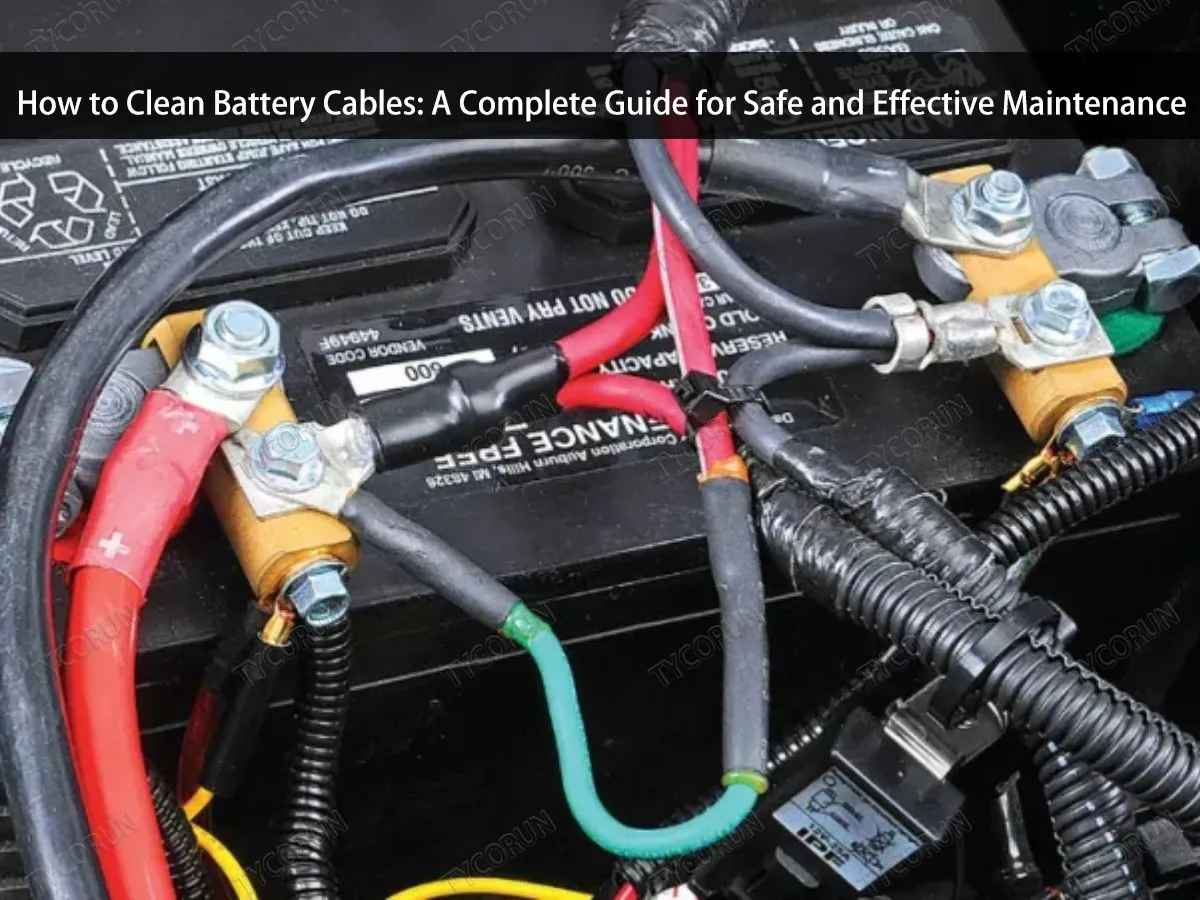
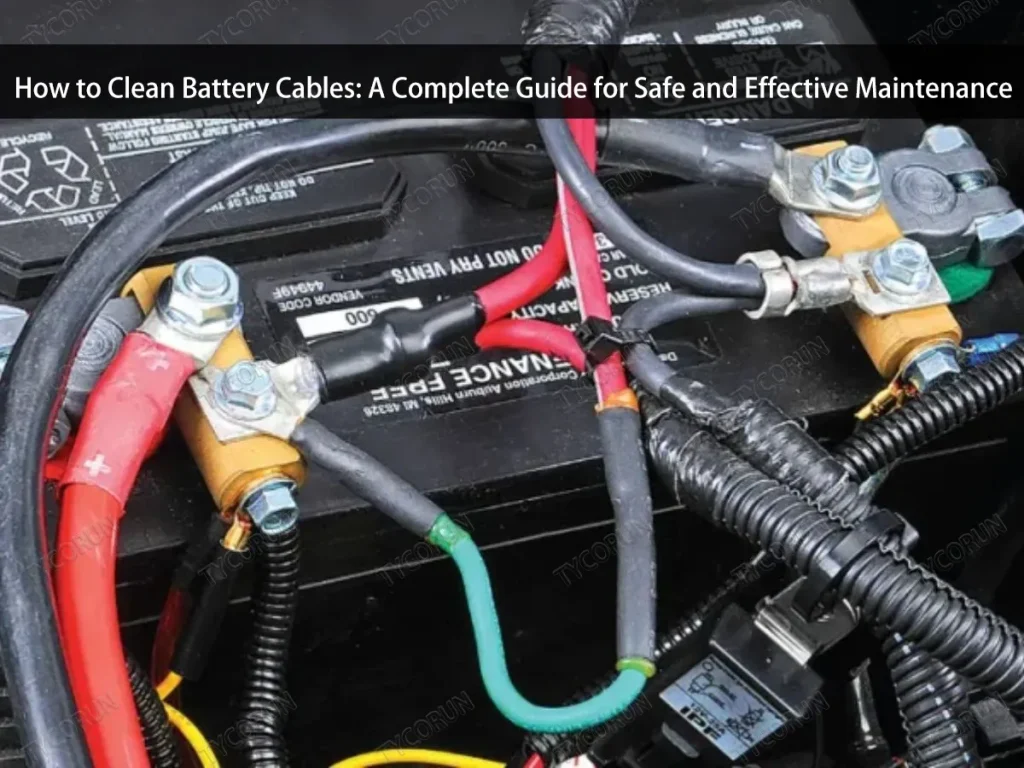
Maintaining clean battery cables is critical to ensuring a steady and safe flow of electricity. Over time, corrosion and dirt can accumulate on the terminals, limiting battery efficiency and potentially triggering electrical system failures. As a result, knowing how to clean battery cables is a very useful primary skill, whether for vehicles, solar systems, or other energy storage equipment.
Knowing how to properly clean battery cables can help you avoid long-term damage, preserve battery performance, and keep connections strong. Because this thing, will help to ensure system reliability and extend the life of your devices.


Why Is Battery Cable Maintenance Important?
Because the state of the cables affects both the overall performance of the battery and the efficiency of energy transfer, battery-cable maintenance is crucial, battery cable maintenance is crucial. Cables that are unclean or corroded might obstruct current flow, making it harder for the engine to start and lowering system efficiency. When users understand how to clean battery cables, they may avoid corrosion accumulation, which can lead to overheating, terminal damage, and a shorter battery life.
Regular checks and cleanings ensure that the connection between the cables and the battery is strong and solid. This basic understanding of cleaning battery cables helps in the operation of devices in vehicles, solar power systems, and other energy storage applications. The dependability and security of electrical systems are greatly impacted by this minor maintenance task.
What Are the Signs That Your Battery Cables Need Cleaning?
Before discovering how to clean battery cables, it is critical to recognize the indicators that they need to be cleaned. This is certainly essential for maintaining the electrical system’s functionality. Some symptoms to look out for are:
- The appearance of corrosion on the terminals, which typically takes the shape of white, green, or blue powder and can obstruct the passage of electricity, making the engine difficult to start or the battery feel weak.
- Loose cables or significant oxidation/dirt can cause poor contact, affecting current transmission.
- Increased contact resistance may cause localized overheating or a burnt smell. In addition to decreasing performance, this circumstance raises the possibility of short circuits or component damage.
- Unstable electrical performance, including poor lighting, uneven voltage, or malfunctioning accessories. These symptoms are frequently caused by unclean cables when there are no issues with the main battery.
If any of the signs mentioned above appear, immediate cleaning is the best way to avoid further damage and keep the electrical system running smoothly.
Tools, Materials, and Safety Precautions for Cleaning Battery Cables
Before proceeding with the steps on how to clean battery cables, it is critical to arrange the necessary tools and materials to ensure a safe and effective cleaning operation. This preparation ensures that there is no chance of short circuits when handling battery wires, lets you work more neatly, and protects the terminals. Cleaning is simple with the correct equipment, even for beginners.
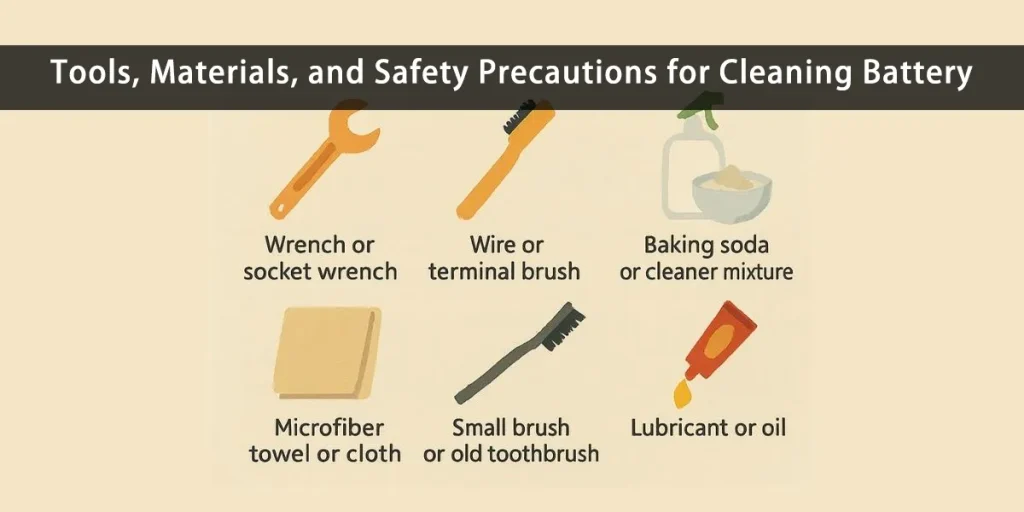
The following are the tools and materials required, as well as the safety precautions that must be taken:
Tools and materials required
- A wrench or socket wrench to securely open the terminals without causing any harm to the bolts.
- A wire brush or terminal brush made especially to remove rust from battery terminals and cables.
- A mixture of baking soda and water, or a specialized terminal cleaner to effectively dissolve corrosion buildup.
- A microfiber towel or soft cloth for drying and cleaning any remaining liquid from the cleaning operation.
- Use a little brush or an old toothbrush to clean narrow areas that a giant wire brush cannot.
- After cleaning the battery cables, use terminal oil or lubricant to prevent corrosion from returning.
Safety measures to implement
- First: disconnect the negative terminal, to prevent sparks or short circuits while cleaning.
- Second: use protective glasses and gloves because corrosion or battery fluid can be annoying.
- Third: when using cleaning products, it is especially important to work in an area with good ventilation.
- Fourth: To prevent sparks, keep metal tools away from areas that are still linked to electricity.
- Fifth: To preserve a secure electrical connection and stop fresh corrosion, make sure every component is totally dry before reassembling.
With the right tools and proper safety practices cleaning battery practices may be done safely and result in cleaner, more reliable battery connections.
How to Clean Battery Cables: Step-by-Step
Understanding how to clean battery cables properly ensures a steady flow of current and protects the terminals. The procedure is actually pretty simple, but it must be followed in the proper order to be completed properly. Here are the steps you can follow to clean battery cables:
- Turn off the system and disconnect the negative battery terminal first: short circuit risk can be decreased by starting with the negative terminal. Next, disconnect the positive terminal with caution.
- Examine the degree of corrosion in the termination area and cable: check for any accumulation of white, green, or blue powder. The importance of thoroughly cleaning the battery wires increases with the amount of corrosion.
- Apply a cleaning solution: use a special terminal cleaning fluid or a solution of baking soda and water. The corrosion that has adhered to the terminals is dissolved with the aid of this solution.
- Clean the areas that have corroded: to clean the unclean parts, use a terminal brush or wire brush. To avoid damaging the wires and connectors, apply constant pressure without going overboard.
- Rinse and dry completely: once the rust has been eliminated, rinse off any leftover solution and pat dry with a microfiber towel. Before being reinstalled, the terminals must be totally dry.
- Grease the terminal: this process maintains the connection solid over time and helps stop corrosion from returning.
Following the steps above on how to clean battery cables, you can restore the cables to optimal performance while maintaining the battery’s long life.
Important Considerations When Handling Battery Cables on Lithium Batteries
Because lithium batteries have different characteristics from regular batteries, handling battery wires in lithium systems requires special caution. Every cable connection needs to be spotless and tight due to stable voltage, high current, and the presence of BMS. When doing maintenance, including the steps in how to clean battery cables, it is critical to ensure that the methods used are safe for lithium components and do not interfere with the system’s overall performance.
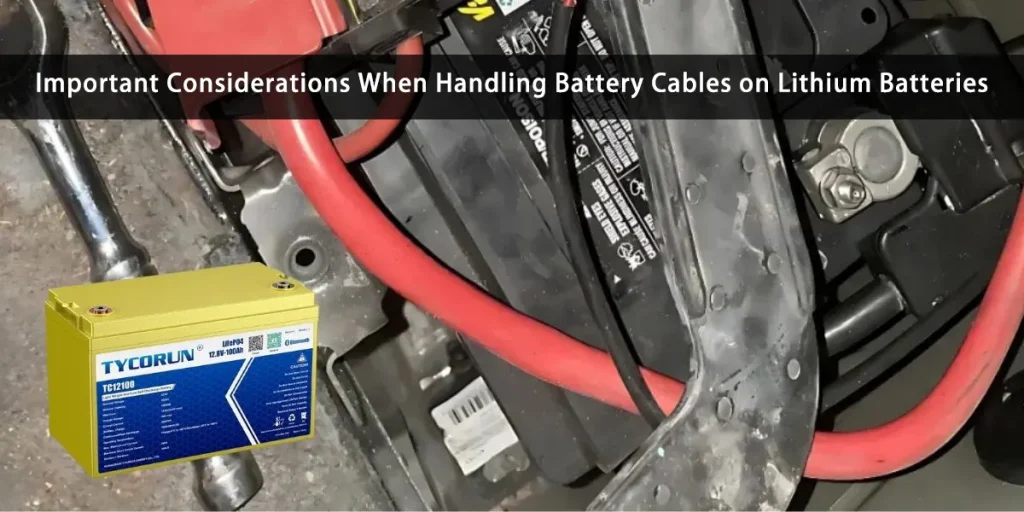
Before touching any cables or terminals, make sure the power is entirely turned off. Small errors like putting metal tools on places that are still connected might result in sparks because lithium batteries can conduct high currents quickly. To protect the contact surface, use cleaning solutions while keeping them away from casing gaps or BMS interfaces, and avoid scrubbing the terminals with excessive pressure. However, high-quality lithium battery packs often include stronger terminals and protection structures, which reduce risks during maintenance to connections because each unit is designed with more stable and secure internal protection.
Loose or unclean cables can increase resistance, making the battery work harder than necessary. As a result, keeping connections clean on a regular basis is crucial to maintenance. Understanding safe procedures allows you to keep your lithium battery in good working order while also extending its lifespan.
When Should You Replace Battery Cables Instead of Cleaning Them?
Although completing the procedures in how to clean battery cables will often restore connection functionality, there are times when cleaning alone is insufficient. Battery cables that are no longer able to conduct electricity safely and steadily should be changed right away if they have sustained physical damage or material deterioration. In fact, using broken wires puts the electrical system in danger and may result in overheating.
Replacement should be considered for cables that are peeling, fractured, or have components that seem to have melted from heat. Severe corrosion that makes the metal appear fragile is another clear indication that the cable is no longer suitable for usage. Even after cleaning, structural damage that needs to be replaced is indicated if the terminal ends cannot be tightened firmly. The safest course of action in these circumstances is to replace the cable rather than just clean it.
Conclusion
It can be concluded that maintaining clean battery cables is crucial since dirt and corrosion can impede electrical flow and lower battery performance. Understanding how to clean battery cables allows users to avoid difficulties from the start, maintain stable connections, and guarantee that gadgets perform properly.
The battery cable cleaning process is safer and more successful when the proper steps are followed, suitable tools are used, and safety protocols are followed, especially when cleaning cleaning cables connected to lithium battery systems, which require strict safety protocols. Cleaning simply is not always adequate. The safer course of action is to replace any damaged, fragile, or highly corroded cables. Device performance and longevity can be maintained for a much longer period of time with knowing when to clean and replace battery cables.
FAQS
What is the best thing to clean battery cables with?
The most effective cleaner for battery cables is a mixture of baking soda and water. This solution neutralizes acid and loosens corrosion, making it easy to remove. A wire brush or terminal brush is then used to scrub the terminals and cables clean.
Is baking soda or vinegar better for battery corrosion?
Baking soda is generally better for battery corrosion because it neutralizes the acidic residue commonly found on battery terminals. Vinegar can dissolve corrosion, but it does not neutralize acid as effectively, making baking soda the safer and more reliable option.
Does vinegar clean battery cables?
Yes, vinegar can clean battery cables by breaking down corrosion due to its mild acidity. However, it works best for light corrosion and should be rinsed thoroughly afterward. For heavier buildup or safer overall use, baking soda remains the preferred cleaning method.