Skip to content
Silicon Carbon Battery vs Lithium Ion: Key Differences and Benefits
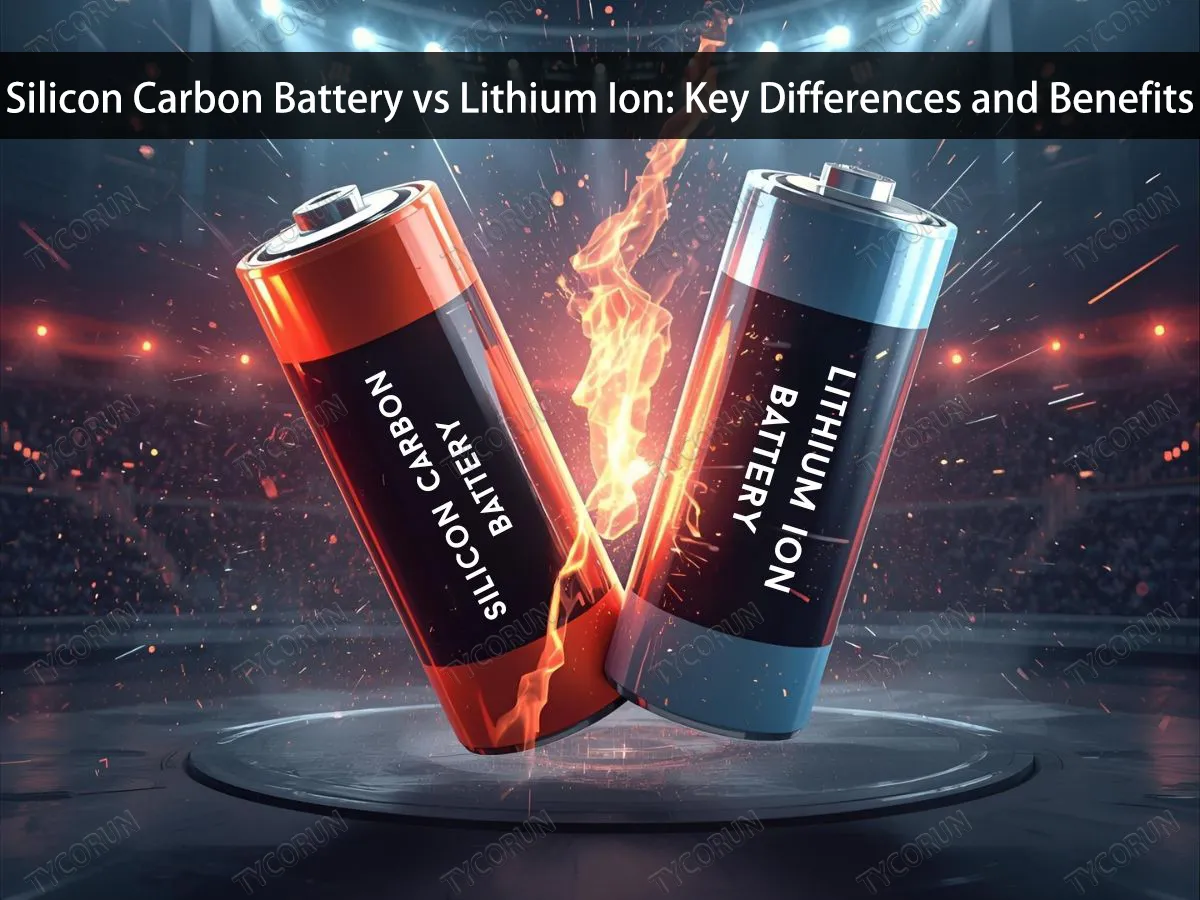
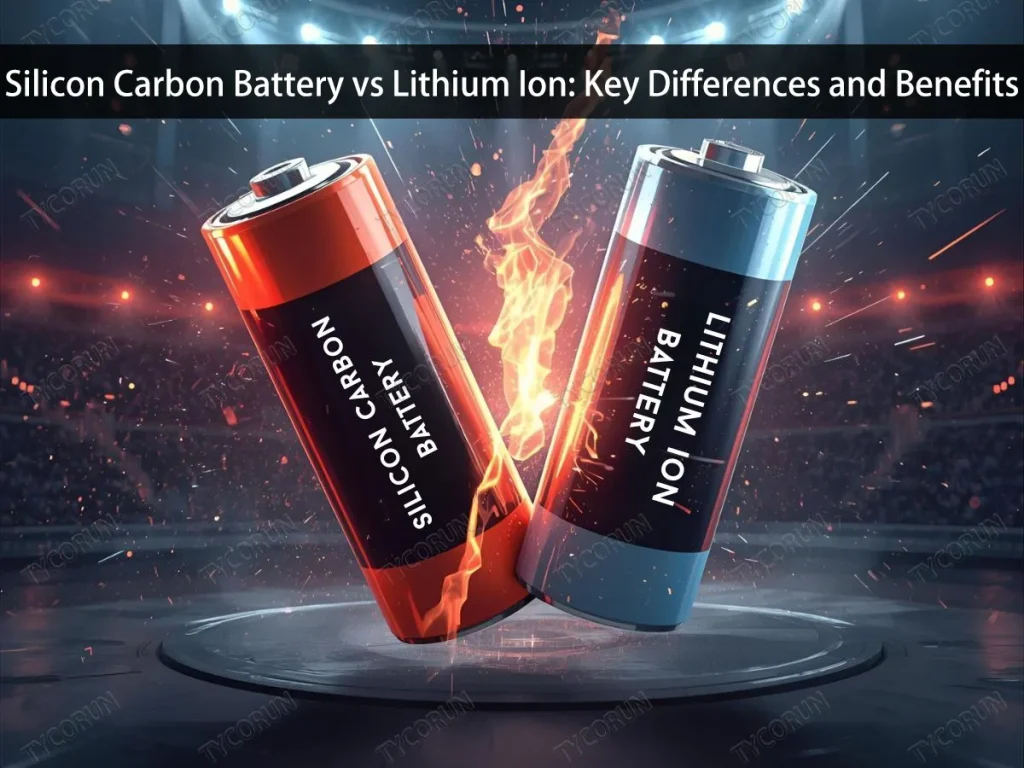
In today’s rapidly developing battery technology, the debate on silicon carbon battery vs lithium ion battery is gaining attention. These two battery types are frequently compared because they both offer high efficiency, long-lasting durability, and fast charging capabilities.
The debate between silicon carbon battery and lithium ion battery centers on material differences, performance, and long-term stability. Because of their extensive availability and dependability, lithium ion batteries have long held a dominant position in the market. But silicon carbon batteries are a new technology that can store more energy and charge more quickly without enlarging the battery due to an anode composed of a combination of silicon and carbon.


What are Silicon Carbon and Lithium-Ion Batteries?
The debate between silicon carbon battery vs lithium ion frequently comes up in the development of energy storage technology because both are important components of contemporary batteries. Both are made to efficiently store and distribute energy, but their materials and methods of operation actually different.
Silicon Carbon Battery
Silicon carbon batteries are more advanced than typical lithium ion batteries. This kind of battery replaces traditional graphite material in the anode with a blend of silicon and carbon. This combination improves energy density and allows for faster charging, making it ideal for future application in electric vehicles and renewable energy systems.
Lithium-Ion Battery
Meanwhile, lithium ion batteries have long served as the foundation of portable electronics and electric vehicles. Lithium compounds are used in the anodes and cathodes of these batteries, providing a balance between longevity, safety, and performance. Although the technology is more developed, lithium-ion batteries continue to be relevant in the silicon Carbon Battery vs Lithium Ion comparison because to their increased efficiency and stability.
How does Silicon Carbon and Lithium-Ion Batteries work?
How the charging and discharging processes are carried out has a significant impact on battery performance. In the battle of silicon carbon battery vs lithium ion, the basic principles are similar, but changes in anode material result in significantly different results.
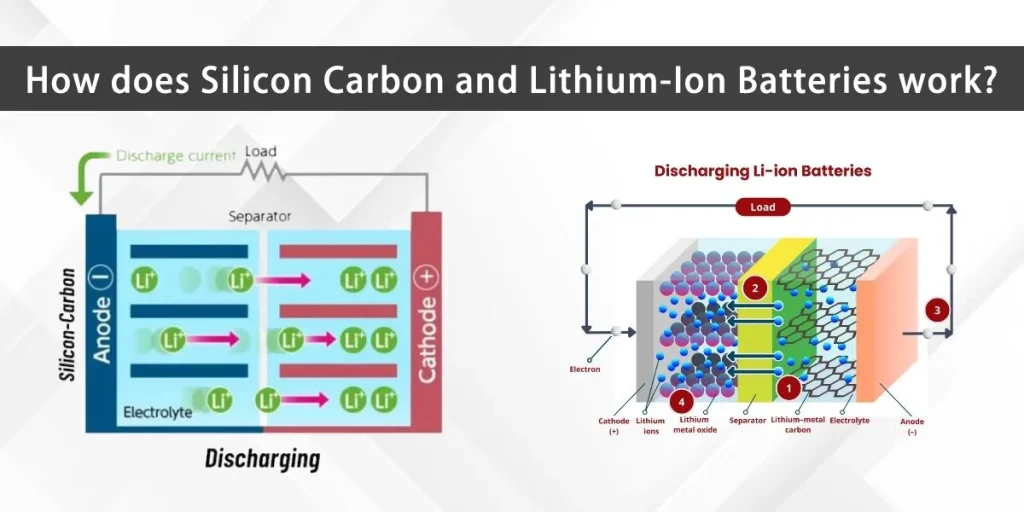
The process in lithium-ion batteries begins when lithium ions flow from the anode to the cathode when the battery is in operation and then returns to the anode when recharged. During this process, the graphite material in the anode serves as a “home” for lithium ions, preserving stability and power efficiency.
Meanwhile, silicon carbon batteries use a similar technique but have an anode composed of silicon and carbon. Silicon has a significantly greater lithium ion storage capacity than graphite, resulting in more stored energy. Carbon is used to stabilize the anode structure and limit the possibility of swelling during charging. You may also read silicon-carbon anode for more detail.
The performance of silicon carbon batteries vs lithium-ion batteries is noticeable due to this slight material variation. Silicon carbon batteries charge faster and store more energy, while lithium-ion batteries continue to outperform in terms of long-term stability and proven technological availability.
Silicon Carbon Battery vs Lithium Ion: Main Differences
In the battle of silicon carbon battery vs lithium ion, the primary differences are in their materials, performance, and efficiency. Although both use basic electrochemical principles, their compositions create significantly different outcomes.
Here are the main differences:
- Anode material: the anode material used in lithium-ion batteries is graphite, which is stable and long-lasting. Meanwhile, silicon carbon batteries combine silicon and carbon to store more lithium ions, increasing energy capacity.
- Energy density: silicon carbon batteries have higher energy density because they can store more power in the same size. On the other hand, because graphite has a lesser storage capacity, lithium-ion batteries have natural restrictions.
- Charging speed: because of the higher conductivity of the silicon anode, silicon carbon batteries charge faster. Although lithium-ion batteries are still effective, they typically take longer to charge than silicon carbon batteries.
- Cycle life: for long-term use, lithium-ion is still the most popular option due to its stability and dependability. Although silicon carbon may have a longer service life, there are still issues with the anode structure’s stability following numerous charging cycles.
Although silicon carbon batteries show impressive potential in energy density and charging performance, lithium-ion technology remains the more stable, cost-effective, and commercially reliable option today.
You can also read lithium vs other batteries for more insight.
Common Danger of Lithium Batteries
In the battle of silicon carbon battery vs lithium ion, each has advantages and limitations that make them appropriate for particular applications. Lithium-ion is still the most popular option because of its demonstrated stability and dependability, even if silicon carbon technology is more recent and promising.
| Category | Silicon carbon battery | Lithium ion battery |
|---|---|---|
| Advantage | The main advantages of silicon carbon batteries are higher energy density and faster charging speeds. Greater power output is possible because the silicon material in the anode can hold more lithium ions. They are also appealing for upcoming uses like high-performance electric vehicles due to their increased energy conversion efficiency. | Lithium-ion batteries have long been used and proven to be stable, efficient, and safe in a variety of applications, including electronic devices and electric vehicles. This technology is mature, easily accessible, and has a long lifespan. It is also the most practical option for today's energy requirements due to its lower production costs. |
| Disadvantage | Silicon carbon batteries still have issues with long-term stability despite their apparent benefits. The silicon structure expands during charging, which can lead to a decrease in capacity over time. Additionally, because this technology has not yet reached a large industrial scale, production costs are still relatively high. | The primary limitations of lithium-ion batteries are their slightly longer charging times and lower energy density in comparison to silicon carbon. However, through continuous innovation, lithium-ion technology is evolving to close these gaps. |
Overall, the above comparison shows that while silicon carbon has great future potential, lithium-ion remains the most balanced solution in terms of performance and reliability at present.
Best Use Cases and Application Comparison
Comparing silicon carbon battery vs lithium ion battery in practical applications involves more than just comparing their theoretical performance. Each has benefits in particular situations that make them more appropriate for usage in various sectors.
- Silicon carbon battery
These batteries are better suited for applications that need quick charging and great energy density. This technology has a lot of potential for usage in electrical devices that need to operate quickly and efficiently, as well as in the next generation of electric cars. Silicon carbon is appropriate for upcoming advancements in the transportation and portable technology industries since it can store more energy without making the battery physically larger. - Lithium ion battery
This battery is still the industry standard for a variety of applications because to its shown stability. From smartphones and laptops to large-scale energy storage systems and commercial electric cars, lithium-ion batteries remain the preferred choice due to their mix of performance, safety, and manufacturing costs.
When compared to lithium-ion batteries, silicon carbon batteries seem to have better power efficiency and future potential overall, but lithium-ion batteries are still the most sensible option for mass manufacture and daily use.
Choosing the Right Battery for Your Specific Needs
The decision between silicon carbon battery vs lithium-ion battery is based on what you need most: long-term efficiency or current stability and price. Although both technologies show potential, their applications differ in terms of focus and features.
Silicon carbon batteries might be a desirable choice if you want maximal performance with a high energy density and extremely quick charging. This technology is appropriate for high-power devices that need efficiency without sacrificing space, or for initiatives involving the development of electric vehicles. However, its utilization is better suited for the premium or research industries because it is still relatively new and production costs are not yet efficient.
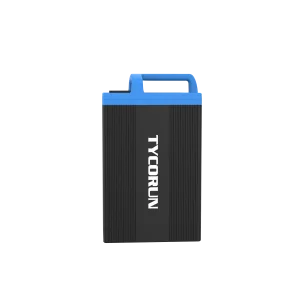
Lithium-ion batteries, on the other hand, are better suited to users who require a workable, reasonably priced, and reliable alternative. With established technology and sufficient component supply, lithium-ion remains the most viable option for long-term use, whether in the consumer, industrial, or renewable energy sectors. As an example, TYCORUN’s lithium batteries have demonstrated their superiority by emphasizing energy economy, longevity, and safety.
So, in the context of silicon carbon battery vs lithium ion, silicon carbon has a bright future, although lithium-ion remains the market leader due to its proven track record.
Safety Factors and Performance Reliability
When comparing silicon carbon battery vs lithium Ion, the two most crucial elements that determine their acceptability for usage in different applications are safety and performance reliability.
- Silicon carbon battery
Makes use of a silicon anode, which has a greater capacity to hold lithium ions; nonetheless, internal pressure may result from volume expansion while charging. There are still structural dangers, particularly if appropriate charging and temperature management systems are not in place. Before it is widely used, more testing is necessary to ensure its long-term stability. - Lithium ion battery
With a battery management system (BMS) that controls temperature, voltage, and current to maintain optimal performance, it has been shown to be stable and safe for use in a variety of electronic devices and electric vehicles. It also offers high reliability with consistent performance even after hundreds of charging cycles.
In general, silicon carbon batteries have a lot of potential for the future when compared to lithium-ion batteries, but lithium-ion batteries continue to be superior in terms of performance stability and safety for current applications.
Conclusion
From the discussion of silicon carbon battery vs lithium ion, it can be concluded that both have an important role in the advancement of energy storage technologies today. Silicon carbon is a new technology that provides increased energy density and faster charging, particularly for electric vehicles and high-power electronics.
Meanwhile, lithium-ion batteries are still the preferred choice due to their demonstrated stability and efficiency. The technology is more developed, the infrastructure is stronger, and materials are more readily available, so it is only logical that lithium-ion remains the standard in a variety of industries.
In the end, the debate between silicon carbon battery and lithium-ion comes down to the demands and circumstances of each application. Lithium-ion continues to be the dependable base for the moment, while silicon carbon does provide a more efficient future.
FAQS
Do silicon carbon batteries last longer?
In theory, silicon carbon batteries can last longer because the silicon material can store more lithium ions. However, in practice, this technology is still being developed. So for now, their lifespan is not yet longer than that of lithium-ion batteries, which are already stable and mature on the market.
Are lithium-ion batteries better than silicon carbon batteries?
In terms of stability, availability, and production costs, lithium-ion batteries are still superior. This technology has been tested in many applications, from smartphones to electric vehicles. However, silicon carbon batteries offer the potential for improved performance in the future, especially in terms of energy capacity and charging speed.
Will silicon carbon batteries replace lithium-ion in the future?
It is possible, but not in the near future. Silicon carbon batteries still need time to refine the technology and reduce production costs. For now, lithium-ion is still the most realistic choice because it has been proven to be safe, efficient, and easy to produce on a large scale. But in the future, it is not impossible for silicon carbon to become the next generation if its development continues to progress.