Skip to content
Rechargeable Batteries vs Regular: Which Is the Smarter Choice?
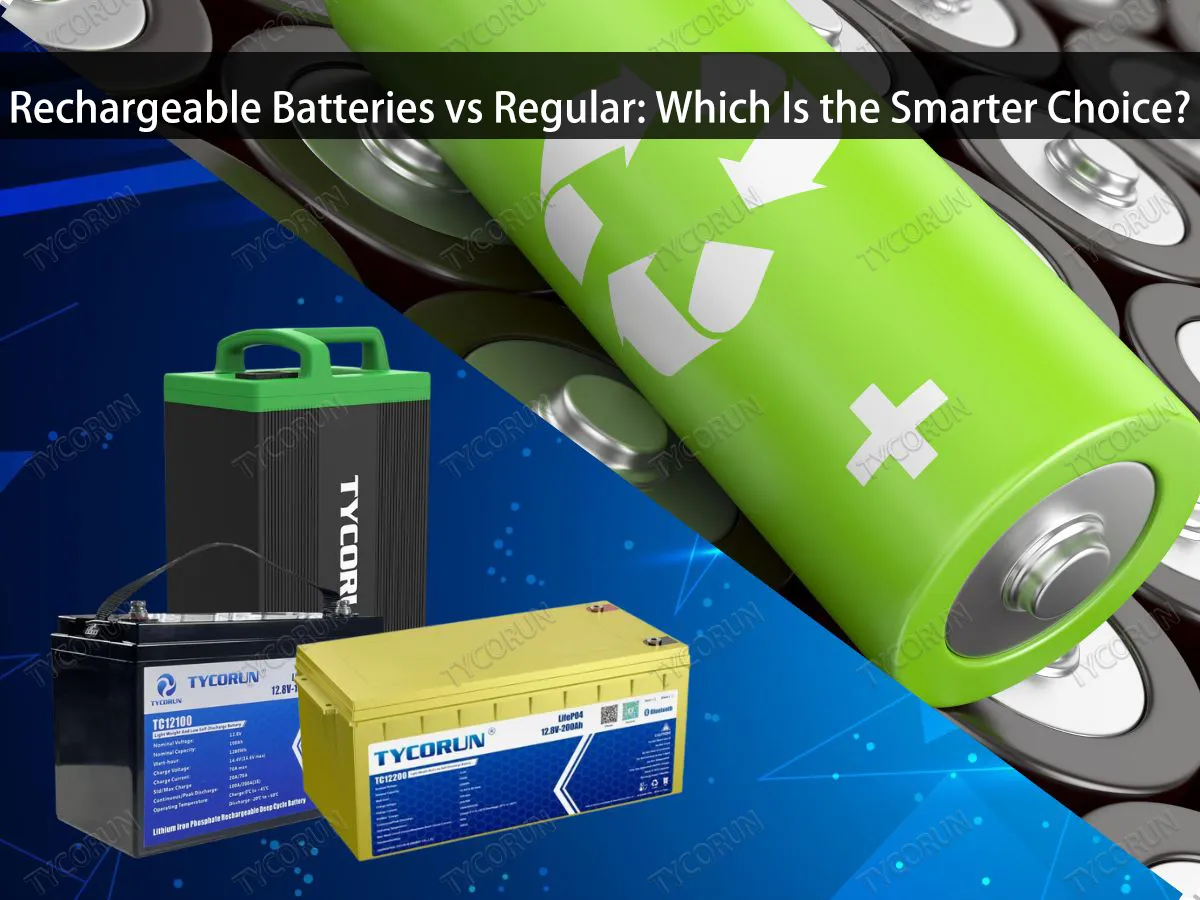
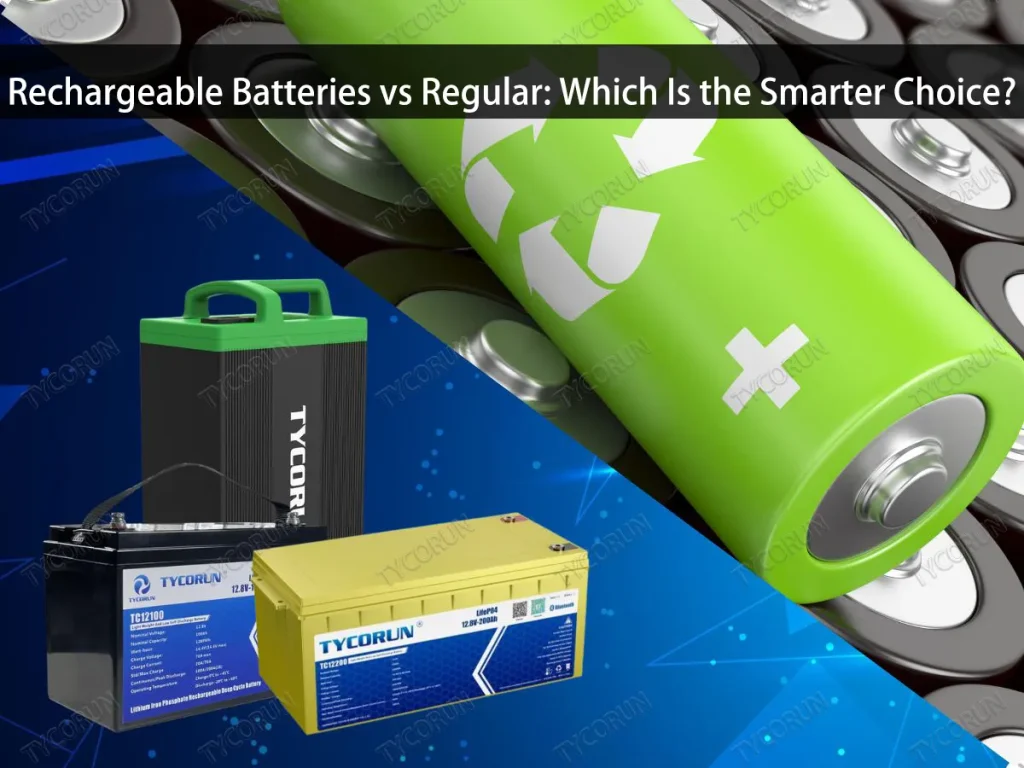
Rechargeable batteries vs regular batteries are like two never-ending rivals in the world of modern technologies. Although having quite different qualities, both are equally crucial. Regular batteries are incredibly practical-just insert, use, and discard. Meanwhile, rechargeable batteries are more cost-effective and eco-friendlier due to their many uses.
The competition between these two battery kinds is becoming more and more fascinating to talk about as energy demands and efficiency awareness continue to climb. In addition to helping in the selection of the best alternative, knowing the differences and benefits of each can have a big impact on expenses and long-term sustainability.


What Are Rechargeable and Regular Batteries?
Batteries are essentially devices that store chemical energy and convert it to electrical energy. Nonetheless, rechargeable batteries and conventional batteries are the two primary varieties that are most frequently utilized.

Rechargeable batteries
Rechargeable batteries can be reused since they can be recharged when they have run out. These batteries usually employ lead-acid, nickel-metal hydride (NiMH), or lithium-ion technology. Because rechargeable batteries don’t require regular replacement, they are more economical and ecologically beneficial over time.
Regular batteries
Regular or disposable batteries, are meant to be used until they run out before being thrown away. Alkaline and zinc-carbon are the most common kinds. These batteries are useful for short-term use, although they typically generate more trash than rechargeable batteries.
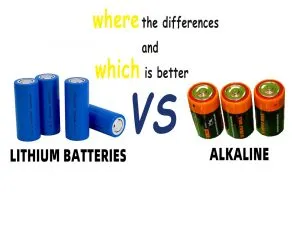
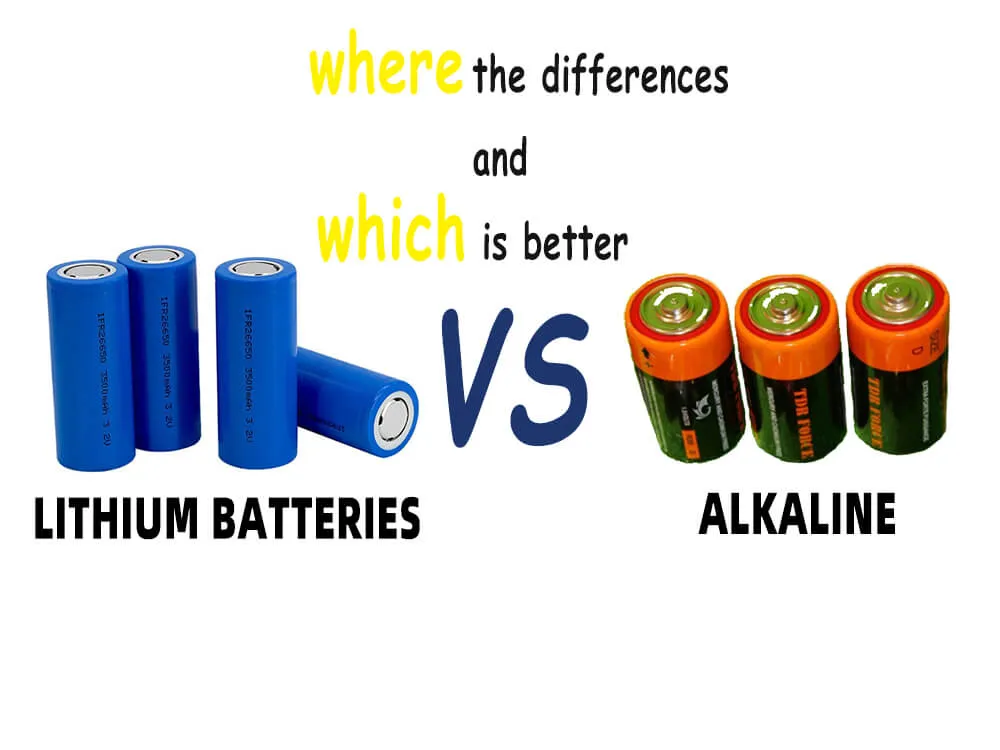
In simple terms, the key distinction of rechargeable batteries vs regular debate is rechargeable batteries can be used several times-while regular batteries are only used once.
Rechargeable Batteries vs Regular: Key Differences
Although both are portable energy sources, a debate between rechargeable batteries vs regular batteries has emerged due to basic differences in how they work, their efficiency, and cost of use. Here are their key differences:
- Performance: While conventional batteries are initially strong but rapidly deteriorate, particularly in high-power equipment, rechargeable batteries often maintain a more constant voltage over time.
- Cost: Although regular batteries are less expensive to purchase, they require frequent replacement due to their rapid depletion. Although rechargeable batteries are initially more costly, they are ultimately more cost-effective because they may be recharged hundreds of times.
- Durability: Unlike single-use batteries that are thrown away right away, rechargeable batteries can be used repeatedly, giving them a longer lifespan.
- Energy Efficiency: Regular batteries only generate energy once before running out, however rechargeable batteries can store and supply energy more reliably with each cycle.
Which Lasts Longer: Rechargeable or Regular Batteries?
The durability of rechargeable batteries vs regular batteries is determined by the context of use. Regular batteries, such alkaline batteries, often have a longer single-use life than rechargeable batteries. For example, standard batteries for TV remote controls and wall clocks can survive for months before needing to be changed. However, as the power goes out, they must be discarded.
In contrast, rechargeable batteries, such lithium-ion batteries, can be recharged hundreds or even thousands of times. The overall lifespan is significantly longer, even though a single charge might not last as long as a standard battery. Therefore, rechargeable batteries are unquestionably more beneficial if you regularly use high-power devices like cameras, wireless mice, or kid’s toys.
However, how rechargeable batteries are used still affects how long they last. Capacity loss can be accelerated by practices like overcharging or storing them in extremely hot or cold environments. Therefore, if you want your rechargeable batteries to last a long period, appropriate maintenance is still essential.
Applications of Rechargeable and Regular Batteries
In everyday use, rechargeable and conventional batteries serve varied purposes based on the device’s needs and frequency of usage.
Rechargeable batteries are commonly used in devices that demand a lot of power, such as digital cameras, wireless mouse, electric toys, and portable household appliances. Larger-scale applications for rechargeable batteries include energy storage systems, electric vehicles, and medical equipment that needs steady, dependable power.
Meanwhile, ordinary batteries are better suited for low-power devices or those that are infrequently used. For examples, wall clocks, television remotes, emergency flashlights, and measurement equipment are among examples. This type of battery excels in terms of convenience-simply insert it and use it right away without the need for recharging.
It can be said that the battle between rechargeable batteries vs regular batteries cannot be won because it still depends on the needs of the user. Rechargeable batteries are a wise option if you require power that can be recharged several times. However, regular batteries are still effective and useful if your device is not used frequently.
Lithium Batteries in Rechargeable Technology
In terms of performance, lithium-ion batteries can withstand hundreds or even thousands of charging cycles without seeing substantial degradation. Additionally, they charge more quickly and steadily, but they still require maintenance using a system like a Battery Management System (BMS) to guard against the dangers of overcharging or extremely high or low temperatures.
Some manufactures, such as TYCORUN, have even created lithium battery technology that is enhanced cycle life, optimized performance, strengthened safety protections to use under different circumstances. TYCORUN’s lithium batteries are a great option for consumers looking for a dependable long-term energy source because of their powerful power and steady performance.
How to Get the Best Performance from Both Battery Types
In the discussion between rechargeable batteries vs regular batteries, both demand the best performance. How they are used and maintained is crucial. Because each has unique qualities, knowing how to handle them can extend their lifespan and improve their performance.
Avoid keeping rechargeable batteries at 100% charge for extended periods and avoid charging in high-temperature environments. and should not be allowed to run entirely empty before being recharged. To stop the cells from rapidly decaying, store them in a cool, dry location. To guarantee a steady and secure charging current, use the original charger or one that complies with the requirements. With appropriate care—depending on the chemistry—rechargeable batteries can deliver hundreds to thousands of charge cycles..
For regular batteries, storage and effective use are the main priorities. Batteries should not be kept in hot or humid environments since this might hasten leaks and power outages. To avoid wasting battery life, turn off devices when not in use for extended periods of time.
Understanding how to maintain for both types of batteries will help you save money, extend the life of your devices, and keep them operating properly in the long term.
Conclusion
In comparing rechargeable batteries vs regular batteries, both have different benefits and roles. Because regular batteries are simple to use and do not need to be recharged, they are ideal for low-power or infrequently used devices, making them highly practical. On the other hand, rechargeable batteries are more environmentally friendly because they generate less waste, provide long-term efficiency, and can be recharged numerous times.
Selecting the appropriate battery type becomes more crucial as energy requirements and efficiency awareness rise. Rechargeable batteries are better suited for busy users and high-power devices, although regular batteries are still useful for easy and infrequent use. Both have their place in modern life to provide an efficient and practical modern living.
FAQS
Is it better to buy rechargeable batteries or regular batteries?
It depends on your usage. If you often use high-power devices like cameras or wireless gadgets, rechargeable batteries are more cost-effective in the long run. But for low-power or rarely used devices, regular batteries are more practical.
Are rechargeable batteries more sustainable?
Yes. Rechargeable batteries can be reused hundreds of times, which significantly reduces waste and minimizes the environmental impact compared to disposable ones.
Can I replace regular batteries with rechargeable ones in any device?
Not always. Some devices may not perform well or detect rechargeable batteries correctly due to voltage differences. It’s best to check the device’s manual to ensure compatibility before replacing them.