Skip to content

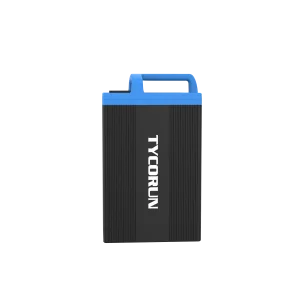
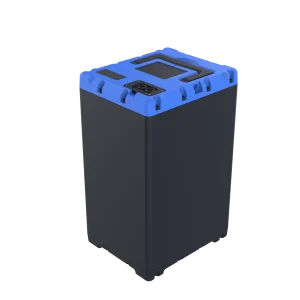
LiPO motorcycle battery is one of the common versions of lithium ion motorcycle batteries in the market.
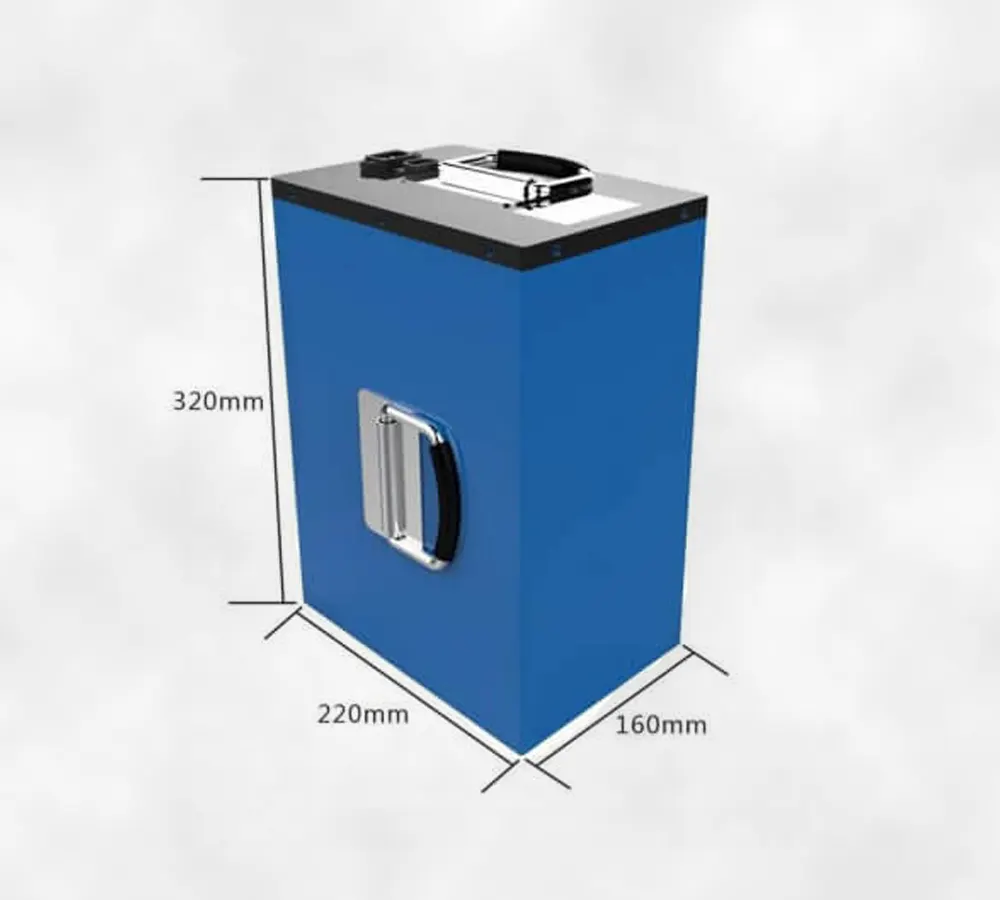
Click on the picture for product details and its best price
With the right motorcycle battery, you can enjoy a smoother ride, faster acceleration, and improved power output.
Suppose you love riding but hate dealing with the hassle of a heavy, unreliable, and slow-charging battery. Is the LiPO motorcycle battery the perfect choice for you to go faster? This article will help you to answer this question.
What is lipo motorcycle battery?
Lithium polymer batteries, also referred to as “LiPO,” are among of the best rechargeable batteries available today. The cathode and anode of the battery allow for the free movement of lithium ions, which results in the production of an electric current that can run motorcycle.
In contrast to lead-acid or nickel-cadmium batteries, which have thick, heavy metal plates and liquid electrolytes, LiPO batteries feature thin, flexible polymer sheets and solid or gel-like electrolytes. This makes them much lighter, more compact, and more immune to damage, wear, or leakage.
How does lipo motorcycle battery work?
To understand how a LiPO motorbike battery operates, it’s essential to know about the electrodes. The cathode is made of lithium-transition-metal-oxide, whereas the anode is carbon-based.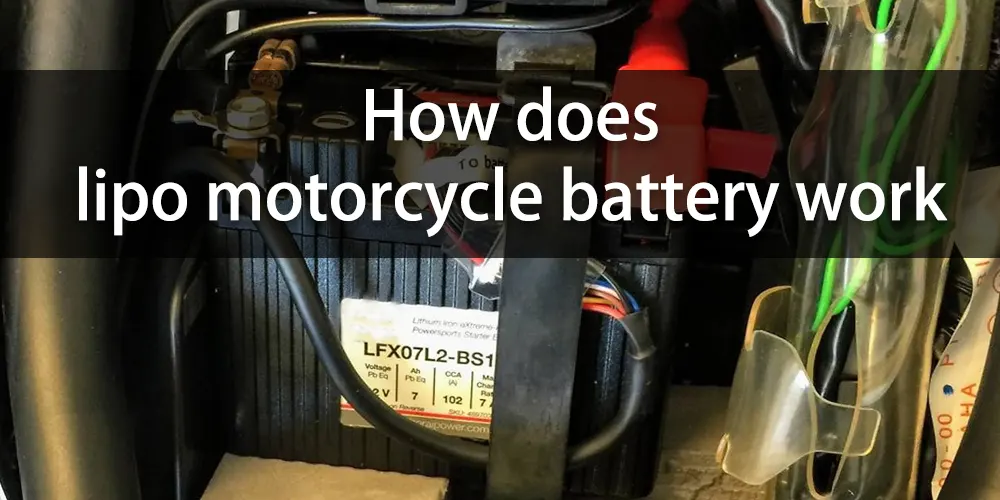
The electrodes hold and release lithium ions, and the electrolyte allows the movement of these ions. Unlike most battery electrolytes, LiPO battery electrolyte is a solid or gel-like polymer such as polyethylene oxide or polyacrylonitrile.
When the battery is plugged into a power source, lithium ions are pushed from the cathode to the anode, creating energy that is stored in the battery.
When the battery is connected to a load, the battery discharges, causing the lithium ions to move from the anode to the cathode and release the energy that has been stored there.
Pros and cons of lipo motorcycle battery
If you’re considering switching to a LiPO motorcycle battery, you might be curious about the benefits and disadvantages of this design. But are they really worth it? Let’s examine some of the pros and cons of LiPO motorcycle batteries.
Pros:
● Lighter: One of the clear edges LiPO batteries have above other types is that they are significantly lighter than the others. A LiPO motorcycle battery can be one-third of the weight of traditional lead acid batteries with the same voltage and capacity.
It makes you lighten the motorcycle while improving its handling, acceleration, and braking with a lighter battery.
● More powerful: LiPO batteries have a higher power density than regular batteries, which is an additional advantage. Thanks to the improved and higher voltage of LiPO motorcycle batteries, you’ll get a bike with more engine power.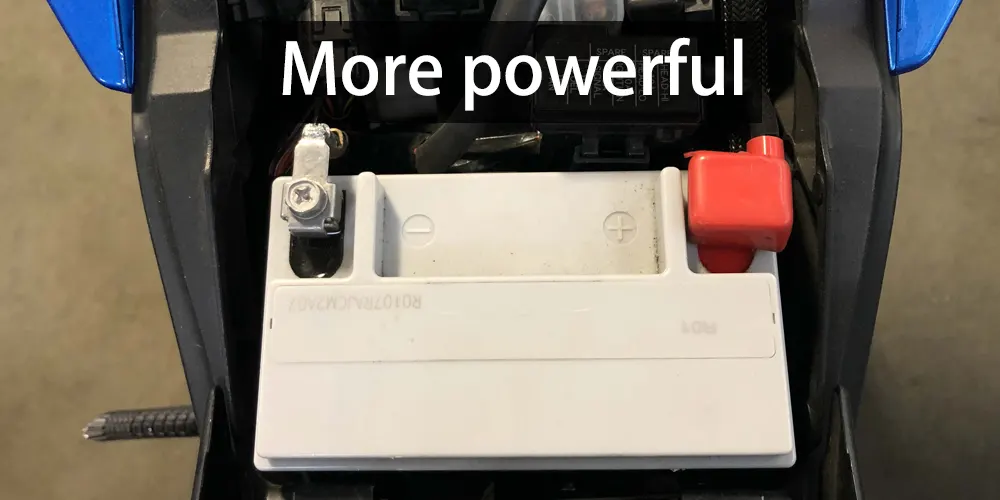
● More durable: One of the primary advantages of LiPO batteries for motorcycles is their durability. LiPO motorcycle batteries have a longer cycle life and can withstand more charges and discharges before losing capacity than conventional motorbike batteries.
A LiPO motorcycle battery can actually withstand 2,000 charge cycles before DOD drops to 80%. As a result, you won’t need to change your LiPO motorcycle battery as frequently, which will ultimately save you time and money.
● More efficient: LiPO batteries are well-known for their fast charging and low self-discharge rate.Unlike other batteries that take up to eight hours to charge, Lipo motorcycle take much less time to reach 80% charge.
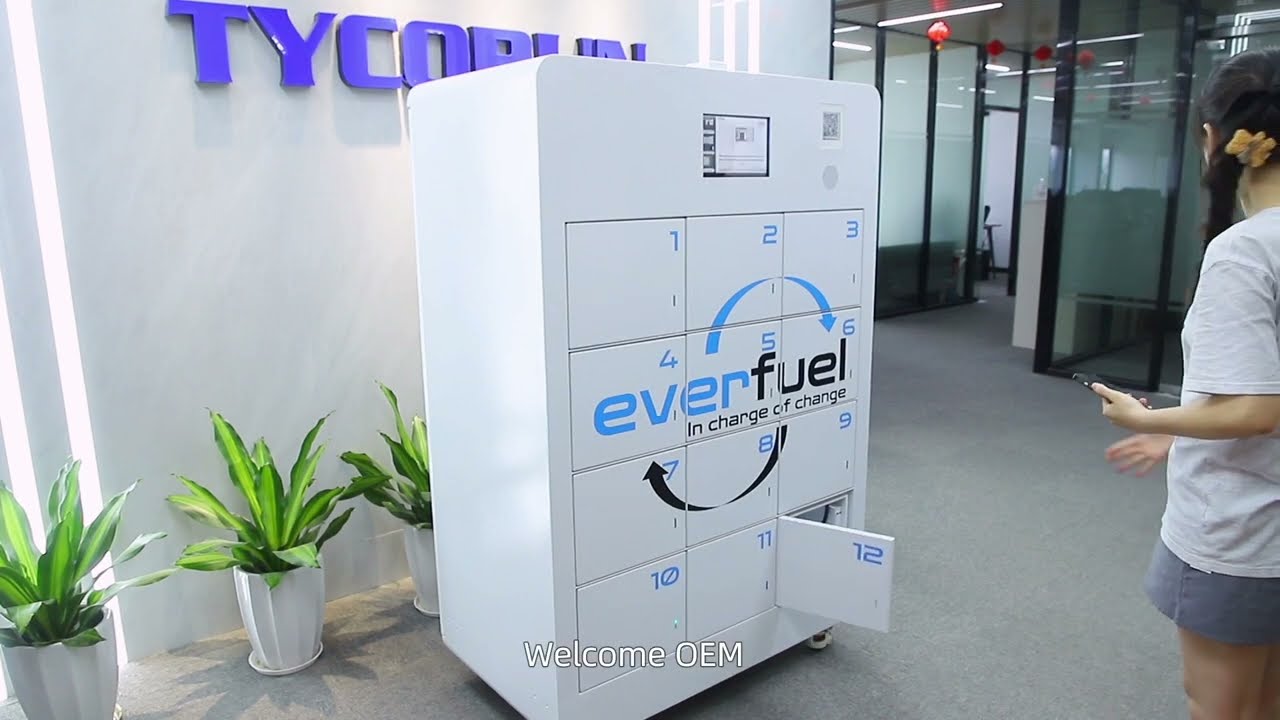
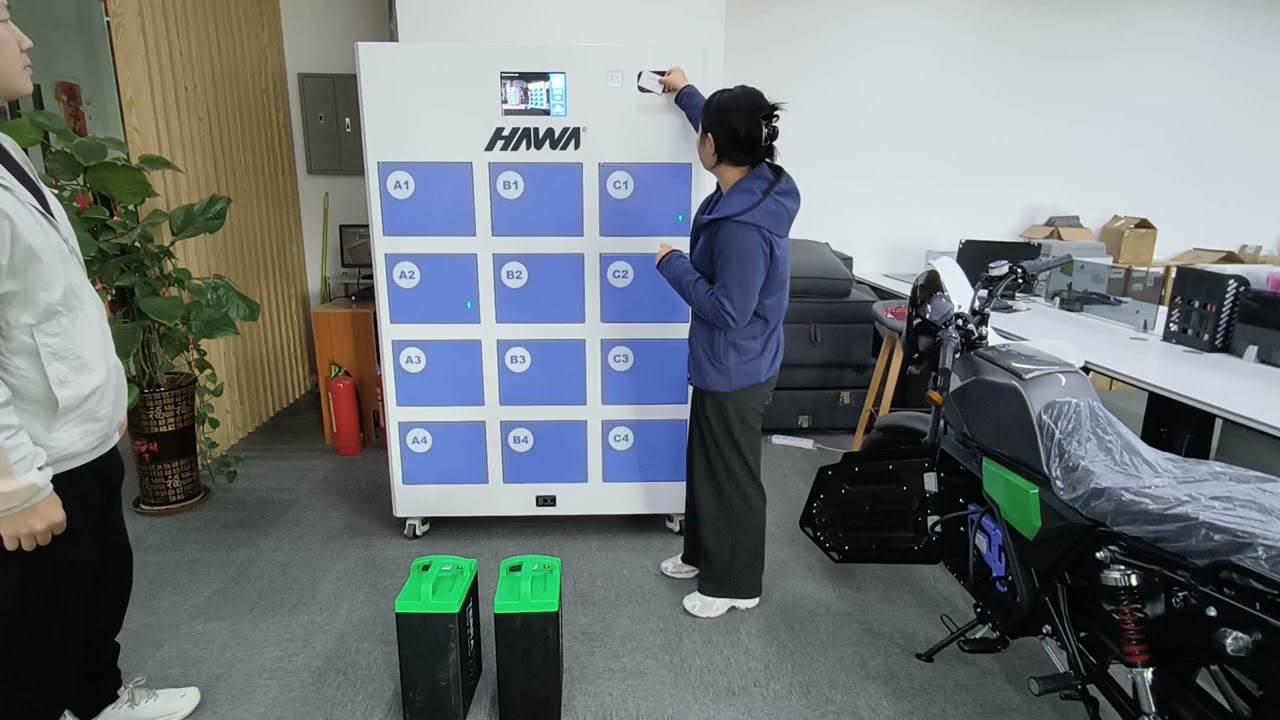
This allows you to spend less time waiting for your battery to charge and more time riding your bike. If you want to pursue faster charging speed, you can directly use battery swapping, which can provide power support for electric motorcycles within two minutes.
● More eco-friendly: LiPO batteries are safer for the environment since they don’t contain any chemicals or toxic components. Thus, even if improperly recycled, there won’t be any environmental risks to worry about.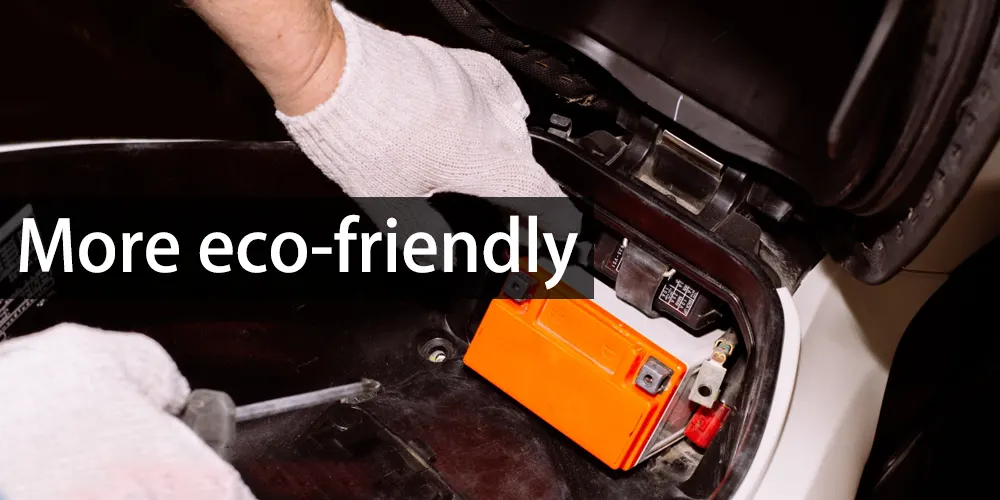
A LiPO motorcycle battery doesn’t contain lead, cadmium, mercury, acid, or other hazardous chemicals that can threaten the environment. As a result, when your LiPO battery approaches the end of its useful life, you may dispose of it securely and conveniently.
Cons:
● More expensive:Despite the fact that Lipo motorcycle batteries are more expensive than other battery kinds, it’s crucial to keep in mind that these batteries function more effectively overall.
The battery’s dependability and lengthy cycle times make the price tag reasonable. Long-term costs will be lower than those of lead-acid battery purchases.
● More sensitive: LiPO batteries’ sensitivity to overcharging, over-discharging, short-circuiting, and overheating is another disadvantage. Therefore, it is crucial that the user uses the battery correctly. You can reasonably prevent further issues if you use the battery in a reasonable manner.
Difference between lead-acid and lipo motorcycle battery
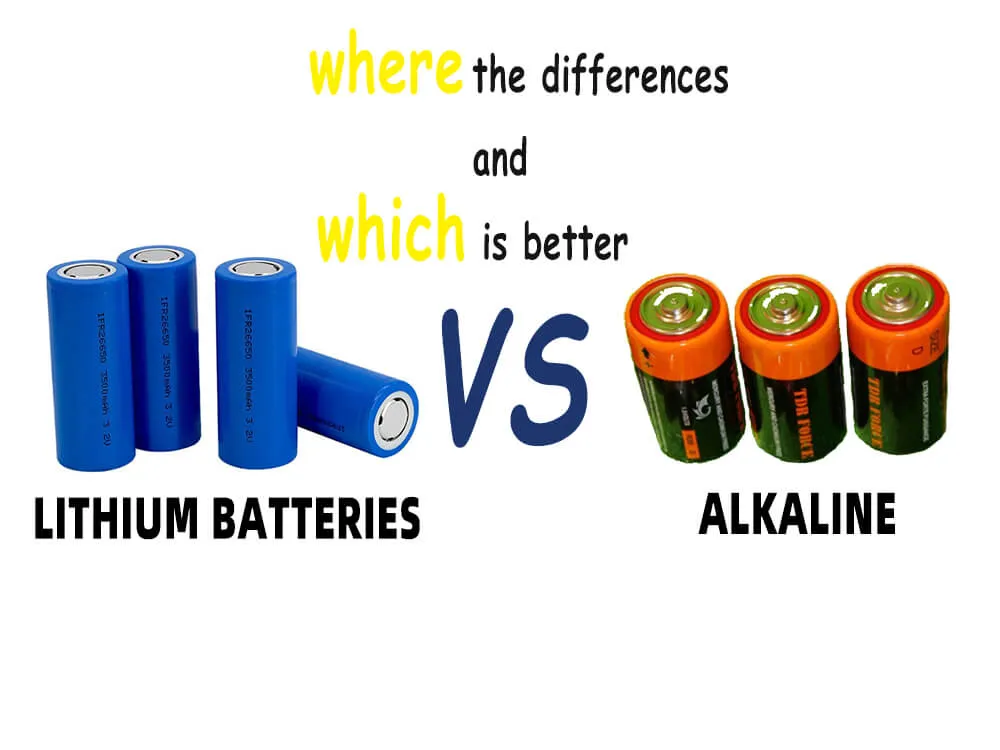
Lead-acid batteries are the first set that has been around for over a century and are cheap and reliable. Despite its low cost, this battery has absorbed acid water in its container, making it hefty and not easily moved around.
This absorbed acid water is often considered a toxic material that is not eco-friendly; thus, recycling these batteries is always challenging. The lead acid battery has limited charge cycles and loses charge quickly when it is not used.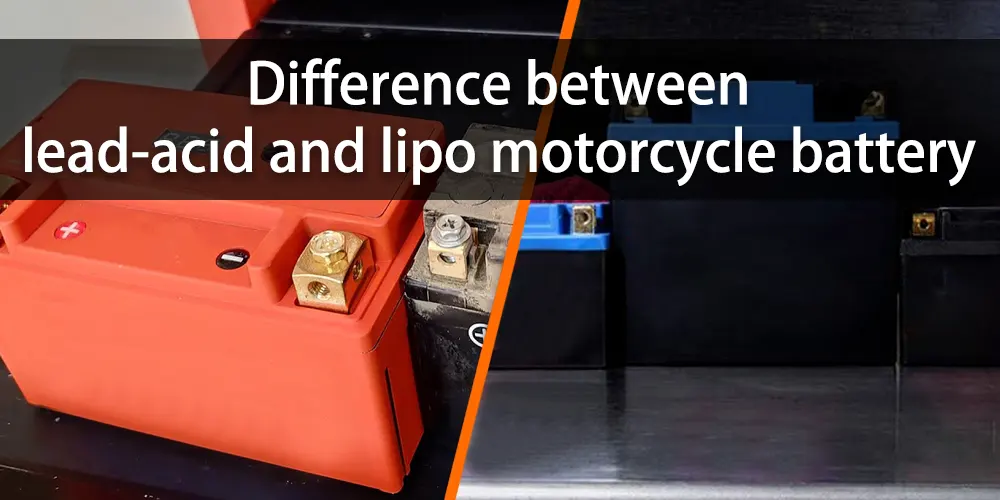
On the other hand, LiPO batteries are a new type of energy system that stores energy using lithium-based chemistry. These innovations are lighter, stronger, and last longer than lead-acid batteries.
They are also greater in voltage, which allows them to power motorcycle with stronger energy. However, the LiPO motorcycle battery is known to be more pricey in terms of purchase cost than lead-acid batteries.
LiPO motorcycle battery vs cylindrical motorcycle battery
LiPO batteries are lithium-based batteries known as lithium polymer because they are structurally packaged in aluminum-plastic film.
Cylindrical motorcycle batteries are a form of battery that employs a cylindrical metal casing to house the cells. 18650 battery is a typical kind of cylindrical motorcycle battery. A mere look at both batteries shows obvious differences in their casing system.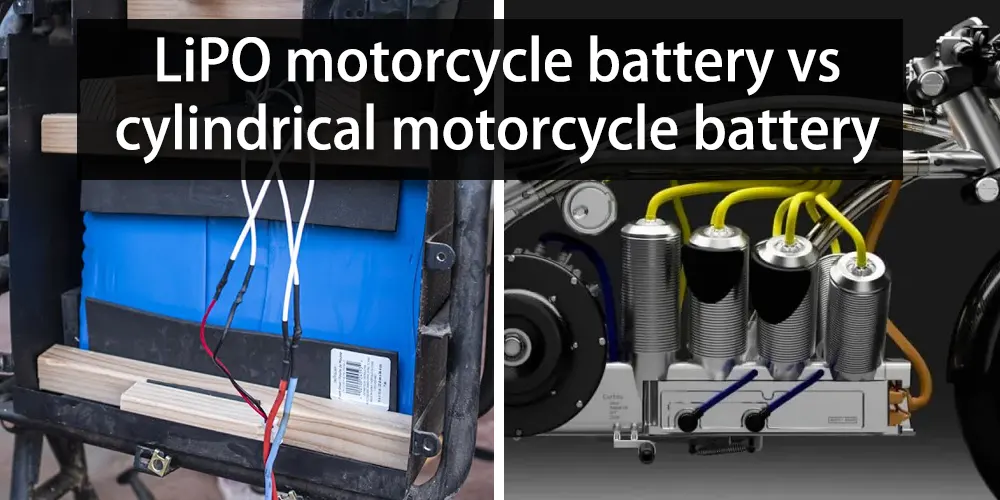
LiPO batteries employ a flexible pouch rather than a hard casing, making them lighter and more compact than cylindrical batteries.But regarding durability, cylindrical batteries take the edge here because their metal casing is more resistant to damage.
LiPO motorcycle battery vs square motorcycle battery
Square batteries are a type of lithium-based battery cell that use a rectangular metal case, unlike a LiPO motorcycle battery that comes in a pouch format.
LiPO batteries are lighter, more flexible, and may fit in any box compared to square motorcycle batteries. Not all battery boxes a square motorcycle battery pack can fit into, and when it does, it increases the weight of motorcycle since they use metal case.
Square batteries are more resistant to damage than LiPO batteries because of the sturdy casing that protects the cells from shocks, heat, and environmental moisture. As a result, they are more trustworthy and stronger when being handled, charged, and stored.
How to test a lipo motorcycle battery?
The simplest way to test a LiPO motorcycle battery is by using a multimeter.Below are the steps to follow when testing a LiPO motorcycle battery with a multimeter:
● Set your multimeter to DC voltage mode and select a range that covers 12 volts. For example, if your multimeter has a 20-volt range, use that one.
● Connect the multimeter’s red and black probe to your battery’s positive and negative terminals, respectively. To prevent short-circuiting the terminals, ensure the probes touch the terminals properly.
● Read the voltage on your multimeter display. You can charge or replace your battery after noticing it has a low voltage. If it has a normal voltage, you can test its performance under load by starting your motorcycle and rechecking the voltage.
What happens if leave a lipo battery on charging overnight?
In a real sense, leaving a battery plugged on without frequently checking it is not advisable. Always be cautious and watchful when handling LiPO batteries to minimize any overcharging, overheating, or decomposition hazards.
Suppose your LiPO battery overcharges; the extra charge current is transformed into heat. The battery’s internal resistance will rise as heat accumulates, raising the temperature even more.
As a result, the battery may experience unstable conditions, increased pressure, and thermal runaway. Thus, it is not recommended to leave a LiPO battery on charging overnight.
What is the proper way to charge a lipo motorcycle battery?
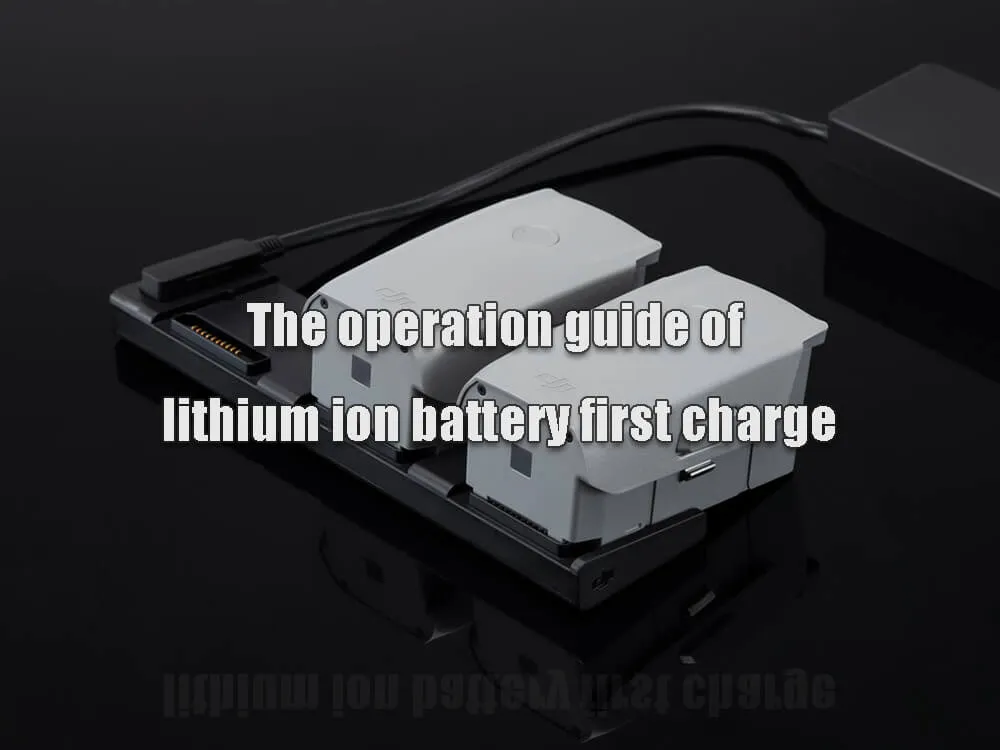
The proper way to charge a LiPO motorcycle battery is to use a dedicated to lithium batteries with suitable specifications charger, a device that can be charged according to the charging mode of lithium battery and prevent overcharging or undercharging.
However, properly charging LiPO motorcycle battery depends on the charger model you’re using. The process to charge Lipo motorcycle battery is as follows:
● Step 1: Connect the charger’s power cable to a power source and turn it on. Attach the LiPo battery’s primary power connector to the power jack of the charger. Ensure the red and black wires go to the positive and negative terminals.
● Step 2: Connect the balance connector of the LiPo motorcycle battery to the charger’s balance slot. Make sure the connector matches the number of cells in your battery. For example, use the 3S slot on the charger if your battery has three cells.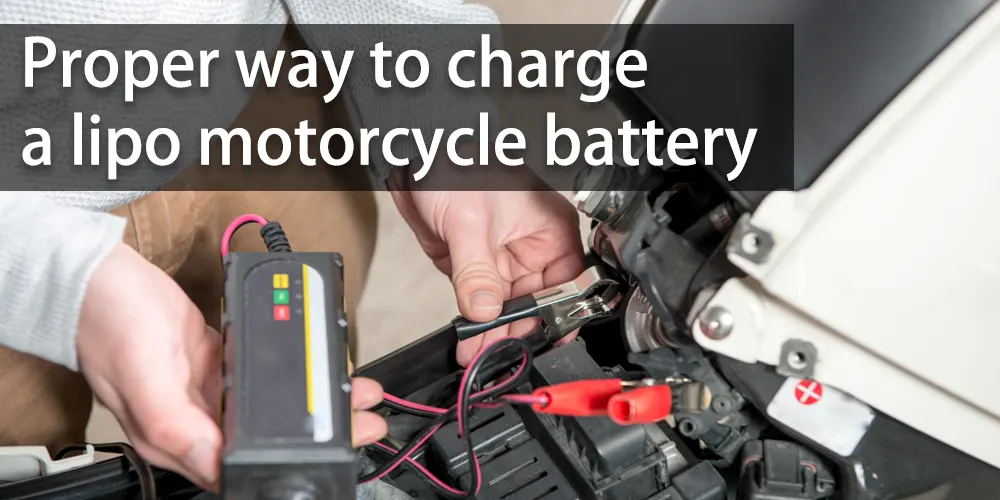
● Step 3: Press the mode button until it displays LiPo BALANCE. This mode will charge each battery cell evenly and prevent overcharging or undercharging.
● Step 4: Hold down the enter key to start charging your battery. The charger will beep while showing the word “CHARGE” on the screen. Each cell’s voltage and current are also shown on the screen.
● Step 5: Wait for the charger to finish charging your battery. When the battery is fully charged, the charger will beep and display FULL on the screen. You can also press stop at any time to stop charging your battery. After that, unplug your battery from the charger and store it somewhere safe.
Conclusion
Upgrading motorcycle battery to the LiPO technology is a good way to improve bike’s performance, reliability, and convenience. The LiPO motorcycle battery is lighter, more powerful, durable, efficient, and eco-friendly than traditional lead acid batteries.
However, because of its pouch casing, you need to care more for the battery. Motorcycle lithium batteries with cylindrical and square cells are also worth choosing.