 Skip to content

What is a deep cycle battery?
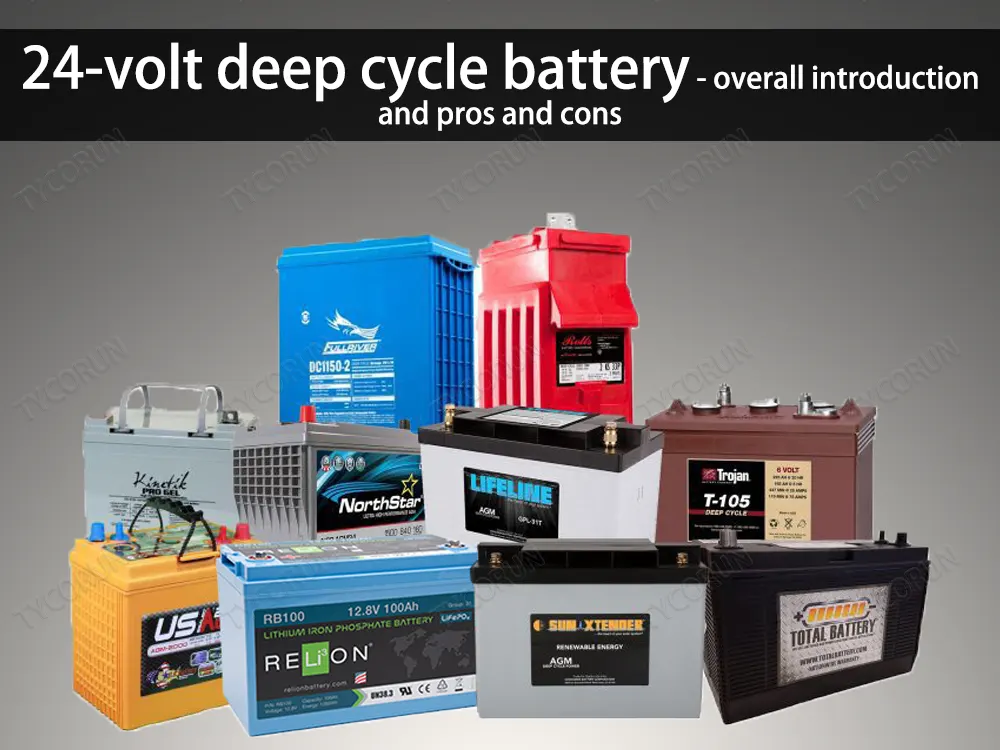
A deep cycle battery is a type of battery designed for use over extended periods. It typically lasts longer than regular batteries, hence supplying sustained power for prolonged periods before draining out and requiring a recharge.
These batteries are also specifically designed to accommodate regular deep discharge, going below 20% in each cycle without affecting its overall capacity. This is a relatively new technology, but it is rapidly gaining ground among the most used battery type in recent decades.
How is deep cycle battery different from car battery?
Both batteries have unique features that make them differ from the other. For one, common deep cycle batteries are much smaller and lighter in comparison, a feature that makes them apt for small to medium-sized electric equipment. If go trictly by definition, car batteries can also be considered as a type of deep cycle battery.
However, since electric vehicles are already very common in daily life, people usually regard car batteries as a category alone. The size and weight of car batteries are much larger because they need to provide power for large power systems such as electric vehicles, and the parameters of voltage and capacity are also very different.
The design of the entire battery system is also more complicated, including more sophisticated BMS and other accessories.

Different types of deep cycle battery
Deep cycle batteries come in different shapes and sizes, but most importantly, in different types. Each deep-cycle battery type is manufactured differently, and here is a breakdown of the various types.
Flooded lead-acid batteries:
Also known as a wet cell, and it is conveniently the oldest type of rechargeable battery. It usually contains liquid in an unsealed container, and it is the most popular among conventional deep-cycle batteries. The flooded battery structure technology is mature, making it lower price, but it also come with disadvantages such as low energy density, short cycle life, and requiring frequent maintenance.
Valve regulated batteries:
They are most commonly known as sealed lead acid batteries. When the internal air pressure exceeds the predetermined value, the safety valve will automatically open to release the gas. When the internal air pressure drops, the safety valve closes automatically to make it airtight, preventing external air from entering the interior of the battery. Compared with flooded batteries, it has batter characteristics of anti-acid and anti-explosion.
AGM deep cycle battery:
The absorbent glass mat battery features electrolytes absorbed into a fiberglass mat. This battery has a lower internal resistance compared to traditional cells, making them longer lasting and less affected by high temperatures.
Lithium ion deep cycle battery:
This battery is almost entirely different from the other conventional types of deep cycle batteries, and it has certainly caught the eye in recent decades. Lithium ion deep cycle batteries typically have a longer average cycle life (from 2,000 cycles to 4,000 cycles) than FLA and AGM batteries, and unlike other chemistries. Lithium batteries also require no special maintenance and are lighter than FLA or AGM batteries in similar. applications.

What is 24 volt deep cycle battery usually used for?
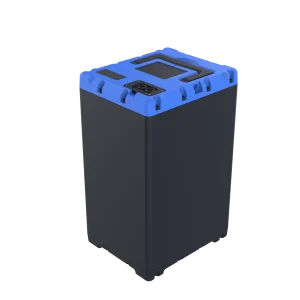
Among deep cycle batteries, the 24 volt deep cycle battery is one of the most common battery specifications, and it can be used in a wide variety of applications. They are exceptional for providing a steady power supply. It can be used for special vehicles such as RVs, medical carts, golf carts, e-bikes, and also used as electric motorcycle battery. It can also be used for on-grid applications like solar systems.
Characteristics of 24-volt deep cycle battery
The 24-volt deep cycle battery is popular for a reason, and here are some of the most significant characteristics of the 24-volt deep cycle battery.
- The medium voltage level makes the 24-volt deep cycle battery suitable for different devices.
- 24-volt deep cycle batteries are of good size and it features a lighter weight and a more compact size than traditional batteries.
- Because it is more common, there are different specifications and parameters to choose from.
Pros and cons of the lithium 24-volt deep cycle battery
The benefits of the lithium 24-volt deep cycle battery are clear and obvious for users. However, it is not without a few drawbacks that are almost inconsequential compared to the benefits. Here are the pros and cons of the 24-volt deep cycle battery.
Pros
- It is a utility battery that functions for a wide variety of applications.
- It has a usable capacity of up to 80%
- It has a significantly lower self-discharge percentage
- It doesn’t require much maintenance.
Cons
- Slightly more expensive
- Fast charging may damage the battery
How long can a deep cycle battery last without charging?
Deep cycle batteries have a reputation for retaining charge for longer periods when not in use, and this is one of their basic characteristics. However, different batteries can last for different specified periods, depending on their unique qualities and battery types. For deep-cycle lithium-ion batteries, due to their low self-discharge rate of less than 3.5% per month, they can last for a very long time without charging.
How many cycle times is a 24-volt deep cycle battery?
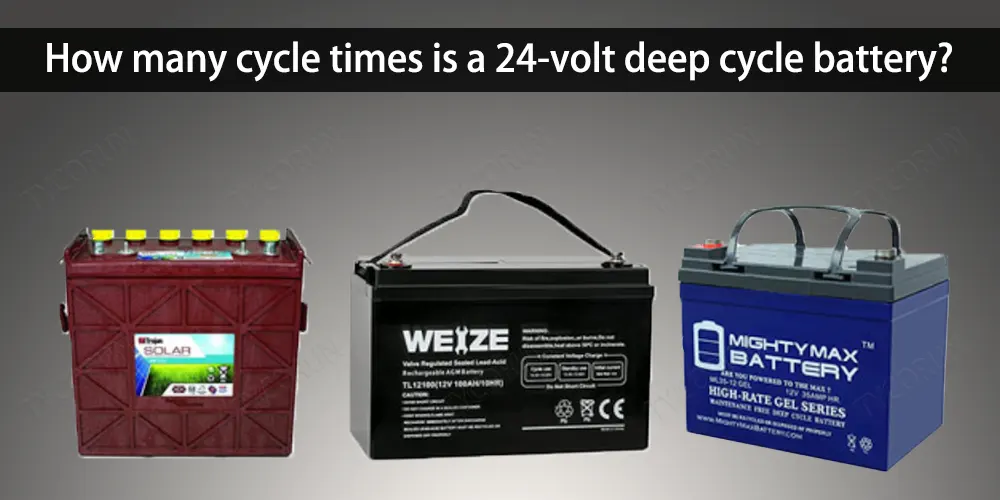
Another sublime quality of the deep cycle battery is its doggedness when it comes to recharge and usage cycles. The regular lead acid deep cycle battery at 100% DOD can deliver about 200 – 250 cycles. On the other hand, the superior lithium ion deep cycle battery can offer 10 times this value by delivering over 2,000 cycles.
How to charge a 24-volt deep cycle battery
Charging a 24-volt deep cycle battery involves simple steps. However, they can prove a bit more complicated if you don’t know exactly how to go about them. Here are the simple steps to charging your deep cycle battery.
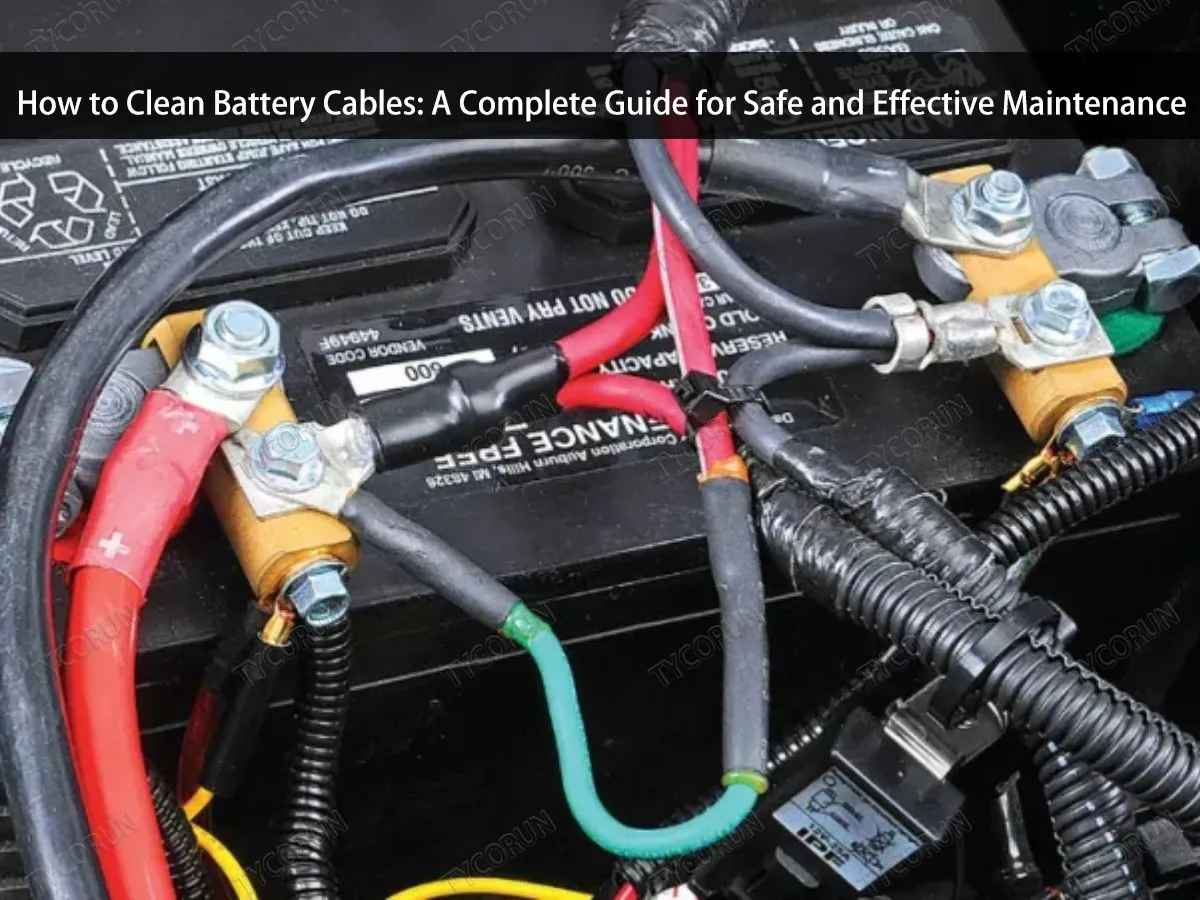
- Clean and prep the battery terminals
- Connect the cables to the corresponding terminals (red first, then black)
- Plug in the battery charger
- Monitor the charging process to avoid overcharging
- Once the battery is fully charged, unplug the charger and disconnect the cables.

How to choose the best 24-volt deep cycle battery
While the benefits of the 24-volt deep cycle battery are numerous and significant, it is worth noting that you can only enjoy these benefits when you get quality batteries. Here are a few factors to look for when choosing a deep-cycle battery.
- Consider the weight and size of the battery to ensure it suits the application it is intended for.
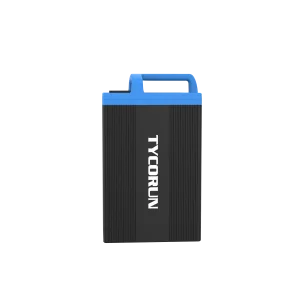
- Consider the quality and technology and choose lithium deep cycle batteries from lithium battery manufacturer like TYCORUN for applications with high performance.
- You want the battery to last long, so you’ll do well to consider the lifespan and durability of the battery according to the chemistry characteristics of different types of deep cycle batteries mentioned above.








1 thought on “24-volt deep cycle battery – overall introduction and pros and cons”
like it
Comments are closed.