Skip to content
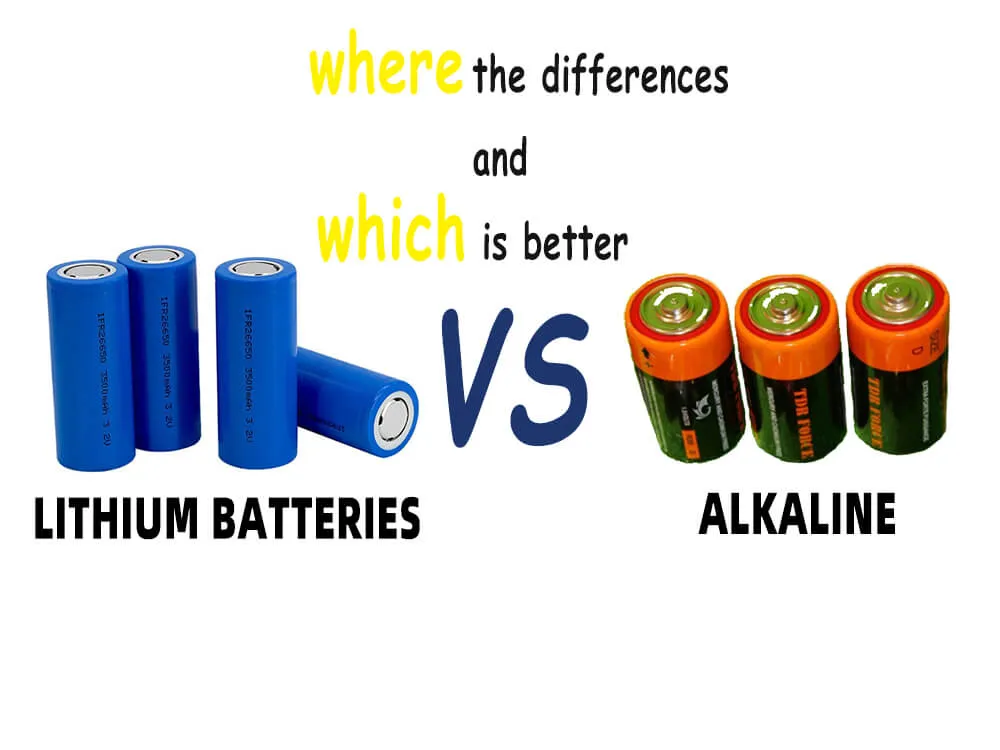
In our day-to-day life, everyone is using batteries some way or other in our remote controllers, cars, watches, toys, and lithium-ion is one of the most widely used rechargeable batteries among many types of batteries, and their dominance continues to expand every day year by year. Lithium-ion batteries convert chemical energy to the electrical battery via a redox reaction. It is divided into primary (rechargeable) and secondary (non-rechargeable) batteries.
The lithium-ion battery provides power to millions of people every single day. Its popularity is increasing because of its high energy density, lightweight, and ability to recharge. The credit for all this goes to chemists M. Stanley Whittingham, John Goodenough, and Akira Yoshino for developing a Lithium-ion battery that awarded them a noble prize in 2019.
This article will introduce you the most common type of lithium ion battery: 24V lithium ion battery. We will talk about the manufacturing process, applications,advantages,quality standards of the 24V lithium ion battery, so if you interested in 24V lithium ion battery, please keep watching.
- 24v lithium ion battery manufacturing process
- 24v lithium ion battery applications
- Are 24v lithium ion battery worth buying
- Limitless advantages of 24v lithium-ion battery
- Quality standards and their differences for 24v lithium ion battery
- How low can you discharge a 24v lithium ion battery?
- 24v lithium ion battery maintenance
24v lithium ion battery manufacturing process
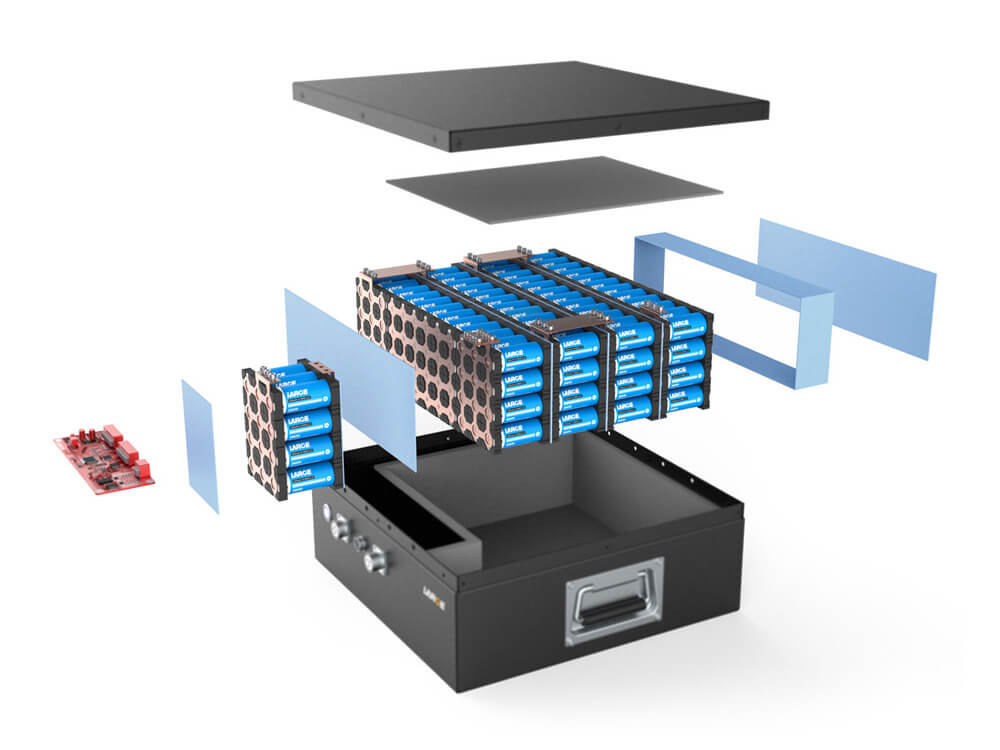
24V lithium ion battery consists of electrodes, separator, electrolyte, case to contain active materials, hold electrodes in place, and two current collectors. The electrolyte carries a medium that has a lithium-ion charge from anode to cathode or vice versa through the separator. The separator is used to avoid contact between anode and cathode—both anode and cathode are used for storing the lithium ions.
The two collectors are positive and negative, which carry the charge to devices connected. When lithium-ion moves in anode, it creates free electrons, creating a positive current collector. Thus positive current charge flows from positive collector to device being connected to the negative current collector.
The production of 24V lithium ion battery consists of three main steps:
1. Electrode preparation
2. Cell Assembly
3. Cell Finishing or battery electrochemistry activation.
Prismatic, Cylindrical and Pouch are the different lithium-ion Battery designs and for all manufacturing processes are similar.
Let’s discuss the above three processes one by one in detail.
1.Electrode Preparation.
First, the slurry is made by mixing the conductive additive, active material, and binder with the solvent. The active material is a positive electrode, a negative electrode, and an electrolyte that helps charge and discharge electrochemical reactions.
The active material is a form of carbon for the anode, and for the cathode, it is lithium-ion oxide. Electrode materials act as current carriers in and out of the cell, coated with metallic foil from both sides. The conductive additive is carbon-based material that increases the conductivity of the electrode. Binder plays a vital role in manufacturing batteries as it is responsible for holding electrodes and active material. N-methyl pyrrolidone is the binder for the cathode, and the styrene-butadiene rubber binder is the anode.

Now prepared slurry is pumped into a die. Cathode die is coated with aluminum foil and copper foil used for coating anode. This die is then sent to the drying oven to evaporate the solvent’s moisture. Cathode slurry is toxic and needs emission regulations, whereas anode slurry is water-based and can be exhausted directly to the atmosphere. Due to contamination present between anode and cathode material that have the potency of ruining the battery, they are usually processed in a different room.
After the drying process, electrodes are fed into a slitting machine to cut it per the cell-designed dimensions. Further, it is kept in a vacuum oven to remove remaining traces of water moisture. To reduce the corrosion and chemical reaction in electrodes, the moisture level is checked after drying.
2.Assembly of the cell.
The ready anode and cathode are sandwiched with a separator in cell assembly. This assembly is called electrode sub-assembly, and it is also referred to as an internal cell structure.
This assembly can be achieved by automation process and manually.The aluminum and copper foils are then welded on electrodes. A popularly used welding method is ultrasonic welding and sometimes resistance welding. An electrolyte is then filled in the formed enclosure to complete the process.
3.Cell Finishing or battery electrochemistry activation.
Before making the final delivery of the cell to the manufacture, Battery electrochemistry activation is applied for stable operation.Electrochemistry is a relationship between electricity production and the chemical reaction associated with it or vice versa.
24v lithium ion battery applications
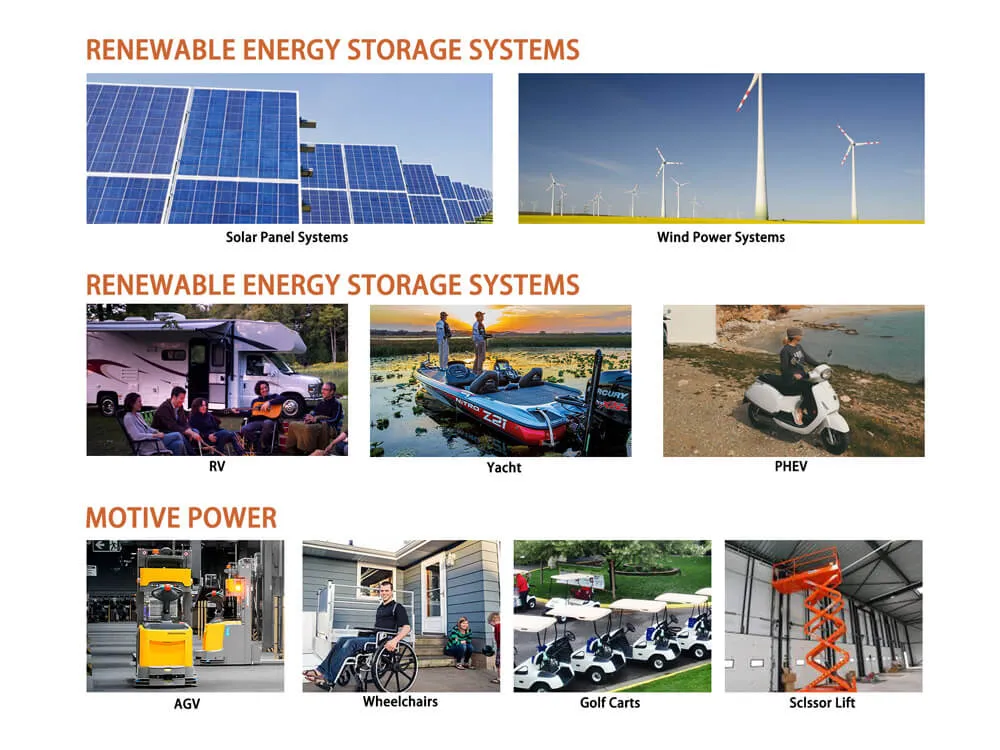
uninterruptible power supply
When the primary power source is not there, you can have 24V Lithium ion battery UPS that keeps your device running for a short time.
electrical vehicle power
EV which is mainly powered by Lithium-ion battery.
solar power storage
One can save energy by using a PV system during day time, but during the night, you can have a 24V Lithium ion battery solar storage battery to discharge stored energy.
alarm system
Many alarm systems use Lithium-ion batteries to protect your property like vehicles, home.
power packs
Rechargeable Lithium-ion battery is well known for using in power packs used in laptops, power banks, and mobile.
mobile equipment
Lightweight 24V lithium ion battery is the best choice for mobility equipment, from electric wheelchairs to stairlifts.
Are 24v lithium ion battery worth buying
In the last three decades price of Lithium-ion batteries declined by 96% to 98%. It currently costs 42 times less than the price of 3 decades ago. A 24V Lithium ion battery cost is decided based on the kilowatt-hour, so a battery with a capacity of one-kilowatt-hour costs around $140. Below are the listed advantages which will confirm its worthiness for purchasing.
Limitless advantages of 24v lithium-ion battery
Below is the list of 24V Lithium-ion battery pros over other batteries.
– Lightweight
– Higher energy density
– Low discharge rate
– charging and discharging cycle is more
– Operates at a higher voltage
– Eco-friendly
– Compact
– Low maintenance
– Quick and efficient
– Ideal for heavy use
– function even in extreme temperatures
– Performance and longevity
– Energy wastage is significantly less
– variety of models available
Quality standards and their differences for 24v lithium ion battery
The government has set many standards for 24V lithium ion battery testing, and certification and all are almost similar one way or other. Here we will be discussing standards set forth by US-based organizations, International organizations and standards, and The International Electrotechnical Commission.
Us-based organization and standards”
OSHA (Occupational Safety and Health Administration):
The OSHA is a US-based regulatory agency for the department of labor. OSHA releases a norm for preventing occupational fatality in the workplace by enforcing standards. They maintain and approve a list of Nationally Recognized Testing Laboratory which provide a necessary certification and testing for Lithium-based cells.
CE Marking:
European Union battery regulates the heavy metal contents for Lithium-ion batteries.
Examples of restricted metal:
Cadmium (< 0.002% by weight)
Mercury (<0.0005% by weight)
Lead ( 0.0004% by weight)
The Standard like ANSI C18.2, PART 2 AND ANSI C18.3, PART 2 are standards listed by ANSI ( THE AMERICAL NATIONAL STANDARDS INSTITUTE) for the safety of Lithium-Ion Battery.

International organizations and standards
UN/DOT
United Nations issues regulative directive for lithium-ion battery safe shipment and packaging with the recommendation of goods transport for dangerous goods.
Underwrite Laboratories
It is an independent agency for publishing safety standards.
For lithium battery UL standards are:
– UL1642
– UL2054
– UL2580
The international electrotechnical commission
IEC issues standards for general safety, transportation specification for electronics and electrical goods. A few keywords for lithium-ion batteries are:
– IEC62133
– IEC60086-4
– IEC61960
– IEC62281
Other lists of standards
– EU Directive – 2006/66/EC and 2001/95/EC
– BATSO
– JIS
– SAE International
– CHIA
How low can you discharge a 24v lithium ion battery?
One can discharge a 24V lithium ion battery until the battery’s time safety circuit remains packed. If one discharges below 2V that opens the safety circuit of the battery, a battery is considered dead.
24v lithium ion battery maintenance
All batteries need maintenance and cannot be left unchanged for a long time. Following the below-mentioned maintenance guideline will ensure the long run of the battery.
If a 24V lithium ion battery is discharged below 2.5 volts per cell, a safety circuit built into the battery opens and appears to be dead.
One can discharge a 24V lithium ion battery until the battery’s time safety circuit remains packed. If one discharges below 2V that opens the safety circuit of the battery, a battery is considered dead.
24V lithium ion battery estimated life is 2-3 years, or it can give you a running cycle of up to 500 cycles. One cycle means charging a battery fully, discharging it, and charging again. If left unattended, then it can last long for maximum of six months.
Following the charging methods/instruction mentioned in the manual will keep 24V lithium ion battery life up to mark.