Skip to content
Future of batteries
The question of future of batteries is not as simple as asking “how is technology developing oWhat will batteries look like in 2030? How will it work? The more you think about it, the more interesting it becomes. r what batteries will be most popular?” If we try to become a “battery futurist,” then there are problems like “population growth,” “the emergence of megacities,” and “changing fertility trends.” The only thing I can be absolutely sure of is that the future of batteries will be different from the ones we use today.
General trend of future of batteries
The first question to consider is what will the society of the future be like and how will it affect the evolution of driving technologies, regulatory standards, regional differences, and so on? In the early 2000s, I saw governments in Europe, Japan, the United States, China, and many other countries make major adjustments to their fuel economy and CARBON dioxide emissions standards in favor of more efficient vehicles. The trend actually began in the 1970s.
As the global population continues to grow, the need for new clean energy solutions by governments continues to be high. The other factor that must be considered is where population growth will be concentrated. From all current projections, most of this growth will be in big cities. Even at a slightly slower rate than in previous decades, the world’s population continues to grow, with megacities of more than 20 million people expected to continue to emerge, and lithium-ion battery technology will have to continue to evolve to meet this growth trend.
The magnitude and concentration of population growth will drive dramatic changes in many technologies to address the depletion of natural resources and emissions, greenhouse gases and the effects of pollution. For example, public functions such as power utilities, which have historically been highly centralized by the state, will evolve into a more decentralized system of production and storage.
Today, electricity is produced on a massive scale by burning coal, nuclear and hydroelectric power and sent to consumers through the grid. But in the future, electricity will more likely be produced and stored locally. We might find roofs covered with solar panels, wind turbines in common areas, and so on, all of which would require battery systems to distribute power evenly to every home in a megacity.
The transportation sector will not miss the technology transition. An interesting and growing trend is that fewer young people aspire to own cars, and instead many are using car-sharing services and living in areas with public transport. Instead of buying a car that sits unused most of the day and night, they pay for it only when they need it. In some parts of Japan, we are also seeing a trend towards’ personal transport ‘, which will lead to a major shift in how consumers use their vehicles.

The rest of the world wants to emulate the trends seen in Japanese cities, probably because Japan is more densely populated than most other parts of the world. With population growth now slowing and actually turning negative, Japan’s cities with large populations are aging and looking for ways to meet the needs of older populations. Of course, we can’t ignore the growing markets of China and India, where car ownership is a status symbol and will continue to experience a lot of growth.
But as demand for cars grows rapidly, megacities will suffer from high pollution and limited parking Spaces. The most recent evolution in transportation has been the emergence of self-driving vehicles. As these vehicles are introduced in large numbers, they will continue to drive advances in the ancillary technologies associated with them.
Technology trends of future of batteries
Unfortunately, battery technology has not evolved in accordance with Moore’s Law. Moore’s Law was put forward by Gordon Moore, one of Intel’s founders, in 1965: “At constant prices, the number of transistors that can be accommodated on an integrated circuit will double and the performance will double approximately every 18 months. In other words, every dollar of computer power will more than double every 18 months. “
This law reveals the speed of information technology progress. This has proven to be very accurate in the semiconductor industry, but unfortunately does not apply to batteries. If we go back to 1991, when lithium-ion batteries were introduced for the civilian market, we see capacity increases of only 5 to 6 percent per year. Battery technology has not nearly doubled every year.
Back to the original question at the beginning of this article — what will future of batteries look like in 2030? How will current battery technology evolve to meet these growing demands? Is there really a “revolutionary” or “breakthrough” technology?
Unfortunately, we have overused the term “breakthrough technology” for too long. As far as improvements go, these are natural developments rather than minimal breakthroughs. Let’s think about the term breakthrough technology and what it really means to future of batteries. When can a technology be considered a breakthrough? The occurrence of a breakthrough technology often results in the complete change or termination of the existing technology.
The automobile completely destroyed the horse and buggy market and eventually replaced them completely. It took only a few years or so for the personal computer to almost completely replace the typewriter. The telephone replaced the telegraph, and the portable telephone has virtually replaced the landline in just a few years. So, when technology supersedes and surpasses the technology that preceded it, that defines a technology breakthrough.
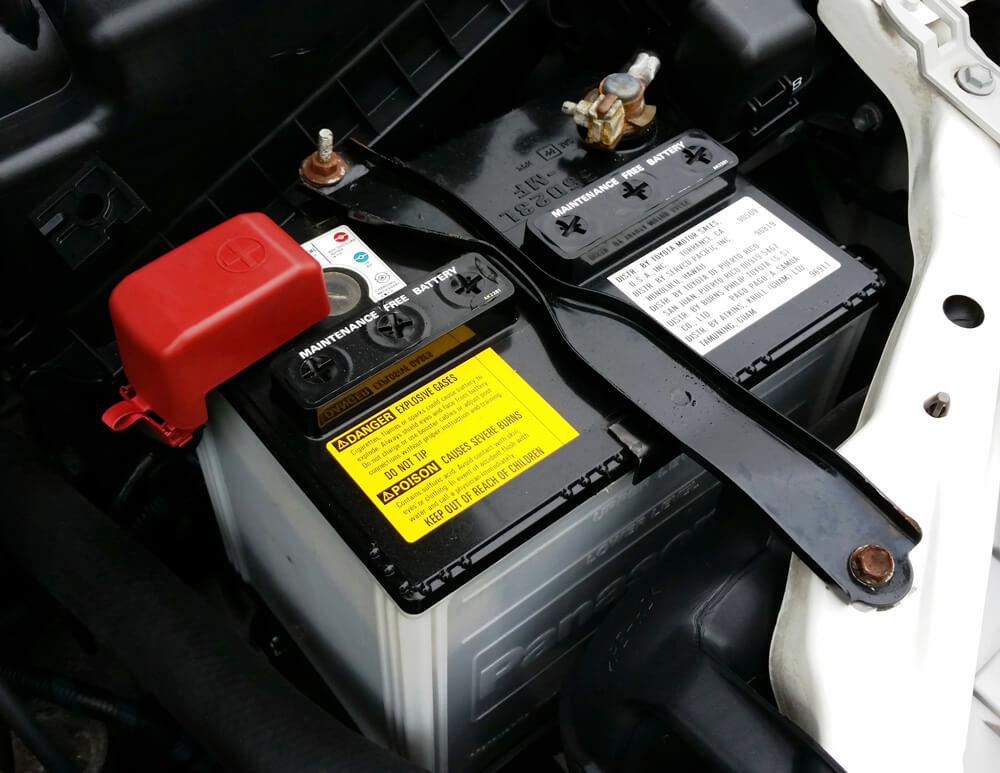
So are lithium-ion batteries a breakthrough technology from this perspective? Not really, it doesn’t replace either lead-acid batteries or internal combustion engines (at least not at the time of writing). But is it a complementary technology? Of course it is, because it offers a significant improvement over current hybrid schemes.
Lithium-ion batteries have two properties that could make them a truly breakthrough technology; Energy density and power density. Current lithium-ion battery technology provides only about one-tenth the power of gasoline or kerosene, which means that with current lithium-ion battery chemistry, battery power alone cannot achieve the range of a petroleum-powered vehicle – could that change?
The problem with power density is similar to that with energy density. In order to replace gasoline engines, future of batteries technology must be made smaller while increasing the power and power of the battery to the same level as liquid-fuel vehicles.
At the same time, we have to consider another problem – cost. Even if someone were to design a battery technology that could provide the same amount of energy as a petrol-powered vehicle, it would not be a viable solution of future of batteries that would gain mass market favor if battery costs did not come down as energy increased. In industry, we are likely to see cost optimisation due to some degree of standardisation and increased production. We find that some degree of standardization will certainly provide benefits to the cost structure. But the standard must also be flexible enough to allow technology to improve and evolve with it.
From an automotive manufacturing perspective, once a technology is introduced into a vehicle, it lasts five to 10 years, which is the approximate life span of a standardized vehicle system. What does that mean? That means electric cars on the market today use batteries made with technology three to five years old.
The portable power supply industry will also help drive technological innovation as we see personal electronics becoming smaller, thinner, and even wearable, so portable power supplies are early adopters of some of the advanced battery technologies that will advance along with portable power supplies.
Development trend of future of batteries technology
What changes in battery technology would make lithium-ion batteries a real breakthrough? Battery systems will undoubtedly continue to advance, but will it turn out to be a real breakthrough? That’s hard to answer. Lithium is already the lightest metal in the periodic table, so there aren’t a lot of options for further research beyond lithium-based techniques. Therefore, it is possible that future of batteries will not come from replacing lithium, but from other materials.
Conventional lithium-ion batteries basically have three parts that can be improved: a cathode, a anode and an electrolyte. By studying these three parts, the researchers aim to improve the available open circuit voltage and energy density of lithium-ion batteries, and improve the safety and life of batteries.
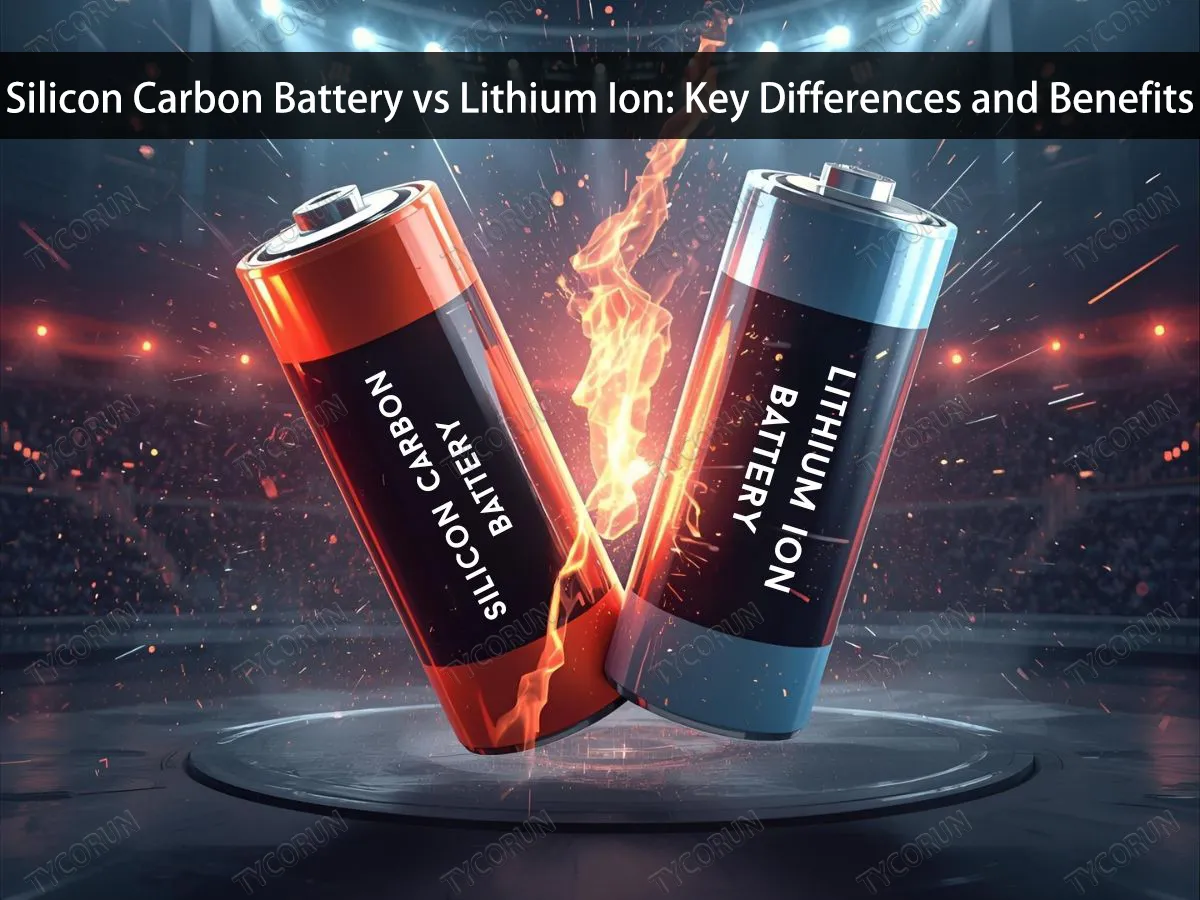
Let’s start with the anode. Silicon and tin anode materials have received a lot of attention in the past few years because of their high specific capacity and promise to improve the energy density of batteries. Although theoretically possible increases in energy density of up to 300% or more can be achieved by using silicon or tin negatives, actual increases are often only about a third of that, but this still pushes the specific energy of lithium-ion batteries to levels that are competitive with liquid fuels.
However, both of these materials suffer from the problem of short cycle life due to the large volume expansion rate of the electrode sheet in the charge-discharge cycle. But that doesn’t mean we should give them up. Efforts are under way to solve the problem, such as using nanomaterial technology, graphite, graphene or other materials composite or coated with silicon or tin elements, can significantly buffer the volume expansion of materials.
We have noticed that personal electronics are becoming smaller, thinner and wearable, and it is this kind of advanced technology that is beginning to apply to the portable power supply industry.
Compared to transportation and energy storage, these applications require less battery system life, providing a good opportunity for the development and testing of these battery solutions. I believe that as these new anode technologies continue to develop, it will eventually partially replace the current graphite based anode materials.
The cathode materials are also seeing some incremental improvements. For example, different chemicals are combined or mixed in order to take advantage of the respective advantages of different materials. But based on the current level of research, there is little chance of significant progress in future of batteries.
Gradual changes will also be seen in the electrolyte and diaphragm in future of batteries. Electrolyte is critical to improve the open-circuit voltage of lithium ion batteries. At present, many attempts have been made on electrolyte additives, and a large number of studies have been reported on new electrolytes, which may be safer than the current additive technology. Diaphragms are also getting attention, but almost all of it is focused on improving battery safety.
Many lithium ion battery companies are starting to use ceramic-coated diaphragms because they have been shown to be more permeable to the electrolyte than conventional POLYacrylate-polyethylene diaphragms and to work consistently and efficiently at higher temperatures.
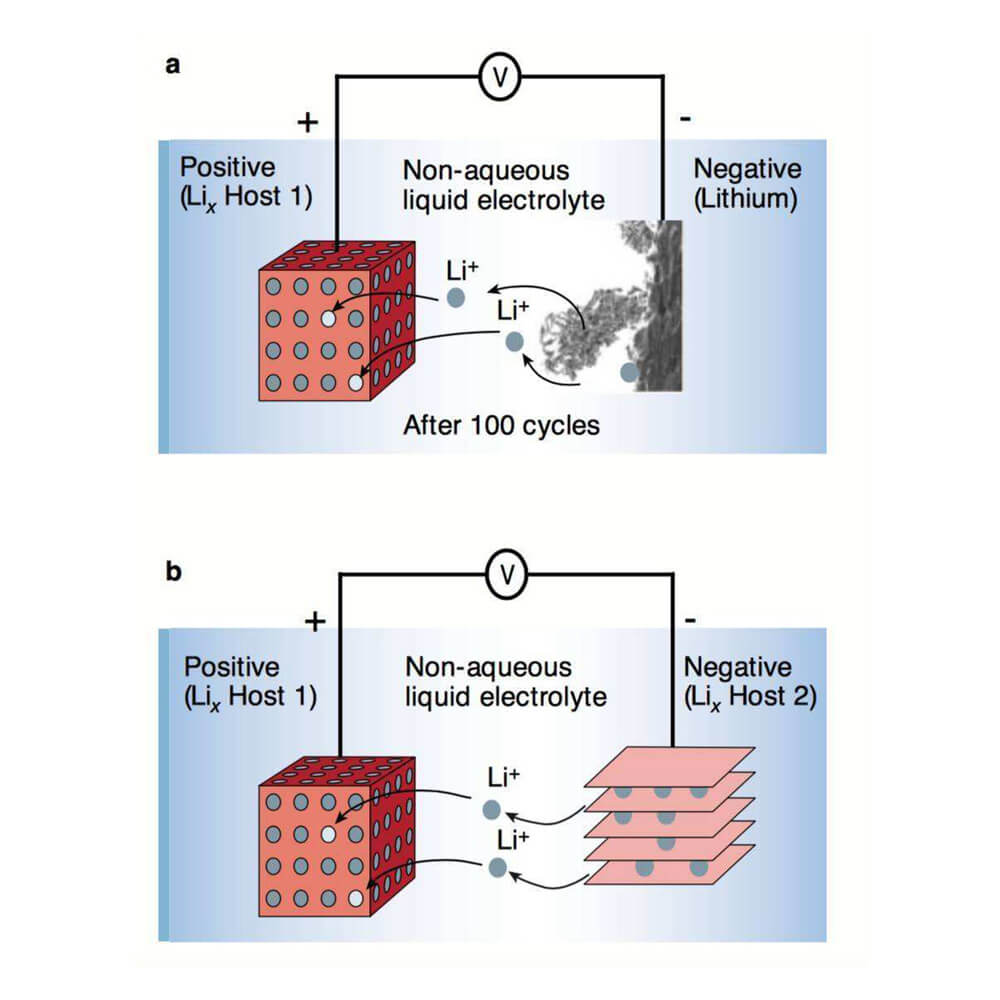
Could we see other types of technological improvements that would bring about a truly transformative development for future of batteries and lithium-ion batteries? Perhaps one of the most eye-catching new technologies is solid-state batteries. Solid-state batteries do not use liquid electrolytes, and one of their advantages is their high energy ratio.
Compared to traditional lithium-ion batteries, solid-state batteries can reduce the amount of fluid collection and do not contain membranes. In addition, solid-state batteries are expected to be safer because they do not contain flammable and leaky liquid electrolytes. However, due to the research and development of solid-state battery is in the initial stage, so far the application of solid-state lithium ion battery is mostly milliampere-hour magnitude. If these cells can be successfully scaled up, they could become competitive for larger scale applications.
Lithium-air battery is also a new battery system in the research stage. Lithium-air batteries use a lithium metal anode, connected to a solid electrolyte layer that is “electromechanically coupled” to oxygen in the air. It can provide very high energy density, very flat discharge curves, virtually unlimited use as long as there is no exposure to water and carbon dioxide in the air, and is expected to have a range of benefits including low cost and environmental friendliness. However, lithium-air batteries also face serious challenges, the biggest of which is their limited power output capacity.
Over the past two decades or so, fuel cells have made significant advances and received a lot of attention. Micro fuel cells, automotive fuel cells and very large fuel cells are already on the market. Fuel cells, which are essentially generators, overlap with lithium-ion batteries in many applications. If the infrastructure and cost of feeding the fuel are resolved, fuel cells could replace part of the lithium-ion battery market.
Another growing energy storage technology is capacitors, including double layer capacitors and supercapacitors. These technologies have historically been considered suitable only for extremely short, high-power, explosive energy needs. Current research is aimed at increasing the energy density of capacitors, thus making them more competitive with conventional batteries. In addition, because capacitor manufacturing is very similar to lithium-ion battery manufacturing, battery manufacturers are expected to add capacitor technology to their battery products.
Conclusion
Lithium-ion battery technology has a lot of potential for improvement and further improvements to current battery performance. Battery costs will continue to fall as demand increases, and technological improvements to battery performance mentioned earlier will help reduce costs. If battery technology goes well, the next generation of battery technology will soon be available. However, the authors believe it will be difficult to meet the $100 – $150 /kWh cost target set by organizations such as the U.S. Department of Energy and the Advanced Battery Alliance.
Currently, the 18650 lithium ion battery is being mass-produced at a rate of nearly 700 million cells per year, and its price has bottomed out in the $170 – $220 /kWh range. So how can the technology be improved to make the new large battery affordable enough to meet the DOE’s requirements? Since the volume of the battery is not the same as the volume of the actual active material of the battery, it is important to transform the battery technology to drive down the cost.
The growth of megacities will drive cleaner technologies for energy production and storage. Battery-based energy storage systems are likely to become an important part of providing uninterrupted power to these cities. And transportation systems will be forced to adopt electrification to reduce their impact on urban air.