In the past three decades, lithium batteries have been stimulated again and again by their excellent electrochemical potential, from powering mobile phones to driving cars. Nowadays, new energy vehicles have become the most dazzling in the spotlight. However, new energy vehicles are not the end of the application of lithium batteries, but the starting point.
What does “New Energy+” mean? New energy + mainly wants to express that the popularity of new energy is still very high, but mainstream companies have been fully priced and fully researched, and the difficulty of obtaining excess returns has increased sharply, and new energy (especially lithium battery) is important to the entire industry chain and even the business world. Plastics are taking place and are expected to breed more opportunities.
In 2022, we will also devote more energy to this direction. What I want to talk to you about today is a trend that can no longer be ignored – lithium battery breaking the circle, that is, the “new energy +” business form represented by lithium battery.
Lithium batteries are well-known due to the popularity of new energy vehicles, but in fact this lightweight and powerful secondary battery has been changing people’s lifestyles since its inception, from early digital products to smartphones to electric vehicles.
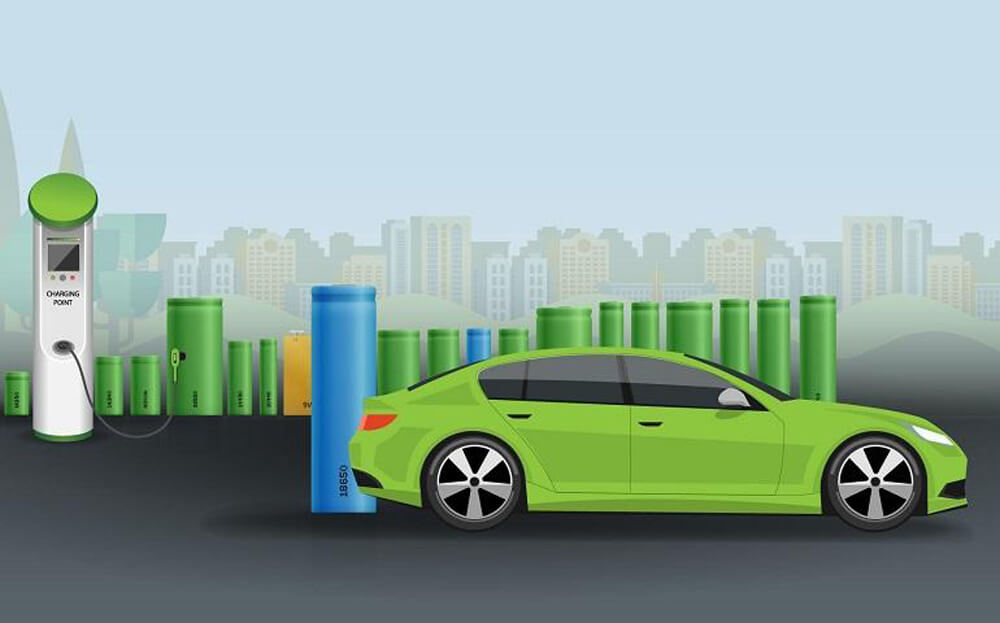
Lithium batteries have been inseparable from our daily necessities, so in fact, new energy vehicles are only a branch of lithium battery applications, and the highlight is still to come.
As an overview of the future trend of lithium electrification, this article will address two questions: the first is which areas are “lithium electrification”. The second is what new opportunities will the penetration of lithium batteries bring.
It should be pointed out here that we only use lithium batteries as a sample in this article. With the breakthrough of battery technology at the electrochemical level, the carrier of “new energy +” in the future will not only be lithium batteries, but diversified miniaturized rechargeable batteries. new business landscape.
Lithium battery triple jump
It is necessary to first introduce the development history of lithium batteries.
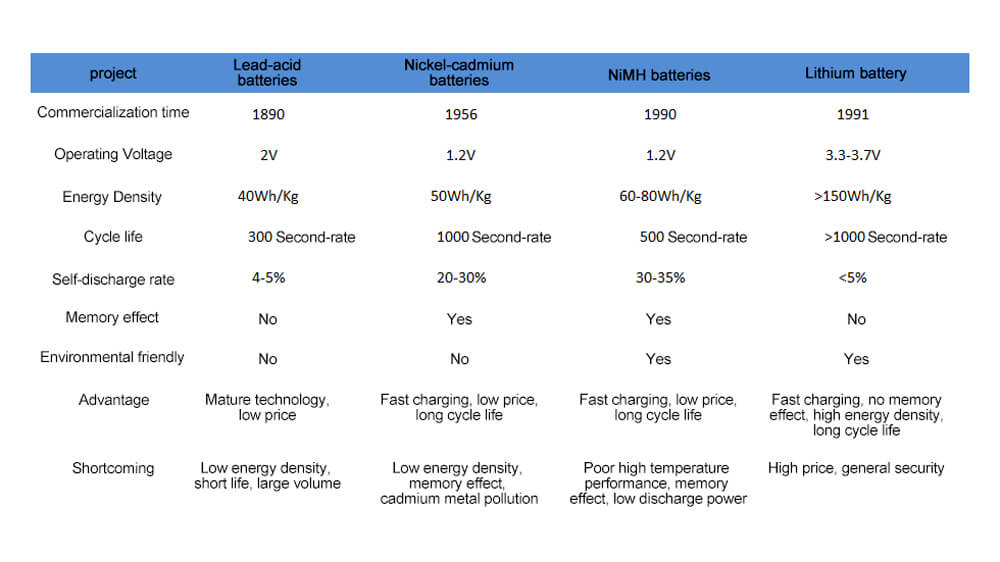
Rechargeable batteries are an indispensable part of people’s lives. At present, there are lead-acid batteries, nickel-cadmium batteries, nickel-hydrogen batteries and lithium batteries that have been commercialized.
Among them, lithium batteries are the latest to be industrialized, but they have achieved great development in just 30 years. They have successfully replaced other types of rechargeable batteries in many fields, become the dominant player, and are even replacing traditional energy sources.
Turning over the history of the counterattack of the latecomers, lithium batteries have mainly experienced three jumps.
Digital products lay the foundation for the development of lithium
Back in 1991, Sony took the lead in mass production of lithium batteries, opening the door to the commercialization of lithium batteries. At that time, Sony had built a huge kingdom of consumer electronics, covering everything from Walkmans, tape recorders, video cameras to notebooks and mobile phones.
Lithium-ion batteries that have just been launched are rapidly popularized in portable digital products by virtue of their advantages of small size, light weight, high capacity density, and no memory effect.
By 1998, Panasonic launched a cylindrical lithium-ion battery for notebook computers, which opened up the growth space for notebook computers. Around 2000, consumer electronics accounted for 90% of lithium battery demand.
Among them, feature phones and laptops account for up to 75%. Thanks to the rapid development of portable digital products, the industrial chain of lithium batteries has begun to take shape.
Smartphone take over
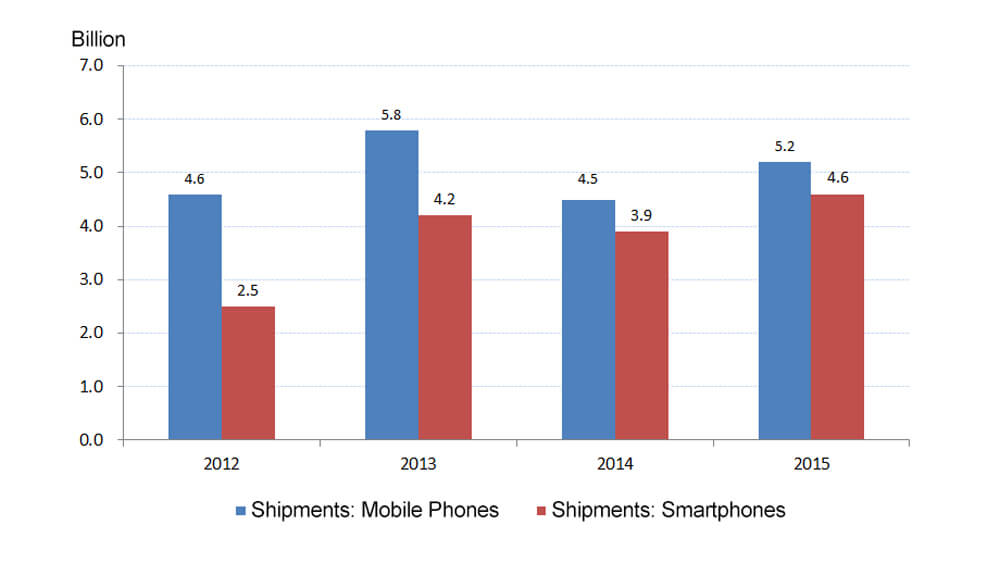
Since 2007, the growth of feature phones and notebook computers, which are the main force of consumer electronics, has gradually slowed down, and their contribution to lithium batteries has begun to decline. At the same time, the financial turmoil in 2008 affected people’s consumption demand, and the development of lithium batteries was inhibited.
During this period, smartphones and tablet computers began to appear on the stage of history one after another. On the one hand, large-screen smartphones gradually replaced feature phones, and on the other hand, tablet computers opened up new markets, sales were booming, and lithium batteries returned to the fast lane.
More importantly, in the era of smart phones, because the quality and capacity of the battery directly affect the user’s experience and choice, especially the tablet computer is positioned for the comprehensive needs of mobile office and video entertainment, which requires lithium batteries to be more prominent in design. Thin and light, long battery life and heat dissipation performance, the technical level of lithium batteries has been further developed.
To give a simple example, in the early digital products and function machines, a single electronic product is a single battery cell, and the battery management system (BMS) is relatively simple, and there is even no concept of a battery module. However, smart products such as tablet computers generally use battery modules assembled with 2 or 3 cells, and battery management systems have begun to develop as an indispensable component of lithium battery modules.
And ATL, the parent company of the Ningde era, has become an invisible champion of consumer lithium batteries by relying on the above two spring breezes.
The wave of automobile electrification
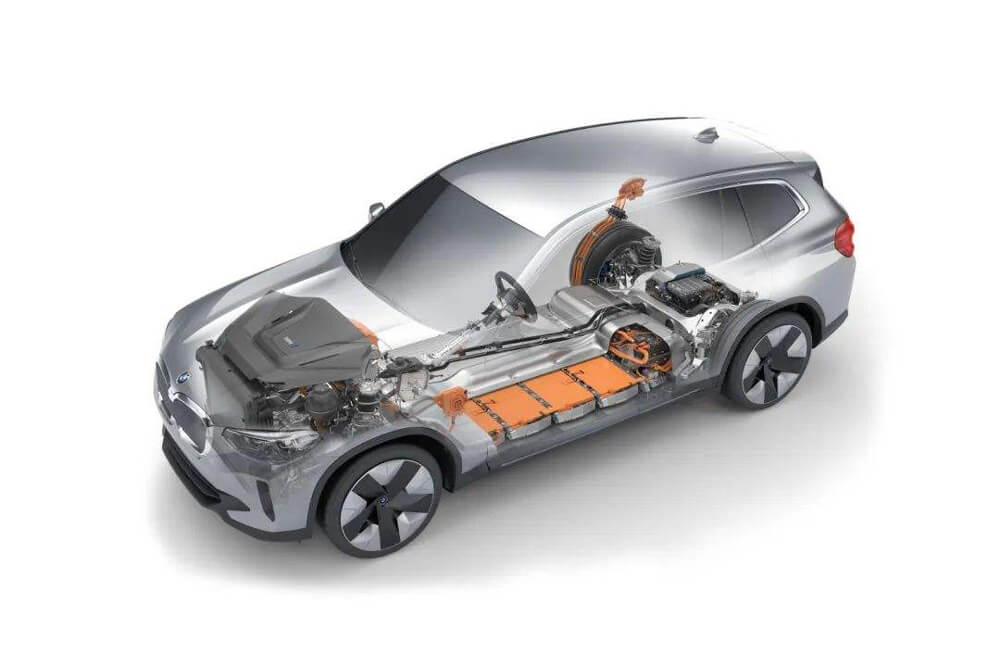
With the growth of digital products and smart phones, the performance of lithium batteries has been continuously improved, and the cost has been further reduced. At the same time, lithium batteries have also formed a complete industrial chain system, but it is electric vehicles that really make lithium batteries achieve a qualitative leap.
First, automobiles require power batteries with higher capacity density, longer cycle life, and stronger charge and discharge capabilities.
Second, the power battery requires a larger number of cells to form a battery pack, which puts forward higher requirements for the consistency of lithium batteries and is a limit test for engineering manufacturing capabilities.
Third, when it comes to safety, the power battery needs to manage more cells, and the difficulty of the battery management system increases exponentially. After all, a problem with one cell can easily bring disaster to the whole.
Finally, when it comes to the cost of batteries, due to the larger charge of the car, the required battery materials have increased by thousands of times, and the industrial scale effect has led to a rapid decline in the cost of batteries.
In the past ten years, global lithium battery manufacturers have devoted themselves to automotive lithium batteries, and almost all resources have been concentrated in the automotive field. CATL, which was born out of ATL, has also stood on the top of the world. Today we are also fortunate to see that the technology and scale of lithium batteries have undergone earth-shaking changes.
-Energy Density
In 2011, the energy of automobile lithium battery was only 80Wh/kg. Now the energy density has exceeded 270Wh/kg, which is twice as much as that. The 800-kilometer battery life that was out of reach that year was realized.
-Battery cost
In 2011, the price of automotive lithium batteries was as high as 3,800 yuan/kWh. The sales of electric vehicles were driven by large subsidies. Today, the price has dropped to 700 yuan/kWh, and electric vehicles are entering thousands of households.
-Industry scale
In 2011, the sales volume of pure electric vehicles in China was less than 10,000, and the installed capacity of power batteries was almost a fraction of that of consumer lithium batteries. Looking at now, in 2021, the sales of China’s pure electric vehicles will exceed 2 million, and the installed capacity of power batteries will exceed 50GWh, which has become the main demand for lithium batteries.
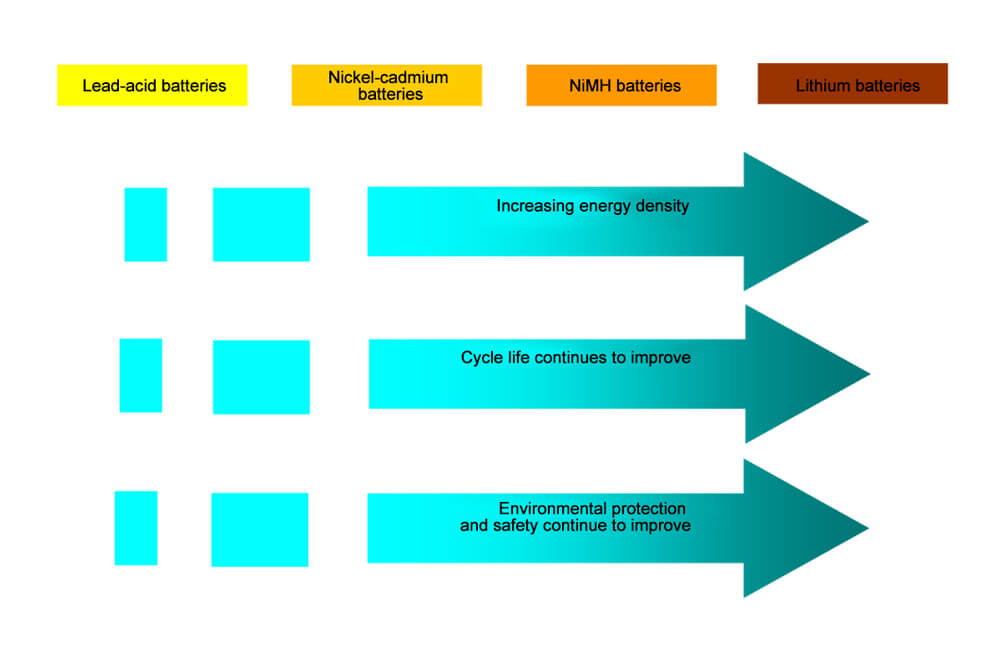
Standing at the current point in time, Attention should not be limited to the application of lithium batteries in consumer electronics and cars, but should see that as lithium batteries are tempered by automobiles and reborn, the application of lithium batteries in other fields should come naturally.
The full circle of lithium batteries
The penetration of lithium batteries outside the fields of consumer electronics and automobiles is no longer just a whim. What we really see is the full circle of lithium batteries:
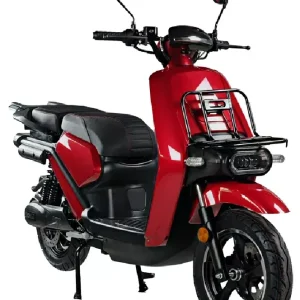
Electric two wheeler
When it comes to two-wheelers, people can’t help but think of the labels of low-end and cheap. But in fact, the number of electric two-wheeled vehicles in China exceeds 300 million units, which is on the same level as cars, and the annual sales of electric two-wheeled vehicles are stable at more than 30 million units. This is a real market of 100 billion.
In the past, electric two-wheelers basically used lead-acid batteries with low performance, heavy weight and serious pollution, which once accounted for as high as 90%. Beginning in May 2018, the Ministry of Industry and Information Technology issued the “New National Standard” and officially implemented it from April 2019. However, at that time, in order to promote the policy in an orderly manner, most local governments gave a transition period ranging from 2 to 5 years for over-standard vehicles.
In the short term, the exchange of over-standard vehicles is the biggest opportunity for lithium batteries in electric two-wheelers. Referring to the technical specifications of the new national standard, about 70% of the electric two-wheelers on the market do not meet the requirements of the new national standard, equivalent to nearly 200 million new car demand, the resulting large replacement demand will reach a peak between 2022 and 2024.
In the medium and long term, as the unit price of lithium batteries decreases year by year, the price difference between lithium batteries and lead-acid batteries gradually narrows, and the cycle life of lithium batteries is basically more than twice that of lead-acid batteries, and the advantages of lithium batteries will be further highlighted. In addition, young consumers now have higher and higher requirements for the battery life and performance of electric two-wheelers. Traditional lead-acid batteries are incompetent, and the final choice is lithium batteries.
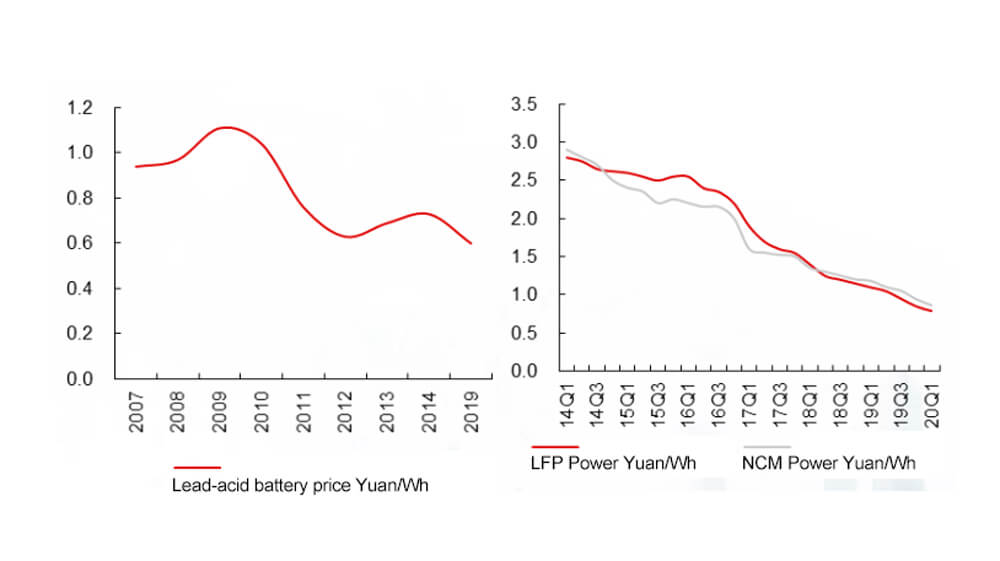
Although the current penetration rate of lithium-ion two-wheelers is only about 23%, which is not high, but in the case of a certain trend of lithium-ionization, this can better explain its considerable room for growth.
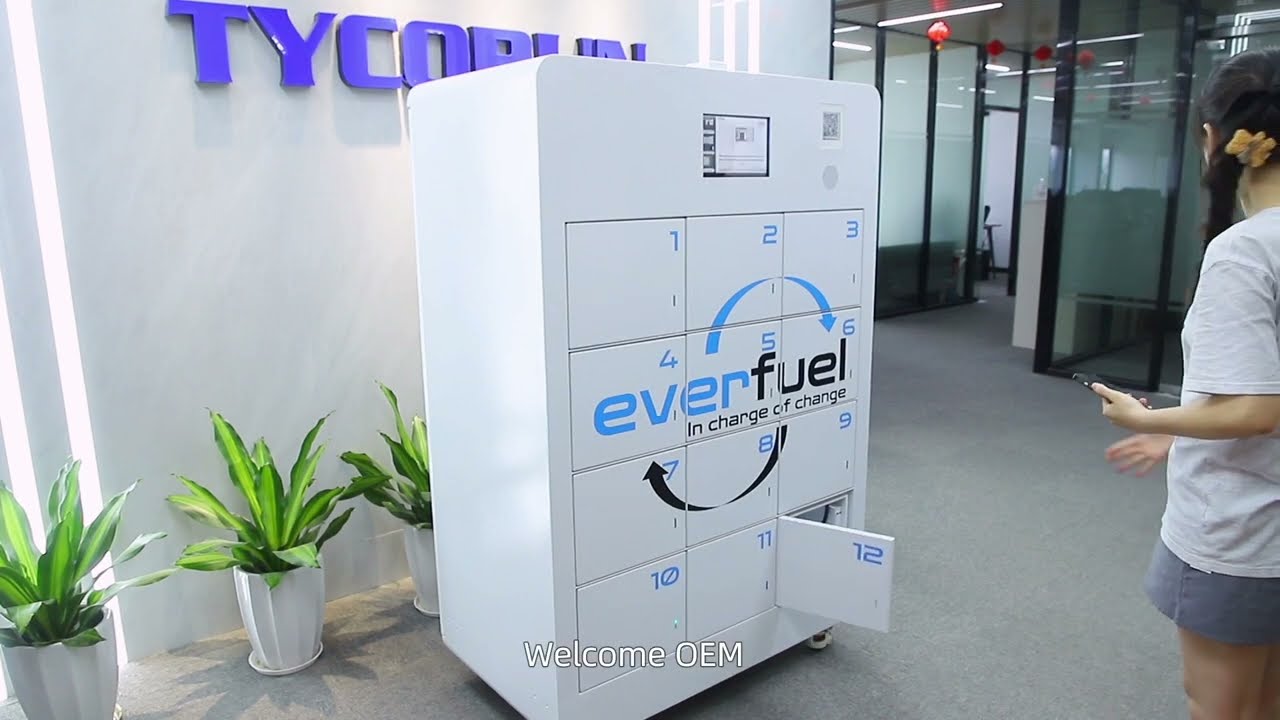
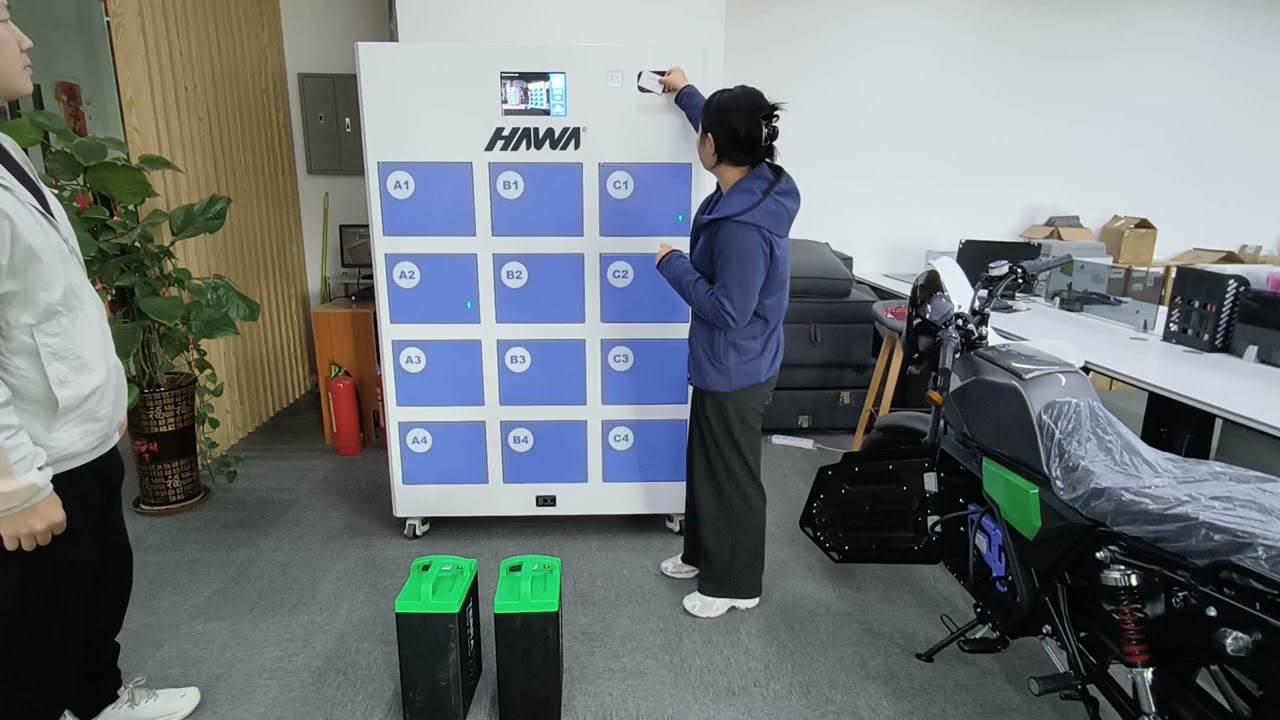
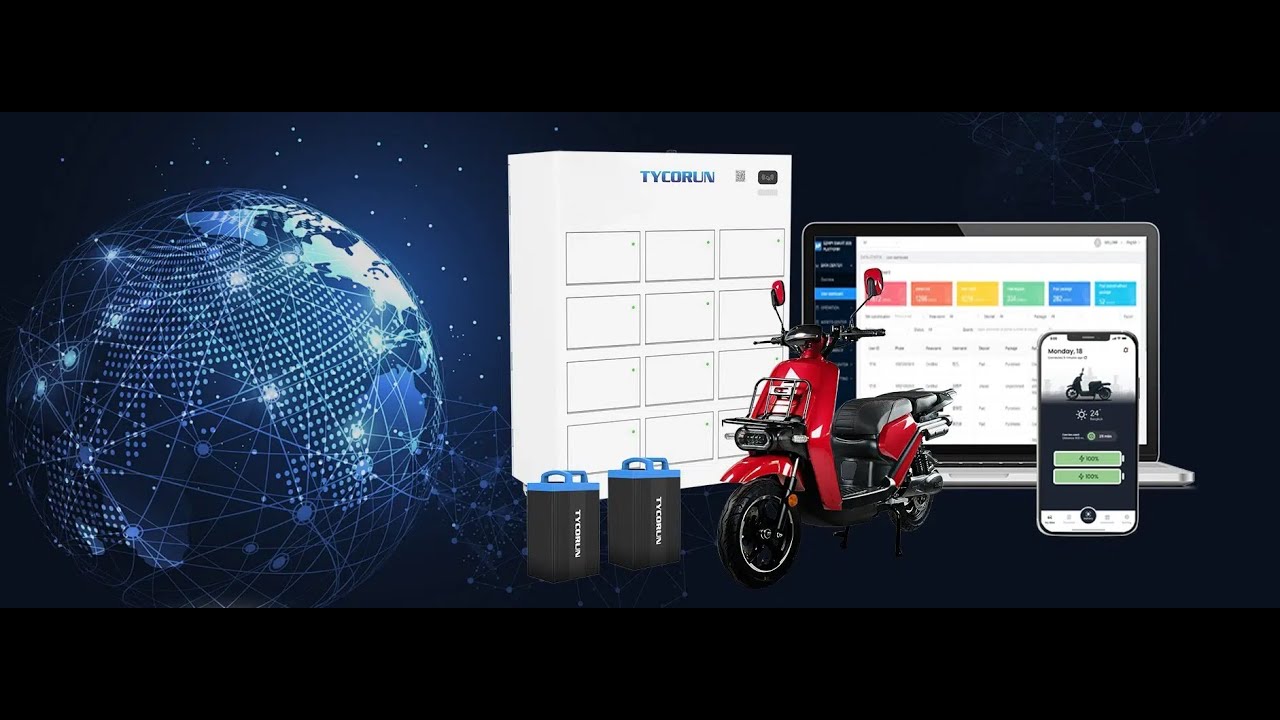
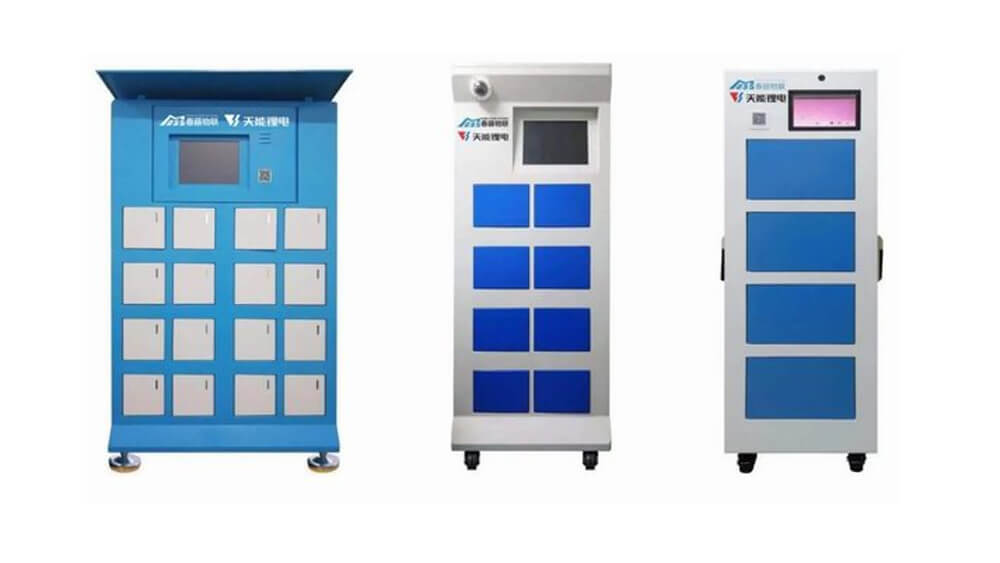
In addition, the vigorous development of express delivery, takeaway, sharing and other industries in recent years has not only brought about an increase in the sales of electric two-wheelers, but also promoted the development of the battery swap model, which has increased the demand for lithium batteries.
Cordless power tools
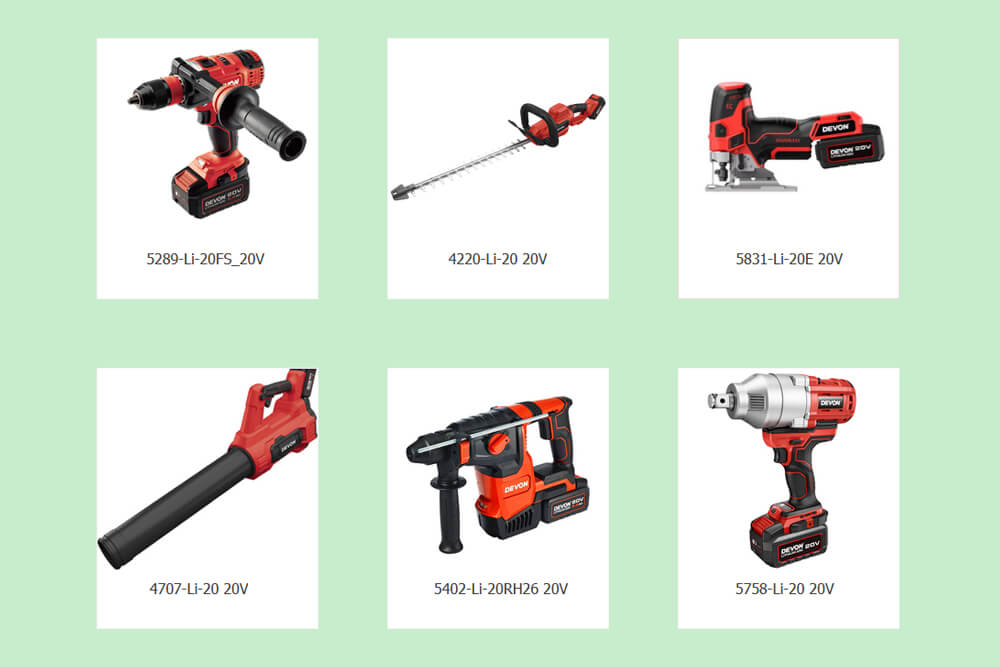
Power tools are an indispensable tool in the whole society. Nowadays, cordless power tools are more and more favored by consumers because of their lightness and portability.
Compared with corded tools, cordless power tools do away with wires and use battery packs for power supply, which has significant safety and convenience advantages, especially in outdoor and high-altitude work scenarios. According to Frost & Sullivan, the penetration rate of cordless power tools has reached 52.3% in 2020.
Under the trend of cordless, major power tool head brands have launched power tool lithium battery platform, equivalent to the same battery can supply power to different types of tools, which will further enhance the convenience and customer stickiness brought by cordless, and is more conducive to the promotion of cordless power tools.
Electricity of traditional tools
On the other hand, the technology of lithium batteries is still breaking through, and traditional tools such as pneumatic, fuel, and hydraulic tools may be gradually replaced by lithium battery power tools.
For example, as the main type of outdoor tools, lawn mowers have a market size of over 100 billion, and their lithium batteries are rapidly being introduced. At present, the lithium electrification rate of household lawn mowers is 30%, and the lithium electrification rate of commercial lawn mowers is only single digits.
Cherfeng Holdings, which just went public in Hong Kong, is one of the beneficiaries of the cordless development of power tools. According to the prospectus, the company’s revenue from lithium battery products has increased from about US$347 million in 2018 to US$827 million in 2020, with a compound annual growth rate of 54.3%.

Electrification of construction machinery
At present, there are about 15 million heavy-duty construction machinery and heavy-duty trucks in China, most of which use high-power diesel engines. It is not well-known that the pollution emissions of one heavy-duty truck are about equal to 100 small cars. The electrification of construction machinery is imminent.
In 2021, the penetration rate of new energy passenger vehicles in China has exceeded 10%, and even exceeded 20% in some months, but the penetration rate of construction machinery and heavy trucks is less than 5%, and the penetration rate is imminent.
Starting from 2020, the government has intensively issued a number of policies to promote the electrification of construction machinery and heavy trucks. According to the data of industry organizations, the power consumption of construction machinery vehicles is relatively large.
The average installed capacity of single-unit lithium batteries is about 5 times that of ordinary new energy vehicles. By 2025, according to the 30% lithium battery penetration rate, the demand for lithium batteries for construction machinery vehicles will exceed 30GWh.
Smart Terminal
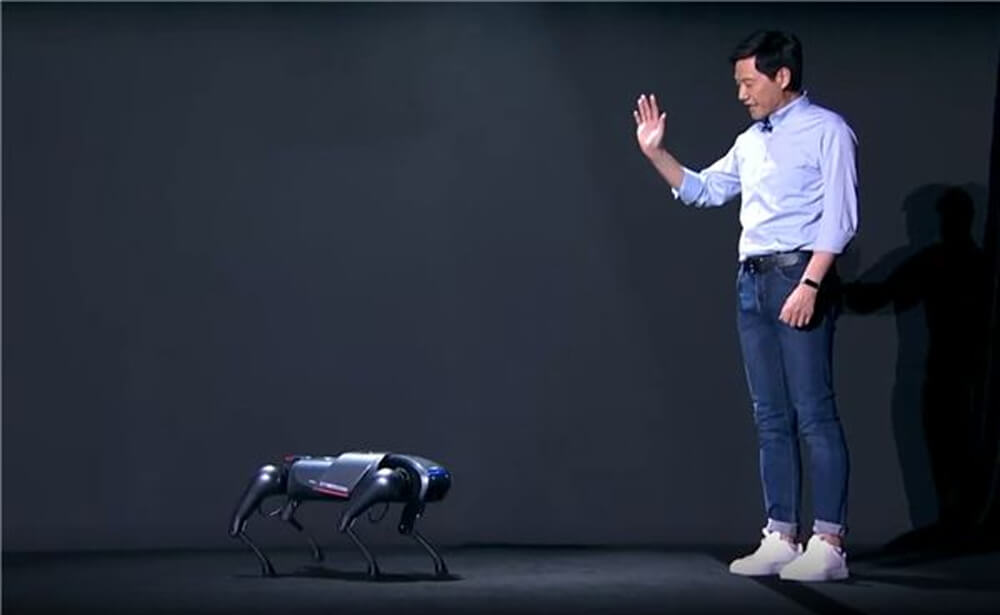
At the Xiaomi 11th anniversary conference last year, Lei Jun brought Xiaomi’s first bionic quadruped robot, CyberDog, which attracted the attention of many technology enthusiasts. Presumably everyone’s focus is on its intelligence.
But another point that cannot be ignored is that IoT smart terminals, including smart robots, will be one of the next growth points for lithium batteries. After all, in the past, many smart terminals have achieved success with the support of lithium batteries.
For example, AGVs (handling robots) in the industrial field and service robots in the catering service industry, according to data, the share of retail sales of sweeping robots in China has increased from 2.4% in 2010 to 26.2% in 2020.
Energy storage
At present, China is building a new power system with renewable energy as the main body, and the importance of energy storage is becoming more and more prominent. At present, the energy storage of the power grid is mainly pumped storage.
Although the technology is mature, the cost is low, and the scale is large, the response time is long, and it is highly dependent on geographic location, making it difficult to meet the future requirements of the new power system.
In contrast, the flexibility and convenience of electrochemical energy storage has always been unmatched by other energy storage methods. Among all electrochemical energy storage, lithium batteries inherently have the advantages of high energy density and high cycle efficiency. In addition, the vigorous development of consumer electronics and new energy vehicles has cultivated a complete lithium battery industry chain, which has reduced the cost of lithium batteries to With the conditions for large-scale development.
On July 23 last year, the National Development and Reform Commission issued the “Guiding Opinions on Accelerating the Promotion of the Development of New Energy Storage”, which for the first time proposed at the national level the target of the installed capacity of new energy storage to reach more than 30 million kilowatts by 2025, and the installed capacity of energy storage in the next five years. will expand 10 times.
In addition to grid energy storage, the related energy storage requirements of 5G base stations are also worthy of attention. According to the operator’s actual measurement, the single-station power consumption of 5G base station is 2.5-3.5 times that of 4G base station, and 5G has high frequency, fast power attenuation, and short transmission distance.
The number of base stations required is three times that of 4G base stations. Since 2020, companies such as China Mobile and China Tower have started bidding for energy storage batteries for base stations. Almost all of the relevant bidding projects currently open are lithium iron phosphate batteries.
The tide of electrification
At this point, the understanding of lithium batteries must be deeper: lithium batteries can not only be used as power batteries for automobiles, but as a standard basic industrial product, with strong ductility.
This means that investment opportunities are not only related to cars. In 2022, we need to look at opportunities related to “new energy +”. And this opportunity can be divided into two parts. On the one hand, China’s lithium battery industry chain ushered in the opportunity to upgrade its value. On the other hand, traditional enterprises accelerated lithium battery technology under the theme of carbon neutrality to cultivate their competitiveness in the next era.
Value upgrading under global industrial changes
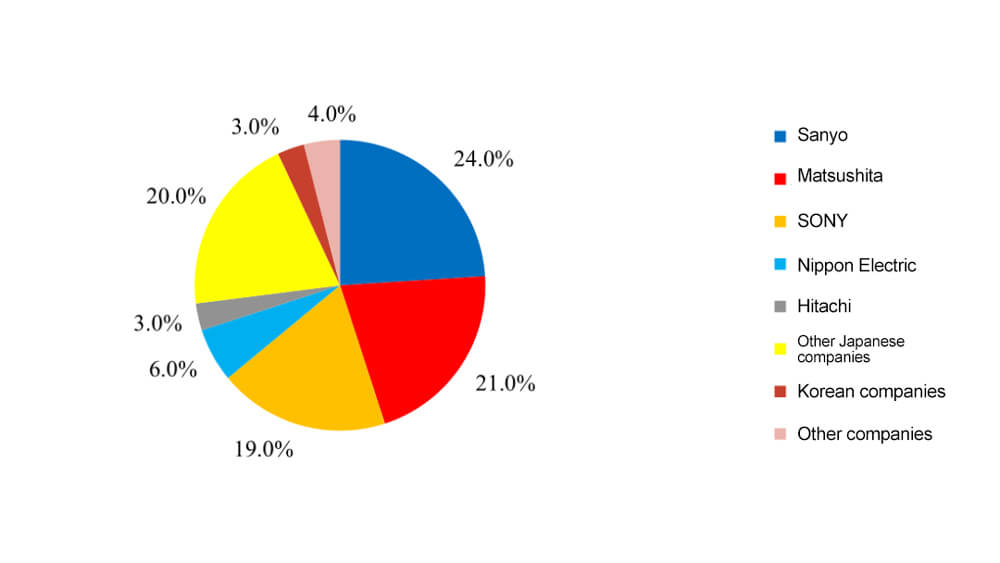
Before 2000, Japanese companies almost monopolized the global lithium-ion battery market by virtue of their patent advantages and first-mover advantages, and also created lithium battery giants such as Sanyo and Panasonic. As can be seen from the data in 2000, Sanyo, Panasonic and Sony accounted for 24%, 21% and 19% of the global market respectively, ranking the top three.
In the following ten years, Korean companies quickly caught up with the globalized supply chain. By around 2008, Korean lithium battery shipments accounted for one-third of the global shipments, breaking Japan’s dominance. Leading companies such as Samsung SDI and LG also appeared.
During this period, China’s lithium battery industry chain was not prominent, but the initial construction had been completed. Enterprises such as Betterray, Dangsheng Technology, Xinzhoubang, Xingyuan Materials, and Enjie Co., Ltd. were all established during this period.
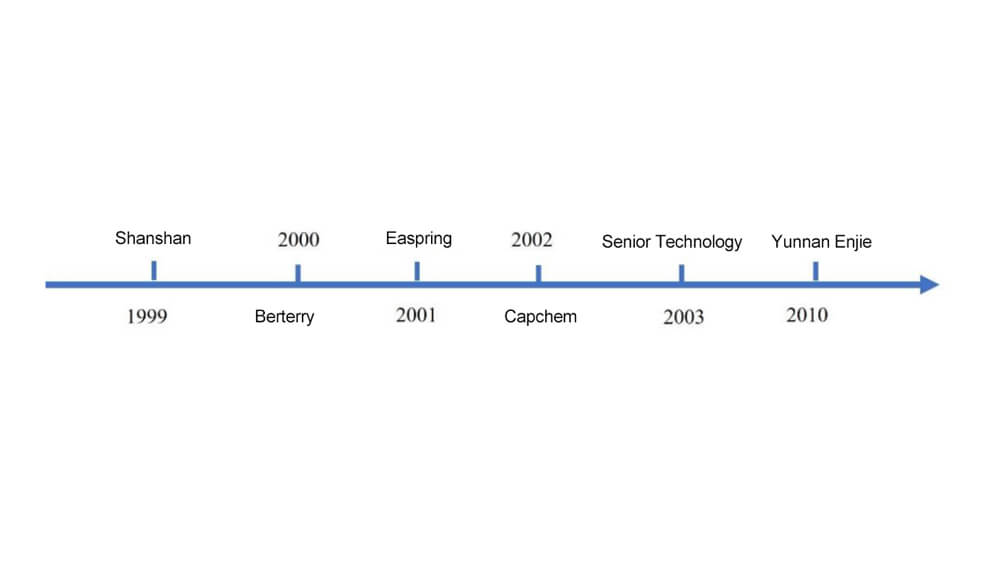
Since 2011, China’s lithium battery industry has begun to enter the open mode. With the step-by-step breakthrough of core technologies, the comprehensive competitiveness of China’s lithium batteries has gradually increased. The global lithium battery industry chain has gradually transitioned from Japan and South Korea to China. Runners have gradually become leaders, and lithium battery giants such as Panasonic and LG have begun to turn their attention to the Chinese supply chain system.
In the evolution of the lithium battery industry, a large number of Chinese companies have emerged from the fierce global competition and developed and grown. Today, there are leading companies such as Ningde Times, Enjie, BYD, and Yiwei Lithium Energy, which are among the world’s first-class companies, followed by many backbones such as Guoxuan Hi-Tech and AVIC Lithium.
Therefore, under the long-term logic of lithium battery fully out of the circle, China’s industrial chain ushered in the historical opportunity of international division of labor value upgrading.
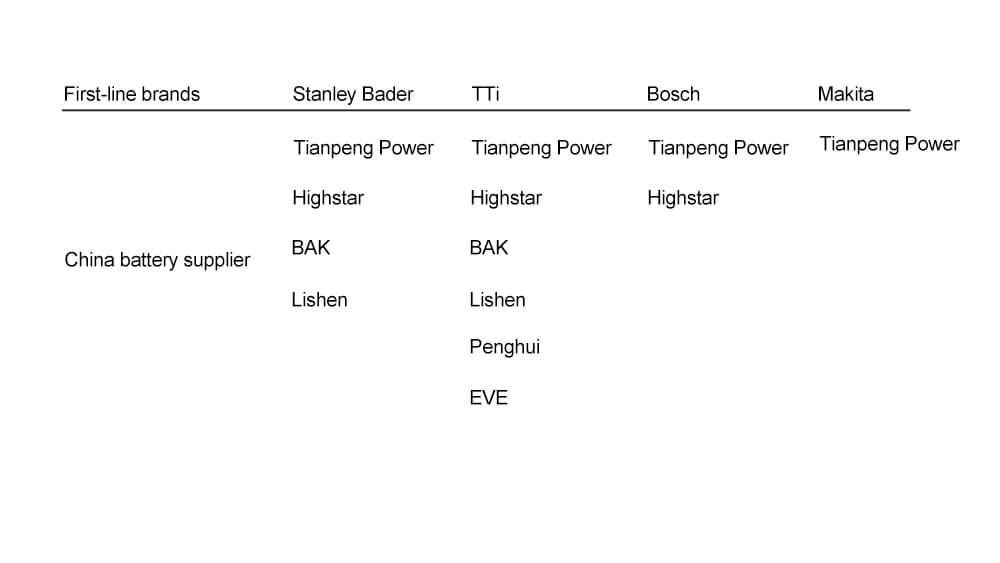
Take the power tool industry mentioned above as an example. The application of cordless power tools is mainly in the European and American markets. Large overseas companies such as Makita, Black & Decker, I&T, Bosch and Baostime occupy the main market share, but they have long used Samsung SDI, Panasonic, LG, Murata and other overseas battery supply. business.
In recent years, with the rise of Chinese battery cell manufacturers, more and more international manufacturers have begun to switch lithium battery cells from Chinese manufacturers. At present, Chinese lithium battery companies such as Yiwei Lithium Energy, Tianpeng Energy, Lishen, and BAK Battery are gradually entering the supply chain of international companies.
Lithium battery industry
The penetration of lithium batteries is bound to have an impact on traditional fields. The production of fuel heavy trucks should be electrified, and the production of lead-acid two-wheelers should be lithium electrified…This is the trend of the “electric drive era”. Just like the transformation of traditional fuel car companies into electrification, lithium electrification is no longer just a car story.
The author has always praised the flexibility of Chinese companies. Although the growth rate is acceptable compared to competitors in other countries, Chinese entrepreneurs who are deeply influenced by Confucianism have always had enough sense of urgency. For example, China’s heavy industry machinery manufacturers are actively participating in electrification transformation, and have successively launched electrified products that meet market demand.
In March 2020, Zhejiang Dingli released 7 family-style modular electric arm series products.
In December 2020, Liugong 856E-MAX electric loader was officially launched.
In November 2021, Zoomlion will launch 16 new energy products in 8 series at its new product launch.
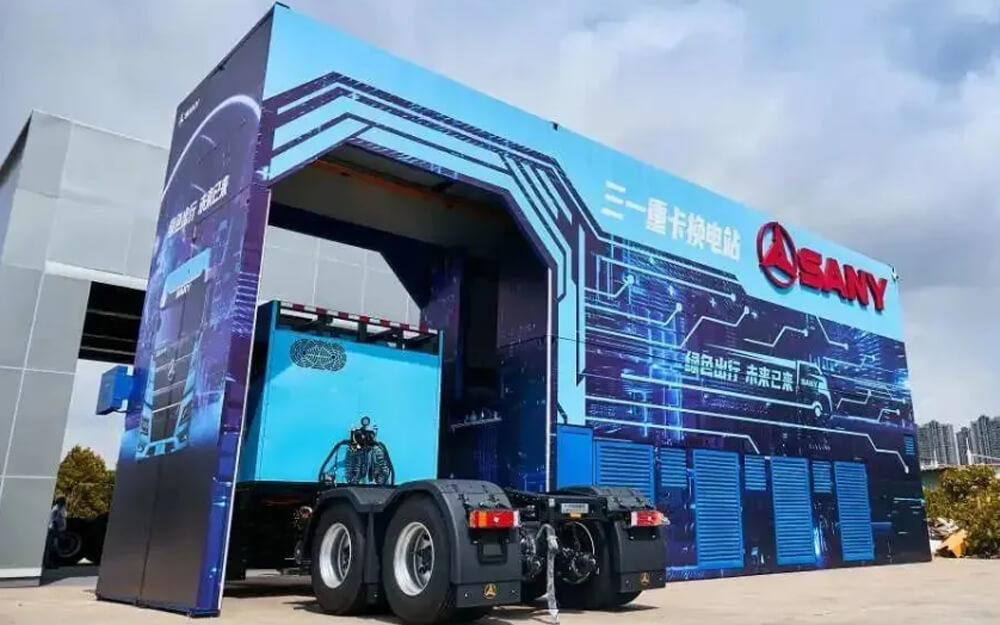
In November 2021, Sany Heavy Industry Smart Swap Station will be unveiled, which will be suitable for heavy trucks, dump trucks, mixer trucks, loaders and other models.
The pioneers in the construction machinery industry have actively explored the path of embracing lithium batteries under the theme of carbon neutrality, or are carrying out a lithium battery revolution, whether mastering lithium battery application technology will be similar to the digitization of manufacturing processes and become another core competitiveness of traditional industrial enterprises is a very worthy question in the future.
The clear conclusion is that Chinese industrial enterprises are already ahead of the world trend in this regard.