Skip to content


Compare the 3.7v battery and aa battery-are they identical
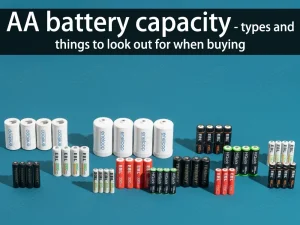
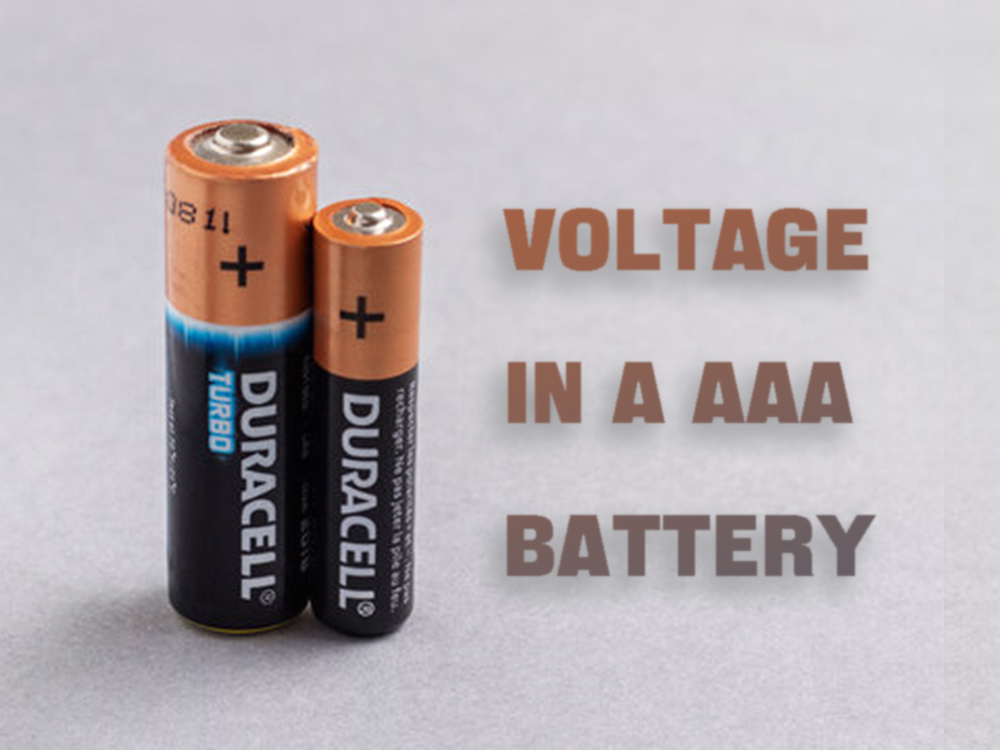
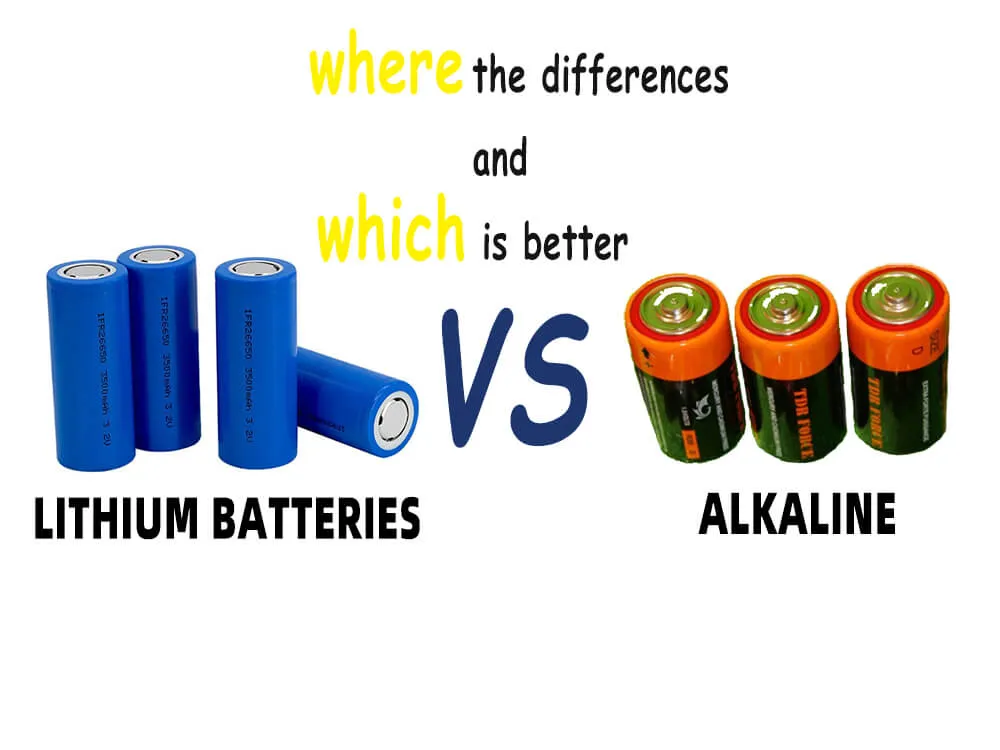
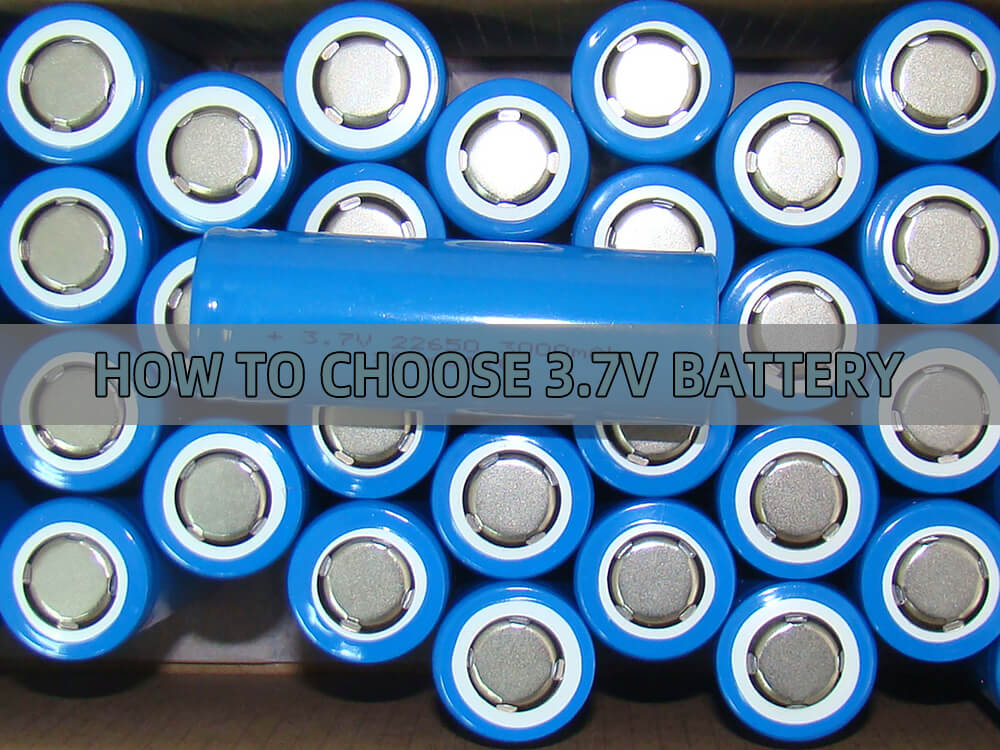
3.7v battery and aa battery are not the same. The 3.7v is a lithium battery, and the aa battery of a lithium battery is 1.5V.The 3.7v battery will have an average voltage of 3.7v major part of its life, and aa will have an average voltage of 1.5v. Size-wise, both may look almost the same.
Lithium 3.7v cylindrical lithium battery and aa battery will have a difference. The 3.7v battery is 2mm longer in diameter to aa batteries.Here is an article to help you choose rechargeable aa batteries.Even though both look somewhat similar, you cannot use the one as a substitute for the other. It means you cannot use a 3.7v battery with a device that requires 1.5v to function.
So, you cannot use a 1.5v battery for a device designed to work with a 3.7v. The voltage difference won’t let the device work. Both batteries have their characteristics, so you cannot use them as a substitute for the other.

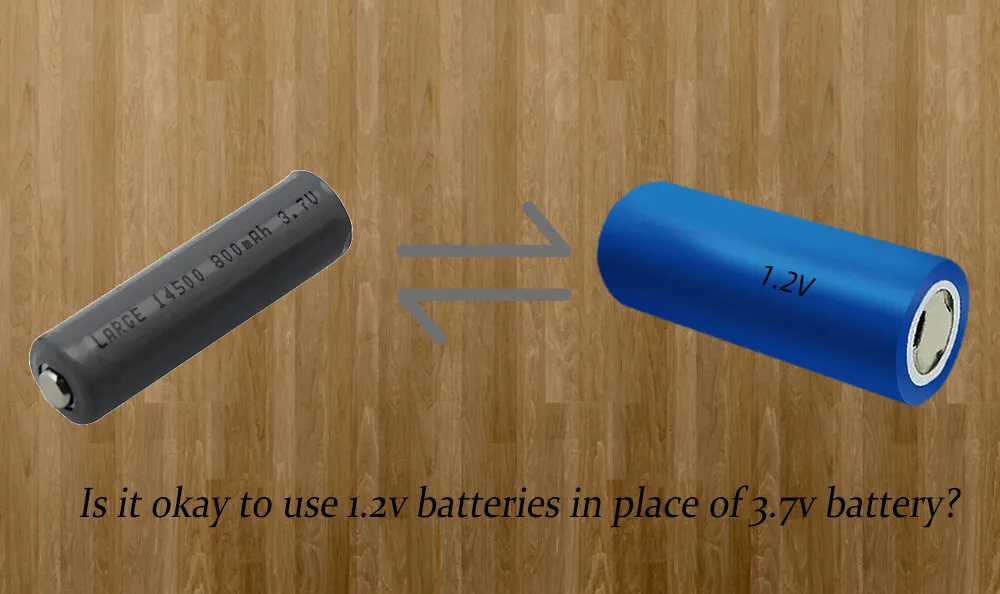
Is it okay to use 1.2v batteries in place of 3.7v battery
The question needs a technical evaluation.It is not just the voltage that matters, but the device’s circuit capacity and Equipment withstand voltage should be considered when trying to use a 1.2v battery rather than a 3.7v battery.Those 3.7v battery will have a hight mAh than that of 1.2v batteries, so they cannot go together.
What is the expected life of a fully charged 3.7v battery
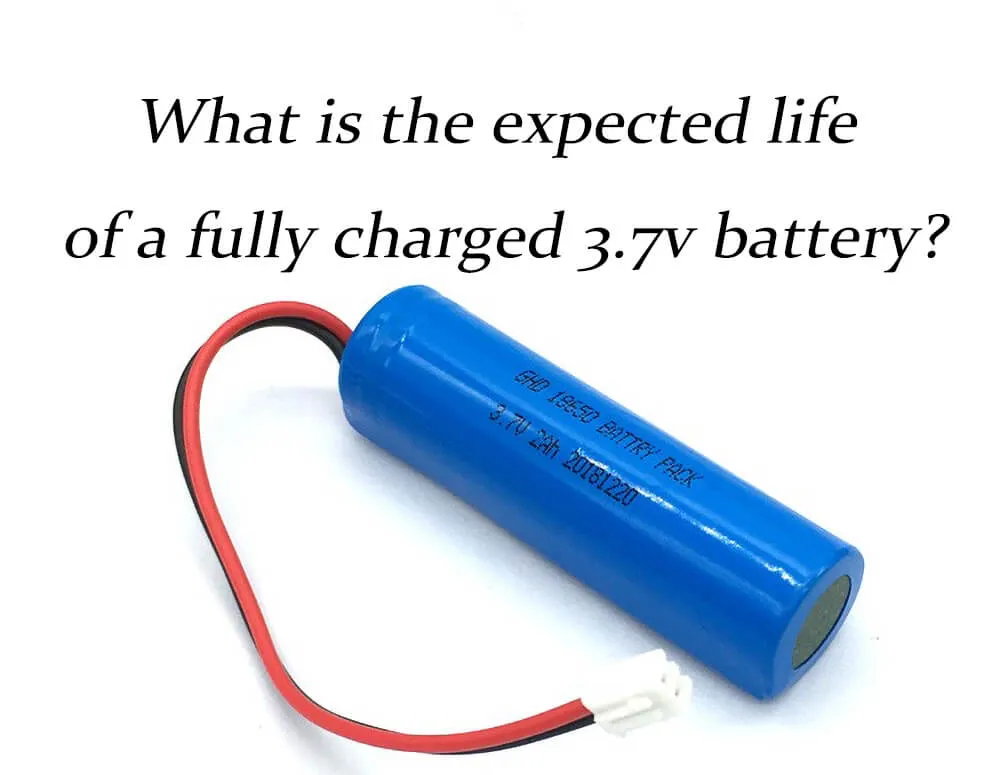
The formula to calculate the life of a battery is time = mAh/load mAh.Suppose your 3.7v battery have 1000mAh, and if you run a 16mA device continuously, then you can calculate the battery’s life by dividing 1000mAh by 16mA. Your answer will be 62.5 hours.
So how long will one 3.7v battery deliver the power depends on the load you may apply on the battery to run the device.Generally speaking, in a high consumption environment 3.7v battery can run 18.5 hours, subject to other parameters, including the ageing condition of the battery.
What are the alternatives for 18650
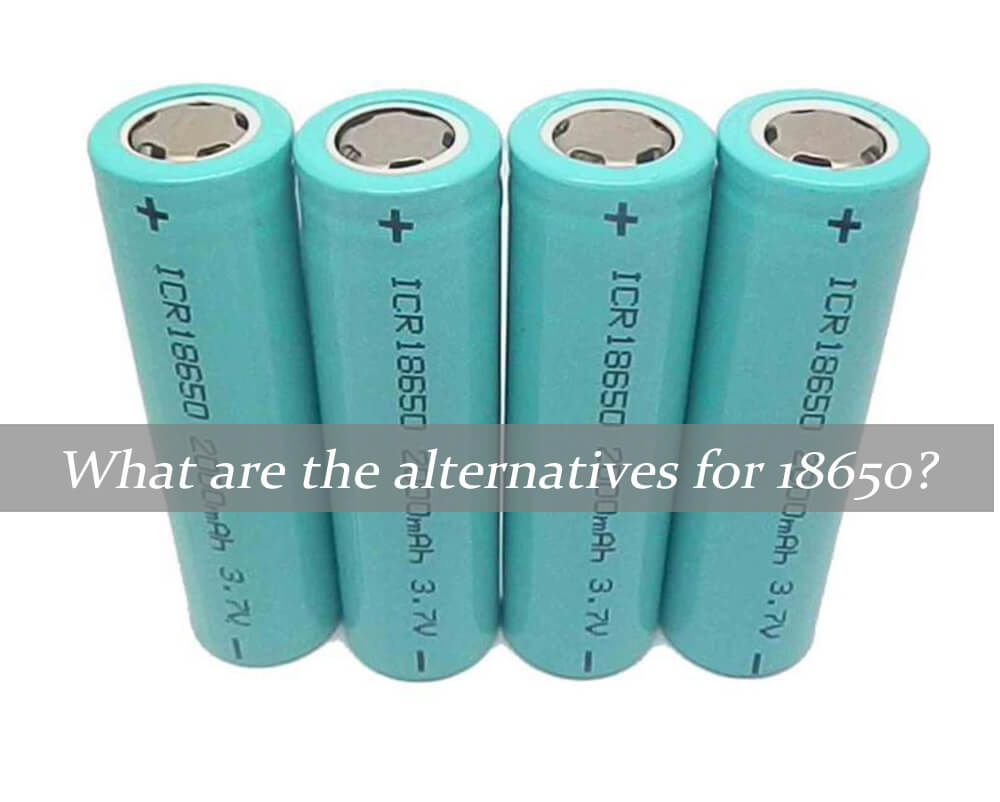
Lithium 18650 batteries are available with 3.6v battery,3.65v battery and 3.7v battery, mAh between 1200 to 3600.We have 20700, 21700, 26650 as a replacement for 18650, provided if the device can accommodate the sizes of the replacement batteries.And 21700 battery vs 18650, What is the difference?
20700 battery vs 18650
The number 20700 denotes the size of the battery.Since it is bigger than 18650 lithium-ion batteries, it can produce more power and runtime. It can work smoothly at low operating temperatures.
Hence it is a choice for electronic equipment and device with power drain.Its main usages are in electric scooters and vehicles. It is also using in re-chargeable battery-operated power tools.
21700 battery vs 18650
These are rechargeable batteries commonly using in flashlights and vaping devices.
From the number 21700, you can identify its size. It is slightly bigger than 18650. 21mm is the diameter, and 70mm is the length of the cell.These batteries are using hybrid and electric cars. Since these are bigger than 18650, they will have increased power and better runtime.
26650 battery vs 18650
This battery is extensively using in vaping and flashlights.
Out of the available lithium batteries, and as a result, consumers can get more power and capacity, resulting in more run time.While comparing to the charging voltage, 22650 and 18650 offer 3.65v to the maximum level.
What makes 18650 batteries a preferred choice
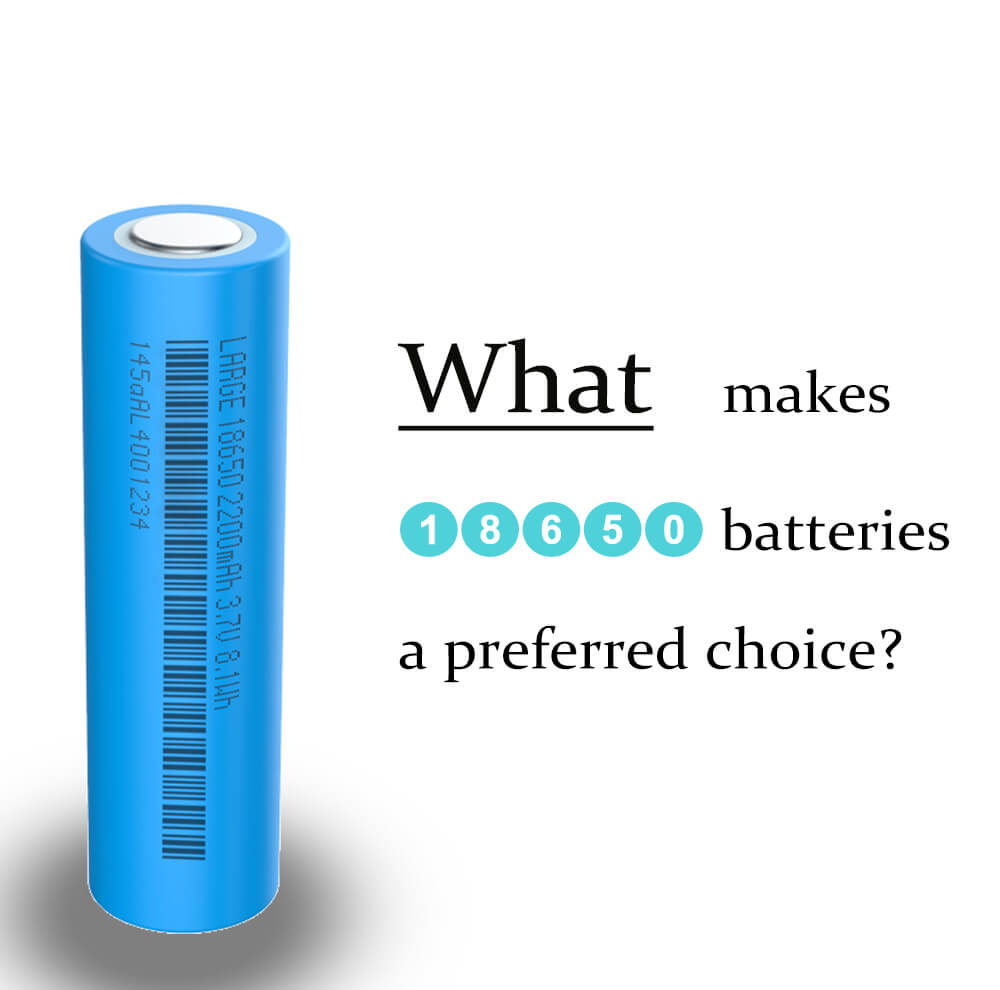
Ever since the invention of the lithium-ion battery by M. Stanley Whittingham in 1970, the battery has become popular without any boundaries.The battery got its nickname 18650 from its size, 18mm in diameter and 65mm in length.
Since it is a high drain battery, it can deliver high current than other batteries.In addition, the 18650 is often used as flashlight batteries,emergency light batteries,alarm system batteries and so on.
These batteries are rechargeable and can have 1500 charging cycles. You can recharge the battery within 5 hours.You don’t have to let it dies before you want to recharge it because it has no memory effect. It is the 3.7v battery that delivers an average of 3.7v for an extended period.
An inbuilt small circuit board manages its protection features, and it protects the battery from overcharging and excess discharge protection.Safety, capacity, voltage, recharge features, protection and affordability, make the battery popular among the public.
Which is the biggest battery among 18650 and aa
The 18650 batteries are bigger than aa in length and diameter. The dimension of the aa battery is 14mm in diameter and 49mm in length.At the same time, the 18650 battery comes with an 18mm diameter and 65mm length.
How worth is a rechargeable battery
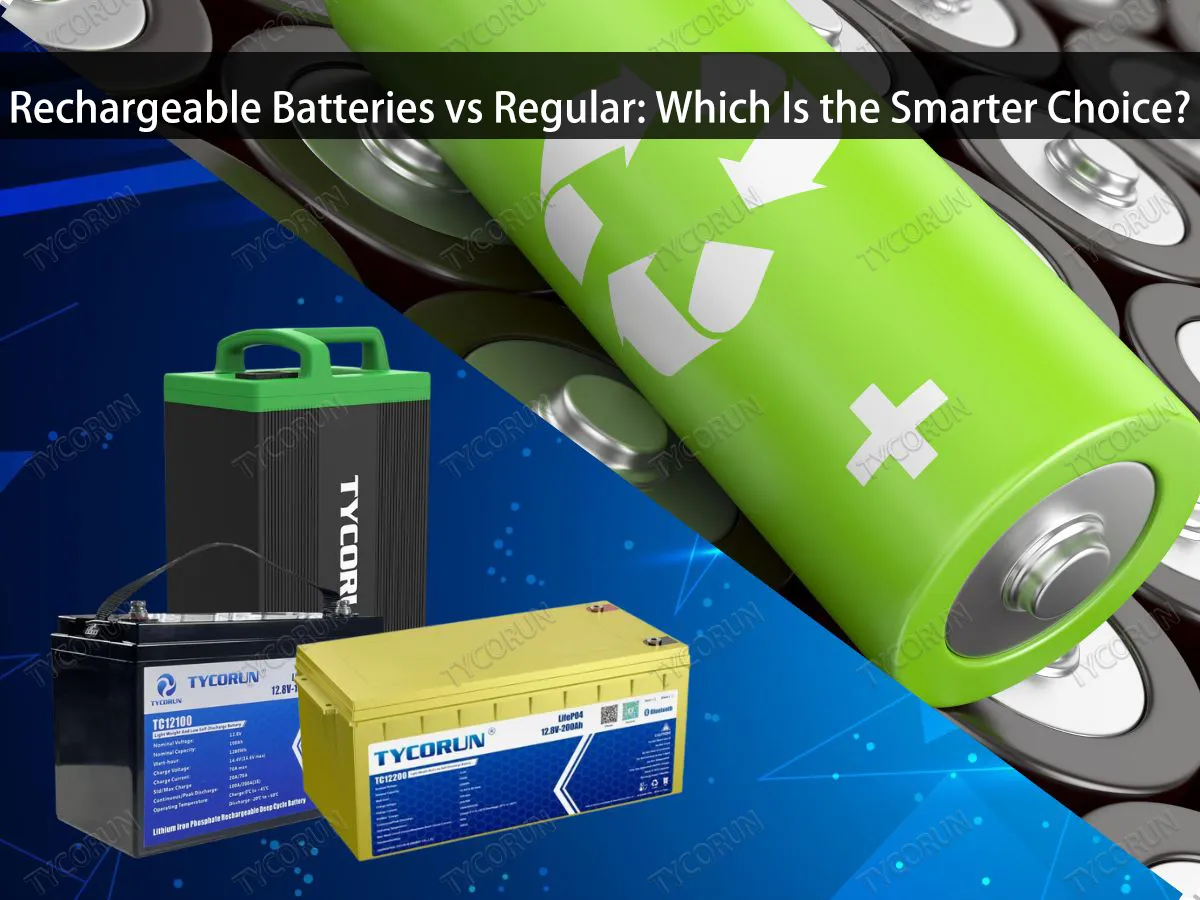
In the long run, rechargeable batteries are economical, and they have a better edge over other types of non-rechargeable batteries.Especially when opting for rechargeable lithium-ion batteries, they are much better performance and dependability.
Re-chargeable lithium batterie’s operating time depends on the load, and deliver the power without any overheating issues.
Re-chargeable lithium batteries are the best option for devices that consume more power and suffer quick energy drain.
One of the18650 lithium re-chargeable batteries,3.7v battery,can deliver an average voltage of 3.7v for about 3 hours before it drops down to 2.75v.They are environment friendly, inexpensive, high performance, extended life, and low product waste.Considering the performance, economical and environmentally friendly features, the rechargeable batteries of 3.7v battery are always better than disposable batteries.