Skip to content
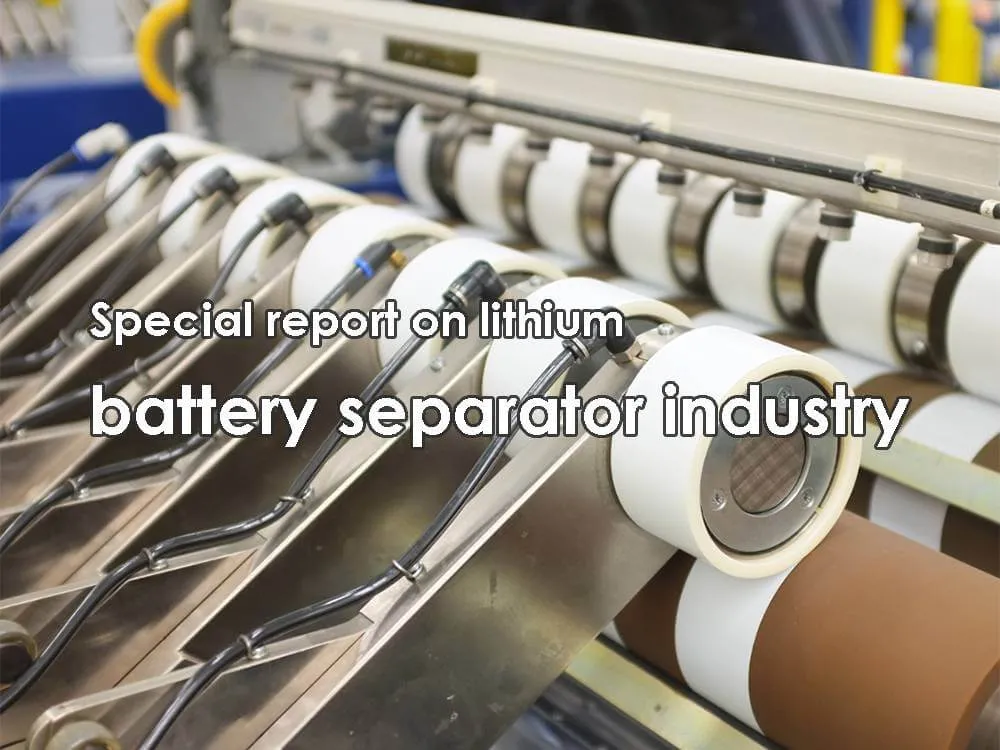


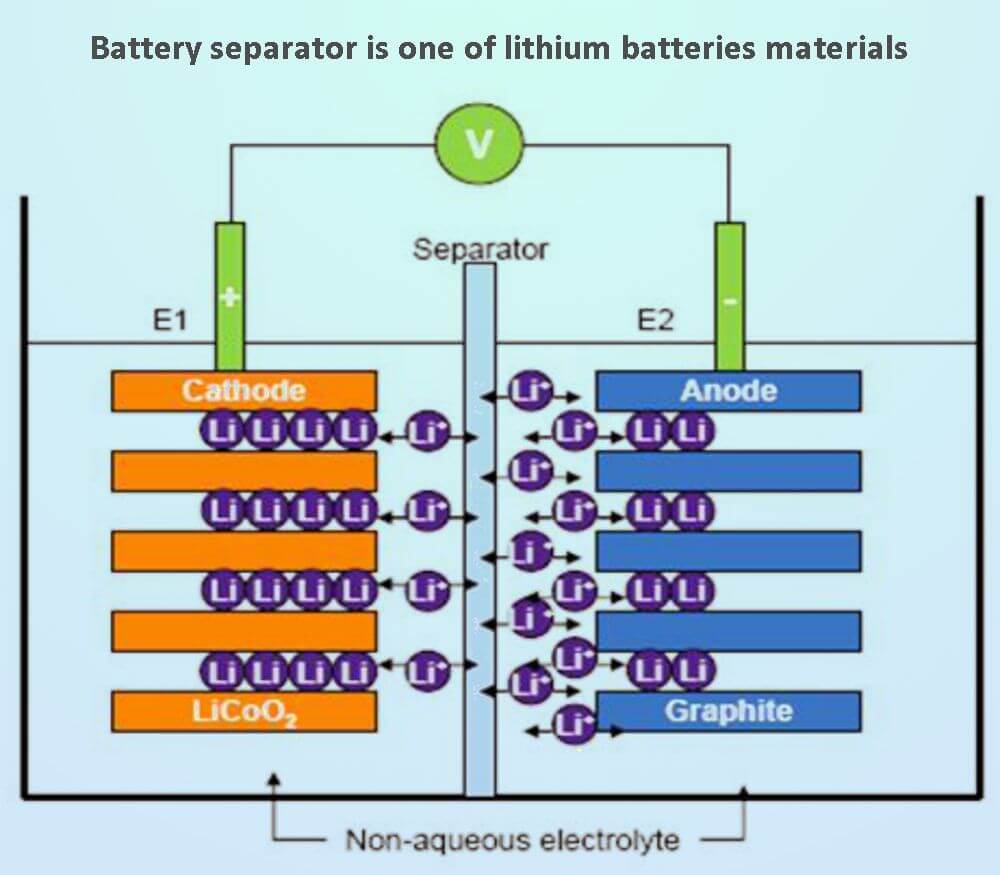
Battery separator is one of lithium batteries materials
Battery separator, cathode material, anode material and electrolyte are the most important lithium-ion battery materials, accounting for about 4% of the total cost of lithium battery materials. The lithium battery separator has a large number of tortuous and through micropores, which can ensure the free passage of electrolyte ions to form a charge-discharge circuit. Its main function is to isolate the cathode and anode and prevent the battery from short-circuiting.
At the same time, it is ensured that lithium ions normally pass through the microporous channel during charging and discharging to ensure the normal operation of the battery. The performance of the battery separator determines the key characteristics of lithium-ion batteries such as internal resistance, capacity, cycle performance, and charge-discharge current density.
At present, commercial lithium battery separators are mainly polyethylene (PE) separators, polypropylene (PP) separators, and PE and PP composite multilayer microporous membranes. PE battery separator has high strength and wide processing range. PP separator has high porosity, air permeability and mechanical properties. Ordinary 3C batteries mainly use single-layer PE separator or single-layer PP battery separator.
Power batteries generally use PE/PP double-layer battery separator, PP/PP double-layer separator or PP/PE/PP triple-layer separator. However, polyolefin separators have very obvious shortcomings, such as insufficient thermal stability and wettability to electrolyte, which makes coating and modification of polyolefin separators become the trend direction.
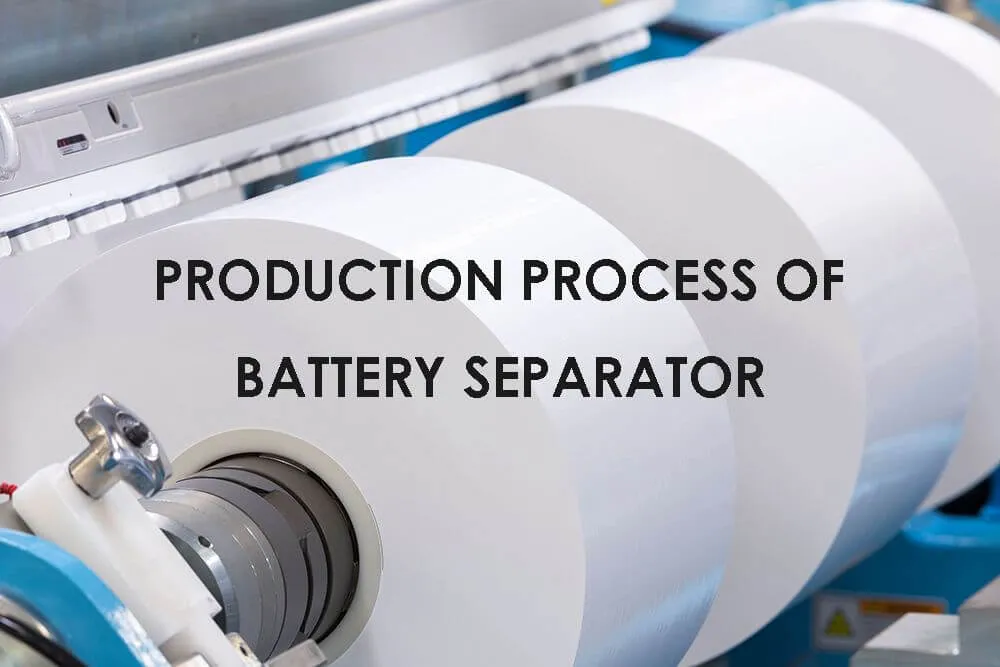
Production process of battery separator
The production process of battery separator is mainly divided into two categories: wet method and dry method. The production process of lithium-ion battery separator includes raw material formulation and rapid formulation adjustment, micropore preparation technology, and independent design of complete sets of equipment. Among them, the microporous preparation technology is the core of the lithium-ion battery separator preparation process, which can be divided into two types: dry stretching and wet stretching according to the type of process.
Dry separators have high safety and low cost, so they are mostly used in large lithium iron phosphate power lithium batteries. The wet-process separator has a higher uniformity of pore size and higher air permeability due to its thinner thickness and higher porosity. Compared with the dry separator, it has certain advantages in mechanical properties, air permeability and physical and chemical properties, so it is more widely used in ternary batteries that pay attention to energy density.
Separator coating is to mix and stir aluminum oxide, binder and deionized water on the original lithium ion battery separator to form a slurry. Microgravure extrusion coating is used to make one layer or two layers of ceramic surfaces on the substrate separator. The ceramic separator adds the mechanical strength of the original film, which makes the battery show excellent performance in terms of high temperature resistance, puncture resistance, and thickness reduction.
At the same time, it will not affect the air permeability and ensure the flow of lithium ions, thereby improving safety. The coating process can not only enhance the thermal stability of the battery separator, improve its mechanical strength, but also prevent the large-area contact between the cathode and anode caused by the shrinkage of the battery separator. It can also improve the puncture resistance of the separator and prevent the short circuit caused by the lithium dendrite piercing the separator under the long-term cycle condition of the battery.
At the same time, the coating process is beneficial to enhance the liquid retention and wettability of the battery separator, thereby prolonging the battery cycle life. Coating materials can be divided into inorganic and organic materials. Inorganic materials mainly include ceramics, and organic materials mainly include PVDF and aramid. Generally speaking, ceramics are relatively cheap and are used more in power batteries, while aramid is more expensive and is mainly used in consumer electronics.
Three characteristics of battery separator industry
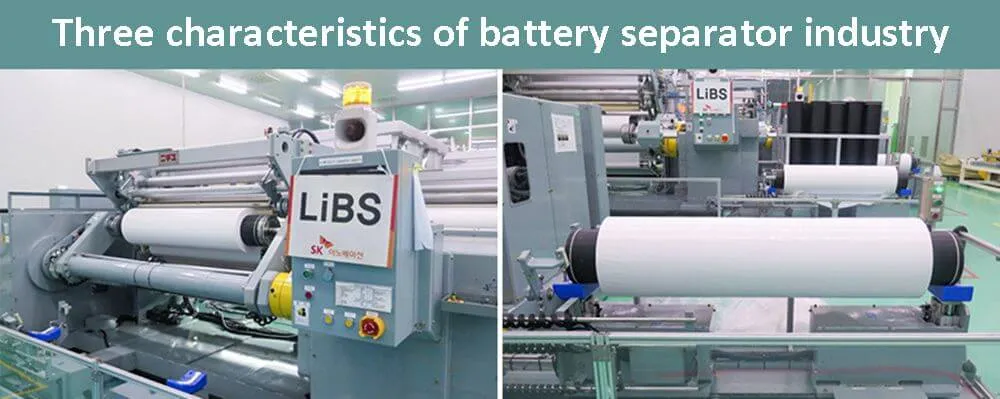
● Heavy assets and high equipment requirements
The lithium battery separator industry is a typical asset-heavy industry, and the proportion of fixed assets ranks first among the four major materials. The equipment investment is large and the payback period is long. In terms of payback period, the payback period of the battery separator industry is longer, slightly higher than that of the cathode industry, which is about 8 years. The production of battery separator has high requirements on the selection of production equipment.
It is necessary to customize equipment production lines according to different production processes. The production is difficult, and different production equipment and processes can directly affect the comprehensive physical and chemical properties of battery separator. At present, China’s localization of dry-process separator production equipment has basically been completed. The lithium battery wet separator production equipment is complex and mainly depends on imports.
Leading battery separator companies maintain close contact with equipment manufacturers, and the production capacity of high-quality equipment suppliers is bound by enterprises. While binding the production capacity of high-quality equipment suppliers, leading companies are also stepping up the localization of equipment in China. At the same time, Chinese manufacturers are also stepping up self-research.
The self-developed wet-process lithium-ion battery separator production line has solved the problems of large investment, high energy consumption, long construction period, and large environmental pollution of biaxially stretched wet-process lithium-ion battery separator production lines. The domestic production rate of wet separator equipment in China will continue to increase in the future, and leading companies will step up the localization of equipment, and the procurement cost of corresponding equipment may be further reduced in the future.
● Many process flows, low yield and high gross profit
The battery separator industry has more complicated processes and more losses. Compared with other materials, there are many links that cause significant loss in the process flow of the battery separator industry, and there are still losses in the process after the production of the master roll. The parent roll needs to be slit according to the product specification, this process will produce a small amount of corners and a certain loss during the coating process of the base film.
The higher manufacturing difficulty leads to a relatively low yield rate and relatively high industry barriers in the battery separator industry. The comprehensive yield of other materials is higher than that of the battery separator industry, so from the perspective of industry barriers, the battery separator industry has relatively high barriers, and the difference in technical level will greatly affect the competitiveness and profit level of enterprises. Yield rate and process threshold factors lead to high gross profit margin in the diaphragm industry.
● The base film is based on quantity, and the coating is based on process and patent
The core of basement membrane competition: winning by quantity. The main costs of the battery separator industry are raw materials, depreciation costs, labor costs, fuel power, etc. Due to the strong homogeneity of the battery separator base film, the cost decreases significantly after scale. Taking raw materials as an example, the main raw materials for base film are PP and PE. When the purchasing volume of battery separator companies is large, the price negotiation ability with upstream bulk commodity manufacturers will be improved.
The coating process is diverse, with processes and patents as the core. The coating of battery separators mostly adopts customized and joint research and development methods, the core of which lies in the formulation and process, and the coating patents are mainly controlled by large companies such as LG.
Demand for battery separators continues to increase
Lithium-ion battery demand is growing at a high rate with carbon neutrality. Lithium-ion battery separators are widely used in new energy vehicles, energy storage power stations, electric bicycles, power tools, digital electronic products and other fields. Lithium-ion batteries can be divided into three main use scenarios in the fields of power batteries, energy storage and consumer electronics. In recent years, the downstream industry of lithium batteries has developed rapidly.

In the field of power batteries, under the background of strong policy support and increasing consumer acceptance, the sales of new energy vehicles continue to rise, driving the rapid growth of the power battery market. In the field of energy storage, new energy power generation has developed rapidly as a clean power generation technology. However, the contradiction between the volatility of new energy and the security of the power grid is prominent.
The development of energy storage has become the key to solving the problem of matching power supply and demand. In the field of consumer electronics, the demand for consumer lithium-ion batteries will remain strong in the future as the market for electronic products in developing countries is driven and the demand for emerging electronic products grows. The rapid development of the downstream market has driven the rapid growth of the entire lithium-ion battery separator industry.
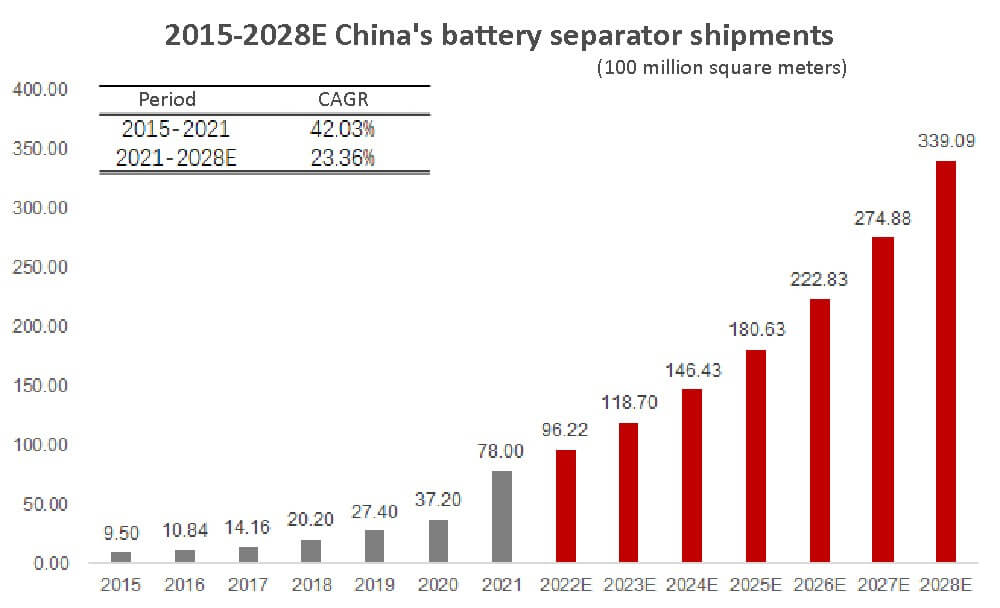
The shipment volume of battery separator has grown significantly, and the market concentration is high. According to statistics, China’s lithium battery separator shipments will be 7.8 billion square meters in 2021, a year-on-year increase of more than 100%. Chinese battery separator manufacturers already have global competitiveness. In 2021, the Chinese battery separator market will be affected by the high growth of global demand for new energy vehicles and the high growth of the energy storage market, and the growth rate of shipments will be obvious.
The supply and demand of battery separator companies are in a tight balance, and the global battery separator supply is dominated by China. On the one hand, in recent years, due to the price war in the battery separator industry, the current industry structure is relatively stable, and the supply and demand of battery separators are in tight balance. According to the current production expansion rhythm, superimposed battery separator equipment manufacturers restrict the release of production capacity. Global battery separators are expected to maintain a tight balance for at least 2-3 years.
On the other hand, global production capacity continues to be concentrated in China, and Chinese production capacity is concentrated in leading companies. From the perspective of the global market competition pattern, in 2021, 73.8% of the battery separator market share will be concentrated in China, and the global battery separator supply will be dominated by China. Chinese battery separator companies continue to enter the international market, and new battery separator companies have great capacity planning
Battery separator technology iteration
The wet method is dominant, and the dry method is expected to stabilize and rebound. According to statistics, the shipment volume of battery separator in 2021 will be 7.8 billion square meters, of which wet separators will account for 74% and dry separators will account for 26%. The market share of wet separators will continue to increase. Dry separators have high safety and low cost, so they are mostly used in lithium iron phosphate batteries.
The rapid increase in the volume of iron-lithium explosive models and the increase in the installed capacity of energy storage batteries has driven the rapid growth of iron-lithium battery shipments, and the dry process separator companies have benefited from this, and the growth rate of shipments has increased.
The dry and wet method will continue to maintain the price difference, and the dry method will evolve towards 10μm and 9μm in the future. From the manufacturer’s point of view, the current dry-process battery separator production equipment has basically been localized in China. However, the wet process battery separator has higher performance requirements and more complex production equipment, which still relies on imports.
The proportion of coated diaphragms is increasing. The battery separator coating can effectively improve the cycle performance and high temperature resistance of the battery separator in lithium batteries, and can produce higher strength separators on the basis of thinner thickness. At present, wet-process separators generally use coating schemes. With the breakthrough of new technologies such as wet-process 4μm and 4.5μm thinner wet-process separators, coating applications are expected to increase due to performance improvement and safety considerations.
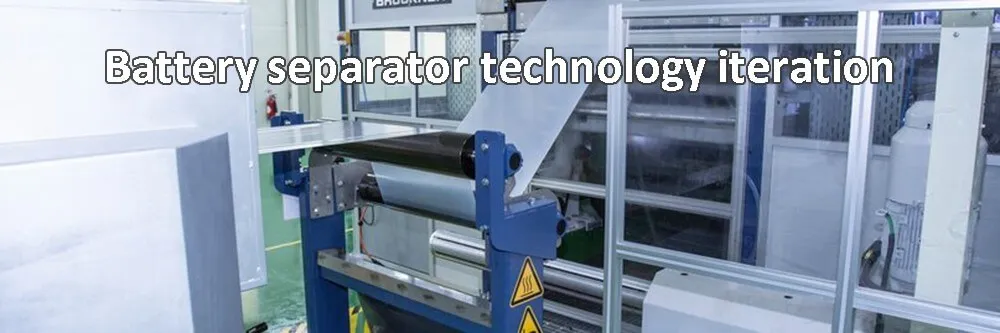
In order to improve the mechanical strength of dry-processed separators, the coating scheme has also been gradually used. With the increase in the application of 12 μm dry-processed single-pull diaphragms, the application of 10-μm dry-processed single-pulled diaphragms has accelerated, and the permeability of dry-coated diaphragms has continued to increase.
At present, the price of wet-processed base separator is relatively stable, and the price of wet-coated battery separator has risen sharply. Because the coating process can effectively improve the quality of the diaphragm products and bring opportunities for customized production for different customer needs, the profitability of coated separator products is generally higher than that of base membrane products.
Inorganic coating has become the mainstream, and the proportion of boehmite is gradually increasing. The improvement of the performance of the battery separator largely depends on the improvement of the coating slurry formulation based on the coating material and the improvement of the coating process. The inorganic coating with boehmite and alumina as the main coating materials is more mature than the organic coating and organic-inorganic hybrid coating technology represented by polyvinylidene fluoride (PVDF) and aramid.
Semi-solid-state battery becomes a new direction for battery separator
Solid-state batteries use solid-state electrolytes to replace battery separators and electrolytes, and the industry still has a long way to go. Compared with liquid batteries, solid-state batteries use solid-state cathode and anode electrode materials and solid-state electrolytes. Solid-state electrolytes have high mechanical strength and can not only be used as battery separators in batteries, but also effectively inhibit the growth of lithium dendrites, so they have high safety. Compared with traditional liquid lithium batteries, solid state battery has the following advantages:
● Eliminate the hidden dangers of liquid electrolyte leakage and corrosion, and have higher thermal stability.
● Stable and wide electrochemical window, which can match high-voltage cathode materials.
● Solid electrolytes are generally single-ion conductors, with fewer side reactions and longer cycle life.
● All-solid-state lithium batteries can be internally connected in series through multi-layer stacking technology to obtain higher output voltage
However, there are still scientific problems in solid-state batteries that have not yet been solved, and the time to realize industrialization in the true sense is not yet clear. Even if industrialization is realized, the establishment of its industrial chain, and the optimization and improvement of processes and costs will require a long-term process.
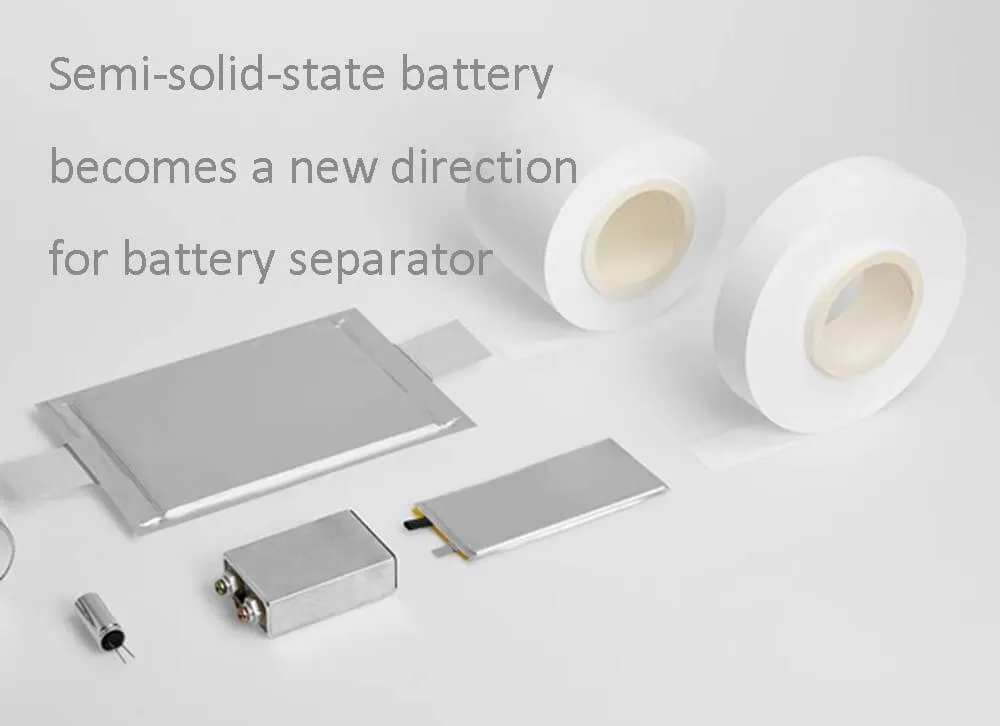
Semi-solid batteries still need battery separators, and downstream progress is relatively fast. Semi-solid battery, also known as solid-liquid hybrid lithium-ion battery, has both liquid electrolyte and solid electrolyte. Therefore, the battery separator is still one of its main materials, and the required amount of the battery separator does not change much, and there is no major change in the base film from the traditional liquid battery.
However, the coating material has changed from conventional inert inorganic materials such as alumina and boehmite to active materials with ionic conductivity, and a new design is required to alleviate and control the formation of lithium dendrites on the lithium metal anode. In addition, the formulation and process of coating need to be developed accordingly, so the semi-solid battery separator has higher added value.