Skip to content


What is a 3.7v 18650 battery?
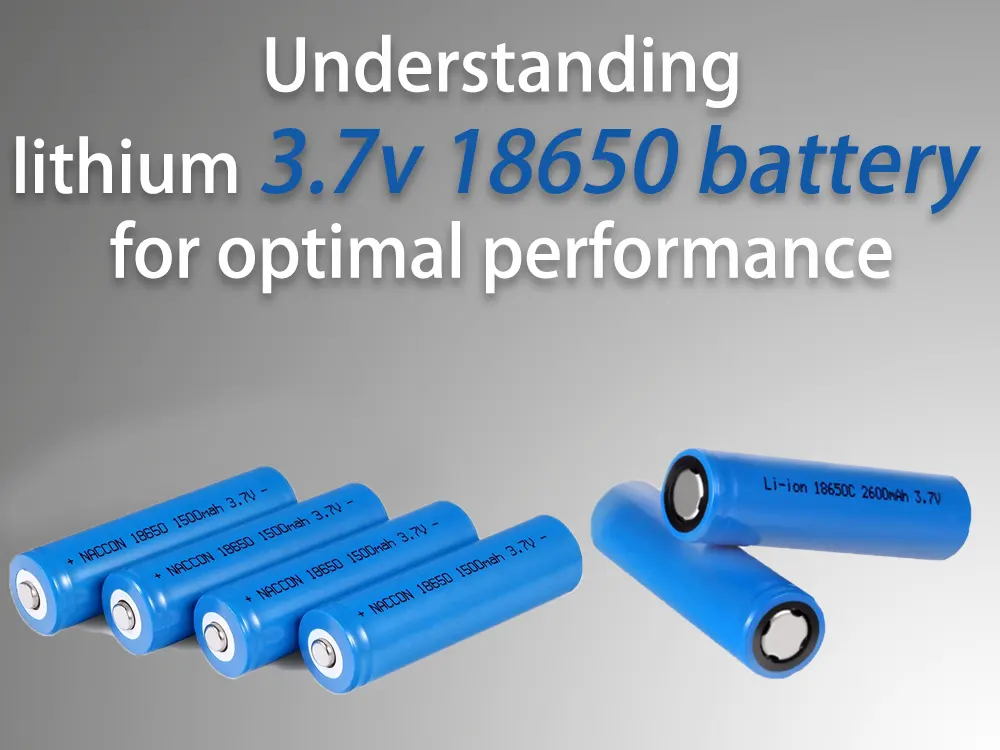
The 3.7v 18650 battery is a type of lithium-ion rechargeable battery that has a nominal voltage of 3.7 volts. The name “18650” comes from battery’s dimensions: it is 18mm in diameter and 65mm in length.
The 18650 batteries are available in different chemistries, and the most popular battery chemistries are lithium-ion phosphate (LiFePo4) and nickel-cobalt-manganese(NMC). And we can always expect a breakthrough in battery technology.
In lithium batteries, the 3.7v 18650 lithium battery is popular due to its high energy density. They can store a lot of energy in a relatively small package. 3.7v 18650 lithium batteries are also known for their long cycle life.
They have a relatively flat discharge curve, meaning the voltage remains fairly consistent throughout the discharge cycle, making them a reliable power source for many different applications.
Do all 18650 batteries have the same voltage?
No, not all 18650 batteries have the same voltage. The “18650” refers to a common cylindrical lithium-ion battery size and shape. While the voltage of most 18650 batteries is around 3.2-3.7 volts, the actual voltage can vary depending on the specific battery chemistry, manufacturer, and other factors. Some 18650 batteries may have a voltage of 3.7 volts, while others may have a voltage of 3.2 volts.
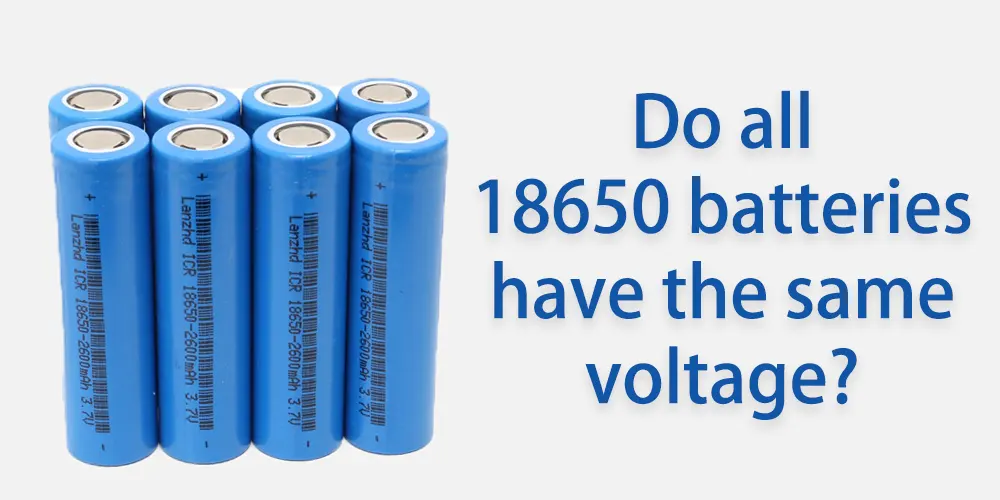
The maximum voltage of a typical 3.7v 18650 lithium battery will be around 4.2 volts when fully charged. This is because the nominal voltage of the battery is 3.7 volts, but the voltage of 3.7v 18650 battery can range from around 2.8 volts (Depends on the threshold: discharge cut-off voltage). When the battery is nearly depleted to 4.2 volts when it is fully charged.
The advantages and disadvantages of the 18650 lithium battery
Advantages:
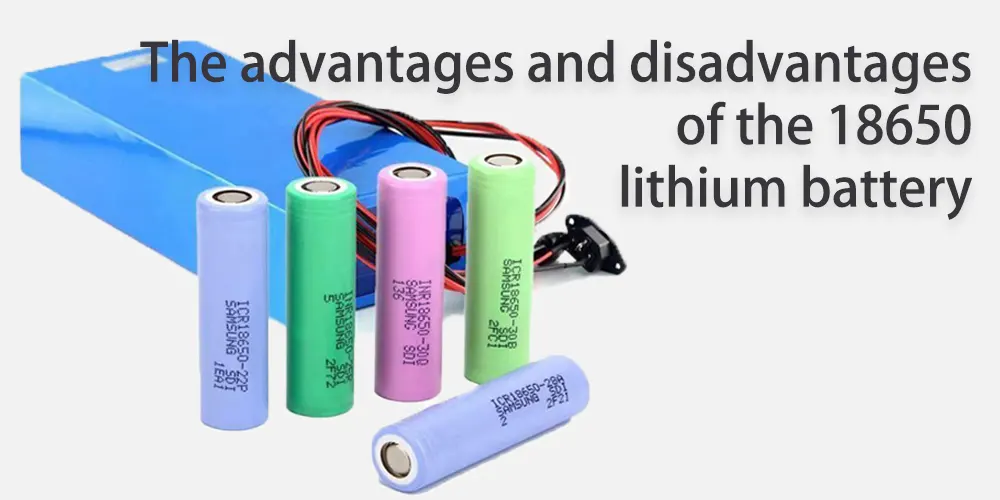
- High energy density: The 18650 lithium-ion battery has a high energy density, which means it can store a lot of energy in a small size.
- Large capacity: the capacity of 18650 lithium battery is generally 2200mAh – 3500mAh
- Rechargeable: It is rechargeable, making it more cost-effective and environmentally friendly.
- Long lifespan: With proper use and maintenance, the 18650 lithium-ion battery can last for several years, making it a durable and reliable power source.
- Low self-discharge rate: Its self-discharge rate is very low, which means when the battery is kept idle, the power self-discharge will be very low.
- High degree of standardization: It is the most common lithium-ion cylindrical battery cell, with a high penetration rate and can be adapted to more power equipment
- High safety performance: The cathode and anode of the 18650 lithium battery are separated, so the possibility of short circuit is minimized. Installing a protection board can prevent the battery from overcharging and over discharging.
- No memory effect: It is not necessary to empty the remaining power before charging, which is convenient to use.
Disadvantages:
- Sensitive to temperature: The 18650 lithium-ion battery is sensitive to high temperatures and can be damaged or even catch fire if exposed to extreme heat.
- High cost: Compared to traditional disposable batteries, the 18650 lithium-ion battery can be more expensive to purchase initially, although the long-term cost is lower due to its rechargeable nature.
- Requires specialized charger: The 18650 lithium-ion battery requires a specialized charger that is designed for lithium-ion batteries, which can be an additional expense.
- The volume of the 18650 lithium battery has been fixed, and it cannot be customized in shape and size like a square battery and a pouch battery.
What voltage should be used to charge a 3.7V 18650 lithium battery?
The voltage used to charge a 3.7V 18650 lithium-ion battery should be around 4.2 volts. This is because the nominal voltage of the battery is 3.7 volts, but the maximum voltage can be as high as 4.2 volts when fully charged.
How do you charge a 3.7v 18650 battery?
To charge a 3.7v 18650 lithium battery, you will need a charger specifically designed for 18650 lithium-ion batteries. Here are the general steps for charging a 3.7v 18650 battery:
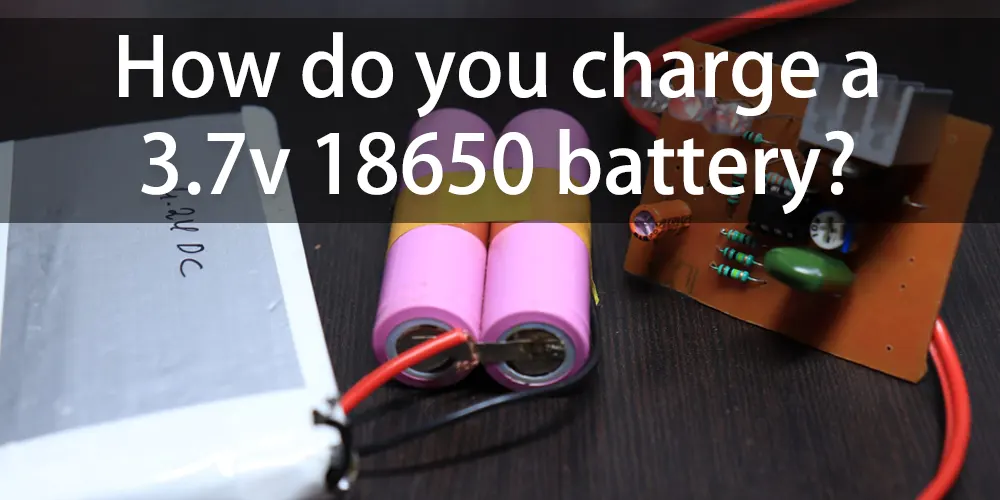
Insert the 18650 battery into the charger according to the lithium ion battery manufacturer instructions. Typically, the positive end of the battery should face up, and the negative end should face down.
Connect the charger to a power source. Make sure that the power source is compatible with the charger and provides the correct voltage.
Turn on the charger and wait for the battery to charge. The charging time will depend on the charger and the capacity of the battery. The charger should automatically stop charging once the battery is fully charged. Then remove battery from the charger and disconnect the charger from the power source.
What is the full charge of a 3.7v 18650 battery?
The full charge of a 3.7v 18650 lithium-ion battery is typically around 4.2 volts. When the battery is fully charged, it should read around 4.2 volts on a multimeter or voltage checker.
3.7v 18650 battery vs 3.2v 18650 battery: which is better?
The choice between a 3.7v 18650 lithium battery and a 3.2v 18650 lithium battery depends on the specific application and requirements. Here are some key differences between the two:
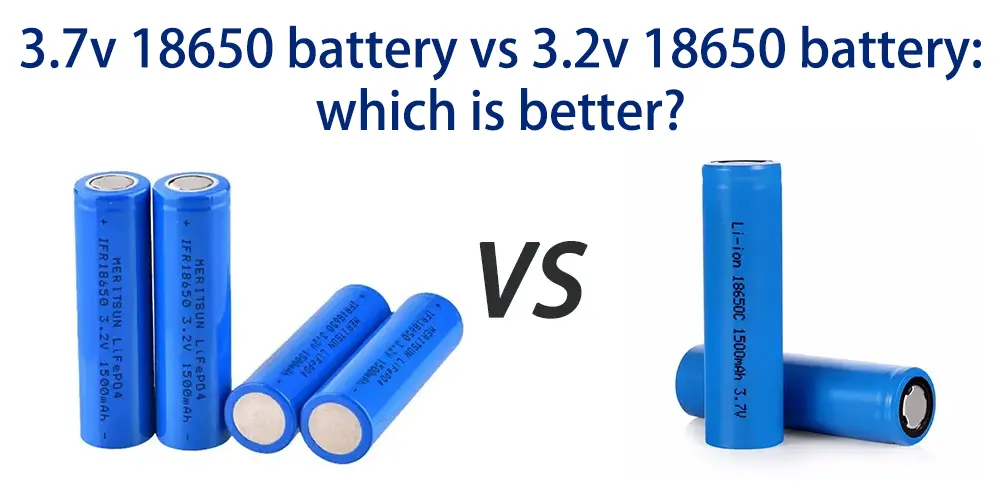
Voltage: One of the main differences between the two batteries is their nominal voltage. The 3.7v 18650 battery has a higher nominal voltage, which means it can provide a higher voltage output and may be suitable for applications that require more power.
Capacity: The capacity of the battery refers to the amount of energy it can store. Typically, 3.7v 18650 batteries have a higher capacity than 3.2v 18650 batteries, because the energy density of 3.7v 18650 battery is higher, which means they can store more energy and provide longer runtimes.
Compatibility: Some devices may be designed to work specifically with a 3.2v 18650 battery or a 3.7v 18650 battery, and it is important to choose the correct battery to ensure compatibility and optimal performance.
Overall, there is no clear winner between the two batteries, as both have their advantages and disadvantages. It is essential to consider the specific requirements of your application and choose the battery that best meets those requirements.
Common 3.7v 18650 battery specification information
Here are some common specifications for a 3.7v 18650 lithium battery:
- Nominal voltage: 3.7 volts
- Nominal capacity: 2600mAh,2900mAh,3000mAh
- Chemistry: NCM
- Charge voltage: Typically, 4.2 volts
- Discharge cut-off voltage: Typically, 2.5 volts
- Size: Approximately 18mm in diameter and 65mm in length.
- Weight: Typically ranges from 45g to 50 g.
- Cycle life: >1000 cycles
It is important to note that the exact specifications of a 3.7v 18650 battery can vary depending on the manufacturer and model. Tycorun Energy is a professional 18650 lithium battery manufacturer and can customize 18650 batteries for any application.
3.7v 18650 battery vs 3.7v square battery: what are the differences?
The main difference between a 3.7v 18650 lithium battery and a 3.7v square battery is their shape and size. The 18650 battery is cylindrical and measures approximately 18mm in diameter and 65mm in length, while the square battery is, as the name suggests, square-shaped and comes in various sizes.
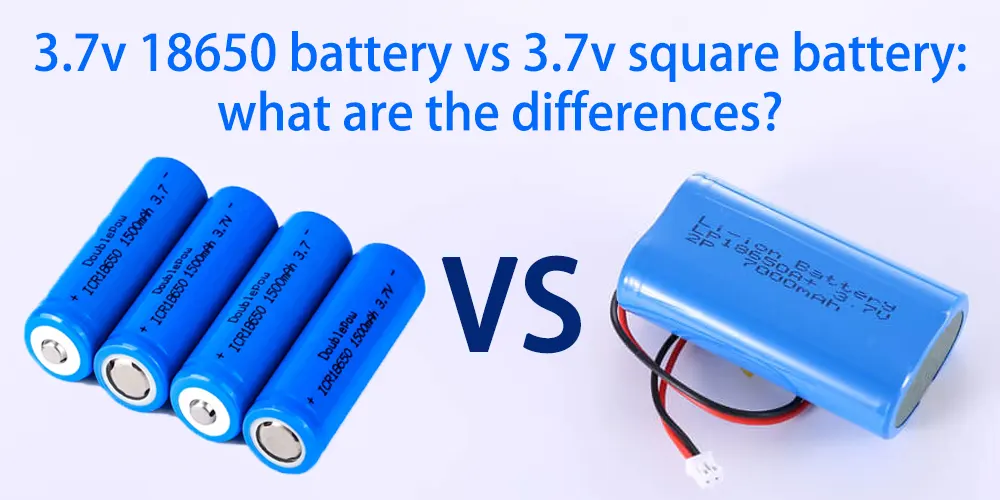
Aside from their physical differences, the 3.7v 18650 battery vs 3.7v square battery may also have different specifications and performance characteristics, such as capacity, charge/discharge rates, cycle life, and operating temperature range. The specific specifications and performance characteristics will depend on the specific model and manufacturer of the batteries.
How long does a 3.7V 18650 battery last?
The amount of time that a 3.7v 18650 battery will last depends on several factors, including its capacity, the discharge rate, and the power requirements of the device it is being used in.
In general, a higher-capacity 18650 battery will last longer than a lower-capacity battery. For example, a 3000mAh 18650 battery will last longer than a 1500mAh battery.
The discharge rate of the battery will also affect how long it will last. If the device requires a lot of power, the battery will discharge more quickly and may not last as long.
Assuming a moderate discharge rate, a 3.7v 18650 battery with capacity of 2500mAh to 3000mAh can typically last several hours to a few days, depending on the usage. However, it is important to note that the exact duration will depend on the specific battery and usage conditions.

It’s also important to use the battery within its recommended operating conditions, as extreme temperatures or over-discharging can shorten the lifespan of the battery and reduce its overall capacity and performance.
What is a 3.7V 18650 lithium battery used for?
3.7v 18650 lithium-ion batteries are commonly used in a wide range of electric devices that require a portable and rechargeable power source. Some common applications include flashlights. portable electronics, electric vehicles, solar power systems, robotics, etc.
At what voltage is a 3.7v 18650 battery dead?
The cutoff voltage for a 3.7v 18650 lithium battery is typically around 2.5 volts. This means that when the battery’s voltage drops below 2.5 volts, it is considered “dead” or fully discharged. If you notice that your device is not holding a charge or is powering off unexpectedly, it may be time to replace the battery.
Can 18650 batteries be charged by a normal charger?
18650 batteries can be charged using a normal battery charger designed for lithium-ion batteries, as long as the charger is compatible with the battery’s specifications. It is important to use a charger that is designed for lithium-ion batteries and to ensure that the charging voltage and current are within the acceptable range for the specific 3.7V 18650 battery.
Charging a lithium-ion battery with the wrong charger or at the wrong voltage or current can be dangerous and can result in damage to the battery or even a fire or explosion.
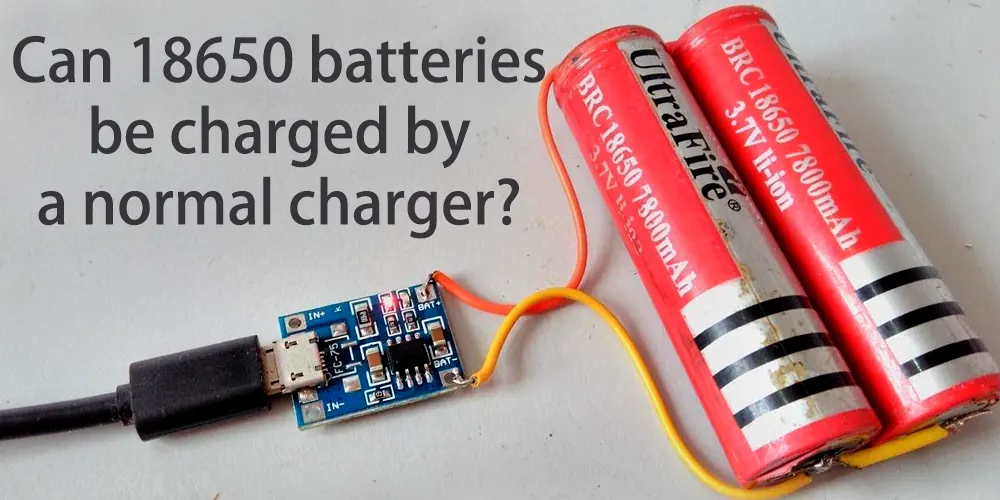
Some 18650 batteries also have built-in protection circuits that prevent overcharging and over discharging, which can provide an additional layer of safety when charging the battery. Therefore, it is ideal to use a lithium charger for a better charging result.
Can I use a 3.7v 18650 battery instead of 4.2v?
A 3.7v 18650 battery is typically a nominal voltage rating, which means it is the average voltage of the battery during use. The actual voltage of a fully charged 18650 battery can be higher than 3.7v, typically around 4.2v.
If your device is designed to be powered by a 4.2v battery, using a 3.7v battery may not provide enough power and may cause the device to function improperly or not at all. Therefore, use a battery that can meet the power requirement of the equipment.
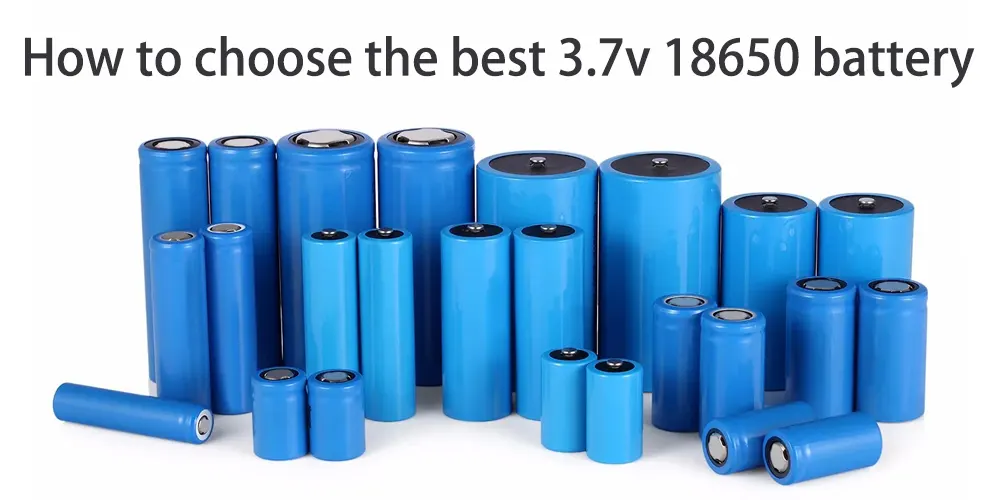
How to choose the best 3.7v 18650 battery
The following factors will help you select the best 3.7v 18650 battery:
Capacity: The capacity of a battery is measured in milliampere-hours (mAh) and indicates how much energy the battery can store. Higher-capacity batteries will last longer between charges, but may also be larger and heavier.
Discharge rate: The discharge rate of a battery indicates how quickly it can deliver power. If you are using the battery in a high-powered device, you may want a battery with a higher discharge rate to ensure optimal performance.
Brand and quality: Choosing a reputable brand and high-quality battery can ensure safe and reliable performance.
Price: The cost of a battery can vary depending on the brand and quality. While it may be tempting to choose the cheapest option, investing in a higher-quality battery can save you money in the long run by providing longer-lasting and more reliable performance.
Conclusion
In conclusion, the 3.7v 18650 lithium battery is a popular and versatile power source used in a wide range of electric devices. It offers high energy density, a long lifespan, and rechargeable capabilities, making it a cost-effective and environmentally-friendly option. When choosing a 3.7V 18650 battery, it is important to consider factors such as capacity, discharge rate, brand and quality, price, and protection circuits, to ensure safe and optimal performance in your device.