All solid state sodium ion battery
All-solid-state sodium batteries (ASSBs) have broad application prospects due to their abundant sodium resources and extremely high energy density. All-solid-state sodium batteries have attracted extensive attention due to their good safety, non-flammability, good thermal stability, and low price, and have great potential for large-scale energy storage systems.
However, realizing the practical application of ASSBs still faces great challenges, such as the lack of a variety of solid-state electrolytes (SEs), the low ionic conductivity, high charge transfer resistance, interfacial problems of SEs, and Na dendrite growth in ASSBs, the application of metallic Na can improve the energy density, and the solid electrolyte can also suppress dendrite growth.
The development of electrolytes has always been the most important factor restricting the development of all-solid-state batteries. High-performance SEs working at room temperature should have high chemical stability, high ionic conductivity, good mechanical properties, interfacial compatibility, etc. There are three types of solid electrolytes, including solid polymer electrolytes (SPEs), inorganic solid electrolytes (ISEs), and their composites.
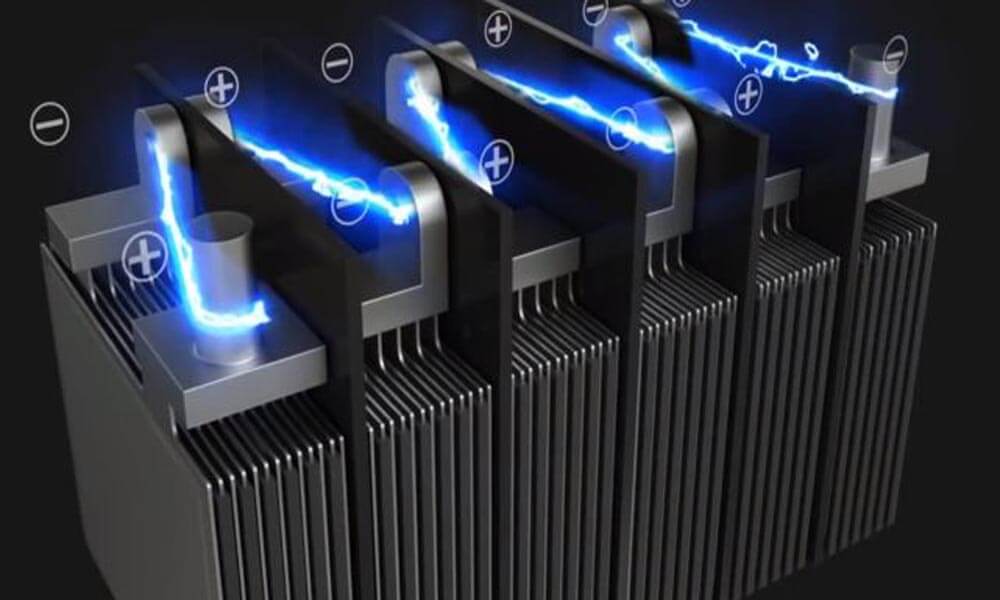
The most widely studied are oxides, sulfides and borohydrides. The cathode/electrolyte and anode/electrolyte interfaces of ASSBs suffer from insufficient interfacial contact due to mechanically rigid contacts. In addition, the formation of Na dendrites needs to be addressed in ASSBs.
No rare metals are used
The popularity of the new energy vehicle market has led to a rapid increase in the demand for power batteries. As the key raw materials of power batteries, nickel, manganese, cobalt, lithium and other resources are naturally highly sought after, and the prices are also rising.
Especially for China, driven by the strong demand for new energy vehicles, the price of raw materials for power batteries has risen rapidly, especially battery-grade lithium carbonate. Its price at the beginning of 2021 was only 50,000 yuan/ton, and by December 2021, it had risen to 270,000 yuan/ton.
In 2022, as of now, the average price of battery-grade lithium carbonate has reached 460,000 yuan / ton, an increase of more than 9 times, and this is less than two months away from breaking through 300,000 yuan / ton on New Year’s Day in 2022.
In addition, the prices of battery-grade cobalt and nickel sulfate have also risen to varying degrees. According to data, from January 2020 to January 2022, the prices of battery-grade cobalt and nickel sulfate rose by 119% and 55%, respectively.
The price of rare metal battery materials has soared, driving the battery to become more and more expensive, the product profits of new energy vehicle companies have been greatly reduced, and the subsidies for new energy vehicles have declined.
In the end, new energy car companies still embarked on the road of price increases, and the direct consequence of price increases is that civilians pay the bill.
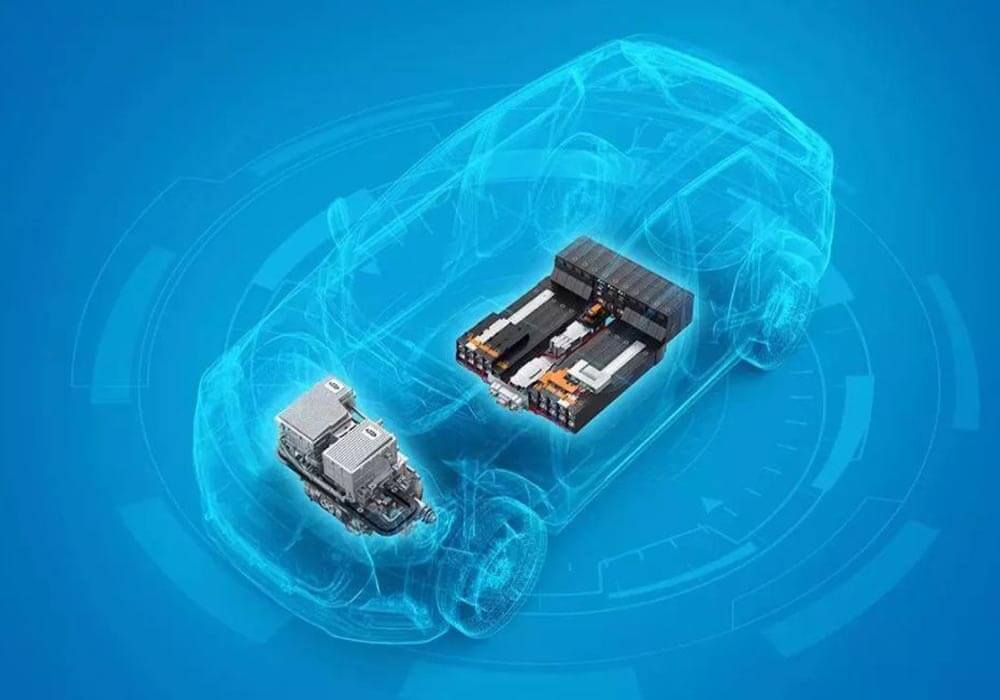
Sodium ion battery
Research on sodium-ion batteries can be traced back to at least the 1970s, starting almost at the same time as research on lithium-ion batteries. In recent years, with the shortage of lithium resources, sodium-ion batteries have re-entered people’s field of vision.
From the perspective of application prospects, sodium-ion batteries have broad prospects for development. Compared with lithium batteries, sodium-ion batteries have the advantages of abundant raw material resources, low cost, environmental friendliness, good performance at high and low temperature, and high safety.
On the resource side, the underground reserves of sodium ranks sixth, and it is widely distributed. There is sodium in salt lakes and seas. The development of sodium-ion batteries can effectively reduce the dependence on the import of lithium resources.
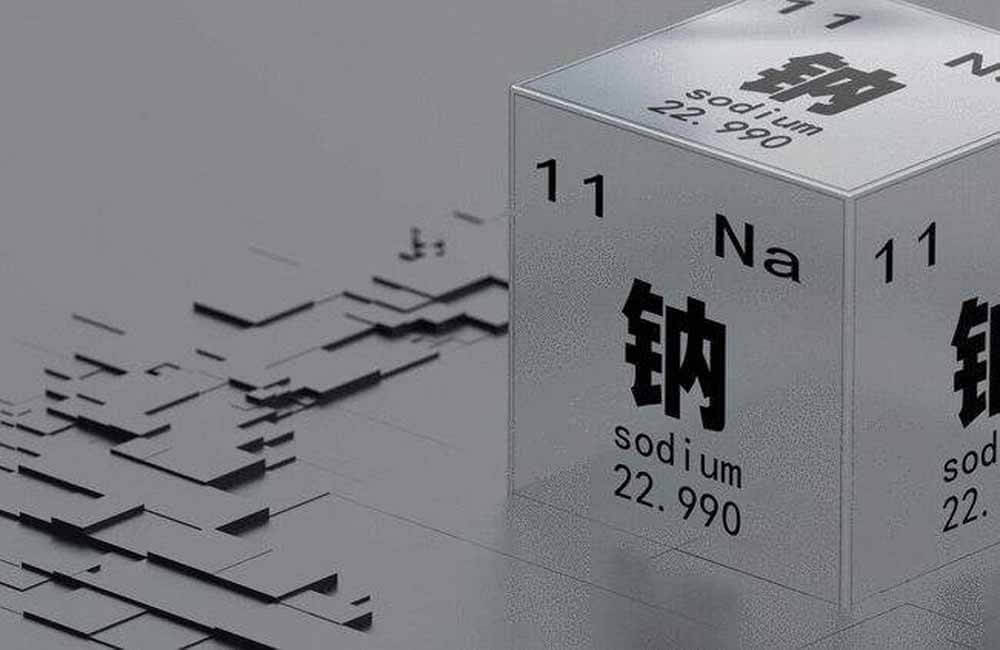
All solid state electrolyte
In 1980, American scientist John Goodenough, the father of lithium battery, proposed the concept of solid-state battery, which is considered to be the ultimate form of battery.
Compared with liquid electrolytes, solid electrolytes have many advantages.
First of all, the safety of the battery has been greatly improved, because the solid electrolyte has high mechanical strength, and will not form leakage, and will not be affected by the puncture of lithium dendrites to short-circuit the battery, which greatly improves the safety of the battery.
On the premise of improving safety, you can try to use positive and negative electrodes with greater energy. For example, the negative electrode material can directly use metal lithium, thereby improving the energy density of the entire cell.
In addition, solid-state batteries do not require electrolytes and separators, which greatly simplifies the battery structure and promotes the lightweight of batteries, which is the future direction of lithium batteries.
Advantages of all solid state sodium ion batteries without the use of rare metals
High security
The battery material consists entirely of inorganic oxides, so there is no need to worry about fires or toxic substances during use and manufacture.
Excellent battery performance
• Using the softening fluidity of glass, the positive and negative electrodes are combined with the solid electrolyte to improve the ionic conductivity.
• The solid electrolyte has good cycle characteristics.
• The structure is simple, and high-energy-density batteries can be fabricated by developing high-potential active materials.
Abundant resources
Using the resource-abundant sodium, there is no need to worry about supply compared to lithium and cobalt.
Nippon Electric Glass was founded in 1949 and is famous for its special glass products.
In 2017, Nippon Electric Glass began research on all-solid-state sodium-ion secondary batteries. The trial-produced positive electrode uses an all-solid-state sodium-ion battery with crystallized glass, which successfully operates at room temperature and is planned to be put into practical use before 2025.
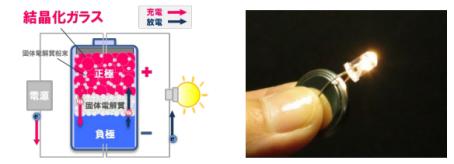
In 2018, Nippon Electric Glass Joint Institute of Industrial Technology, Nagaoka University of Technology and others jointly developed sodium-ion secondary batteries.
From a coin-type battery to a palm-sized laminate battery. The cycle life is 500 times, and the capacity retention rate is 88%. Reaching the usage level of consumer products, Nippon Electric Glass said: “The plan for mass production of batteries used in electric vehicles in 2025 is progressing well.”
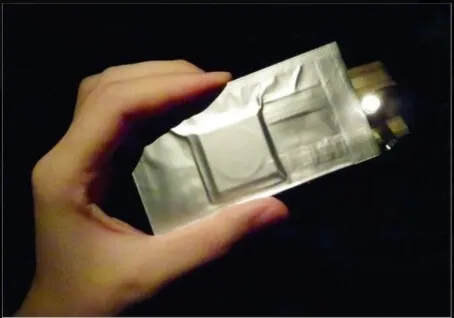
In 2019, the paper “Pressureless all-solid-state sodium-ion battery consisting of sodium pyrophosphate glass-ceramic cathode and β″-alumina solid electrolyte composite” published by Nippon Electric Glass on all-solid-state sodium batteries was published in the Journal of the American Ceramic Society “superior.
In 2021, Nippon Electric Glass announced the development of a crystallized glass anode material, which has been successfully driven in all-solid-state sodium batteries. The battery uses abundant sodium and iron resources as materials, and has an output voltage of 3V, which has high practicality comparable to lithium-ion secondary batteries.