Skip to content
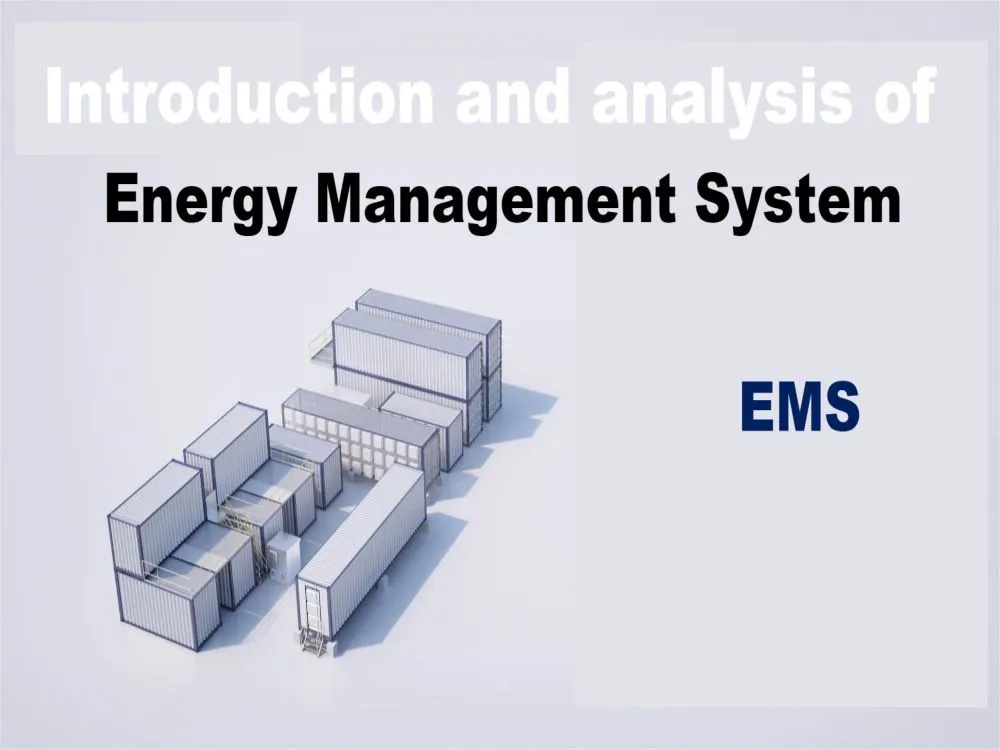


What is an energy management system
An Energy management system, or EMS for short, is used by power operators to monitor, control and optimize the performance of a generation or transmission system. Also, it can be used in small-scale systems such as microgrids.
The energy management system can help industrial production enterprises to reasonably plan and utilize energy while expanding production, reduce energy consumption per unit product, improve economic efficiency, and reduce carbon dioxide emissions. At present, there are also attempts to apply the energy management system to the home battery backup, namely the home energy management system HEMS.
Category of energy management system
One is a company that develops and produces according to the technical specifications introduced by the provinces and cities of the country, and meets the definition of the national energy management system. Another category is the early manufacturers of electricity meters and energy meters, which have modified their existing energy consumption billing software and partially meet the requirements of national, provincial and municipal technical specifications. If it is further subdivided, it is the difference between system architecture, bus protocol and software architecture.
Functions of the energy management system
The energy management system is the nerve center and energy management center of the smart grid monitoring system. It collects, manages and coordinates and controls the equipment in the area, which is the guarantee for the safe, stable and efficient operation of the system.
Comprehensive information perception of the operation, environmental status and personnel management of various equipment (switches, BMS, PCS, etc.) in the smart grid (including microgrids, energy storage power stations), real-time monitoring, coordinated control, peak shaving and valley filling, economic operation management, and support for load tracking, photovoltaic power generation forecast, demand side management, energy sales and other functions.
The main monitoring information includes: energy storage battery information, power information, power curve, PCS total charge, PCS total discharge and load active power. If you want to know pcs information, you can refer to top 10 pcs energy storage manufacturers.
System structure analysis
EMS has an information system capable of storing and analyzing energy consumption data, which can help users determine trends in energy usage at various production levels in a manufacturing process or at the ambient temperature of a building.
1. Expense bill composition analysis, which can count the cost of usage areas, employees, equipment, and categories.
2. Status of energy consumption of each system.
3. Peak, valley, flat and sharp energy consumption statistics.
4. Calculation of various KPIs, such as equipment energy consumption indicators, lighting energy consumption indicators, employee energy consumption indicators, etc.
5. In terms of time, from the annual precision to the key periods of each quarter, month, week and day, the relationship between the energy consumption and work performance of each link is clearly presented, and it is combined with the performance appraisal of each unit and even individual. Realize the refinement and comprehensiveness of energy management, and implement the work of energy saving and consumption reduction.
6. Energy forecast. Changes in production times, schedules, and automatic forecasting of energy costs.
7. Time plan, this month plan, next month plan, cycle plan.
8. Energy saving strategy, which supports various threshold energy saving control methods, such as temperature control, lighting control, energy balance, etc.
9. Load curve analysis, including total load, various loads, classified loads and other forms.
10, year, month, week, daily report.
Energy saving
Set targets based on appropriate standards or benchmarks to reduce or control energy consumption.
1. Building energy saving 30%
2. Industry and infrastructure 10-20%
3. Climate adjustment systems such as cold energy air conditioners
4. Light control system
5. Electric energy power factor correction
6. Implementation process of energy management system
Monitor
Collect energy consumption information on a regular basis in order to lay the groundwork for energy management and account for deviations from targets. The energy management system can collect real-time and timing data for all monitored operating parameters and states, process important historical data and store them in the database.
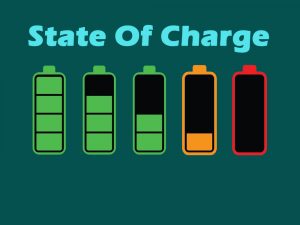
Including: total voltage, current, average temperature, SOC, SOH, charge-discharge current limit, single-cell maximum battery voltage, single-cell maximum battery temperature, common information such as fault and alarm information, historical charge and discharge power, and historical charge and discharge power.

Application analysis of energy management system
The EMS energy management system is used in industrial parks, buildings, large venues and other scenarios to realize economic operation of peak shifting and valley filling, emergency power supply and power energy dispatching operation.
In addition to ranking providers by 2021 sales. Industry analysts say that the largest EMS market at present is the communications sector, which stems from the popularity of smartphones and gradually replacing personal computers. Data shows that in 2021, the market share of communications products in EMS foundries has reached 39%.
At the same time, the traditional computer market is not far behind, with stable demand for business machines, servers and dedicated tablets. The consumer market ranked third, supported by strong demand for digital TV. The industrial market size ranks fourth, followed by the automotive and aerospace/defense/other transportation sectors, and finally the medical device market.
Demand for electronics is forecast to continue growing at a CAGR of 6.8% over the next five years. Communication and medical products will be the main force in the growth of theenergy management system market.
The difference between energy management system and BMS
EMS
The energy management system generally includes four categories: data acquisition, network monitoring, energy scheduling and network data analysis. The energy management system is mainly used for the internal energy control of the microgrid, maintaining the power balance of the microgrid and ensuring the normal operation of the microgrid.
The requirements and application scenarios are diverse, and the workload of the software system is huge; it can meet the on-site energy dispatch requirements of small and medium-sized commercial energy storage systems; Large-scale energy storage systems will involve scheduling on the grid side.

BMS
The BMS battery management system is mainly aimed at monitoring, evaluation, protection and balance monitoring on the battery side: BMS monitors the voltage, current, temperature, insulation status, and protection amount information of cells, battery modules, and battery systems. Relevant well-known enterprises have top 10 battery management system suppliers.
Evaluation: According to the voltage and current information, evaluate and calculate the SOC, SOH and accumulated processing power of the battery.
Protection: According to the temperature of the battery and the information of the protection amount, the safety of the battery is protected by events such as alarm faults.
Equalization: Detects voltage differences between cells and performs active equalization control.
In terms of level, BMS acts on the bottom battery side, while EMS acts on the entire microgrid system. In general small-scale energy storage systems, BMS may only be used to manage batteries, but EMS will not be used for overall scheduling.
Final thought
The EMS energy management system is the control core of the system, which is more like a downward management from the grid level. Compared with energy storage batteries, PCS and other components, EMS has the lowest cost in the energy storage system, and the market demand is small.
Taking a 10MWh energy storage system project as an example, only one EMS system is needed, accounting for about 3% of the total system cost. The energy storage battery, PCS, BMS and other components account for more than 80% of the total cost. The market size of EMS is relatively small compared to other energy storage system components.