Skip to content

How to use UPS
Because the general load has an inrush current at the moment of startup, and the internal power components of the UPS have a certain safe working area, although we have a certain leeway when selecting components, excessive shock waves will still shorten the service life of components. Even cause damage to components, so the impact of inrush current should be minimized when using UPS.

The general UPS has strong shock resistance during bypass operation. We can take advantage of this feature to use the following methods when starting up: first send the mains power to the uses of ups to make it in a no-load working state, and then turn on the loads one by one. Turn on the load with a smaller inrush current, and then turn on the load with a larger inrush current, and then make the UPS in the inverter working state. It should be noted that when starting up, do not turn on all loads at the same time, and do not start with loads.
When shutting down, first shut down the loads one by one, and then shut down the uses of ups, so that the UPS is in bypass operation and the charger continues to charge the battery pack. If the UPS is not required to be put into operation, the uses of ups can be turned off, and then the input mains can be disconnected.
The backup UPS is powered by the bypass under normal mains power, and can only be protected by the input fuse. If the user does not pay attention to this and overloads the uses of ups, although the UPS can continue to work when the mains is cut off,however, when the utility power is abnormally transferred to the battery inverter, it will shut down due to overload protection. In severe cases, the UPS will be damaged and cause unnecessary losses to the user. Therefore, special attention should be paid to not overloading the backup UPS when using it.
The long-delay uses of ups an external battery pack to extend the power supply time, so the quality of the external battery directly affects the power supply time of the UPS. Since the external battery and the built-in battery of the long-delay UPS are separated, there is no problem in normal use when they are connected by battery cables. Pay attention to the correct voltage polarity when connecting the battery; do not connect the connection between the external battery and the host first, wait for the use of ups mains input to generate charging voltage before connecting, that is, connect the external battery after the uses of ups is turned on.
On the basis of correct uses of ups, UPS also needs regular maintenance and maintenance to better extend its service life. Battery is one of the pillars of UPS equipment,It is easily damaged by improper uses of ups. Therefore, the correct maintenance of the battery is particularly important. The terminal voltage of the battery pack in the uses of ups should be checked regularly (usually 6 months), and maintenance is required if the battery terminal voltage is low.
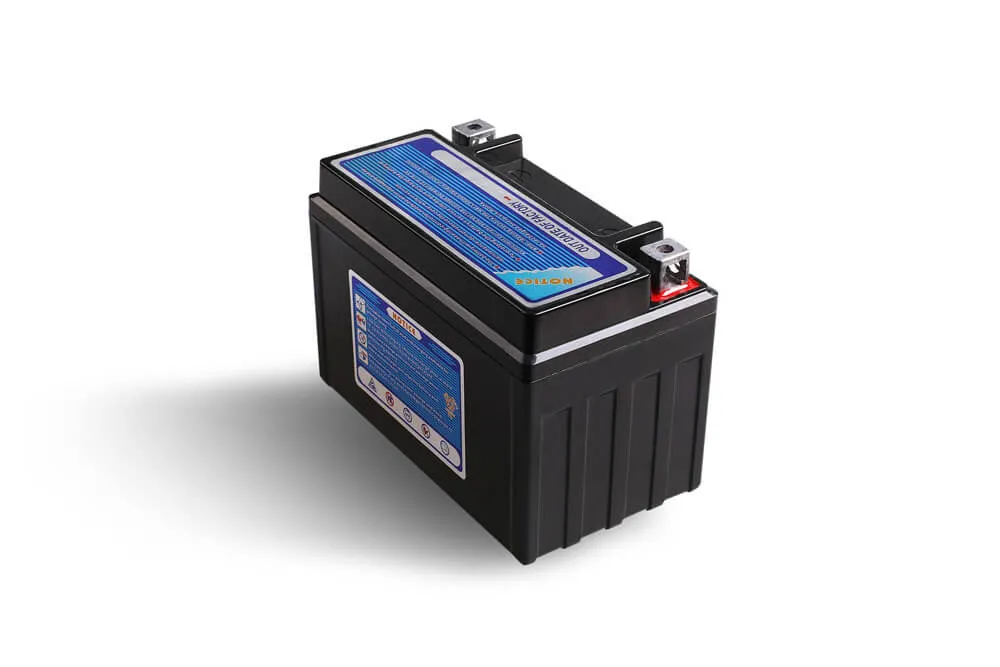
The battery pack should be used in the environment of 0~30℃. When the temperature is too high, the battery life will be greatly shortened; when the temperature is too low, the releasable capacity of the battery will be greatly reduced. The battery should be charged after being stored for a period of time.
For the situation that the UPS is powered by the mains for a long time and rarely uses the battery for power supply, the battery should be charged and discharged regularly.When the battery is deeply discharged, it has a great impact on the battery. Generally, it is necessary to avoid the deep discharge of the battery. The maintenance-free battery uses of ups cannot be charged with a fast charger, otherwise the battery will be easily damaged.
The UPS should not work in the environment above 30℃ for a long time, otherwise the service life of the battery will be greatly shortened. Do not put magnetic media on the uses of ups, otherwise it will easily cause the loss of information in the uses of ups and damage the machine. In addition, it is best not to run the UPS under full load and light load all the time. Generally, 50% to 80% of the rated capacity is appropriate. Before using the UPS, please read the random UPS user manual carefully.
UPS application skills
The actual available capacity of the battery in all UPS is closely related to the discharge current of the battery, the ambient operating temperature of the battery, the length of the storage time and the nature of the load (resistive, inductive, capacitive). Therefore, the user should pay attention to the following points when using the battery.
①The over-discharge of the battery and the long-term open-circuit idleness of the battery will cause a large amount of lead sulfate inside the battery, which will be adsorbed on the cathode of the battery, forming the so-called “sulfation” of the cathode, which results in the internal resistance of the battery. If it increases, the rechargeable and discharge performance of the battery will deteriorate.
②In order to restore the charging and discharging characteristics of the battery, the equalizing charging method should be used.At present, for UPSs with a capacity of less than 3kV·A on the market, the floating charge current of the battery pack is mostly controlled within 1A.
③ In order to ensure that the battery has good charging and discharging characteristics, for the UPS that has been idle for a long time (experience data is that the UPS has been shut down for more than 10 days), it is best not to add load before restarting, and let the uses of ups the charging circuit in the machine to charge the battery. Use it after 10~12 hours of floating charge.
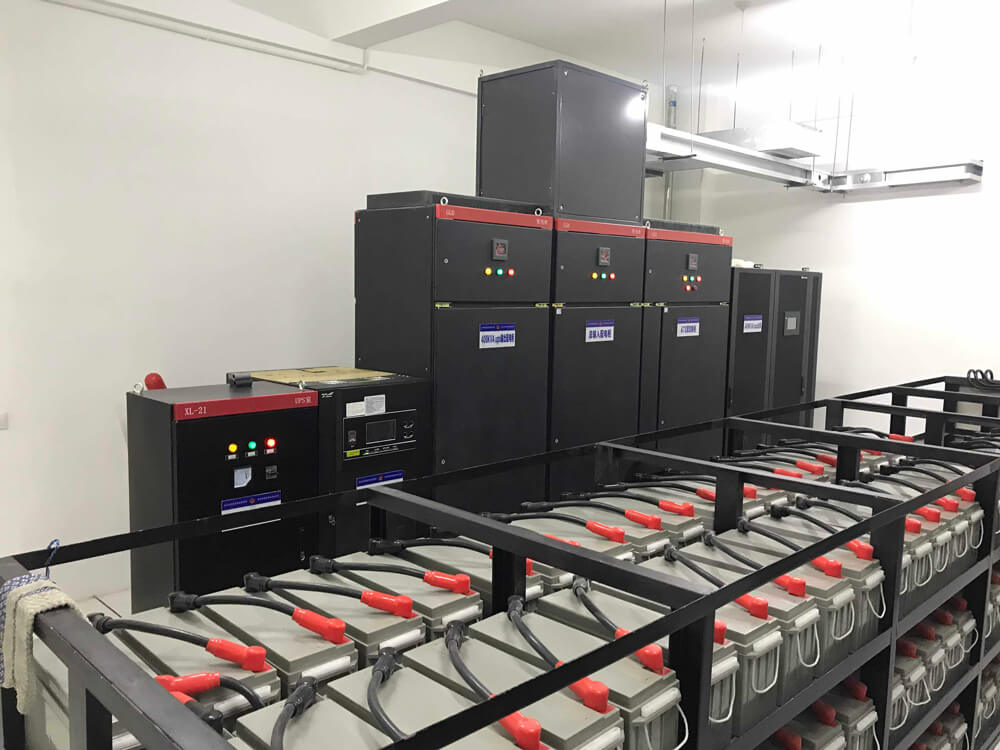
For backup uses of ups, if the UPS works in the backup working state for a long time, it is recommended to keep the UPS in the inverter working state for at least 3 minutes every other month in order to activate the battery.
For the backup UPS, when it is in the backup working state powered by the mains, although it has the function of anti-interference and automatic voltage regulation, it does not have the function of output short-circuit automatic protection (generally, the AC input fuse is used to achieve current limiting) .
Therefore, for users of this type of UPS, the capacity of the fuse in the AC input circuit should not be increased arbitrarily. Only when this power supply is in the state of inverter power supply, it has the functions of automatic voltage regulation and output short-circuit protection at the same time.
For the backup UPS, the following potentiometers are generally set for the user to adjust the working point:
①Adjust the size of the working conversion voltage of the UPS mains power supply inverter;
②Adjust the size of the output AC voltage of the UPS inverter;
③Adjust the size of the charging voltage of the battery charging circuit.
For the online UPS, the user should not adjust the potentiometer easily, otherwise, the UPS control circuit will be out of balance, and the uses of ups will not work normally.
When purchasing a long-delay UPS, in order to ensure that the battery can be efficiently used, increase its effective available capacity and prolong the service life of the battery, a charger with improved constant current charging characteristics should be selected. If a general cut-off constant voltage charger is used, the performance of the battery will deteriorate rapidly. For long-delay UPS, the cost of the battery pack often exceeds the cost of the UPS host, so users should pay attention to this.
If the user uses of ups the self-provided diesel generator set for power supply during the mains power failure, since the internal resistance of the diesel generator set is much larger than that of the mains grid, it may cause the backup UPS to use the mains power supply and diesel generators. When the generator set supplies power, the output voltage value of the AC voltage stabilized circuit of the uses of ups is quite different. In this case, the user should re-adjust the AC voltage regulator operating point of the UPS.
For the backup UPS with square wave output, the conversion time between the mains power supply and the inverter power supply is about 4~9ms. This kind of UPS cannot guarantee 100% reliable power supply to the load. For this kind of UPS, if an accidental failure causes the computer’s working program to be interrupted or destroyed, that is, the computer’s “self-check” operation does not mean a failure. Therefore, UPS with square wave output should not be used in the power supply system of important computer networks.
Daily maintenance of UPS
Today’s uses of ups has a high degree of intelligence and uses maintenance-free batteries, which brings a lot of convenience to use. However, attention should be paid to various aspects during uses of ups to ensure safety in use.
The UPS host does not have high requirements on the ambient temperature, and it can work normally at 0~40°C, but it requires the room to be clean and less dusty, otherwise the dust and humidity will cause the host to work abnormally. The battery has high temperature requirements. The standard operating temperature is 25°C, which should not exceed the range of 15~30°C.
If the temperature is too low, the capacity of the battery will decrease. For every 1°C drop in temperature, the capacity will decrease by 1%. Its discharge capacity increases with temperature, but its lifespan decreases. If it is used for a long time at high temperature, the battery life will be reduced by about half for every 10℃ increase in temperature.
The parameters set in the host cannot be changed arbitrarily during uses of ups. In particular, the parameters of the battery pack will directly affect its service life, but as the ambient temperature changes, the float voltage should be adjusted accordingly.
Usually 25°C is the standard, when the ambient temperature increases by 1°C, the float voltage should increase by 18mV (relative to the 12V battery). When there is no mains power and the UPS system supplies power by itself, it is necessary to avoid starting the UPS with a load. Turn off each load first, and wait for the UPS system to start before turning on the load.
There will be an inrush current when the load is powered instantaneously. The inrush current of multiple loads plus the power supply current required by other equipment will cause the UPS to be overloaded instantaneously, which will damage the converter in severe cases. If possible, it is best to group multiple loads. Turn them on one by one.
The power margin of the UPS system is not large according to the requirements of uses of ups. In uses of ups, it is necessary to avoid adding high-power additional equipment at will, and try not to run it for a long time under full load.
Danger of electric shock due to high battery pack voltage of high power UPS,Therefore, there should be safety guarantees when installing the battery connection and output line, and the tools should be insulated, especially the output contacts should be protected from touch.

Whether it is in the floating charging state or in the charging and discharging maintenance test state, it is necessary to ensure that the voltage and current meet the specified requirements. Excessive voltage or excessive current may cause thermal runaway or water loss of the battery, while too low voltage and current may cause battery loss, which may affect the service life of the battery. Of course, the former has a greater impact.
In any case, the battery should be protected from short circuit or deep discharge, because the cycle life of the battery is closely related to the depth of discharge. The deeper the discharge depth, the shorter its cycle life. In the process of capacity test or discharge maintenance, it is usually enough to make the discharge capacity of the battery reach 50% of its rated capacity.
High current charging and discharging should be avoided for the battery. Although high current can be accepted during charging, it should be avoided as much as possible in actual operation, otherwise the charging plate will expand and deform, causing the active material on the plate to fall off, the internal resistance will increase, and the temperature will increase. If it rises, it will cause the battery capacity to drop and the life to be terminated early.
The daily maintenance of UPS usually has the following items.
Under normal uses of ups, the main maintenance work of the host is mainly dustproof and regular dust removal. The second is to check whether the connectors and connectors are loose or not in firm contact during dust removal.
The battery packs currently use maintenance-free batteries, but this only eliminates the previous work of measuring ratios, proportioning, and adding distilled water regularly. However, the influence of the external working state on the battery has not changed. The maintenance and repair work of this part is still very important. The maintenance and repair work of the UPS system is mainly in the battery part.
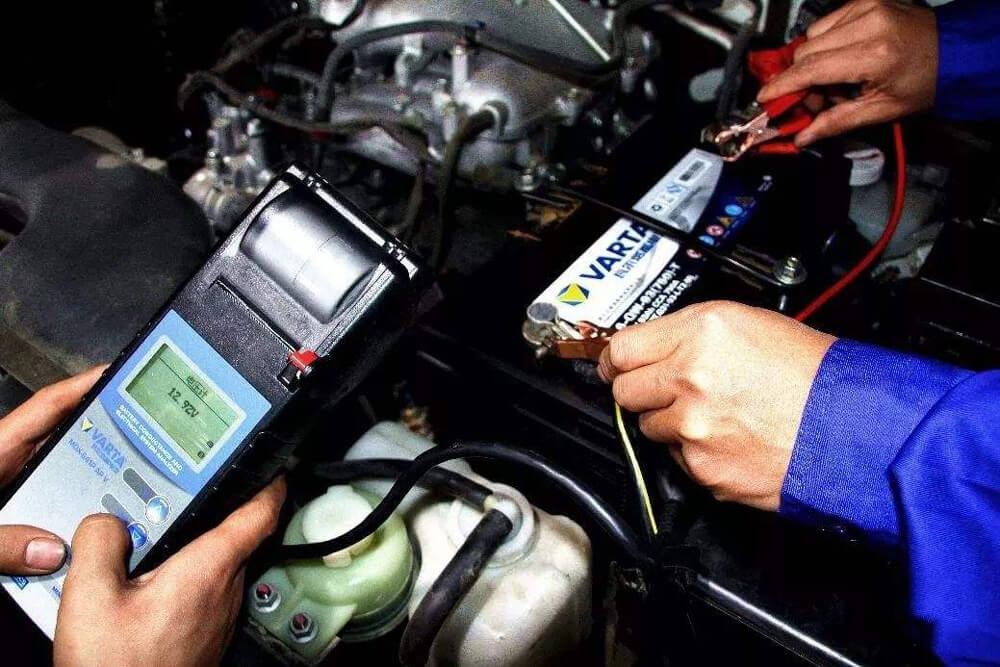
Usually, there should be several batteries in each group of batteries as the marked batteries. As a reference to understand the working conditions of the whole battery group, the marked batteries should be measured and recorded regularly.
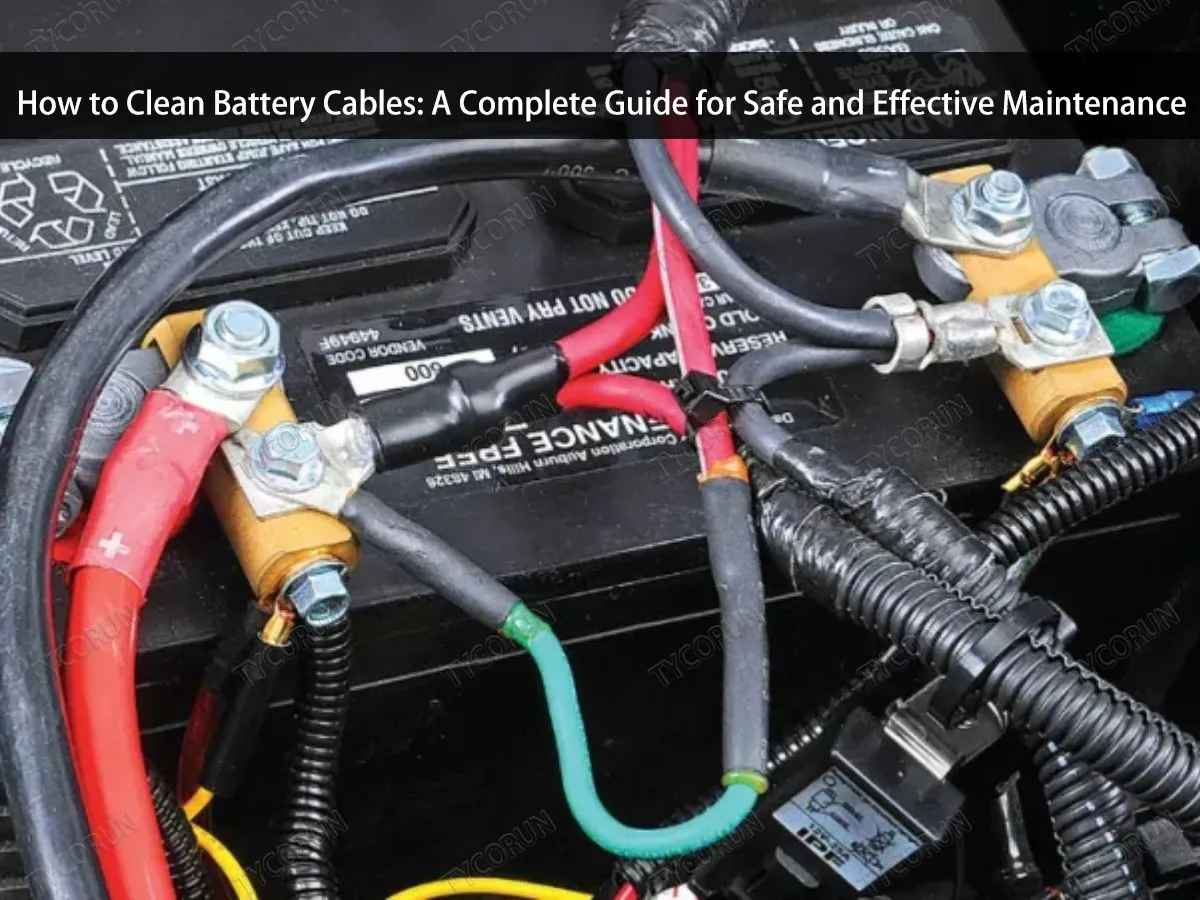
Items that need to be checked frequently in battery maintenance are: cleaning and testing the voltage at both ends of the battery and battery temperature; whether the connection is loose or corroded, and detecting the voltage drop of the connecting strip; Check whether there is acid mist overflow around the column and safety valve.
Batteries of different capacities, different performances, and different manufacturers cannot be connected together, otherwise it may have an adverse effect on the whole group of batteries.The battery pack whose life has expired should be replaced in time to avoid affecting the host.
Even the best equipment has a lifespan and various failures will occur, but well-maintained work can prolong the lifespan and reduce the occurrence of failures. Do not ignore the maintenance work that should be carried out because of high intelligence and maintenance-free. Preventive work is an important guarantee for safe operation at any time.