Skip to content
- What is a starter battery
- Is a car battery a starter battery
- Is there a lithium starter battery
- What’s the difference between a deep cycle battery and a starter battery
- Can I use a lithium-ion battery to start my boat
- Can I use a lithium starter battery to jumpstart
- How do you jump-start a dead lithium-ion battery
- How long does a starter battery last
What is a starter battery
Internal combustion engines (gasoline engines) in vehicles use the chemical energy stored in fuel to drive the vehicle forward. Once they start working, the engines keep working by a feedback mechanism. Therefore, once started, they can run on their own. But, they can’t start on their own. They need some external source of power to start them. That’s where the electric motor comes in. This motor is called the starter motor. It is powered by a starter battery. As the starter motor works only for a short time, in the beginning, the starter battery works only for a short while.
Is a car battery a starter battery
Electric cars also need a starting battery to start.
Starter batteries don’t just power the starter motor. They also power other electrical components of the car, such as headlights, indicator lights, power shutters, windshield wipers, radio, etc. These accessories are designed to work with the traditional starter battery. However, when the vehicle is running, these electrical components are usually powered by an alternator. The alternator functions like a dynamo.
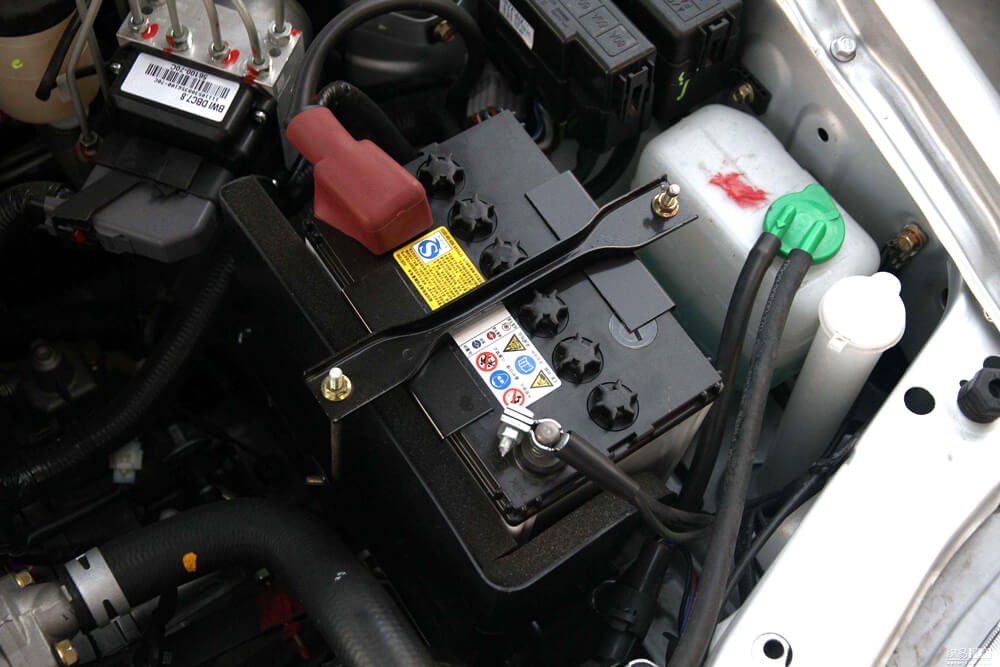
All cars with an internal combustion engine have a starter battery. Electric vehicles also need a starter battery. Electric vehicles have two sets of electrical systems: high voltage and low voltage. However, since the standard accessories of cars are powered by starter batteries, starter batteries are added to electric vehicles. So, yes, all modern cars have a starter battery.
Is there a lithium starter battery
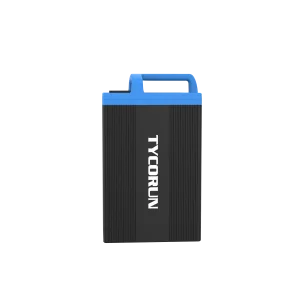
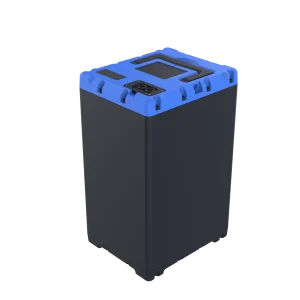
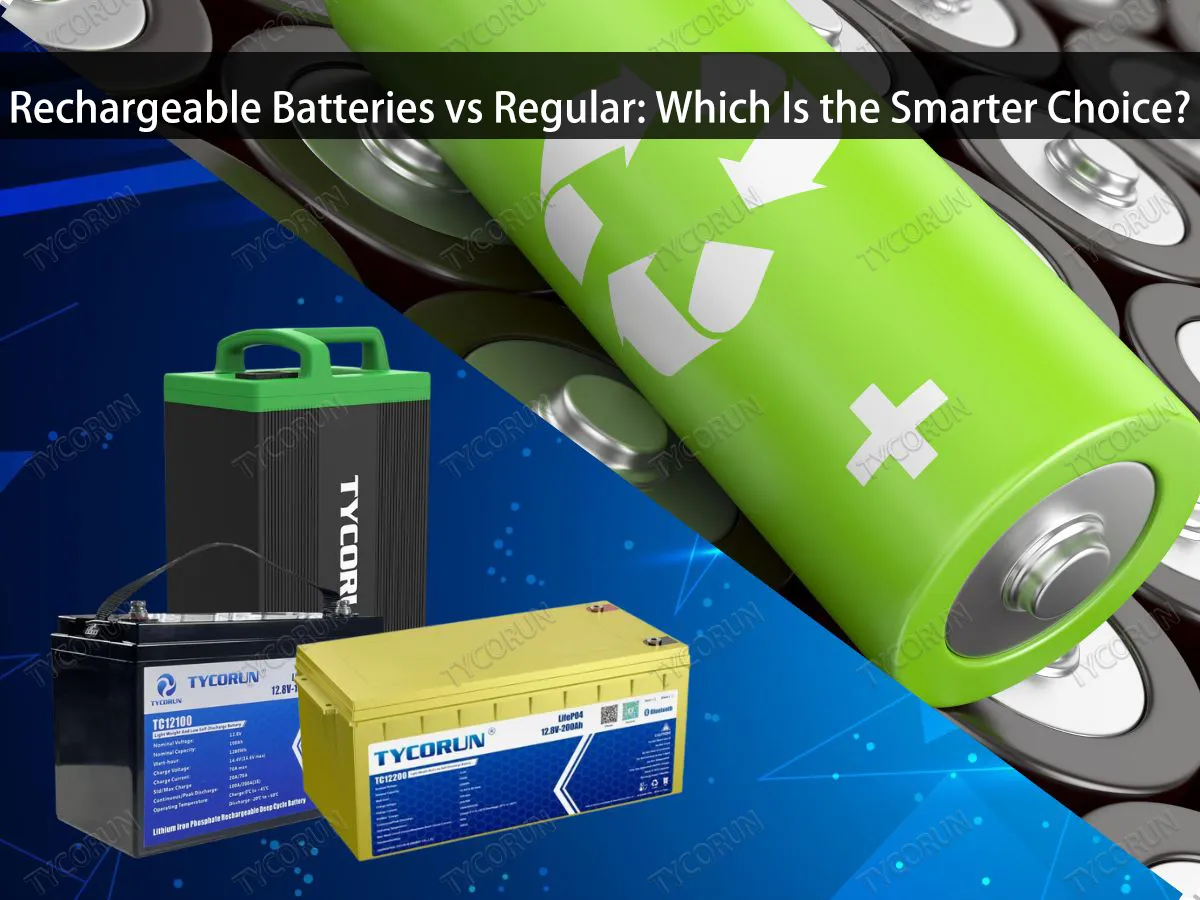
There are a variety of starter batteries. These different batteries provide different powers. Lithium starting battery is commonly seen in modern vehicles. Some other starter batteries are flooded lead-acid batteries, silver calcium batteries, absorbent glass mat batteries, and nickel-metal hydride batteries.
Nowadays, Lead-acid batteries As the starting power source for automobiles dominate the market by equipping electric vehicles. But lithium starting batteries are better than conventional batteries in many ways.
• They are lighter than other batteries
• Lithium starting battery is low maintenance
• Lithium starting battery charge faster and last longer
• Lithium starting battery have greater usable capacity
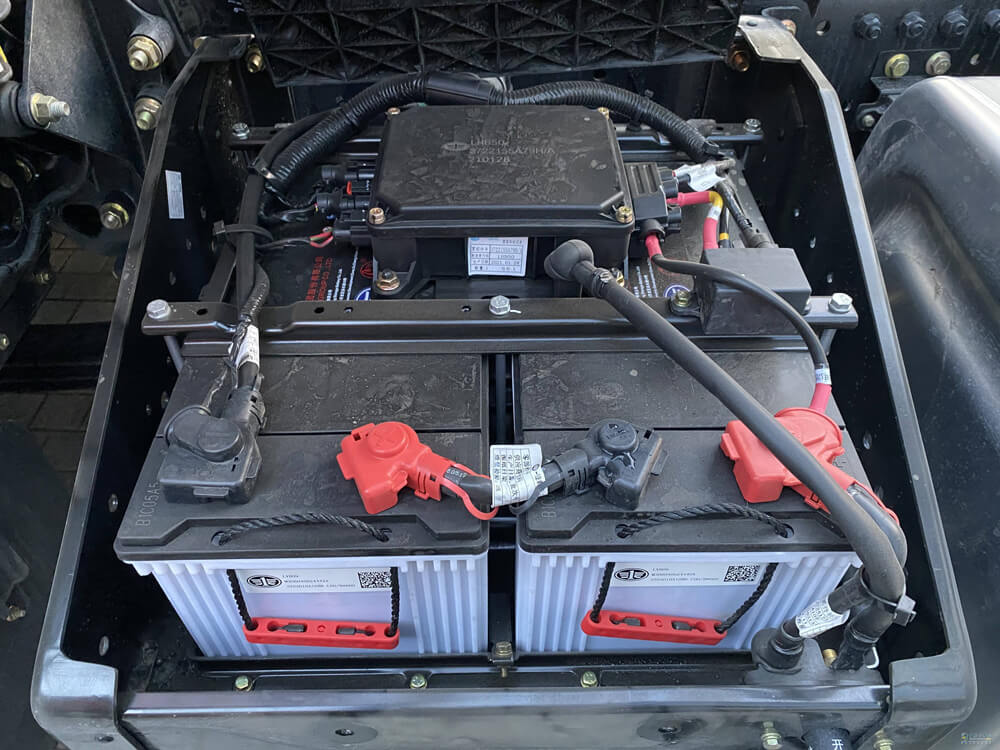
What’s the difference between a deep cycle battery and a starter battery
Starter batteries power the starter motor, which only works for a short time. Therefore the starter battery discharges quite a little. In fact, starting takes less than three percent of the capacity of the starter battery. This is why starter batteries are designed to deliver a large current for just a short period. Hence, starter batteries don’t discharge fully or deeply.
A deep cycle battery is designed to be regularly deeply discharged. It uses most of its capacity during a single-use. Traditionally used deep cycle batteries are deep-cycle lead-acid batteries. Vehicles that demand higher power than average need a deep cycle battery. Such vehicles can be sailboats, fishing boats with trolling motors, industrial forklifts, highway electric vehicles, or even motorized wheelchairs.
Using a starter battery for power demanding accessories or fully discharging them will reduce its lifespan. It is important to know where and when a starter battery or a deep cycle battery is needed.
Can I use a lithium-ion battery to start my boat
Yes, you can use lithium starting battery as starter battery. However, well-equipped boats constantly demand high power. Therefore, starter batteries designed to provide bursts of high power for short periods, are not commonly used alone in boats.
Dual battery systems with a starter battery and a deep cycle battery can be used safely in boats. The starter battery will crank the engine as described earlier. Then, the deep cycle battery will take over to power the accessories such as trolling motors. This will make sure that the lifespan of the starter battery is not compromised.
Can I use a lithium starter battery to jumpstart
We can start a motor vehicle (most commonly cars or trucks) with a discharged battery by temporarily connecting the vehicle’s battery to an external power source. This is called a jump start. Once the vehicle has been started this way, the discharged battery will get charged, thanks to the alternator.
The external power source can be the starter battery of another vehicle or a jump starter. Jumpstarters are portable battery devices designed specifically for this purpose. The internal chemistry of the involved external power source does not matter for jump-starting. But, they must have the same system voltage as the discharged battery. So, yes. You can jump-start using a lithium starting battery.
How do you jump-start a dead lithium-ion battery
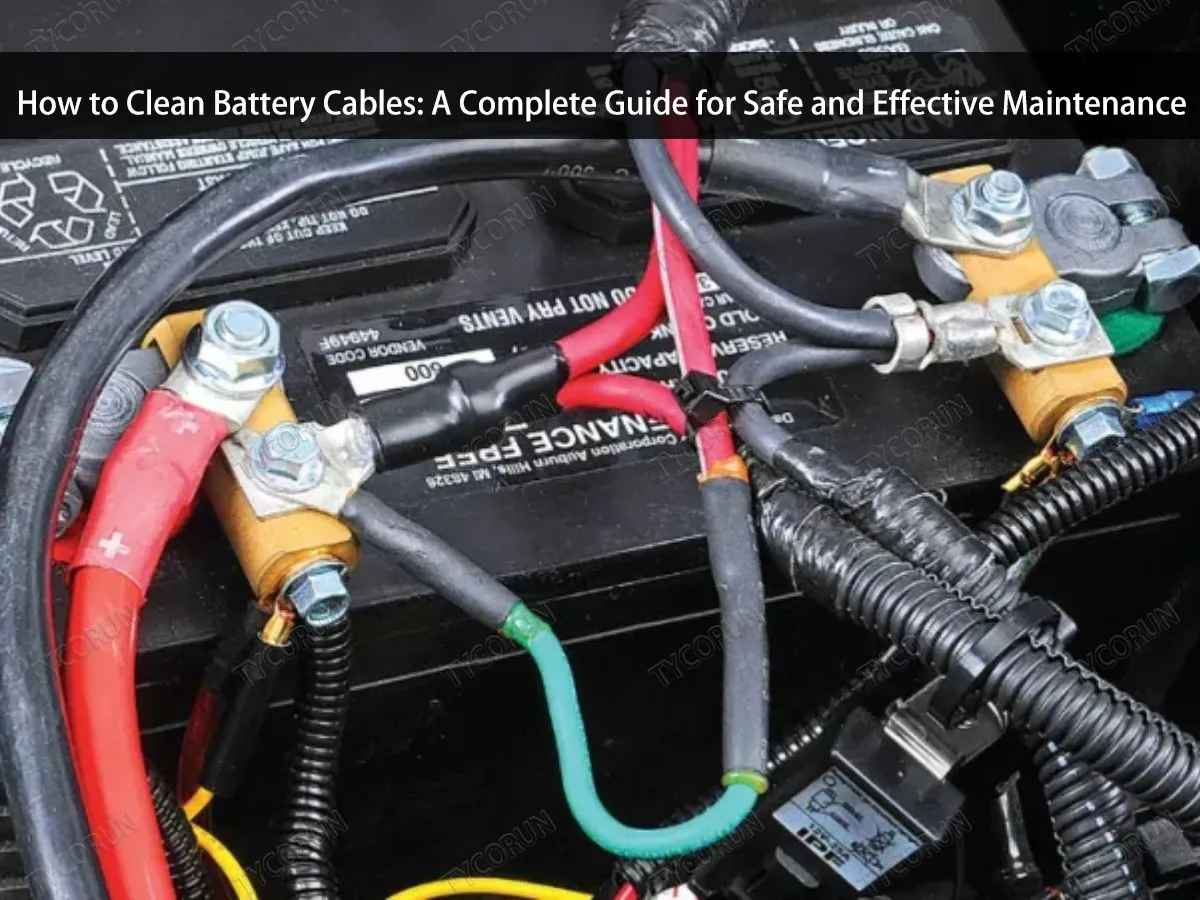
This can be done in the same way as how you would jump-start any typical lead-acid battery. Make sure the voltage between the two batteries match. Check if the jumper cables have any defects in insulation. Follow the sequence described to jump-start your lithium-ion battery safely.
Connect the red clamps to the positive (+) terminals of the dead lithium starting battery and the positive (+) terminal of the good battery respectively
Connect the black clamps to the negative (-) terminal of the good battery and a piece of grounded metal on the car with the dead battery.
The grounded metal can be the bolt where the negative cable from the battery connects to the chassis of the vehicle, or it can be any shiny metal (not painted or oily) that is attached to the engine. A nut, a bolt, or any other shiny metal that’s protruding will work. When you ground properly, there might be a small spark of electric discharge.

How long does a starter battery last
A car starter lasts on average from 3 to 5 years. However, a definite lifespan can’t be given. How long a battery remains functional depends on the climate, height from sea level, electronic demands, and driving habits. More importantly, the lifespan of the starter battery varies between different types of batteries. For example, a study found that the lifespan of lithium starting battery is twice that of a lead-acid battery.
You can increase the lifespan of your starter battery by avoiding short rides, fixing the battery stably, avoiding unnecessary use of electronics while idling, controlling corrosion, and testing your battery often, especially once it hits the three-year mark.