Skip to content
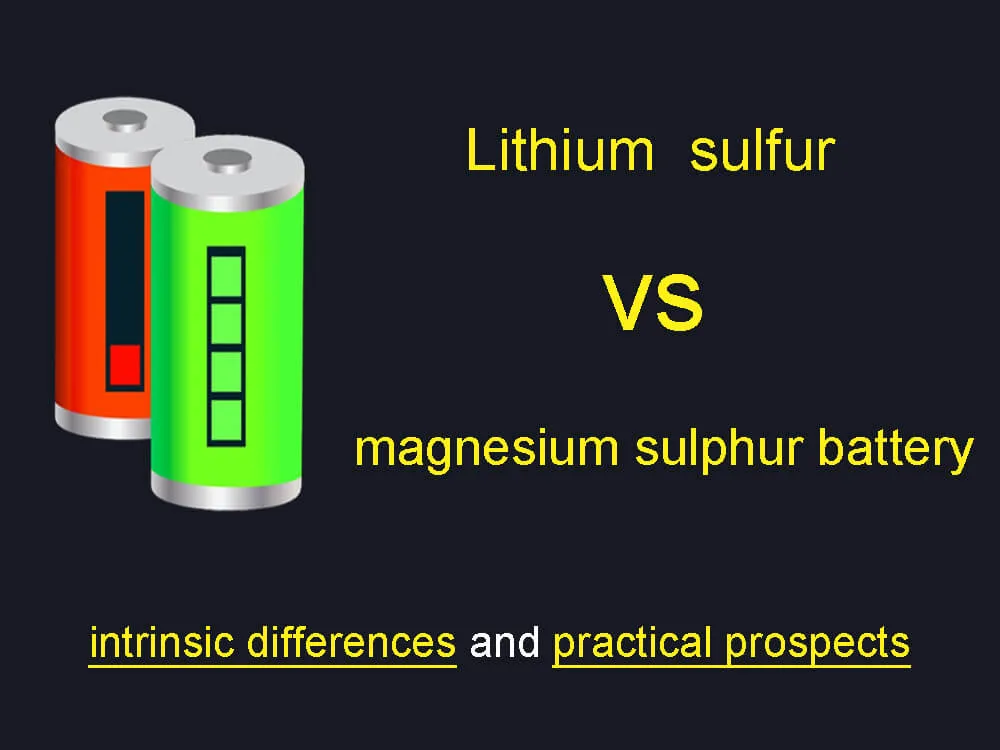


- Introduction of magnesium sulphur battery
- Characteristics of Li and Mg metal anodes
- Electrolytes in lithium sulphur and magnesium sulphur battery
- Comparison of deposition morphologies of Li and Mg metal anodes
- Safety of lithium sulphur vs magnesium sulphur battery
- Sulphur cathode of lithium sulphur vs magnesium sulphur battery
- Polysulfides of lithium sulphur vs magnesium sulphur battery
- Overpotential, discharge capacity and reversibility
- Polysulfide diffusion and metal anode reaction
- Performance and cost of lithium sulphur vs magnesium sulphur battery
- Prospects for magnesium sulphur battery
Introduction of magnesium sulphur battery
Rechargeable metal-sulphur batteries, such as Li-S, Na-S, K-S, Al-S, Ca-S, and magnesium lithium batteries use sulphur as the positive electrode and are much cheaper than the typical lithium-ion batteries (LIBs) Base, cobalt-based, manganese-based and nickel-based cathode materials are more abundant and sustainable.
In addition, due to the high capacity of sulphur and metal anodes, the battery system has high theoretical specific energy, lithium sulphur battery (LSB) (2654Wh kg-1 and 2856Wh L-1) and magnesium lithium battery (magnesium sulphur battery) (1684Wh kg-1 and 3221WhL-1).
Although overpotentials and incomplete active material utilization and a large proportion of electrolytes and other inactive materials significantly reduce the specific energies of actual LSBs and magnesium sulphur batterys, these two systems have the potential to be similar to or even higher than LIBs .
In the case of LSB, the combination of expensive and locally limited lithium as the anode material (at least 250 $kg-1 for lithium metal foil, 18 ppm in the crust, 0.2 g m-3 in seawater) offsets the S cathode’s Cost advantage.
magnesium sulphur battery uses cheap and globally abundant magnesium as anode material (metal magnesium 2.5$ kg-1, 2.2% in earth’s crust, 1kg m-3 in seawater), therefore, magnesium sulphur battery is more attractive as it may be more Cost-effective, with higher elemental abundance and material accessibility, a more sustainable alternative to LIB and LSB.
Unlike alkali metal and calcium metal anodes, the standard reduction potential of magnesium anodes (–2.36 V vs. standard hydrogen electrodes, SHE), with exceptionally high stability to liquid electrolytes.
Therefore, in many electrolyte systems, especially in cyclic voltammetry experiments, mainly surface-layer-free anodes and reversible Mg electrodeposition/stripping Coulombic efficiencies as high as 99.9% were observed.
While for Li, Na, K and Ca metals, relative to SHE, their lower standard electrode potentials are -3.04V, -2.71V, -2.92V and -2.87V, respectively, resulting in thermodynamic instability of commonly used organic electrolytes .
Continuous corrosion of Li metal anodes is mitigated by solid electrolyte interphase (SEI) or application of solid electrolyte protection.
However, on Na and K anodes, the protective SEI is complicated by the high solubility of Na+- and K+-containing SEI components. Ca anodes (−2.87V vs. SHE), electrolyte decomposition, and formation of surface films lead to high overpotentials for Ca electrodeposition/stripping, and even completely passivate the electrodes.
Characteristics of Li and Mg metal anodes
Li and Mg are in a diagonal relationship in the periodic table. Therefore, some chemical properties are similar, such as the formation of monoxides during combustion, their reactivity to nitrogen, and the chemical instability of their carbonates upon heating. However, as discussed below, their properties as metallic anodes in battery cells vary widely. The challenges faced by anodes in LSBs and magnesium sulphur batterys are summarized in Figures 1 and 2.

Figure 1: A summary of the main features and challenges of LSBs.
As shown in red, research focus should be on mitigating the persistent corrosion of Li metal anodes, which is amplified by high surface area Li deposition. Molecular structures include Li (gray), S (yellow), O (red), C (cyan), H (white), and N (blue). A blocked channel is marked with a red cross. Molecular structure redrawing from Bieker et al.
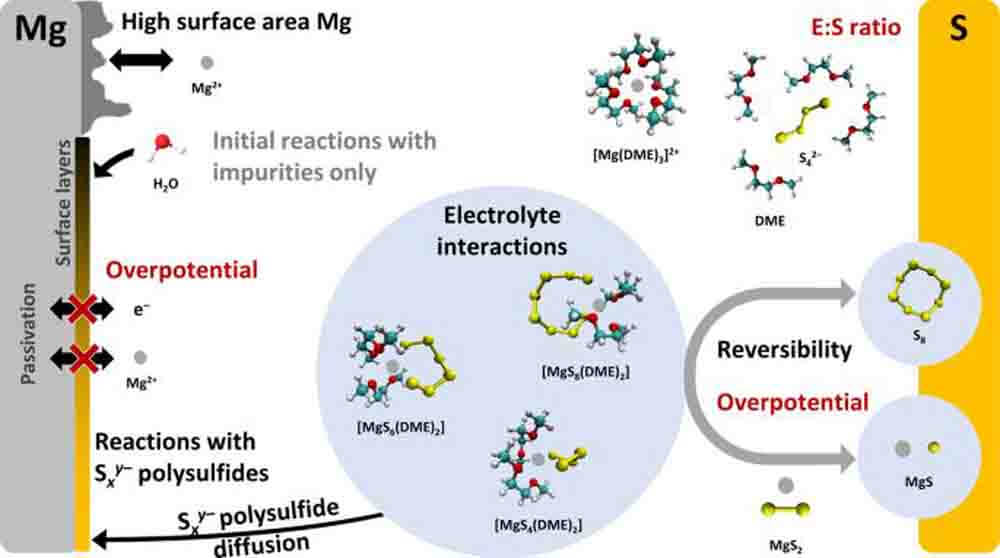
Figure 2: Summary of key features and challenges of magnesium sulphur batterys.
As shown in red, research should focus on reducing the high overpotential of Mg anode and S cathode, as well as achieving a low E:S ratio. Molecular structures include Mg (grey), S (yellow), O (red), C (cyan), H (white), and N (blue). A blocked channel is marked with a red cross. Molecular structure redrawing from Bieker et al.
Electrolytes in lithium sulphur and magnesium sulphur battery
Since the Li standard electrode potential is as low as –3.04 V compared to SHE, Li metal is thermodynamically unstable to commonly used liquid organic electrolytes.
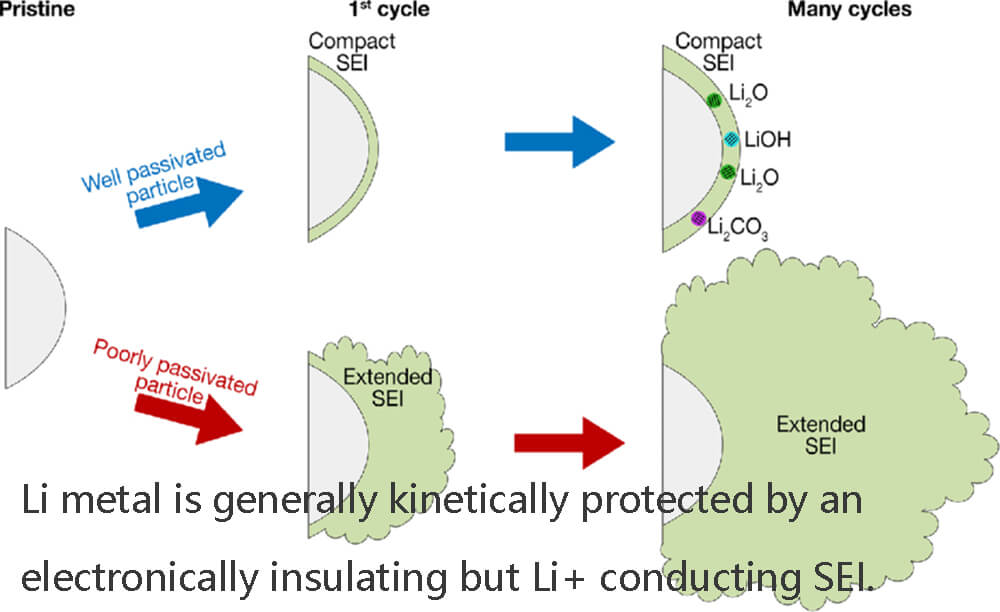
In order to slow down the continuous corrosion to slow down the self-discharge of the anode and the degradation of the electrolyte, Li metal is generally kinetically protected by an electronically insulating but Li+ conducting SEI.
To compensate for the volume change during lithium electrodeposition and stripping and suppress the formation of high surface area lithium (HSAL, often referred to as hetero or dendritic lithium), SEI must also be stable, flexible, and homogenous.
The formation of true long-term protection by SEI on Li metal anodes has been studied for decades and remains an unsolved challenge for Li metal-based battery systems including LSBs.
To compensate for the reactivity of the Li metal anode with the electrolyte, LSB cells require an excess of Li metal and a large amount of electrolyte. The latter usually have a high E:S ratio.
In contrast, for the magnesium sulphur battery battery anode, the potential is -2.36 V relative to the SHE standard electrode, which is highly stable in many electrolyte systems. In cyclic voltammetry experiments, the Coulomb reversibility of Mg electrodeposition and exfoliation can reach 99.9%.
Therefore, the potential kinetic protection effect of the surface film on Mg is not as important as the above-mentioned effect on Li, Na, K, and Ca anodes. However, in some electrolyte systems, such high Coulomb reversibility can only be achieved after a certain number of Mg electrodeposition and stripping cycles.
In this so-called “conditioning” process, the irreversible capacity corresponds to the reduction of HO or other reducible impurities in the electrolyte. In electrolytes containing AlCl3, the irreversible capacity may also correspond to the corrosion of Mg by AlCl2+ or other AlClx species.
Therefore, the irreversible capacity can be avoided by pretreating the electrolyte with metallic magnesium or by directly preparing the electrolyte with optimized stoichiometry and adding reducing species such as Bu2Mg.
The large difference in the electrodeposition and exfoliation behaviors of Mg and Li stems from the properties of Li+ and Mg2+ cations. The strong electrostatic interaction of the high charge density of Mg2+ cations compared to Li+ is reflected in the lower ionic conductivity of Mg electrolytes than that observed in Li electrolytes (≈5 ~ 15 mScm-1) (typically < 5 mScm-1) .
Although magnesium-based electrolytes with weakly coordinating anions show comparable ionic conductivity to lithium-based electrolytes (for example, magnesium tetrakis(hexafluoroisopropoxy)borate (Mg[B(hfip)4]2) up to 11 mS cm- 1).
The interaction further inhibits the rational flow of Mg2+ in the solid. Therefore, the appearance of interfacial layers, for example from the decomposition of electrolyte components or impurities, slows down the electrodeposition and exfoliation of Mg2+, and may even passivate electrodes for ion transport. Therefore, the main approach for magnesium sulphur battery research is to keep the surface of the magnesium anode bare and without passivation.

In addition to choosing an electrolyte composition that is stable to metallic magnesium, this may require reducing impurity scavengers such as previously used Grignard materials, small amounts of Bu2Mg, or electrolyte pretreatment with metallic magnesium.
The reduction currents above 0 V relative to the Mg/Mg2+ potential and the continued decrease in the overpotentials for Mg electrodeposition and stripping during the above-mentioned “conditioning” process indicate electrochemical “purification”. Here, the reduction of overpotential is also considered to be related to the formation of Cl- species, which can remove the surface layer from the Mg anode and suppress further adsorption and decomposition of impurities.
In addition, the strong coordination of Mg2+ with the electrolyte solvent leads to a high desolvation energy barrier, leading to the overpotential of Mg electrodeposition. Similarly, the high desolvation energy barrier of Mg2+ cations slows down the insertion of Mg2+ into the cathode material.
To reduce these overpotentials, it is necessary to weaken the solvent coordination of Mg2+ cations, for example, by transferring Mg2+ into Mg2Cl3+, Mg2Cl22+, or other MgxClyz+ complexes.
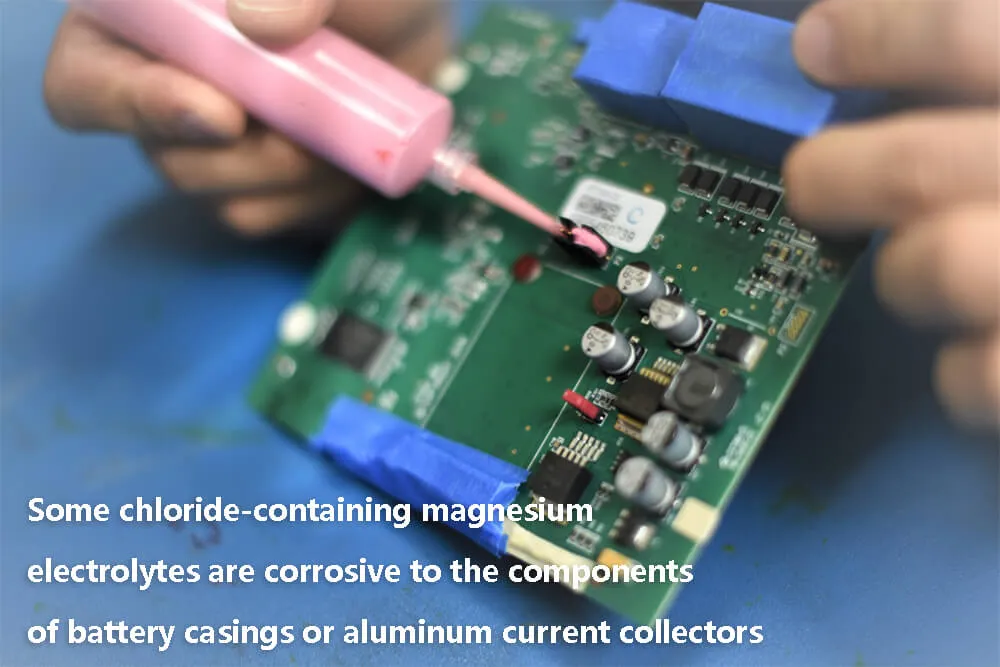
Some chloride-containing magnesium electrolytes are corrosive to the components of battery casings or aluminum current collectors and need to be protected with coatings or replaced with corrosion-resistant materials.
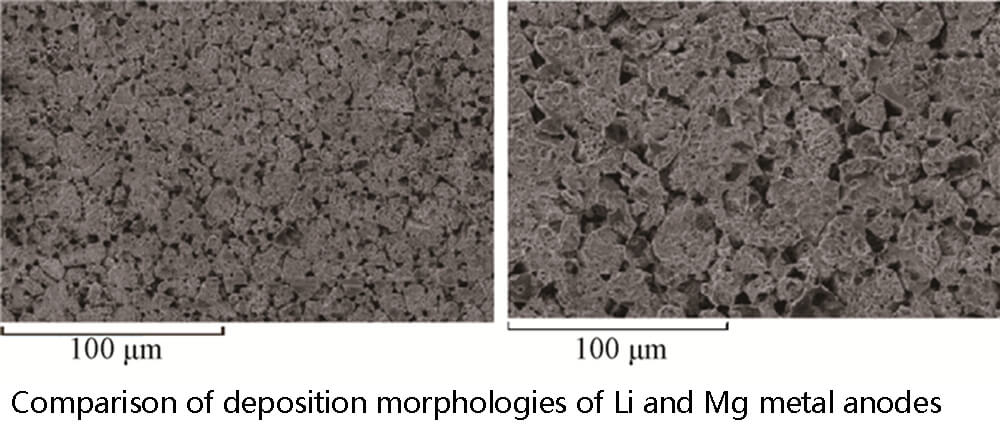
Comparison of deposition morphologies of Li and Mg metal anodes
When comparing the deposition morphologies of Li and Mg metal anodes, it is often said that Li suffers from HSAL or even dendrite formation, whereas Mg electrodeposition is uniform and dendrite-free. For lithium metal anodes, the deposits were found to have mossy, needle-like, nodular, or granular morphologies.
For Mg-Li battery anodes, the deposits are mostly described as pyramidal or hexagonal structures. Matsui’s comparative study of lithium and magnesium electrodeposition and dissolution at different current densities illustrates this difference.
The different deposition morphologies are mainly explained by the clean, surface-free film on the Mg electrode leading to a more uniform current distribution compared to the non-uniform current distribution through the multicomponent SEI on Li metal. The unprotected lithium surface is exposed when the SEI fractures when the volume of lithium electrodeposition and dissolution changes.
This results in a more non-uniform current distribution across the electrode surface, resulting in reduced performance and safety. By exposing unprotected lithium, this mechanism accelerates electrode corrosion. To suppress both, a stable, flexible and homogeneous SEI is required.
For magnesium-sulphur battery anodes, the trend towards more uniform deposition of Mg compared to Li metal is further attributed to the low surface diffusion barrier of Mg. Furthermore, it is hypothesized that the local depletion of active Mg species in the electrolyte after Mg electrodeposition produces a uniform distribution of Mg nucleation surfaces.
This idea gives rise to the generally lower ionic conductivity of Mg electrolytes (typically < 5 mS cm-1) compared to their Li counterparts (≈ 5~15 mS cm-1) compared to the more heterogeneous Li deposition. support.
Although a few Mg electrolytes exhibit higher ionic conductivity (e.g., Mg[B(hfip)4]2 up to 11 mA cm-1). Similarly, the homogeneous electrodeposition process can be explained by the kinetic barrier to desolvation of Mg species.
Safety of lithium sulphur vs magnesium sulphur battery
In addition to the increased corrosion of the lithium metal anode, the formation of HSAL, especially the formation of lithium dendrites, leads to the risk of internal short circuits as they grow through the separator and reach the cathode. Although the tendency to form dendrites is low in the case of metal anodes for magnesium sulphur battery batteries, the high stiffness and hardness of Mg dendrites also increase the risk of internal short circuits in Mg metal-based batteries compared to their Li counterparts.
In the case of lithium metal, the high reactivity with moisture and air, the low autoignition temperature of 180°C, and the low melting point of 181°C all lead to safety concerns. In contrast, metallic magnesium has a high autoignition temperature of 473 °C and a melting point of 650 °C. In the form of magnesium foil, it will passivate on contact with moisture and air at room temperature. However, metallic magnesium is highly flammable and should therefore also be considered a potential safety risk.
Sulphur cathode of lithium sulphur vs magnesium sulphur battery
For positive electrodes, the electrolyte needs to be non-nucleophilic and exhibit some oxidation stability in order to remain stable to elemental sulphur. Therefore, magnesium sulphur batterys need to design non-nucleophilic and electrochemically stable Mg electrolytes.
As with LSB, the overall reduction of elemental sulphur to sulfides during discharge, and the reoxidation of these species to sulphur during charging, both proceed through polysulfide intermediates. However, compared to LSB, magnesium sulphur battery showed a different reaction pathway, higher overpotential and lower Coulomb reversibility.
When comparing S cathodes in Li+ or Mg2+-containing electrolytes, the following explains how these differences ultimately originate from the stronger electrostatic interactions of Mg2+ with polysulfides and sulfide anions. The challenges of the S cathode in the LSB and magnesium sulphur battery are summarized in Figures 1 and 2 above.
Polysulfides of lithium sulphur vs magnesium sulphur battery
Li and Mg polysulfides form a complex disproportionation and dissociation equilibrium system, as shown in Equations 1–4. Here, the disproportionation reaction is thought to be due to the low charge density (often referred to as “long chains”) of S82–, S62– and S3•–.
Therefore, the Coulomb attraction of Mg2+ is stronger than that of Li+ cations, resulting in more pronounced polysulfide disproportionation in Mg electrolytes. Meanwhile, in the case of Li+ coordination, the dissociation of S62– and S3•– is observed to be more favorable.
Disproportionation reaction:

Dissociation reaction:

Ether solvents such as tetrahydrofuran (THF), DME, and tetraglyme (TEGDME) commonly used in LSB and magnesium sulphur battery cells have relatively low interactions with cations, resulting in rather strong cation-polysulfide interactions . This facilitates the disproportionation of low charge density polysulfides with sulphur and high charge density species.
In ether, chemically synthesized stoichiometric Li2S8 lithium polysulfides were observed to disproportionate to S42- and S3•- species, while in equivalent solutions of magnesium polysulfides, these species were observed to disproportionate further to UV/Vis pairs. Spectrally (UV/Vis) insensitive substances such as MgS2.
Magnesium polysulfides are also much less soluble than their lithium counterparts due to the higher electrostatic interactions of Mg2+ cations with polysulfide anions. For example, in THF, DME and TEGDME, the solubility of chemically prepared magnesium polysulfides in MgS8 stoichiometry is less than 100 mM, while Li2S8 stoichiometry in Li2S8 stoichiometry dissolves into 6 M TEGDME.
Cation-dependent reaction pathway
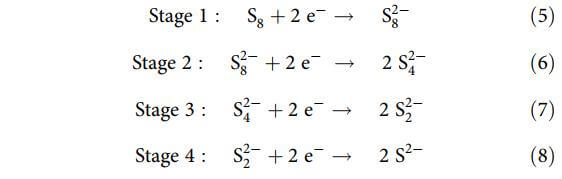
Depending on the stability of polysulfides in Li+ and Mg2+-containing electrolytes, the discharge responses of S cathodes in LSB and magnesium sulphur battery are also different. Equations 5-8 summarize all potential stages of this reaction.
In ether-based Li+-containing electrolytes, the electrochemical reduction of sulphur proceeds through the formation of S42- (stage 1-2) and S22- (stage 3), whereas in Mg2+-containing electrolytes, sulphur reduction tends to proceed directly to S22- Intermediates (Stages 1-3).

Figure 3: Cycling curves of Li-S and magnesium sulphur battery batteries and electrochemical behavior of Li and Mg polysulfide solutions. During the galvanostatic discharge of LSB cells, the formation of S42- (stage 1-2) and S22- (stage 3) is represented by two separate voltage plateaus (Fig. 3a), respectively.
In magnesium sulphur battery cells, the tendency for the direct reduction of sulphur to S22- (stages 1–3) is usually represented by a single voltage plateau. However, in several studies, a single voltage plateau was preceded by a slow drop in voltage (Fig. 3b) and even two separate voltage plateaus were reported.
Like LSB, these indicate the formation of intermediates of S42- (stages 1-2) and their reduction to S22- (stage 3). In addition to the fact that different discharge voltage profiles of magnesium sulphur batterys are reported for different electrolytes, it was found that the pathway for sulphur reduction to S22- depends on solvent-dependent cation-polysulfide interactions, i.e., the composition of carbon/sulphur (C/S) recombination Positive and applied discharge rate.
In the last step of the discharge reaction, the precipitated S22- is reduced to S2- species (stage 4). While this step begins with a relatively constant voltage in LSBs, magnesium sulphur batterys show an immediate drop in cell voltage until a lower cutoff voltage is reached.
During charging, LSB cells tend to exhibit two voltage plateaus, corresponding to the formation of polysulfide intermediates and their subsequent oxidation to sulphur. In contrast, magnesium sulphur battery cells mostly show only a single voltage plateau. This indicates a lower tendency to form polysulfide intermediates during charging as well.

Cation-dependent differences in the electrochemical behavior of sulphur cathodes were also observed in cyclic voltammetry experiments of Li+ or Mg2+-containing polysulfide solutions.
While the reduction of sulphur proceeds through the formation of S42– and S22– in Li2S8 and LiTFSI solutions in DME, a direct reduction to S22– was observed in MgS8/MgTFSI2 in DME (Fig. 3c).
In order to evaluate the high voltage for the first step of the discharge reaction and allow for gradual oxidation during charging, the formation of magnesium polysulfide species should be stabilized. Since this stability is determined by the electrostatic interaction of electrolyte cations with polysulfide anions, it can be tuned by effective solvent coordination of the cations.
In solvents with high relative dielectric constants, such as dimethyl sulfoxide (DMSO) or dimethylformamide (DMF), higher solubility and less disproportionation of lithium and magnesium polysulfides were observed. Therefore, the reduction of sulphur in Li and Mg electrolytes proceeds through the formation of low charge density S82-/S62- (stage 1) and high charge density S42-/S32- species (stage 2; Fig. 3d).
Although these special solvents are thought to passivate magnesium anodes, the findings illustrate the beneficial effect of stronger solvent coordination.
Overpotential, discharge capacity and reversibility
The LSB typically showed an average voltage of about 2.1 V during discharge, while the average voltage observed during charge was 2.3 V. Due to the relatively low overpotential of the lithium metal anode, this voltage hysteresis corresponds almost exactly to the overpotential of the sulphur cathode conversion reaction.
Therefore, the potential of the sulphur cathode versus the Li│Li+ reference electrode largely corresponds to the voltage detected in a two-electrode Li-S cell. In contrast, the voltage in magnesium sulphur battery cells varies greatly from the potential at the sulphur cathode due to the higher overpotential at the Mg anode.
The average potential of the S positive electrode was 1.4-1.5 V during discharge and 1.8-1.9 V during charge when measured against the Mg│Mg reference electrode. Therefore, the charge and discharge reactions of S cathodes in magnesium sulphur batterys tend to proceed at much higher overpotentials than LSBs.
In both systems, insufficient electronic contact of sulphur in/with the carbon host structure leads to overpotentials during discharge. Supersaturation of polysulfide species prior to nucleation of solid S22– and S2– species (stages 2 and 3) is also believed to be responsible for the magnesium sulphur battery overpotential.
Since the supersaturation of lithium polysulfide species in the liquid phase may reduce the discharge capacity or completely interrupt the discharge process, LSB requires a large amount of electrolyte, usually expressed by the E:S ratio. magnesium sulphur batterys may reach local supersaturation more quickly due to the low solubility of magnesium polysulfides. This may be why they are usually studied with an E:S ratio of 60:1 or higher.
In the last step of the discharge reaction, the overpotential is attributed to the slow kinetics of the transformation of amorphous Li2S2/MgS2 to crystalline Li2S/MgS (stage 4).
The overpotential is amplified by insufficient electronic contact of the sulfide, which also originates from the volume expansion during the conversion of sulphur to Li2S (181%) and MgS (171% in wurtzite and 133% in rock-salt structure), resulting in Li2S It has poor conductivity with Li+ or Mg2+ of MgS.
Although controversial, the overpotential that occurs is believed to hinder the full discharge of the S cathode. To maintain a high degree of electronic contact with sulphur and sulfides, the active material is embedded in a carbon host structure with high surface area.
Similar to electrolytes, the large amount of carbon structure favors high discharge capacity per mass of sulphur. Conversely, when the entire composite cathode is considered, the specific capacity is negatively affected by the large amount of carbon.
During the charging process, the large activation barrier for the re-oxidation of Li2S/MgS corresponds to a large overpotential and easily leads to an incomplete charging reaction. Therefore, limiting the discharge process to MgS2 can greatly reduce the overpotential and improve the reversibility of the S cathode.
Due to the higher electrostatic interaction of divalent Mg2+ with sulfide anions, the formation of polysulfide intermediates is not as favorable as in the case of monovalent Li+ cations, so the overpotential during charging is more pronounced in the case of magnesium sulphur battery.
Therefore, the addition of Li+ to the electrolyte containing Mg2+ can reduce the overpotential during charging and improve the overall reversibility of the S cathode.
Similarly, it can be shown that in the case of the oxidation of chemically prepared Li and Mg polysulfide solutions, stronger cation-polysulfide interactions in Mg-containing electrolytes lead to higher overpotentials during their oxidation to sulphur than those in Li-containing electrolytes Overpotentials observed in electrolytes (Fig. 1).
In contrast, in high dielectric constant solvents such as DMSO, effective solvent complexation of Mg2+ cations reduces cation-polysulfide interactions and reduces the oxidation potential of polysulfides (Fig. 3d).
Since the cation-polysulfide interaction can also be weakened by replacing Mg2+ with MgxClyz+ species, preliminary results show that the oxidation potential of polysulfide species is reduced if only MgTFSI2/MgCl2 based solutions are used to replace MgTFSI2-containing electrolytes.
Therefore, suitable complexation of Mg2+ cations by electrolyte solvents and/or ligands is considered a key approach to reduce the overpotential of sulphur cathodes in magnesium sulphur batterys.
In another approach, it has been demonstrated that the presence of Cu metal at the S cathode leads to lower overpotentials and higher capacity retention. Therefore, the formation of CuS was observed. During discharge in the presence of Mg2+, CuS is reduced to Cu and MgS, while CuS is formed again during charging.
After repeated cycling, the reactivity of Cu actually transforms the S cathode into a CuS cathode. Therefore, these systems are not discussed in this paper as magnesium sulphur batterys.
Furthermore, although this system shows a lower overpotential than the S to MgS conversion, the theoretical specific capacity of this CuS cathode (561 mAh g-1) is three times lower than that of the S cathode (1672 mAh g-1).
Polysulfide diffusion and metal anode reaction
Among the LSBs and magnesium sulphur batterys, S cathodes tend to exhibit significant capacity fading upon cycling. Besides the possible irreversible formation of Li2S/MgS, the capacity fading is also related to the diffusion of sulphur and dissolved polysulfides into the electrolyte.
If they reach the metal anode, the reductive decomposition of these species further leads to the loss of active material at the anode. Although still affected, the Li metal anode can be basically protected by SEI. Conversely, the formation of a MgS layer on the unprotected Mg anode may lead to its passivation.
If sulphur or polysulfides with low charge density (e.g., S62-, S82-) are only partially reduced to polysulfides with higher charge density (e.g., S42-), these species can diffuse back to the positive electrode to be regenerated oxidation.
This redox shuttle mechanism corresponds to the secondary current inside the battery, especially during charging. Although well known in LSBs, these phenomena also appear in Mg analogs. This side reaction may be less pronounced in magnesium sulphur battery due to the low solubility of magnesium polysulfides.
As the main direction of LSB research, numerous porous carbon structures and additives have been investigated to prevent the diffusion of sulphur and dissolved polysulfides into the electrolyte. Many of these structures also apply to magnesium sulphur batterys.
Furthermore, it has been demonstrated that the diffusion of polysulfides in electrolytes can be reduced by modifying separators and gel polymer electrolytes.
However, in addition to applying the same materials developed to retain lithium polysulfides, future magnesium sulphur battery studies may exploit the high electrostatic attraction of Mg2+ cations to attach them to functional groups of carbon structures.
For LSB, at least three alternative methods have been investigated to inhibit the dissolution and formation of polysulfides:
(i) by adding fluorinated co-solvents, using small amounts of solvated electrolytes, or using so-called solvent-in-salt (solvated ionic liquids) electrolytes,
(ii) avoiding the dissolved electrolyte interphase (CEI) of polysulfides by impregnating sulphur in micropores that are narrower for solvent molecules or by closing the pores with semi-permeable cathodes,
(iii) Avoid the formation of polysulfide intermediates by using ceramic electrolytes such as sulfide-based glasses. Since all these methods increase the overpotential of the sulphur cathode, they are thought to further increase the overpotential of the S cathode in the magnesium sulphur battery.
Due to the low solubility of magnesium polysulfides, the current magnesium sulphur battery study may have been similar to the first method. However, the second and third approaches will be challenged by the low mobility of Mg2+ in solids.
Performance and cost of lithium sulphur vs magnesium sulphur battery
In practical LSB and magnesium sulphur battery batteries, the different properties of the two metal anodes and sulphur cathode in Li+ or Mg2+-based electrolytes are reflected in the overall battery performance parameters, such as charge-discharge rate capability, voltage efficiency, and cycle life.
This section provides a direct comparison of several key performance parameters of current LSB and magnesium sulphur battery batteries. Here, it is illustrated how high overvoltage of the magnesium sulphur battery is related to low voltage efficiency, which will lead to high operating costs.
The remainder of this section presents estimates of the energy density and material cost of the LSB and magnesium sulphur battery at the practical stack level.
The actual achievable energy density of magnesium sulphur batterys is much lower than that of LSBs, and may not even exceed state-of-the-art LIBs. It is further emphasized that the realization of lower overpotentials and very low E:S ratios during charging and discharging is required to be more economical than LIBs.
Performance
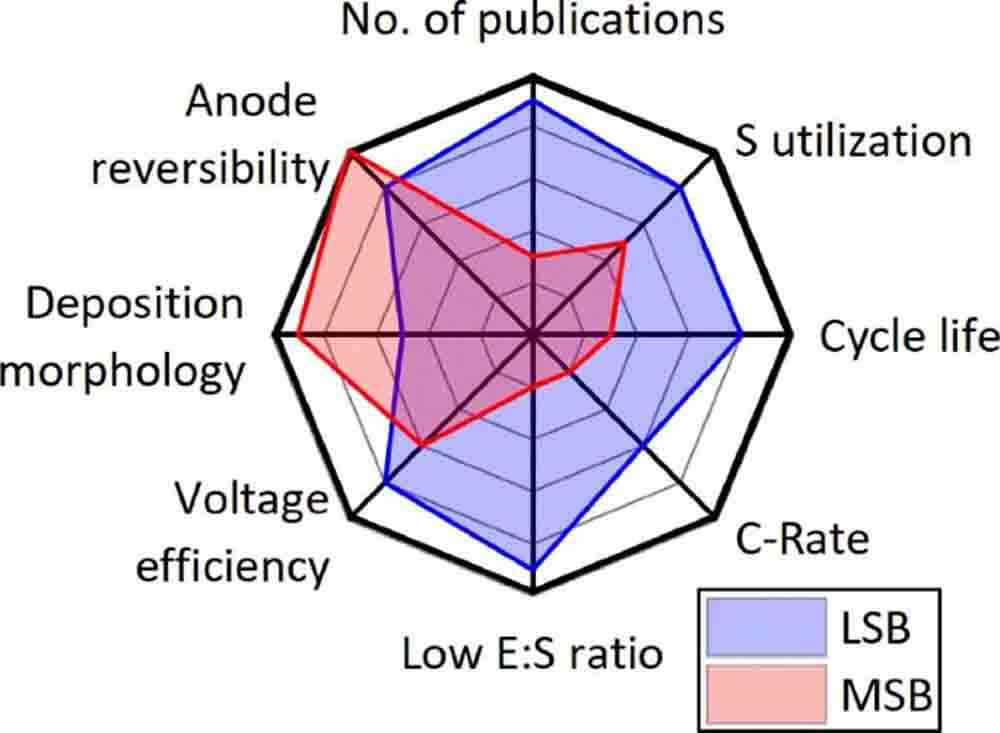
Figure 4: State-of-the-art LSB and magnesium sulphur battery battery characteristics and performance parameters.
Figure 4 provides an overview of a range of battery characteristics and performance parameters commonly presented in the literature. In this comparison, it is important to note that the first reversible discharge and charge of sulphur cathodes in magnesium electrolytes was demonstrated only in 2011, while LSBs have been studied since the 1960s.
In Figure 4, this is largely based on values from Chung and Manthiram’s systematic summary of the LSB and magnesium sulphur battery literature, with a much smaller number of publications. Thus, a comparison of the current literature corresponds to the state-of-the-art in LSB and magnesium sulphur battery research, but does not necessarily indicate their future potential.
As described in the previous sections, the stability of Mg metal anodes using commonly used electrolytes (expressed in terms of up to 99.9% Coulomb reversibility) is much higher than typically observed in Li metal anodes. At the same time, although not dendrite-free under all conditions, the deposition morphology of Mg tends to be more uniform than that observed for Li.
However, when the overpotential is involved, the Mg metal anode and the sulphur cathode in the Mg electrolyte show significantly higher values than those observed with LSB. At the battery level, the hysteresis between the average discharge voltage of 1.3V and the average charge voltage of 2.0V results in a voltage efficiency of only 65%.
For LSB, the ratio of the average voltage of 2.1 V during discharge to the average voltage of 2.3 V during charge will achieve voltage efficiencies as high as 91%. When multiplied by the coulombic efficiency, including the capacity loss during charging and discharging, the resulting energy efficiency will correspond to a lower value.
During long-term operation, the very low energy efficiency of current magnesium sulphur batterys can accumulate into high energy losses, especially when compared to high energy efficiency LIBs, but also compared to LSBs, which will result in higher operating costs.
Figure 4 further shows how the lower discharge capacity and reversibility of sulphur cathodes in magnesium sulphur batterys are reflected in the overall battery performance. First, the utilization of sulphur, that is, the discharge capacity of the cathode, when expressed in terms of sulphur per mass of sulphur (mAh gS-1), is related to the theoretical capacity of sulphur, reported in the current magnesium sulphur battery study, and is generally significantly lower than that observed in the LSB literature arrived.
Second, the capacity of the sulphur cathode is observed to decay faster in magnesium sulphur batterys. While in Li-based electrolytes, up to 1000 cycles have been demonstrated in multiple literatures, the reversible operation of S cathodes has so far been demonstrated only in Mg-based electrolytes for about 100 cycles.
Furthermore, magnesium sulphur battery studies have only shown charge and discharge rates between 0.01 C and 0.1 C, whereas the charge and discharge rates of LSB have exceeded 1 C. Finally, as mentioned above, the E:S ratio in the magnesium sulphur battery study is 60:1 or higher, while the LSB, E:S ratio below 3:1 has demonstrated stable operation.
Capacity
For the capacity of practical LSB and magnesium sulphur battery batteries, not only the S cathode is required to achieve reversible discharge capacity (expressed in mAhgS-1) and the overall average discharge voltage, but also the weight and volume of all inactive materials need to be included. ”
Considering that Li, Mg, and S are fairly light active materials, the weight of the bulk electrolyte, current collector, and carbon host structure has a much stronger effect on the total specific energy of practical LSB and magnesium sulphur battery batteries. This is the case, for example, with LIBs or solid-state batteries (SSBs).
For example, with an E:S ratio of 3:1, practical LSB and magnesium sulphur battery cells may only achieve about 11% of the theoretical specific energy, while in the case of practical LIB or SSB cells, 43% and 36%, respectively Theoretical specific energy. Due to the different capacity fading and cycle life of different battery compositions, the capacity may further change differently during cycling.
Figure 5: Specific energy and cost estimates for LSB and magnesium sulphur battery
Figure 5a-c illustrates how the specific energy of the actual LSB and magnesium sulphur battery is determined by the E:S ratio (mLgS-1) and the sulphur loading on the electrode (mgcm-2). In the case of magnesium sulphur batterys, the commonly observed average discharge voltage of 1.3 V is compared to cells with an assumed average discharge voltage of 1.7 V, which can be reduced by a large margin at the Mg anode and S cathode.
For the LSB, an average discharge voltage of 2.1 V was used. The values shown correspond to the battery pack level and therefore do not include the weight of soft packs, prismatic or cylindrical battery casings. For comparison with the capacity of state-of-the-art LIBs.
Referring to the estimated specific energy of graphite-lithium nickel cobalt aluminum oxide (NCA) battery, although showing similar specific energy to graphite-lithium nickel manganese cobalt oxide (NMC811) battery, the capacity of graphite-NCA battery exceeds that based on Battery for NMC622 or NMC111.
Following the method of Betz et al., an S/C composite with a sulphur content of 70 wt.% and a discharge capacity of 1200 mAh gS-1 was assumed to be employed at the positive electrode. Here, a typical cathode thickness of 100 µm corresponds to a sulphur loading of 5.8 mg cm–2. These assumptions are considered optimistic, especially for magnesium sulphur batterys. For Li anodes, a 100% Li excess was considered to compensate for the reaction with the electrolyte, while for the less reactive Mg anodes, no excess was calculated.
As a result, LSBs with E:S ratios of 3:1 and 2:1 provided 394 Wh kg-1 and 467 Wh kg-1 at a sulphur content of 5.8 mgcm-2, respectively (Fig. 5a). When further calculating the weight of the 18650 battery case, these values are reduced to 283 Wh kg-1 and 339 Wh kg-1 if the E:S ratio of the LSB is 3:1 and 2:1, respectively.
Based on a set of assumptions, corresponding to a specific energy of 314 Wh kg-1 at the graphite-NCALIB battery level and 264 Wh kg-1 at the cell level. In conclusion, 18650LSB cells with E:S ratios of 3:1 and 2:1 will significantly exceed the capacity of graphite-NCA cells.
Due to the high volumetric weight of the 18650 battery case per battery pack, the use of pouch cells will result in LSBs with higher specific energy. Unlike hard case battery casings, however, pouch cells do not allow too much excess liquid electrolyte to keep them from losing shape and stability.
magnesium sulphur batterys typically observed discharge voltages of 1.3 V or lower and E:S ratios of 60:1 or higher, corresponding to specific energy values of 23 Wh kg–1 or lower. However, for the low E:S ratios of 3:1 and 2:1, specific energies of 235 Wh kg-1 and 282 Wh kg-1 would be achieved at a sulphur loading of 5.8 mg cm-2 (Fig. 5b).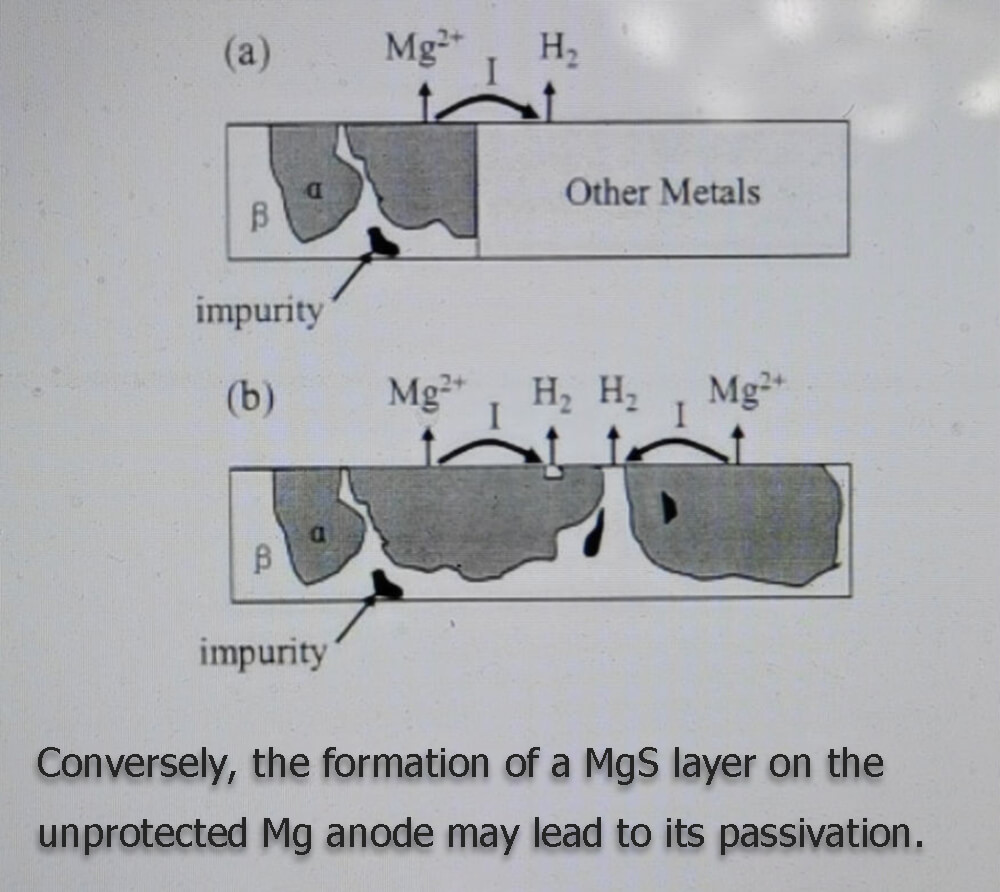
In an 18650 battery, these values correspond to capacities of 178 Wh kg-1 and 217 Wh kg-1. Even for such a low E:S ratio, magnesium sulphur battery would therefore show a lower specific energy than graphite-NCALIB.
In contrast, magnesium sulphur batterys with E:S ratios of 3:1 and 2:1 can reach 308 Wh kg-1 and 369 Wh kg-1 at the pack level (Fig. 5c) and 18650 assuming an average discharge voltage of 1.7 V. 233 Wh kg–1 and 284Wh kg–1 in the battery. For LSB, the specific energy of this magnesium sulphur battery is considered to be higher in the case of pouch cells.
However, as has been shown at the battery pack level, magnesium sulphur batterys require greatly reduced overpotentials and very low E:S ratios during discharge to achieve similar or even higher specific energies to graphite-NCALIB.
Cost
The E:S ratio and material cost per kWh associated with sulphur loading were also estimated based on the LSB and magnesium sulphur battery specific energy at the pack level. For Li and Mg electrolytes, the cost is assumed to be the same as that of a 1.2-M LiPF6-based electrolyte in BatPaC (15$ L-1).
Although Mg anodes in particular require specific high-purity electrolyte solutions. According to the USGS, the price of sulphur is 0.05 $ kg–1 and the price of metallic magnesium is 5.2 $ kg–1.
Compared to Mg, the high reactivity with air and moisture and the adhesion of lithium metal to production equipment are thought to result in higher production costs for lithium metal, especially in the case of thin foils (e.g. 67 µm for 200 µm). The % sulphur loading is 5.8 mg cm-2 for the cathode capacity.
As with the combined cost estimates for LIB and SSB technologies by Schmuch et al., in this study, a lower price estimate of 250$ kg-1 was compared with a higher price estimate of 1000$ kg-1. In contrast, for Mg, it is assumed that producing thin foils (eg, 19 µm for 100% cathode capacity with a sulphur loading of 5.8 mgcm-2) does not increase the cost significantly.
In Figure 5d–f, the material prices of LSBs and magnesium sulphur batterys are compared with the cost ranges (at the battery pack level) of several LIB technologies currently studied. While corresponding to higher values of ≈80 kWh for graphite-NMC622 cells, Si/graphite-Li and Mn-rich NMC cells represent lower values of ≈50 kWh.
For LSB, low-cost estimation of Li metal, the material cost of a battery pack with a sulphur content of 5.8 mg cm-2 and an E:S ratio of 2:1 to 3:1 is estimated to be 87-93 $kWh-1, if high cost Estimated 272-278$ kWh-1 (Fig. 5d).
While the C/S cathode only contributes 1.30 $kWh-1, the lithium metal anode contributes 62 $kWh-1 at a lithium cost as low as 250 $kg-1. For a high cost estimate of 1000 $ kg-1, the negative pole alone would be equivalent to a cost of 247 $ kWh-1.
For E:S ratios of 2:1 to 3:1, the cost of the electrolyte is 12 ~ 18 $kWh-1, while the total cost of other inactive materials is 13 $kWh-1.
As a result, the low cost of magnesium and sulphur electrode materials is hardly reflected in the total material cost per kWh. On the one hand, this is a relatively low specific energy at the magnesium sulphur battery-based pack level. On the other hand, the cost advantage diminishes with the use of large amounts of inactive materials in magnesium sulphur batterys compared to active materials in LIBs.
When including the cost of other inactive materials (such as battery casing) and the cost of battery production, pretreatment and extremely clean environment may be required to avoid passivation of the magnesium metal anode, the cost advantage of Mg and S electrode materials will be further reduced.
Acceptable E:S ratio in magnesium sulphur battery
Considering that the current magnesium sulphur battery study was conducted with an E:S ratio of 60:1 or higher, this corresponds to a practical energy density of 30kWh kg-1 or lower (Fig. 5b). The challenge of reducing the electrolyte mass ratio to 3:1 or even 2:1 is enormous.
For example, from a molecular perspective, the ratio of each gram of sulphur to 3 mL of DME is equivalent to about 1 solvent molecule per sulphur atom, or 4 solvent molecules per S42– species.
In other words, 1 g of sulphur per 3 mL of solvent corresponds to S42– or S82– concentrations of 2.6M and 1.3M, respectively. While for Li2S8, a solubility of 6 M was observed in TEGDME, for example, the solubility of MgS8 in THF, DME and TEGDME was less than 100 mM.
To achieve magnesium sulphur batterys with similar specific energy and lower cost compared to LIBs, electrolyte formulations with much higher solubility of magnesium polysulfides need to be developed.
Prospects for magnesium sulphur battery
After preliminary studies on HMDSMgCl/AlCl3- and MgHMDS2/MgCl2/AlCl3-based electrolytes (HMDS=hexamethyldisilazide), in MgCl2/AlCl3-, MgTFSI2/MgCl2- and Mg[B(ORF)4] The reversible phenomenon of magnesium sulphur batterys is also demonstrated in 2-based electrolytes (RF = fluorinated alkyl groups).
Meanwhile, several sulphur/carbon composites known from LSBs have been successfully applied in magnesium sulphur battery studies, and the electrochemical processes during the charge-discharge process of S cathodes in magnesium electrolytes have been investigated.
However, from a critical point of view, the paper argues that there is still a long way to go to develop state-of-the-art magnesium sulphur battery technology into practical battery technology.
First, due to the high voltage hysteresis during charging (2.0V) and discharging (1.3V), the charging and discharging current-voltage efficiency of magnesium sulphur battery will be lower than 65%, resulting in lower efficiency. Second, due to this hysteresis, and the high E:S ratio of 60:1 or higher, the energy density of current magnesium sulphur batterys will be as low as 23kWh kg-1 at practical battery pack levels.
To improve the voltage and efficiency and bring the practical energy content of magnesium sulphur batterys to a level comparable to that of LIBs, future studies should focus on the methods discussed below. The key research direction should be devoted to electrolyte design.
As a first priority, magnesium sulphur battery studies should focus on reducing the overpotentials of both electrodes. At the Mg anode, the overpotentials of electrodeposition and dissolution can be improved by lowering the strong desolvation barrier of Mg2+, for example by complexing Mg2+ with Cl species.
At the same time, the reducible impurities in the electrolyte should be eliminated through the pretreatment of the electrolyte, such as the use of reducing substances such as Bu2Mg14,20, so as to avoid the formation of the electrode surface film. For the battery behavior without tuning, the electrolyte should be further prepared with ideal stoichiometry.
At the S cathode, the overpotential of the S cathode during discharge and charge in the Mg electrolyte can be improved by reducing the Mg2+-polysulfide electrostatic interaction and stabilizing the formation of Mg polysulfides.
Despite being unstable on Mg anodes, the higher stability of Mg polysulfides can be demonstrated in high dielectric constant solvents such as DMSO and DMF to increase the average discharge potential by exploiting the formation of intermediate polysulfides.
During charging, the intermediate formation of polysulfides reduces the overpotential for oxidation of MgS to sulphur. Similarly, the overpotential of the S cathode has been found to vary with different ethers and may be further reduced by complexing Mg2+ cations with Cl species.
Second, in order to achieve practical specific energy values comparable to LIBs, magnesium sulphur battery research should focus on achieving extremely low E:S ratios. As pointed out in this view, magnesium polysulfides are much less soluble in common ethers than lithium polysulfides, and ultimately do not dissolve polysulfides in sufficient quantities at an E:S ratio of 3:1.
Therefore, magnesium sulphur battery research should focus on developing electrolytes with higher solubility of magnesium polysulfides. At the same time, however, this method should not promote the diffusion of polysulfides to the Mg anode to avoid the formation of passivation films.
Therefore, magnesium sulphur battery research should focus on new methods to anchor or confine dissolved magnesium polysulfide species in or at the cathode structure. Unlike LSB studies, the high electrostatic interaction of Mg2+ with surface groups may open up new strategies.
Finally, the Technology Readiness Level (TRL) must be considered. LIB is an established high energy density benchmark technology in various markets, while LSB is currently entering the market, while magnesium sulphur battery is at a very basic research stage, so lithium ion batteries be used in many scenario like lithium golf cart batteries, electric skateboard battery.ect.
Although the specific energy density of practical magnesium sulphur battery batteries may still be lower than that of LIBs and LSBs, it is too early to say whether magnesium sulphur batterys can be developed as more economical and sustainable alternatives to these technologies.
Unlike LIBs and LSBs, magnesium sulphur batterys are quite competitive in terms of electrode material cost, abundant resources, and more environmentally friendly active materials. Such systems are of great interest for the more sustainable integration of renewable energy into the grid.