Skip to content
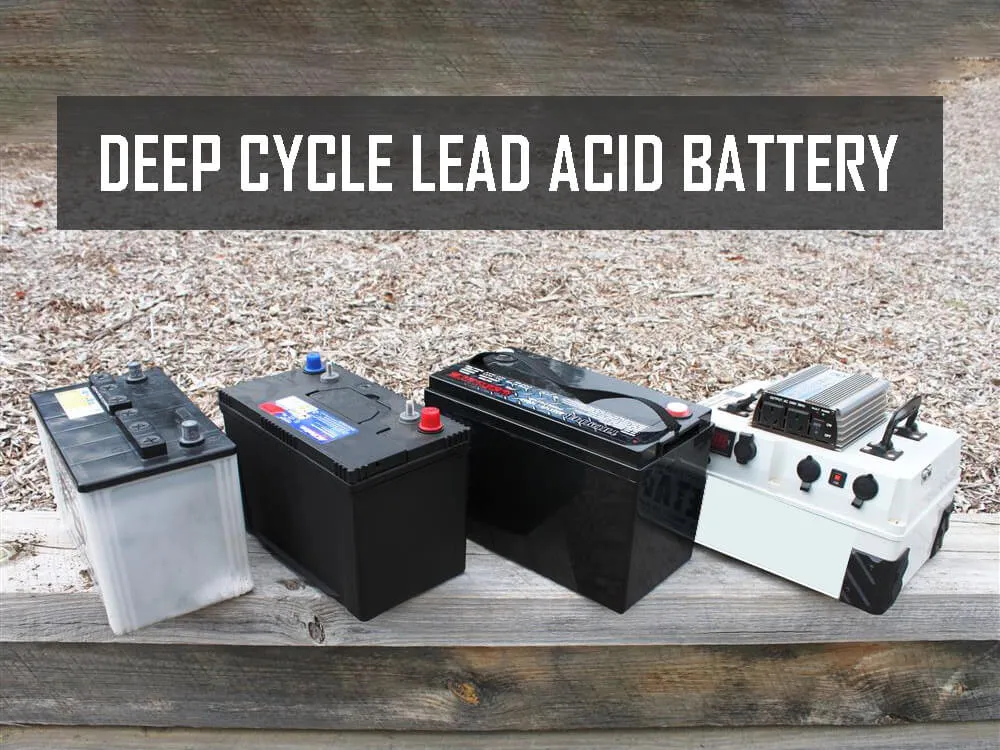


What is a deep cycle lead acid battery
The main feature of deep cycle batteries is that the depth of discharge is higher than 80%, and it can continuously provide energy for the device. Our common deep cycle batteries are lithium-ion batteries, which have a particularly high number of cycles and a depth of discharge of 100%.
This power supply is meant to be maintained till the battery is discharged to at least 80% or more after which the battery needs to be recharged. Although deep cycle batteries provide sustained power for a long period, not all of them are lithium batteries. A lead-acid battery that can release more than 80% of its power is a deep cycle lead acid battery.
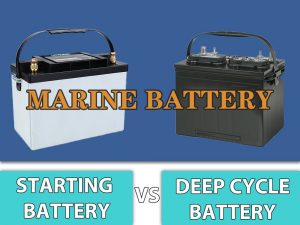
Differences between lead acid start battery and deep cycle battery
The deep cycle designation of a battery defines the energy supply and performance properties of the battery while the lead-acid designation defines the battery chemistry itself. It is important to understand that not all deep cycle batteries are lead-acid and not all lead acid batteries are deep cycle. Two kinds of batteries can be distinguished from the current, the starting battery can provide a large current, and the deep cycle works continuously with a small current.
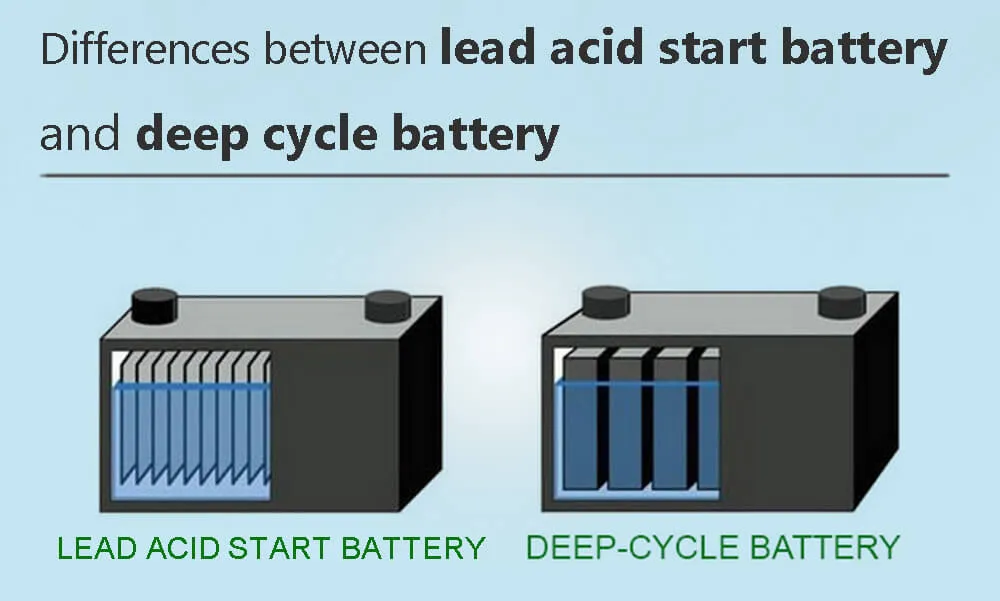
Their application scenarios are also different. Deep-cycle lead-acid batteries are used for energy storage scenarios such as solar cells, home backup power, etc., while lead-acid starter batteries provide high current for various cars to start.
The pros and cons of a deep cycle lead acid battery
Each battery type comes with several pros and cons and a deep cycle lead acid battery is no different, some of these include;
Pros:
●They are available in multiple shapes and sizes.
●They have a dependable and sustainable energy supply when properly charged.
●They have a relatively long life.
●They have a low cost of manufacturing and hence, are not expensive to purchase.
●Lead can be recycled and reused in producing new batteries.
●They offer satisfactory performance in a wide temperature range.
Cons:
●They have low specific energy and even lower energy-to-weight ratio
●They must always be stored in a charged state to prevent sulfation which damages the battery performance.
●They take long periods to charge, usually reaching over 12 hours per cycle.
●Lead is not environmentally friendly and could be an environmental hazard if spilled.
●They are a lot heavier compared to other types of batteries.

Application of deep cycle lead acid battery
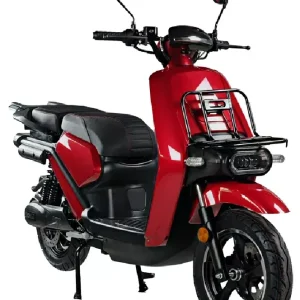
A deep cycle lead acid battery has a wide range of applications and is commonly used all over the world. Some of these applications include use as storage systems for electric scooters, bicycles, recreational vehicles, forklifts, and marine applications. They are also used as backup energy supplies such as UPS and alarm systems.
How long does a deep cycle lead acid battery last
A deep cycle lead acid battery is commonly designated to have a limited life cycle and irrespective of how well you maintain these batteries they do not last longer than this. A typical battery like this only has a cycle life between 500 to 1000 cycles. This means that most deep cycle lead acid batteries need to be replaced at least every 2 years.
Alternatively, batteries like lithium-ion have a significantly longer life span compared to deep cycle lead acid batteries as their cycle life’s reach up to 2000 to 4000 cycles. This means lithium batteries can last for as long as 10 years under normal usage conditions.
What is the correct way to charge a lead acid battery
A deep cycle lead acid battery can be discharged and charged to a certain level to help maintain optimum performance and preserve battery life. It is recommended that a lead acid battery should not be discharged below 50-80% , it cannot be placed in a low battery state for a long time to avoid vulcanization affecting the battery performance and life, and charging should not reach 100% to prevent overcharging.
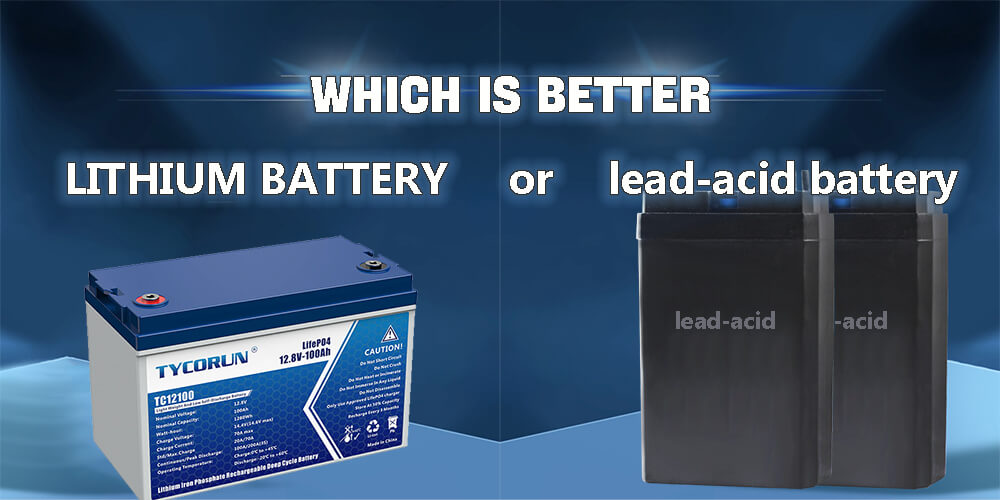
Which is better – lead-acid battery or lithium battery
While there is no debate that a deep cycle lead acid battery has its advantages, these advantages are easily outweighed by that of lithium batteries. Lithium batteries have a much longer cycle life(up to 4000), they can perform effectively across a wider temperature range, they require zero maintenance, they have a large capacity and energy density, and are less prone to leakages. And while lithium batteries may be more expensive than lead acid, their longer life span makes them cost-effective and a much better long-term choice. So now more and more lithium battery replacement lead acid products, indicating that lithium batteries have more development prospects. More information about lead acid battery vs lithium ion can be found by clicking the link.
Can a deep cycle lead acid battery replace a lithium-ion battery
Deep-cycle lithium-ion battery can replace many applications of deep cycle lead acid battery, mainly due to the development of environmental protection and lightweight. Lithium-ion density is high and environmentally friendly, which is a suitable choice.
A lithium-ion battery can be charged and discharged at 100% with little to no adverse effect on the battery itself and can offer a wider temperature usage range. So while a deep cycle lead acid battery can be used to replace a lithium battery, but it can not perform as well as a lithium battery; neither can it last half as long as its lithium counterparts. So while it is possible to replace a lithium battery with a deep cycle lead acid battery, it is not recommended as it would result in almost a 50% drop in performance and as well as life span.
If you want to reduce costs, you can choose deep cycle lead acid battery, but in some application scenarios, such as portable battery station, you still need lithium-ion batteries, especially lithium iron phosphate, because of their light weight, or for household energy storage, which needs to be used for a long time, lead-acid batteries are only less than one-third of lithium batteries, so they cannot replace lithium batteries.