Skip to content



Dealing with this situation and the precautions to take are important to maintain devices and ensure safety of users. In the following sections you’ll find all information you need to know about battery corrosion.

Does battery corrosion mean bad battery
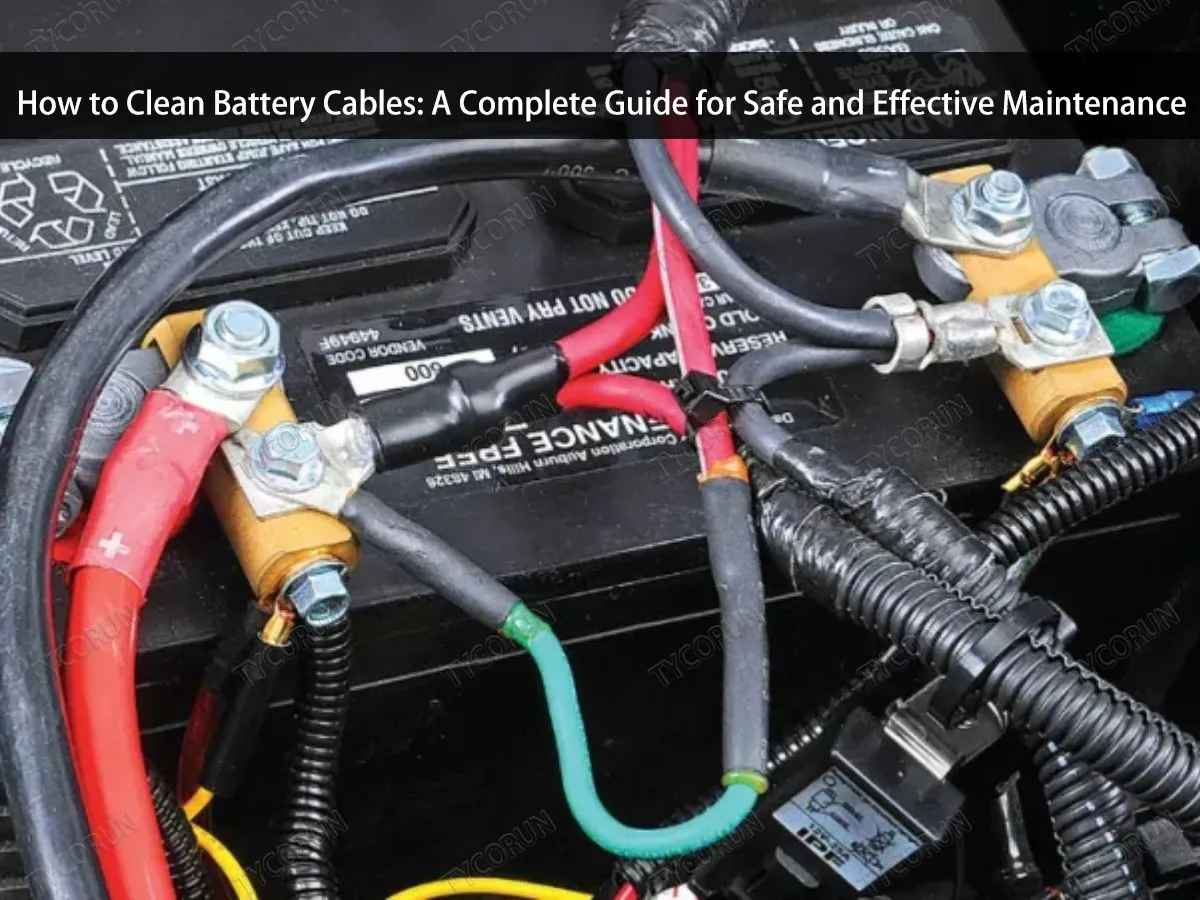
Battery corrosion is a common phenomenon, it’s caused by different factors and leads to a significant change in performance. There are three types of battery corrosion; When the lead-acid battery is overcharged, the anodic oxidation reaction causes corrosion of the positive grid.The second is caused by the difference between metals of terminals and cables.
The other type known as sulfation occurs inside the battery over time.Lithium-ion batteries do not sulfate as lead-acid batteries are periodically recharged. Battery corrosion in some cases means that the battery is dead, especially for single-use batteries.
However, corroded rechargeable batteries could be reconditioned and they may recover their specs if it’s done properly. For the case of lithium-ion batteries, their technology protects them from this phenomenon, but their connectors made of metal may corrode and that could affect their performance.
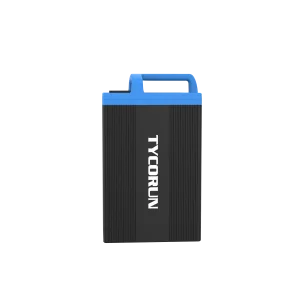
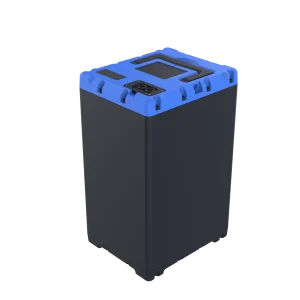
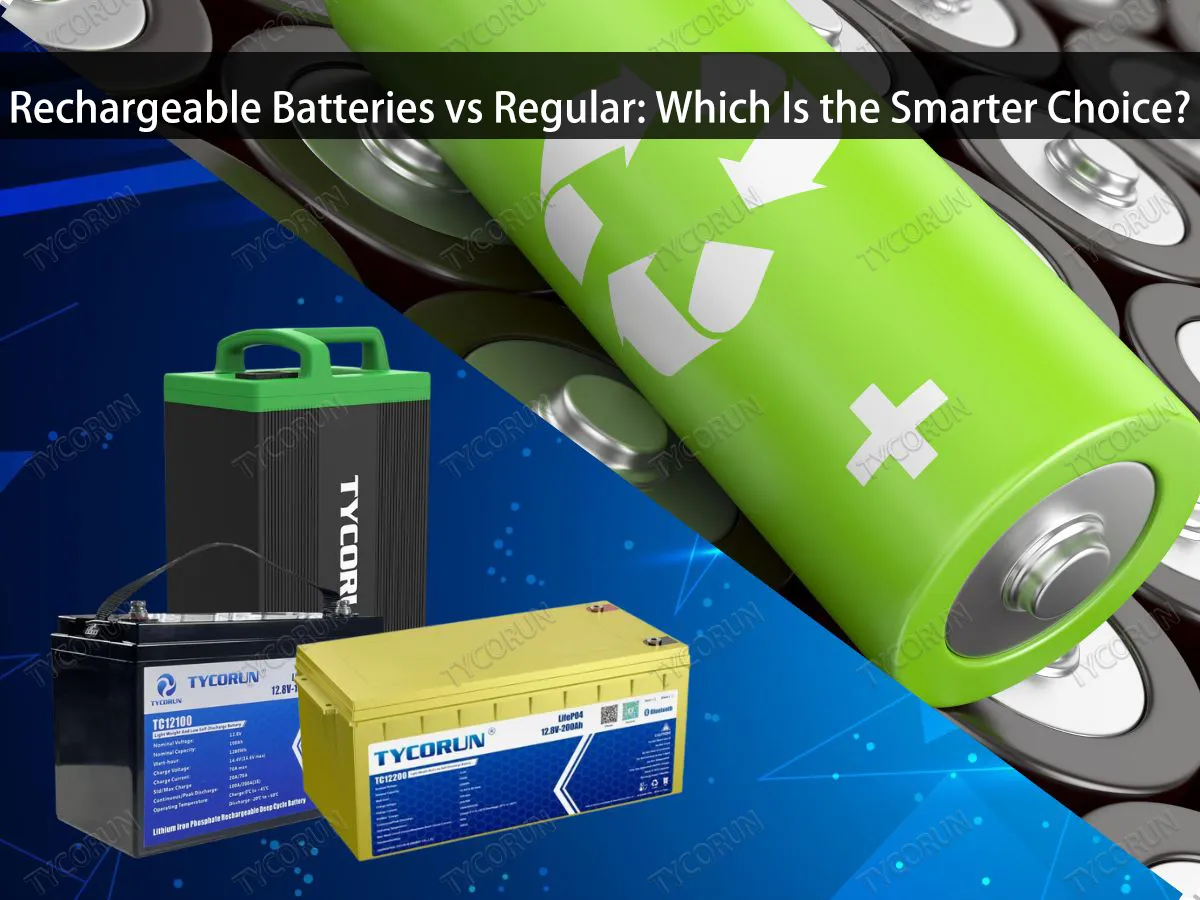
At this time, you must want to know what a lithium-ion battery is. Here I will show you how the lithium iron phosphate battery pack is made. Maybe you can find out why the lithium iron phosphate battery pack is not easy to corrode.

Can you fix battery corrosion
Battery corrosion doesn’t just affect the battery, but it also causes some damage to the device it’s mounted on. Getting rid of external corrosion is simple and can be safely done at home.
First, you need to get some stuff: lemon juice or white vinegar, gloves because you don’t want to touch the toxic materials with your bare hands, cotton swabs, baking soda, and cloth.
You start by neutralizing the base corrosion using an acid (lemon juice or white vinegar), using the cotton swabs you apply acid on the corrosion. Using baking soda, you remove the traces of crossing from the device. Once you finish, let the device dry and then you can install new batteries.
You can fix the battery by cleaning the terminals properly, but if corrosion already caused damage, there is nothing you can do. If you have a device with lithium-ion batteries, they are less likely to corrode, however, their terminals can, and that may affect power flow so they have to be cleaned.
Just a reminder, seriously corroded batteries are no longer useful and they are harmful to the environment. Make sure to dispose of them in the appropriate way so they could be recycled or properly destroyed.
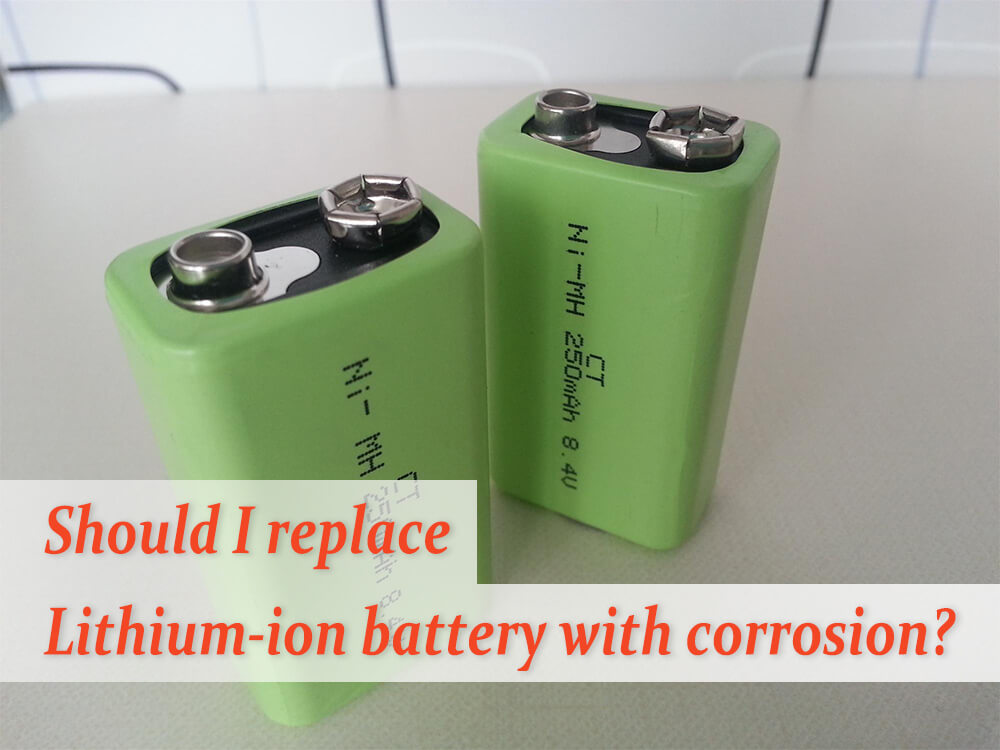
Should I replace Lithium-ion battery with corrosion
If your battery is discharging faster or supplying lower energy, corrosion could be the one to blame. Battery corrosion usually happens over time, so aging is the most common reason for this chemical reaction.
When it occurs, corrosion causes leaks, which affects the terminals and the connectors on the product, if it’s not treated properly it can cause serious damage and you will have to replace parts of the device or the device itself in some cases.
So, pay attention to symptoms, visually inspect batteries and make replacements in time. for lithium-ion batteries, corrosion will only affect the connectors, that has impact on performance as it disturbs energy flow, but a deep cleaning will fix the problem.
What causes bad battery corrosion
Battery corrosion is the result of many factors some of them are related to its functioning and others are due to the environment. The electrolyte is among the main components of a battery, when it leaks it accumulates over the terminals, over time this leads to corrosion. Some metal batteries, like the lithium-ion batteries, don’t corrode but their connectors do when they are exposed to humidity and they need to be treated.
When current passes through copper materials, it produces copper sulfate, this can be distinguished by its bluish color. Overcharging is also a cause of battery corrosion, in this case, corrosion will be noticed on the positive terminal. Aging is also a cause of battery corrosion, but some other factors may accelerate this like excessive exposure to elements like salt or moisture. Paying attention to avoid these factors could preserve your batteries and avoid extra expenses.
How long does it take for a car battery to corrode
Battery corrosion depends on many factors, among them we have aging which is in fact the most common one. When a battery’s lifetime comes to an end it gets severely corroded and needs to be replaced. A car battery has an estimated life span of five years but it should be properly maintained and inspected to keep it that long otherwise it won’t last.

How do you stop battery corrosion
Preventing battery corrosion is easy, effective, and money-saving. Simple actions can preserve your battery and save you money and time. These measures could be helpful:
●Using anti-corrosive sprays on terminals, they have special chemical formulation allowing them to prevent corrosion. You can find them in superstores and car parts stores.
●An inexpensive way to prevent Battery corrosion is using petroleum jelly on terminals prevent oxidation. To do so, you need to disconnect the car cables, apply a tablespoon of petroleum jelly and then connect the cables starting with the positive.
●Applying dielectric grease on terminals can prevent corrosion build-up, just make sure cables are disconnected during application.
●Overcharging and undercharging are among common reasons for battery corrosion, to prevent that avoid keeping systems on for long periods of time. Follow manufacturer’s guidelines for more information about voltage and use.
●Using lithium-ion batteries can keep you from the problem of corrosion, however you should pay attention to terminals because they may be affected in some cases.
How to keep battery healthy
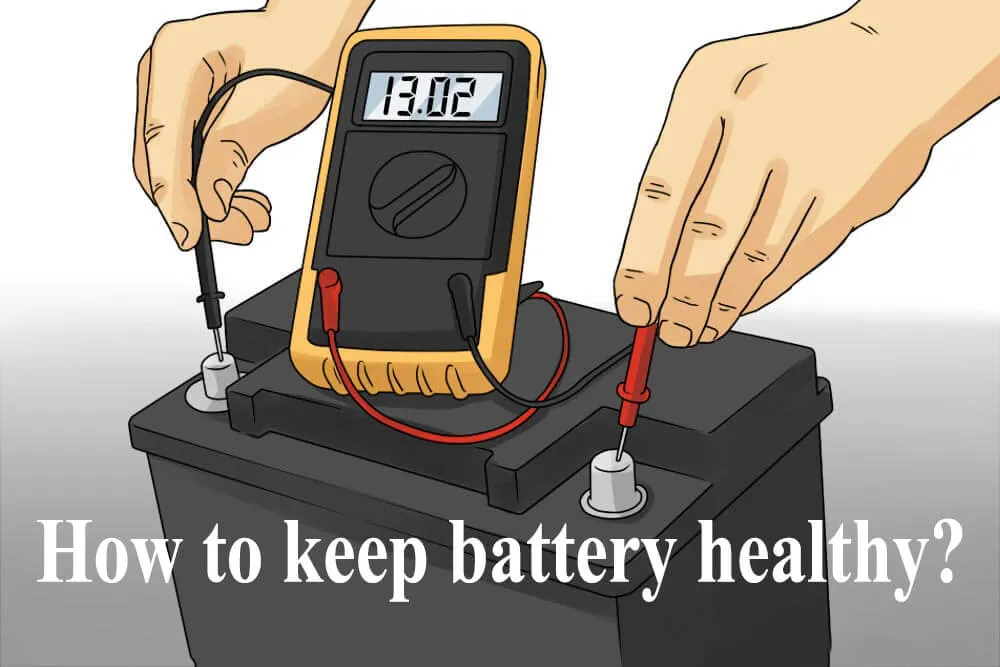
If you want to keep your battery healthy, you could first understand the battery health check.
And then taking some measures could keep your battery’s life span and save your money.
1.Start the battery at regular periods of time; keeping the battery unused for a long time will cause a fast power draining, Charge regularly at least once a week will prevent that.
2.Keep the battery working or storing within the specified temperature range, and in a dry environment, otherwise there will be the possibility of corrosion.
3.Be careful of heat exposure, batteries significantly lose their capacities due to heat as the internal liquids evaporate faster. During summertime, try to keep the battery out of the sun as possible.
4.Checking the battery voltage frequently is a good way to monitor any changes in specs and allows you to identify problems before they get serious.
5.Protect your battery from corrosion, there are multiple ways to prevent that and it’s a great way to extend the life span as battery corrosion is the main reason for losing health.
Conclusion
Battery corrosion has terrible effects on batteries and their performances and in extreme cases it can damage the devices. Monitoring and taking precautions will save you the headache and keep money in your pocket. Using non-corrosive lithium-ion batteries could also be a great solution to the problem.