Skip to content
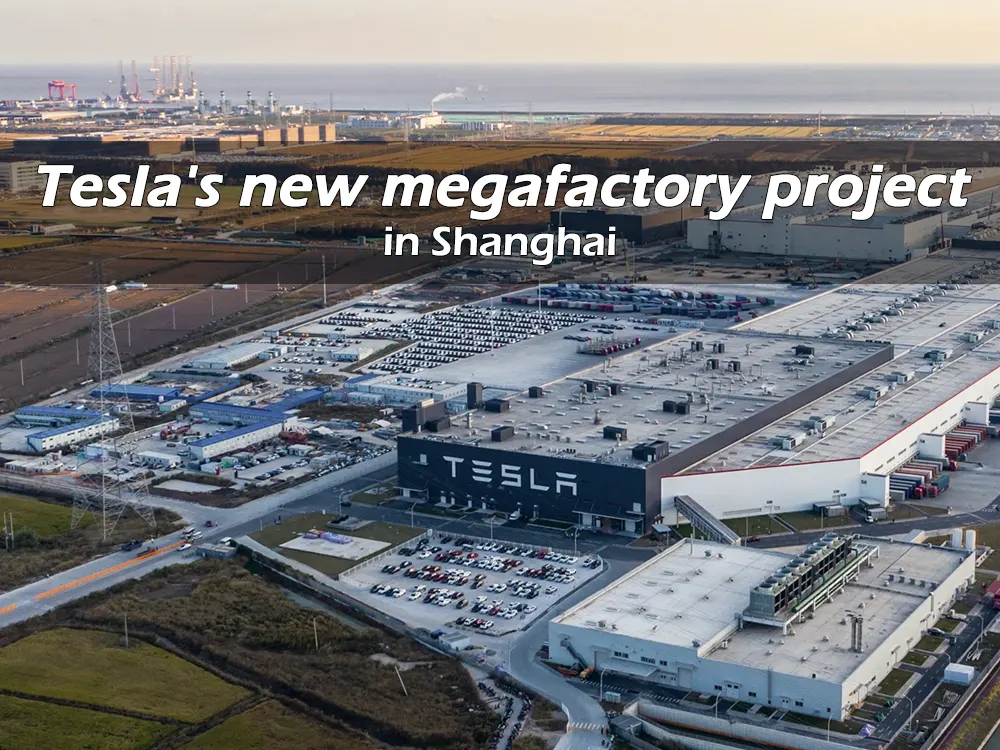


Tesla’s new megafactory in Shanghai
On April 9, the signing ceremony of Tesla’s energy storage megafactory project was held in Shanghai. This lithium ion battery factory will plan to produce Tesla’s ultra-large commercial energy storage battery (Megapack).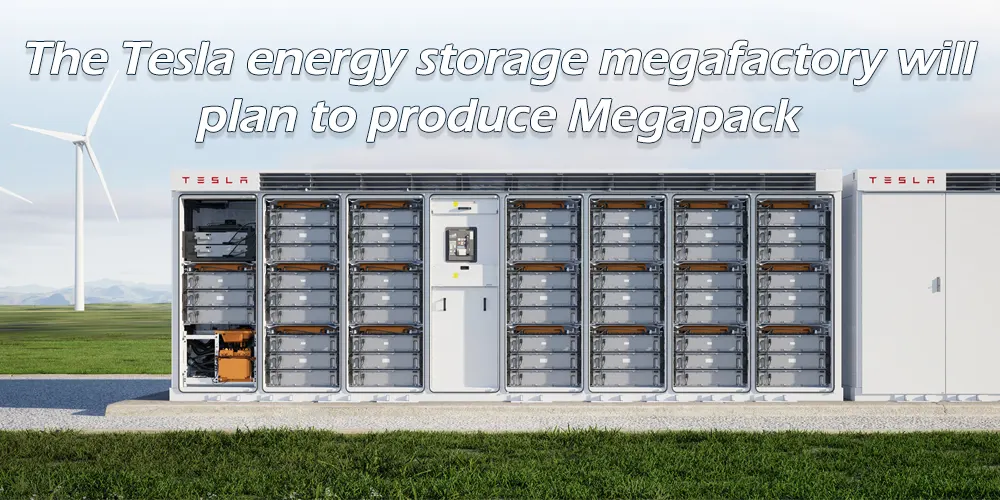
The Tesla Energy Storage megafactory project is located in the Lingang special area. The project is also Tesla’s first energy storage superfactory project outside the United States.
The Tesla energy storage megafactory will plan to produce Megapack. The initial plan is to produce up to 10,000 commercial energy storage batteries per year, with an energy storage scale of nearly 40GWh, and the scope of product supply covers the global market.
The Tesla energy storage superfactory project is scheduled to start in the third quarter of 2023 and put into production in the second quarter of 2024.
Tesla megafactory layout
Tesla’s production capacity layout covers North America, Asia and Europe. Tesla has 6 factories around the world.
(1) The first megafactory -Nevada factory
Tesla’s first megafactory is located in Nevada, USA. This is Tesla’s first self-built megafactory. It was completed and put into production in June 2014. This factory mainly produces power batteries, Powerwall and Powerback.
(2) The second megafactory -New York factory
Tesla acquired Solarcity’s plant in 2016 and used it to build its second Gigafactory, which is situated in New York, USA. This facility specializes in manufacturing solar roofs and has a weekly capacity of 1,000 sets of roof equipment for use with Powerwall and Powerback.
(3) The third megafactory -Shanghai factory
Tesla’s third megafactory is located in Shanghai, and it is the fastest-built factory. It took only 10 months for engineering construction, and it was officially put into operation in early 2019. The third factory mainly produces Model3 and ModelY. This factory is Tesla’s first overseas factory.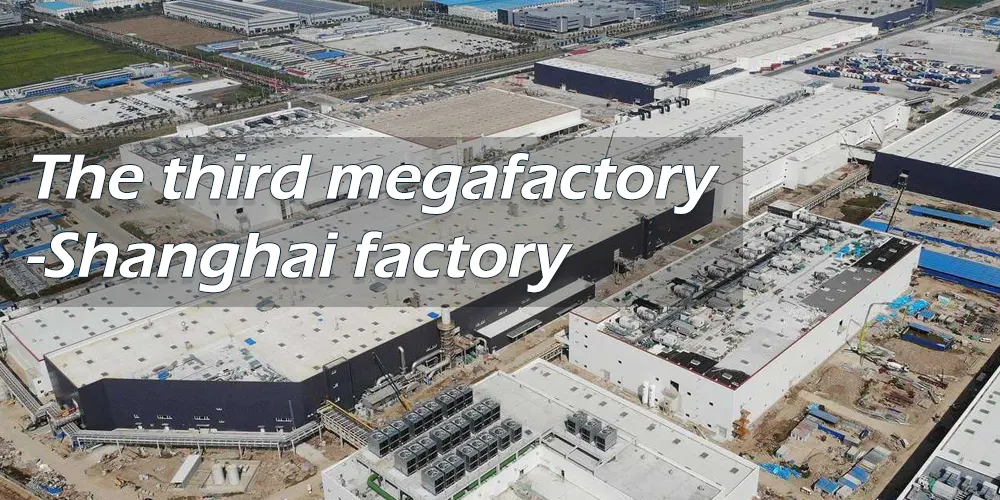
(4) The fourth megafactory -Berlin factory
Tesla’s fourth megafactory is located in Berlin, Germany, and is Tesla’s first megafactory in Europe. At least 500,000 cars and the required batteries will be produced annually, and at least 12,000 jobs will be created there.
On March 22, 2022, Tesla’s megafactory in the suburbs of Berlin, Germany officially opened. On October 2, 2022, Tesla announced that the weekly production of Model Y cars at the Berlin megafactory reached 2,000.
(5) Fremont factory -California factory
This factory is located in California, USA. It is not Tesla’s own factory, but acquired through cooperation. On October 19, 2010, Tesla took ownership of the factory, and it officially opened on October 27.
On June 22, 2012, Tesla delivered the first Model S here. Tesla spent $42 million to acquire the factory and then another $15 million to upgrade equipment before announcing the expansion in 2016.
(6) The sixth megafactory -Texas factory
The Texas megafactory is located in Austin, the capital of Texas, USA, covering an area of 12,000 acres, with a volume of 9.57 million cubic meters and a length of 15 city blocks (1,166 meters).
This new megafactory has five main advantages, namely 4680 battery, CTC structured battery pack, integrated die-casting body, Cybertruck pickup, and high production capacity.
Tesla energy storage battery
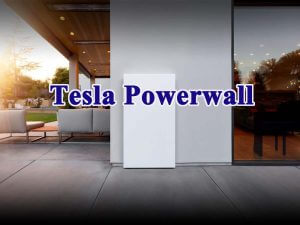
The new megafactory in Shanghai will plan to produce Tesla’s ultra-large commercial energy storage battery (Megapack). At present, Tesla’s lithium-ion energy storage battery products mainly include Powerwall, Megapack and so on.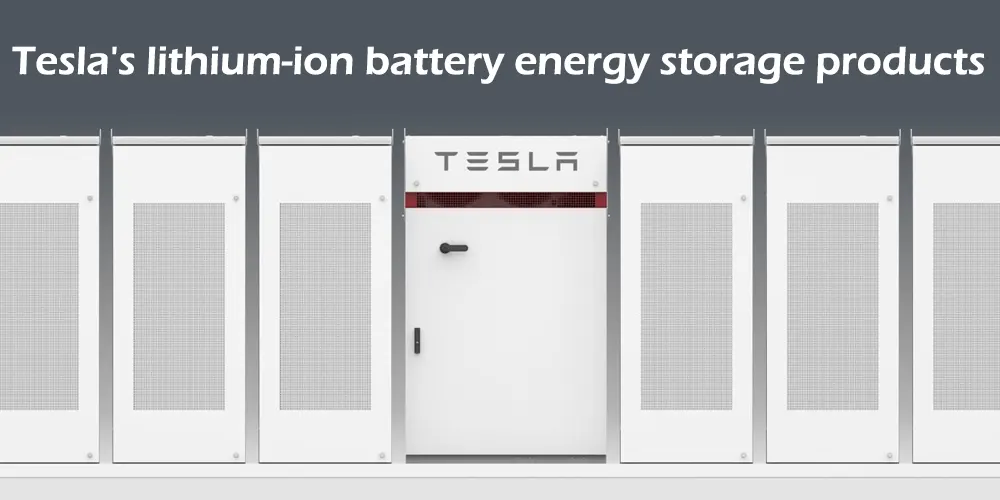
Among them, Powerwall stores energy in homes or small commercial facilities, and Megapack provides energy storage solutions for commercial, industrial, utility and energy production customers.
In 2019, Tesla officially launched the Megapack large-scale energy storage system for the utility-scale energy storage market.
The Megapack is a large battery that stores and supplies energy, helping to stabilize the grid, preventing blackouts and having a complementary effect on sustainable energy infrastructure.Tesla claims that each Megapack battery can store more than 3MWh of energy, which can meet the electricity demand of 3,600 households for one hour.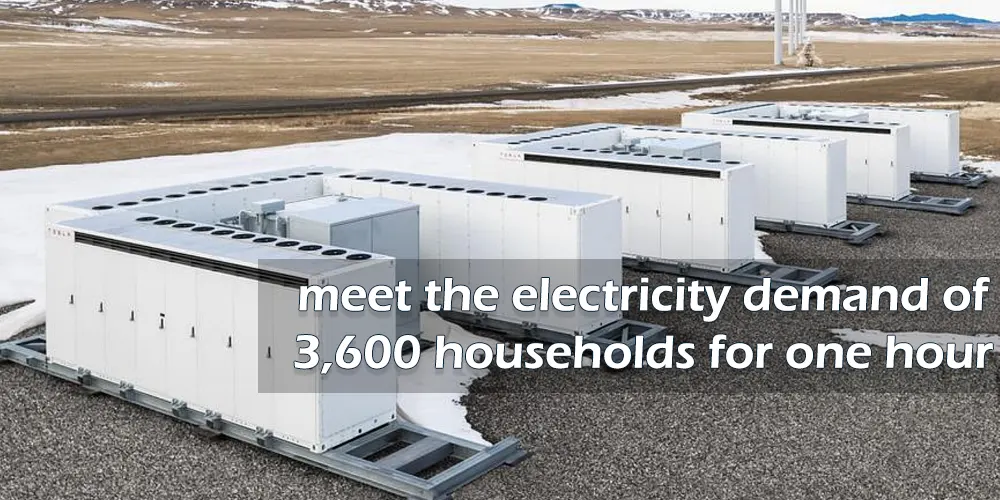
Megapack batteries can support low-cost, high-density utility projects at the gigawatt-hour scale. Flexibility is a major feature of Megapack batteries. At the same time, the Megapack battery can also be updated in real time through OTA to continuously optimize its functions.
Why build a new Shanghai megafactory?
Expansion of market demand for electric vehicles
At present, the Chinese market is Tesla’s second largest market after the United States. At the same time, the Shanghai megafactory is Tesla’s current production center with the highest production capacity in the world.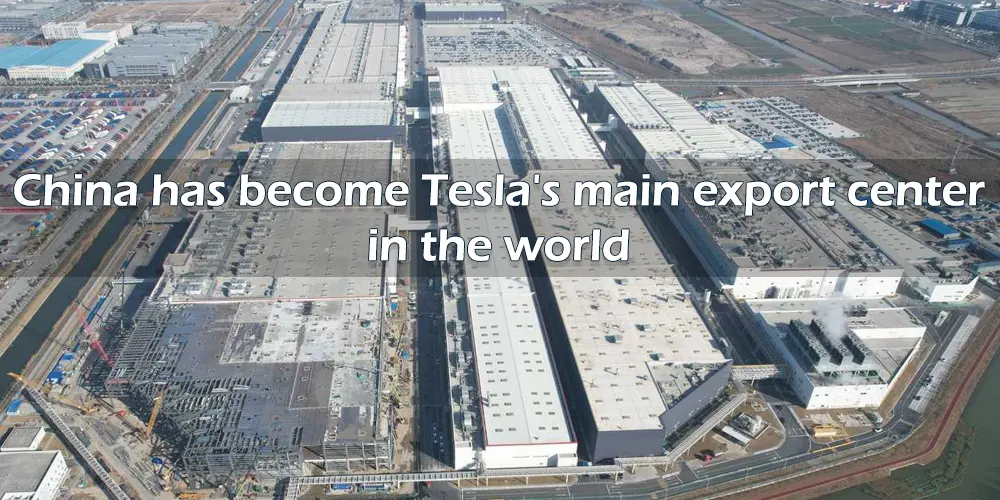
In 2022, Tesla Shanghai megafactory will deliver over 710,000 electric vehicles. China has become Tesla’s main export center in the world, and electric vehicles are selling well in Asia Pacific, Europe and other places.
Growth of energy storage business
Data show that Tesla’s energy segment achieved revenue of US$1.3 billion in the fourth quarter of 2022, a year-on-year increase of 90%. Among them, the energy storage business is far ahead. The total deployment in 2022 will reach 6.5GWh, of which the fourth quarter alone will reach 2.5GWh, a year-on-year increase of 152%.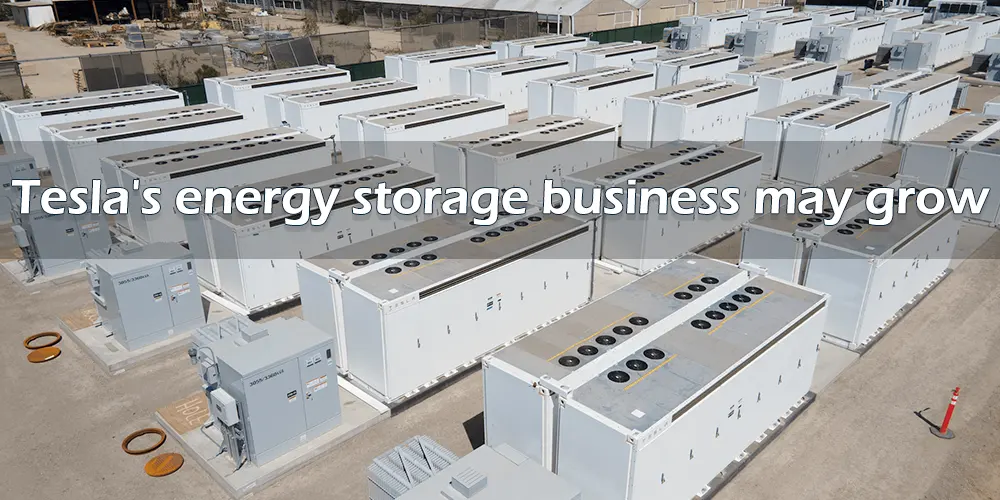
Tesla’s energy storage business may grow by more than 10 times in the future, with a year-on-year growth of 60% in 2022 alone, and a compound growth rate of 65% from 2016 to the present.
Shanghai renewable energy industry chain
Tesla chose to settle in Shanghai again, which is closely related to the rich industrial chain resources in the renewable energy field of Lingang special area
The Lingang special area has formed a relatively complete industrial chain layout in the field of energy storage. Focusing on blade manufacturing with high technical barriers, it gathers top 10 wind energy companies in China.
At the same time, the Lingang special area is also an industrial gathering place for advanced energy storage enterprises in the field of important photovoltaic materials and energy storage batteries.
Tesla development plan
In the third chapter of Tesla’s “Master Plan” announced this year, Tesla’s goal of achieving sustainable energy applications is clarified. Tesla will turn to sustainable energy in an all-round way, with the goal of achieving 100% sustainable energy by 2050.
In addition, Tesla suggests using heat pumps, high-temperature energy storage, green hydrogen energy, sustainable energy, and operating current power grids with renewable energy. All of these changes would be implemented simultaneously. These are the key five elements to achieving this objective.