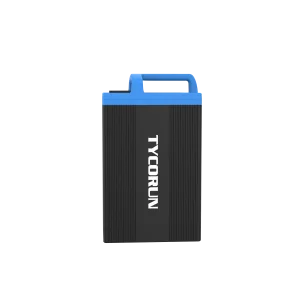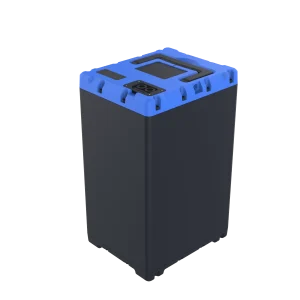
The cell of lithium ion battery consists of only five parts, and there are about 10~20 kinds of materials related to the cell.
The battery comprises a cathode material, a anode material and a corresponding fluid collector, separated by a separator between the cathode and anode, and its main components are polypropylene and polyethylene plastic.
The anode and cathode materials are coated on the collector fluid and the separator are crimped or laminated to form a coil core, and then put into the metal shell or plastic film, and then after the electrolyte injection and other processes, the metal shell or plastic film is completely sealed, and then can be moved to the next cell process.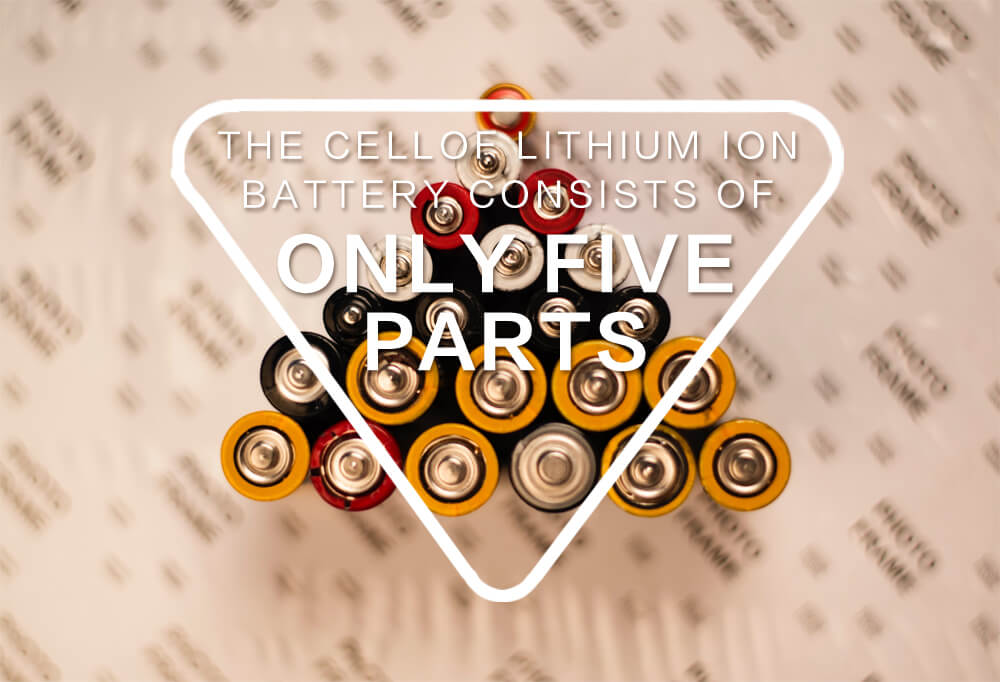
Cathode materials of lithium ion battery
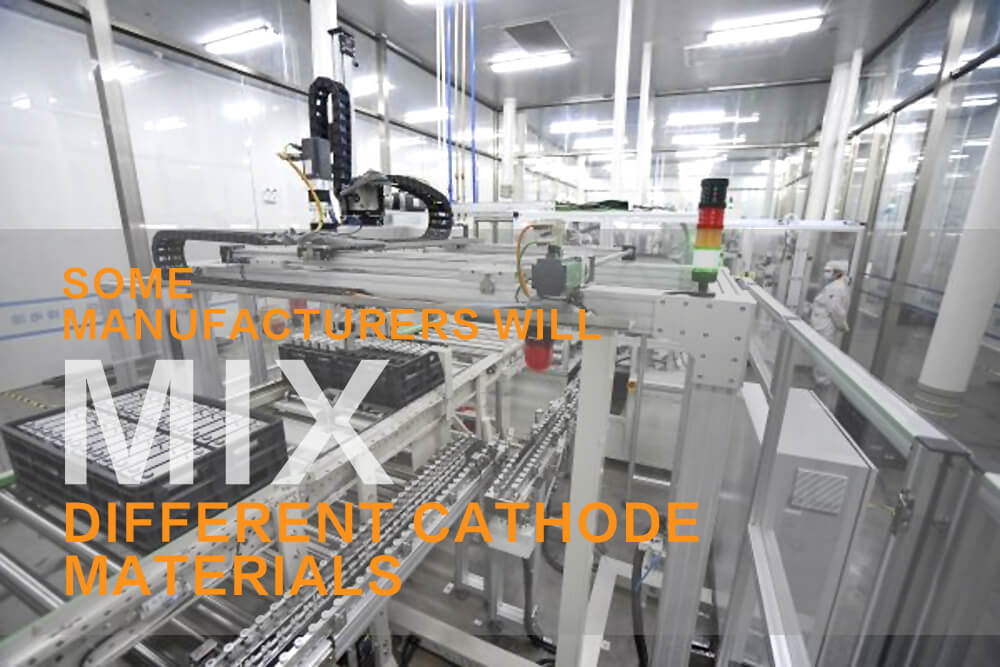
Lithium ion battery is a very complex system consisting of different kinds of electrode materials, each with different performance characteristics. The cathode materials that have been commercialized include lithium iron phosphate, lithium cobalt acid, lithium manganese acid, nickel drill manganese ternary and nickel drill aluminum ternary materials. Different manufacturers use five cathode materials and match them with different anode materials to achieve specific properties. Some manufacturers will mix different cathode materials, hoping that different materials can complement each other to improve the overall performance of the cell.
Lithium iron phosphate is a common cathode material for power lithium ion battery for car. Compared with other electrode materials containing non-ferrous metals, lithium iron phosphate has abundant raw materials and lower price, which is suitable for large-scale applications. High power is also suitable for practical applications, as it allows for quick charging and better power for cars. There is also a major reason that lithium iron phosphate is considered a “safe” battery. This is not accurate, because all lithium ion batteries have similar thermal runaway processes, just different temperatures at which thermal runaway can be achieved. However, it should be acknowledged that in all lithium ion batteries, lithium iron phosphate batteries have relatively good tolerance to overcharge, high temperature and other abuse conditions. However, the low energy density and limited driving range of lithium iron phosphate battery are the main shortcomings in the application of lithium iron phosphate battery in the field of pure electric vehicle.
With the increasing demand for battery energy density in electric vehicles, ternary cathode materials are getting more and more attention. With ternary material as the cathode electrode and graphite as the anode electrode, the discharge voltage range is about 3.6~3.8V. In the current commercial lithium ion battery, the energy density is relatively high, the specific energy is 140~180Whkg, and some manufacturers’ products can reach 200 Wh /kg
Lithium cobalt ion batteries are mainly used in portable electronic products, such as mobile phones, cameras, laptops and so on. Although lithium cobalate has high energy density and cycle life, its thermal safety is poor. Thermal runaway occurs when the temperature is higher than 130℃, while the threshold temperature of thermal runaway of other battery systems is relatively higher. Because of this, lithium cobalt oxide is commonly found in small consumer electronics and rarely used in large energy applications, and some manufacturers have banned lithium cobalt oxide from electric vehicles.
Lithium ion battery with nickel-cobalt-aluminum terpolymer as cathode electrode have the highest specific energy in all lithium-ion batteries. They are commonly used in mobile power supply, and their application in electric vehicles has been controversial because of their high cost, but the more important problem is their low safety.

Lithium manganate cathode material has the characteristics of low cost, good safety and high power, but the cycle life is relatively short, especially the high-temperature life is difficult to meet the needs of power battery, so the current application is limited.
Anode materials of lithium ion battery
At present, commercial lithium ion battery mainly use graphite, soft carbon or hard carbon as the anode electrode. There are many kinds of graphite materials, and different kinds of materials have a great influence on the performance of the cell. With the development of lithium ion battery, lithium titanate anode has attracted great attention. The lowest operating temperature of lithium titanate anode can reach -40℃, which has excellent power characteristics, cycle stability and high safety. However, the operating voltage of lithium ion titanate battery is relatively low, generally in 2.2~2.3V, and the price is even more expensive than terpolymer and lithium iron phosphate. Some manufacturers are committed to reducing the price of lithium titanate, so that it is suitable for low energy density, high power and long life applications, such as micro-hybrid electric vehicles and electric buses.

There are many theoretical and practical studies on new anode materials. Silicon, tin, germanium, carbon nanotubes and other nanocomposites are well developed in the laboratory, but none can be mass-produced.There are many possibilities for improving the battery energy density from a anode pole perspective. But even if high-volume materials can be commercialized, there are still many obstacles. For example, the silicon anode, during the charging and discharging process, the material with huge volume expansion and contraction, on the one hand, the cycle efficiency is low. On the other hand, the overall volume of the battery changes too much, can not adapt to large-scale applications. Most of these materials are currently in the laboratory, but it is hoped that these shortcomings will be overcome and commercialized in the near future.
The separator materials of lithium ion battery
Separator is usually plastic, ceramic or a combination of the two film, its main function is to isolate the cathode and anode poles. If the separator is missing or damaged, contact between the cathode and anode poles will cause internal short circuit, resulting in battery failure. Therefore, we should avoid the damage of separator .
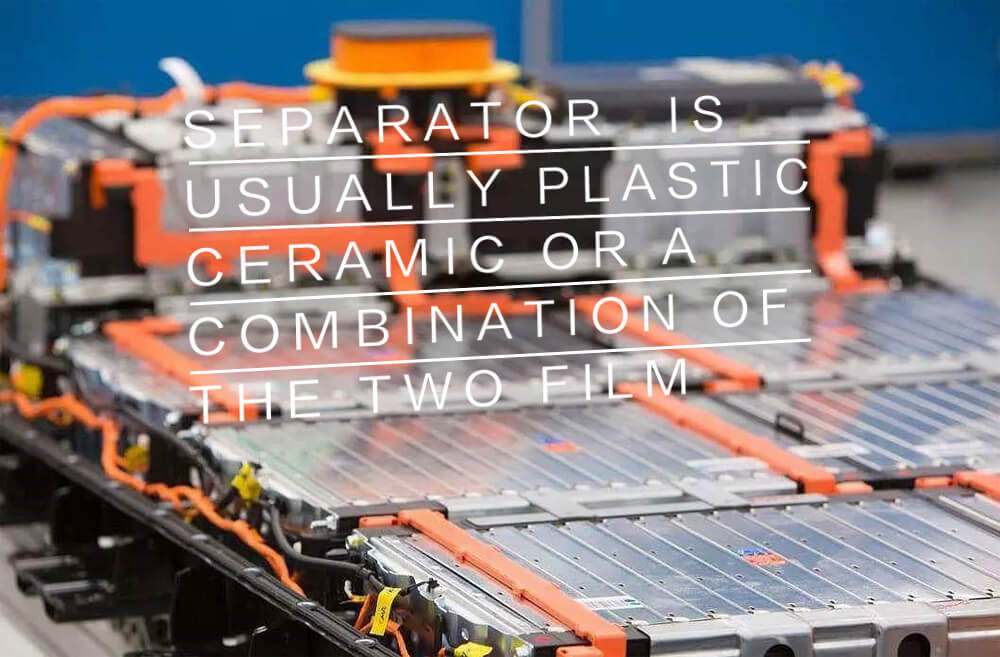
At present, the separator used in commercial lithium ion battery is porous polyethylene or polythylene-polypropylene multilayer composite plastic separator. This separator allows lithium ions to pass through while avoiding contact between the cathode and anode poles. Some manufacturers use three layers of polypropylene/polyethylene/polypropylene composite membrane, when the battery temperature to 135 ℃, in the middle of the polyethylene melt with outer polypropylene film remains complete structure to provide mechanical support, melting polyethylene makes holes closed into a dense membrane, hinder the lithium ions, and thus prevent the reaction of cells continue to happen.
Most polymer separator in the temperature of lithium ion battery is not very high (such as 90~110 deG C) will begin to melt and shrink, often cause internal short circuit and other accidents, so some manufacturers add ceramic particles in the separator to improve the thermal dimensional stability of the separator, and then improve the safety of the lithium ion battery. At the same time, adding ceramic particles can reduce the internal resistance and improve the efficiency of the battery.
The electrolyte materials of lithium ion battery
Currently, electrolytes used in commercial batteries are generally in liquid or gel state and are mainly used as ion transport media. The electrode of lithium ion battery is immersed in electrolyte, the solvent of which is alkyl carbonate (such as ethylene carbonate, dimethyl carbonate, diethyl carbonate, methyl ethyl carbonate, etc.), and lithium salt is lithium hexafluorophosphate (LiPF). In addition, in order to improve the electrochemical stability and thermal stability of electrolyte, a variety of additives are generally added. The type and dosage of additives used by cell manufacturers are often the “secret weapon”
Different electrolyte additives have different functions. The function of most additives is to promote SEI film formation, reduce capacity loss and gas generation, and increase the thermal stability of the cell. For example, in square or cylindrical cells, additives can generate gas at a specific temperature, allowing the Current Interrupt Device (CID) to function to protect the cell. The formation of SEI film is one of the important functions of electrolyte. In the process of lithium-ification, the electrolyte reacts on the surface to form a solid electrolyte passivation film that only conducts lithium ions, also known as SEI film. SEI film is generally formed in the first cycle, leading to irreversible capacity loss. However, this film prevents the anode material from continuously reacting with the electrolyte, so the control of SEI film contributes to the stability of the lithium ion battery system.

When the battery fails or the cell is broken, the electrolyte will cause great harm. Due to the current use of lithium ion battery electrolyte are flammable organic electrolyte, in the battery thermal control, electrolyte leakage from the cell will lead to explosion and other violent reactions. Because of this, gel electrolyte, solid electrolyte and water electrolyte have attracted great attention in recent years. Gel electrolytes have much in common with liquid electrolytes, but are much less flammable. Polymer solid electrolytes have been tested in a number of factories, usually directly coated on separators or cathode electrode materials, but have not yet been mass-produced.