Skip to content
What is a lead carbon battery
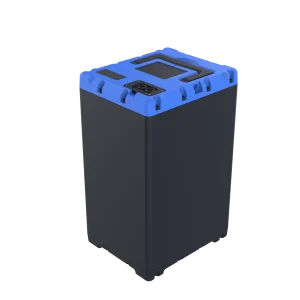
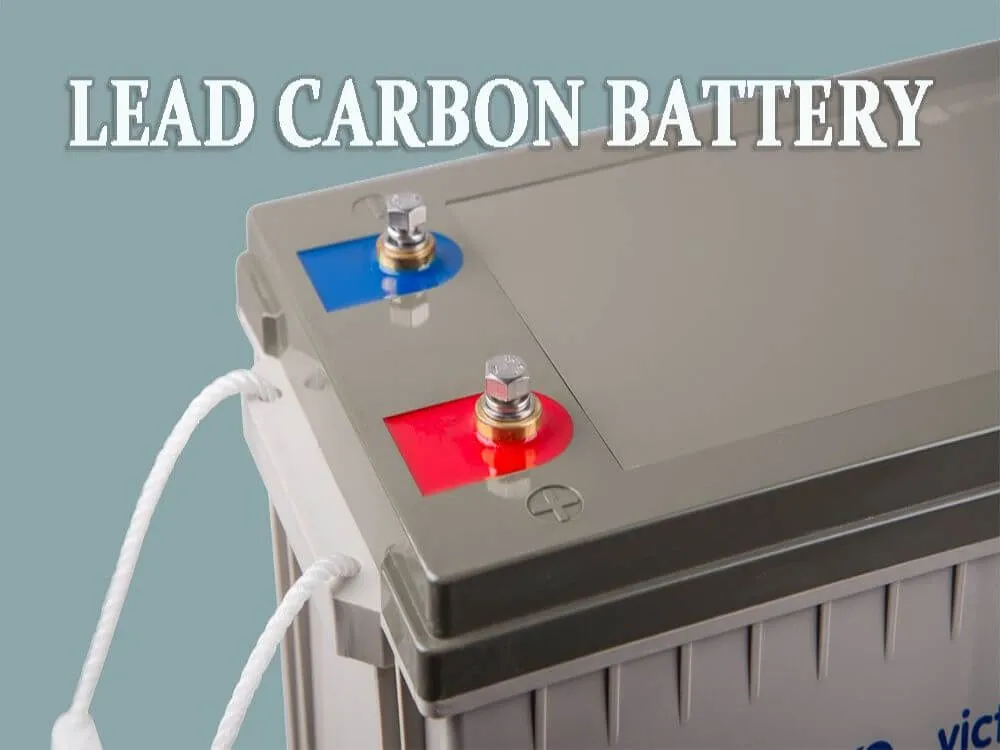
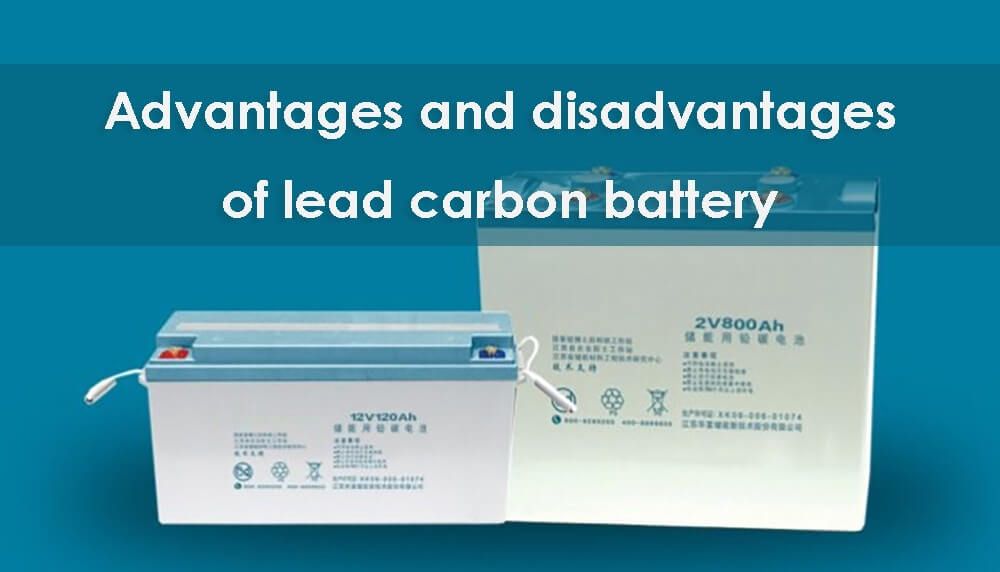
lead carbon battery technology is a new type of electrochemical energy storage technology, which is essentially an optimization of the formulation of lead-acid batteries. A lead carbon battery is a battery made by adding carbon material to the negative electrode of a lead-acid battery.
Lead carbon battery combine lead-acid batteries and supercapacitors into one,in the technology of giving full play to the characteristics of short-time high-capacity charging of supercapacitors, the advantages of high specific energy of lead-acid batteries are maintained, so that they have good charging and discharging performance and long service life. In addition to performance advantages, lead carbon battery also have obvious advantages in cycle life, cost performance, safety, low temperature performance, production and recycling processes.

Analysis of the working principle of lead carbon battery
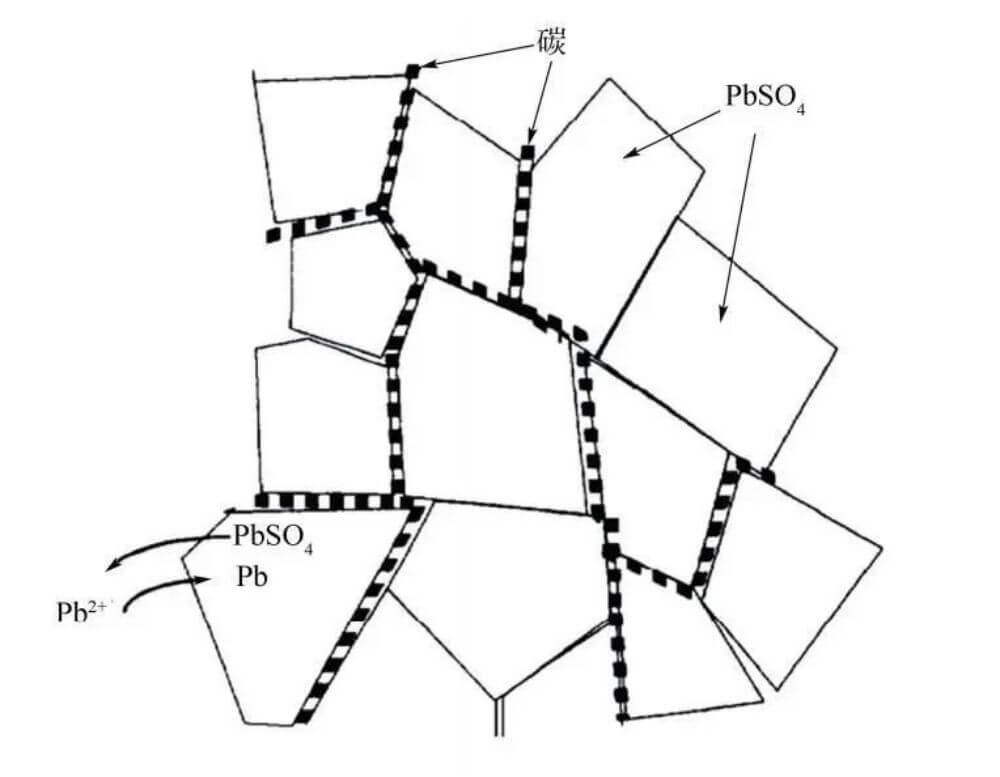
A core problem in traditional lead-acid batteries is the sulfation of the negative electrode, that is, in the high rate discharge mode, the spongy lead of the negative electrode reacts rapidly with HSO4- to form PbSO4, at this time, due to the mismatch between the supply of HSO4- and Pb, the nucleation rate of PbSO4 is too fast, so that the generated PbSO4 (insulating in nature) is on the surface of the negative electrode, or a huge particles;
The working principle of lead carbon battery is similar to that of super battery, which is another type of super battery. The carbon material is added to the negative plate to take advantage of the instantaneous large-capacity charging of its supercapacitor,it acts as a buffer during high-rate charge/discharge, effectively protecting the negative plate and inhibiting the phenomenon of “sulfation”.
The addition of carbon in lead carbon battery effectively inhibits the sulfation trend of the negative electrode, which significantly improves the battery life. Not only that, the production process of lead carbon battery is not fundamentally different from traditional lead-acid batteries. It is easy to achieve large-scale production without changing the now mature process, especially for the requirements of long life and low cost of energy storage batteries.
Characteristics of lead carbon battery
For lead carbon battery, there are many types of carbon added: carbon black, activated carbon, graphene, graphite, carbon fiber, and carbon nanotubes. And their main advantages/main functions that they can provide for lead carbon battery are:
1) Electrical and thermal conductivity;
2) The network pore structure provides the specific surface area and electric double layer capacitance required for the reaction.
However, how to find a balance between performance improvement and cost control may be a problem that needs attention in the application of advanced carbon materials in lead carbon battery.In addition, the amount of carbon material added also needs to be controlled, and the addition of too much carbon material will cause a series of problems such as the shedding of the active material of the electrode plate.
Lead carbon battery advantages and disadvantages
The negative electrode of the lead carbon battery forms a relatively uniform and fine network composed of lead metal-carbon particles. This structure is conducive to shortening the diffusion distance and improving the uniformity of the reaction.
Moreover, the carbon itself has good electrical conductivity and capacitance characteristics, so that lead carbon battery has better low-temperature start-up capability, charge acceptance capability and high-current charge-discharge performance than traditional lead-acid batteries.
Advantage
● Energy & power density, can be increased to 40~60Wh/kg, 300~400W/kg, the performance is close to the capacity of some lithium batteries.
● Cost-effective. The more critical point is that its cost is still 0.6~0.8rmb/Wh, which is lower than other batteries such as lithium batteries, and has the most advantage in the case of strict cost control.
● Fast charging, 8 times faster than ordinary lead-acid batteries.
● The discharge power is increased by 3 times.
● The cycle life is increased to 6 times, and it has a long cycle life under shallow charge and discharge conditions (such as 4500 times (70% DOD))
● Lead carbon battery can always provide reliable protection under extreme conditions such as high and low temperature, and can still provide relatively strong power and capacity at -20℃.
● It is safe and stable to use, and can be widely used in various new energy and energy saving fields.
Disadvantage
● Large in size and heavy in weight, it is not suitable for mobile loads such as electric vehicles.
● The working efficiency at low temperature is poor.
Application scenarios of lead carbon battery
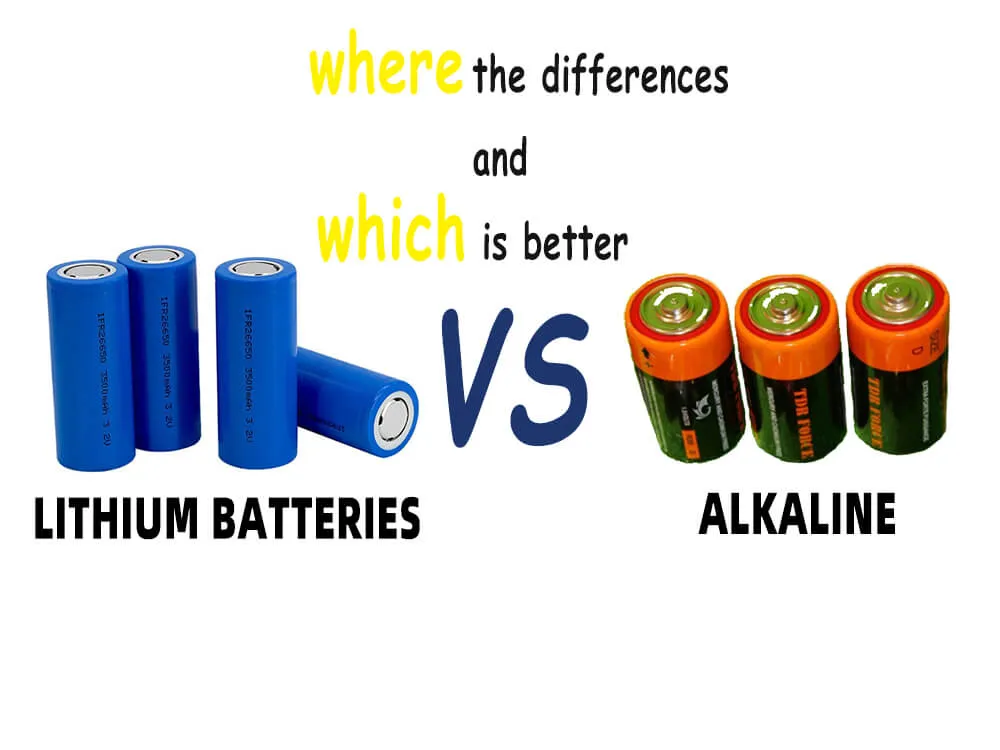
In recent years, the development of lithium-ion batteries is very fast, and the launch of lithium battery replacement lead acid series products once gave many people the impression that lead-acid batteries are backward and should be eliminated. For specific comparison, please refer to the article lead acid battery vs lithium ion. However, in fact, with the introduction and improvement of lead carbon battery technology.
Core competitiveness of lead carbon battery: The low cost and long life of lead carbon battery has have made them a strong competitor in the fields of stationary energy storage, low-speed electric vehicles, and electric bicycles, and have become a strong opponent of lithium batteries and other technologies.
In terms of stationary energy storage, in energy storage fields such as photovoltaic power station energy storage, wind power energy storage and grid peak regulation, batteries are often required to have the characteristics of high power density, long cycle life and low price.

Lead carbon battery has greater competitive advantages in places with ample space and high cost requirements, and relatively speaking, the cost of one-time investment is relatively low. Lithium batteries are more suitable for applications that require space and are less cost-sensitive because of their high energy density and high cost. They will be more developed in distributed energy storage applications.
Compared with other energy storage technologies, such as capacitors (the energy storage density is very low and can only be used for power buffering), for flow batteries (with medium maturity and obviously large volume), lead-carbon technology still has good competitiveness at this stage.
Final thought
Lead carbon battery has been able to maintain their dominant position in some segments in recent years. Although technologies such as lithium batteries are growing rapidly, these battery technologies have their own advantages and disadvantages, and no energy storage technology can win in all scales and scenarios. According to the needs of the field, it is the best way to choose the appropriate energy storage technology application.