Skip to content
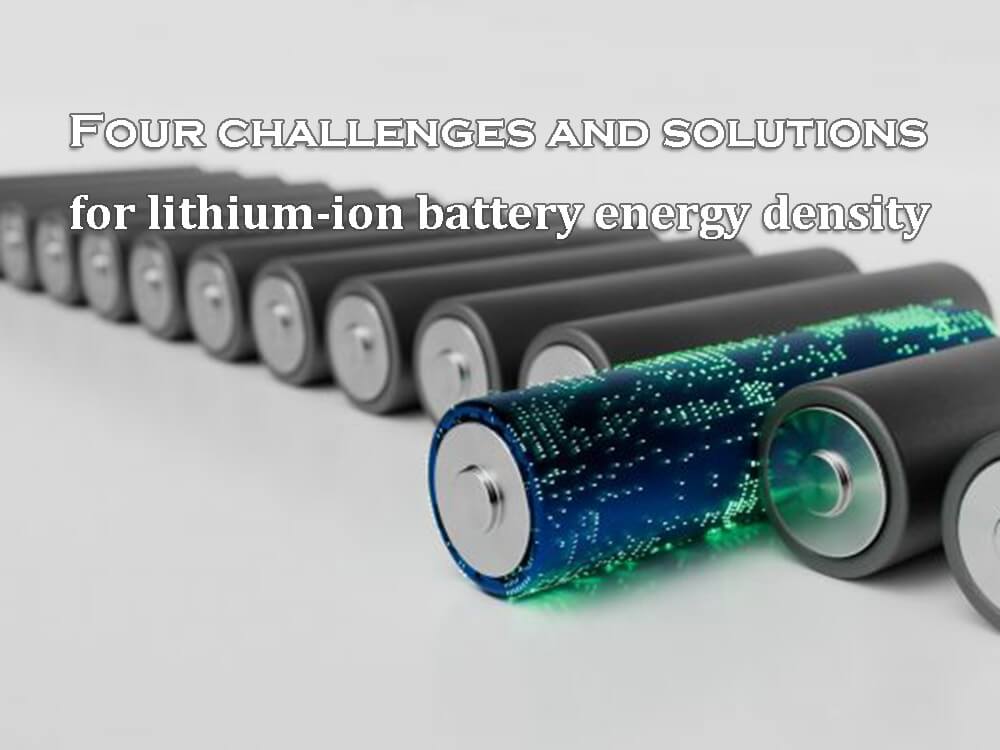


However, some experts have sounded the alarm for Chinese battery companies such as lithium top 100 recently, saying that the energy density of existing lithium-ion batteries is close to the theoretical limit.
On November 9, at the International Exchange Conference on New Energy Vehicles and Power Batteries, experts said that the current development of China’s lithium battery industry faces major challenges in four aspects: resources, energy, safety, and use environment.
Four challenges for lithium-ion battery development
Resource consumption
According to experts, at present, 0.5kg of lithium is used to produce 1KW lithium-ion batteries. According to the latest survey data, the world’s metal lithium reserves are about 13.5 million tons (the total lithium resource reserves are about 39.5 million tons), which can only be used for more than 100 years. China’s lithium resources rank sixth in the world. The resources are mainly salt lakes.
The lithium content is low, the ratio of magnesium to lithium is high, and it is difficult to extract. 70% of lithium depends on imports. It is estimated that by 2025, China’s lithium battery production capacity will reach about 3,900GWh, and it is expected to require about 390,000 tons of lithium metal.
Lithium-ion battery energy density has approached theoretical limit
The energy density of the battery is related to the principle of the battery. For example, the energy density of the lithium-ion battery is related to the weight and density of the reactive electron beam, active material. Experts say that the current energy density of lithium-ion batteries is approaching its limit.
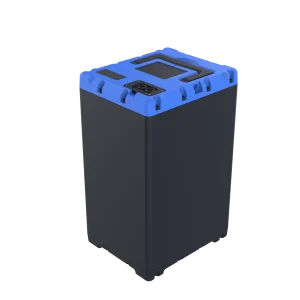
It is understood that the energy density of the current mainstream lithium iron phosphate batteries is below 200Wh/kg, and the energy density of ternary lithium batteries is between 200-300Wh/kg. The energy density of lithium-ion batteries is far from meeting the needs of major developments, limiting the application in multiple scenarios. To improve the speed and range of equipment such as drone battery, it is necessary to greatly increase the energy and power density of batteries.

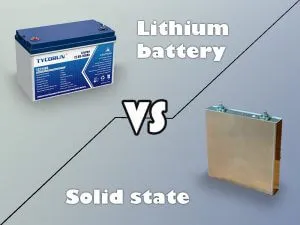
It is worth mentioning that just last month, NASA announced that it has successfully developed a pure solid-state battery of sulfur and selenium. The electrolyte material uses cheap and easily available sulfur, does not contain liquid, and the battery energy density reaches 500Wh/kg. That’s about twice the size of the current Tesla 4680 cylindrical lithium-ion battery. NASA has announced that the technology will be rolled out to electric aircraft in the future.
Lithium-ion battery safety accidents occur frequently
Lithium-ion batteries are prone to battery thermal runaway. The usual reasons include overcharge-induced gas production in the cathode material of the battery to cause the swollen battery, fast charging to cause lithium precipitation in the anode of the battery to induce a short circuit, and fast charging to rapidly heat up the electrolyte liquid to burn.
Limited battery usage environment
In a low temperature environment, the viscosity of the electrolyte of the lithium-ion battery will increase, the ion migration speed will become slower, and the charge and discharge energy will decline sharply. Under high temperature conditions, the positive and negative interface films of the battery are unstable, resulting in the destruction of the material structure, gas production and explosion. In application scenarios such as deep space and deep sea, batteries are required to have a higher and wider temperature range.
How lithium battery technology innovates
Therefore, in view of the four major challenges of resources, energy, safety, and extreme environments, experts said that from the perspective of technological innovation, they need to be solved at four levels: materials, interfaces, transmission, and systems.
Materials
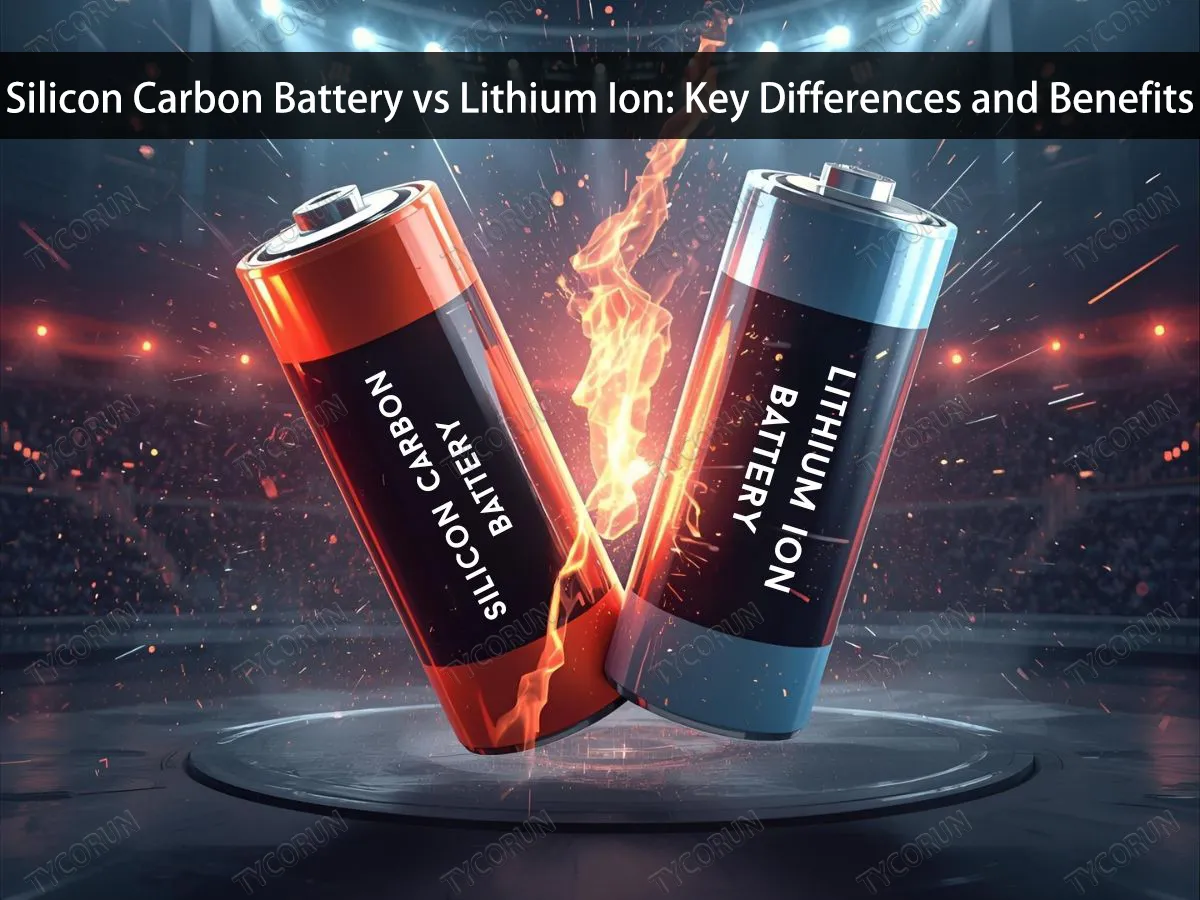
First, improve the energy density of the battery system, including the construction of high-capacity high voltage battery cathodes and high-capacity low-voltage anodes. In the selection of cathode materials, it will be from lithium cobalt oxide to lithium iron phosphate, to high nickel ternary materials, and finally to the direction of sulfur and oxygen elements. In the selection of anode materials, from the existing graphite, to silicon, and finally to lithium metal. However, the use of lithium metal anodes and high-voltage cathodes also poses safety concerns.

For the lithium metal negative electrode, the theoretical specific capacity of lithium is very high, which can reach 3000mAh/g, but it is easy to form lithium dendrites in use, pierce the battery separator, and form a battery short circuit. However, the high-voltage and high-specific-capacity material of the positive electrode is unstable, and the structure of the high-voltage electrode material is easily damaged, and at the same time, the electrolyte is decomposed.
Interfaces
Experts said that for lithium metal, it is not only the field of basic research, but the industry has also made many experimental attempts, such as constructing artificial SEI films, constructing three-dimensional structure metal negative electrodes, and regulating the interface between lithium metal electrodes and electrolytes, thereby improving the cycle life of batteries.
The ultimate goal is to add additives to control the growth process of the material so that it does not grow into dendrites, but the research and development in this area is very difficult and needs to be vigorously developed. In terms of cathode materials, it is necessary to adjust the surface structure of layered cathode materials to strengthen the lithium ion transport process, thereby significantly improving the energy density and power density of lithium ion batteries.
Transfer
In order to further improve the safety performance of the battery, the current research also includes strengthening the “three-transfer” process in the lithium-ion battery. It includes strengthening the lithium ion transport channel and maintaining the structural stability of the material at the microscopic scale. Strengthens electron transport channels and maintains the conductive network of electrodes and batteries. Strengthen the heat transfer of the battery and suppress the thermal runaway of the battery.

Systems
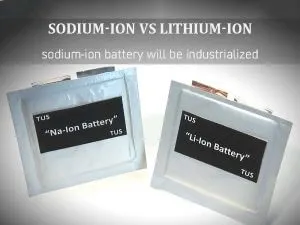
On the route of next-generation lithium batteries, experts introduced technologies such as lithium-sulfur batteries, lithium-air batteries, and lithium-fluorocarbon batteries. In the outlook for the next generation of non-lithium batteries, sodium-ion batteries are also favored by experts. Sodium ranks sixth in reserves on earth, and has similar chemical properties to lithium. However, due to the larger atomic radius of sodium and lower electrochemical potential, sodium-ion batteries have inherent disadvantages compared with lithium-ion batteries in terms of energy density.
The development of sodium-ion batteries requires breakthroughs in new materials for sodium storage and new electrolytes. At present, some traditional anode hard carbon materials have been industrialized, and cathode layered oxides and Prussian blue materials have also entered the market. But sodium-ion batteries need to further improve performance, reduce costs, and be able to achieve large-scale utilization like lithium-ion batteries.