Skip to content



Analysis of electric vehicle battery industry
In recent years, the sales of electric vehicles have grown rapidly. However, the service life of the electric vehicle battery is limited, and the battery capacity gradually decays with long-term cycle use.
When the DOD of the battery drops to 80%, it cannot meet the functions of the electric vehicle and faces replacement and recycling. With the development of electric vehicles, the scale of electric vehicle battery recycling will continue to grow.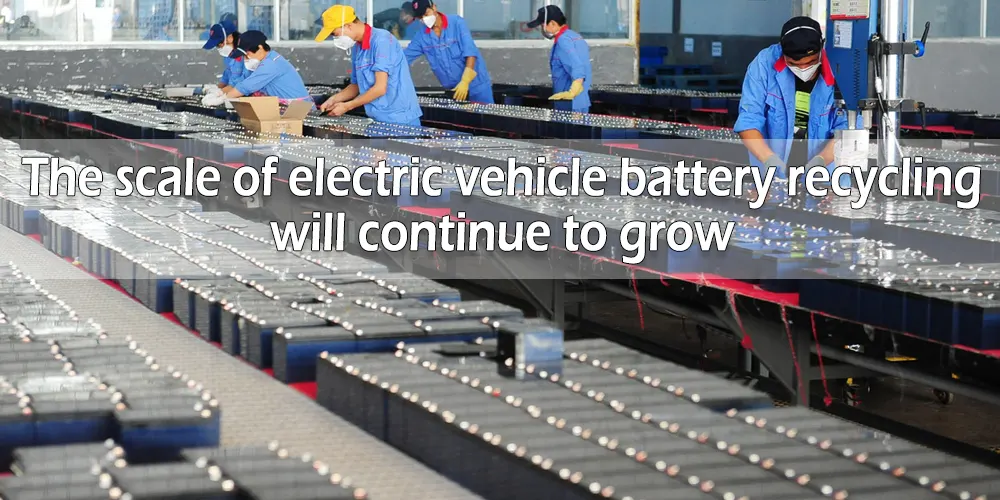
Why should batteries be recycled?
High recycling value
Lithium, cobalt, nickel, manganese and other elements in power batteries still have extremely high recycling value, and if they are not recycled effectively, it will cause huge waste. With the rapid development of power vehicles, the prices of raw materials such as power batteries have also soared.
In recent years, the price of lithium has risen at an epic level, rising more than 10 times within a year. Therefore, recycling waste power batteries and realizing the reuse of lithium, cobalt, nickel, manganese and other metal materials can create higher recycling benefits.The economic benefits of electric battery recycling cannot be ignored.
Insufficient battery raw materials
The recycling and reuse of power batteries can effectively alleviate the shortage of raw materials for power batteries. Some battery materials such as cobalt are scarce resources, accounting for no more than 10% of the world. You can check our top 5 cobalt salt resources companies in China to learn more about this battery resource.
However, the vast majority of lithium is distributed in places with harsh natural environments and poor infrastructure, making mining very difficult.
Raw materials for batteries are hard to come by. Electric vehicle battery recycling makes it possible to reuse metals, successfully alleviating the lack of battery raw materials and ensuring the security and stability of the industrial chain, which is of extremely high strategic importance.
How to recycle the electric vehicle battery
electric vehicle battery recycling now has two primary approaches: cascade utilization and recycling.
Cascade utilization
Cascade utilization refers to the application of eliminated waste power batteries to other fields in order to extend the life cycle of power batteries, thereby reducing costs and achieving social and environmental benefits.
Lithium iron phosphate battery is a typical example of electric vehicle battery recycling for cascade utilization. The battery have longer cycle life, better safety, and higher temperature resistance.
When the DOD of battery drops below 80%, they can still maintain good electrochemical performance, and still have a certain energy storage value, which is more in line with the echelon request.
Nowadays, investigations have been conducted by pertinent businesses like those that make power batteries, electric vehicle producers, and cascade utilization firms.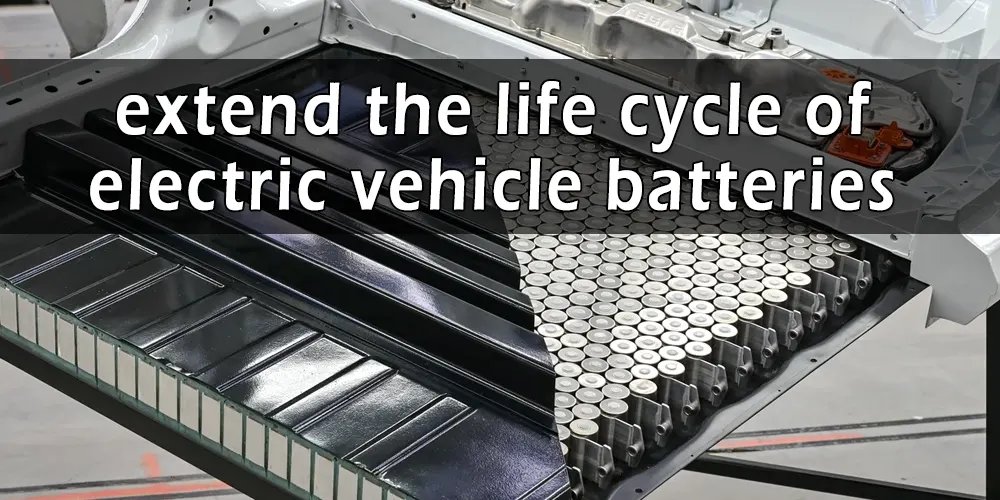
They are actively pushing relevant technology development in the areas of low-speed electric cars, power system energy storage, communication base station backup power supply, and other tiny energy storage fields.
Top 5 electric energy storage lithium battery companies in China serve as exemplary companies that can provide individuals energy storage options.Expanding the application space and cycle of power batteries is the driving force behind this.
Recycling
Recycling is to disassemble, crush, and smelt the scrapped and eliminated waste power batteries, so as to recover valuable metal elements such as lithium carbonate and cobalt, and realize the effective circulation of resources.
When the capacity of ternary lithium battery drops below 80%, it will decay at a faster rate, so its recycling value for cascade utilization is weak. However, ternary material batteries contain various metals such as lithium, cobalt, and nickel. Through the recycling process, battery metals such as lithium, nickel, cobalt, and manganese in waste power batteries are extracted and recovered to realize resource recycling.
Therefore, the dismantling and recycling value of ternary material batteries is very considerable. At present, China already has a certain industrial foundation in the field of electric vehicle battery recycling.
Most enterprises adopt the wet recycling process, which has the advantages of mature technical process and high recovery rate of target elements, and can meet the relevant requirements of safety and environmental protection.
Electric vehicle battery recycling suggestions
electric vehicle battery recycling, as the last piece of the puzzle in the entire electric vehicle industry chain, cannot be ignored. The following are some suggestions for electric vehicle battery recycling.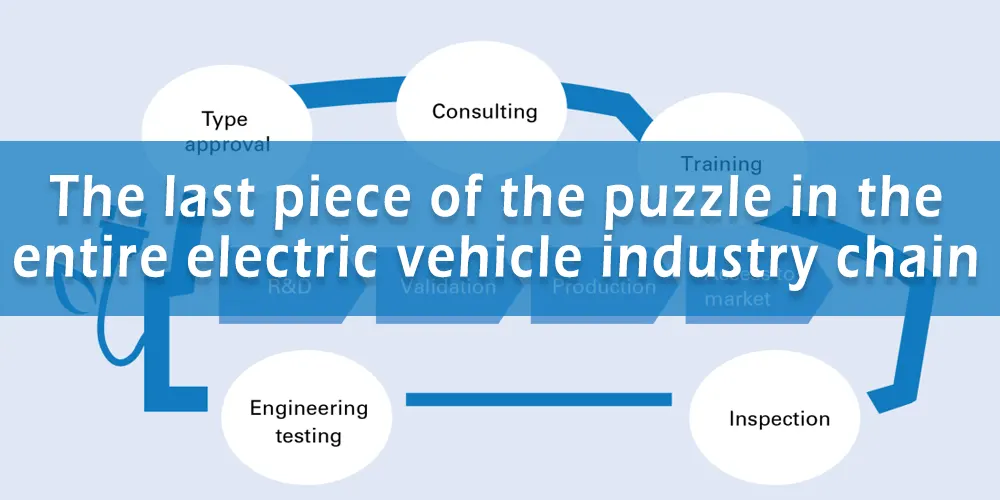
First, strengthen the standardization of cascade utilization electric vehicle battery modules and interfaces to facilitate disassembly, testing, and cascade use after recycling. Accelerate the formation of industry standards for electric vehicle battery recycling, and strengthen standards to lead efficient and environmentally friendly recycling.
Second, strengthen the research and development of electric vehicle battery recycling technology, improve the automation level of battery dismantling and material sorting, increase the level of scale and the recovery rate of dismantling black powder, and continue to increase the recovery rate of various metal elements.
Third, speed up the improvement of the electric vehicle battery recycling network, and actively promote the cooperation of electric vehicle battery manufacturers, electric vehicle manufacturers, and third-party electric vehicle battery recycling companies to achieve efficient and standardized recycling of power batteries.
Fourth, to standardize the electric vehicle battery recycling industry, the environmental protection and energy consumption of enterprises need to be strictly supervised. Illegal recycling or unqualified recycling companies need to be eliminated gradually, and companies are encouraged to carry out cascade utilization and recycling.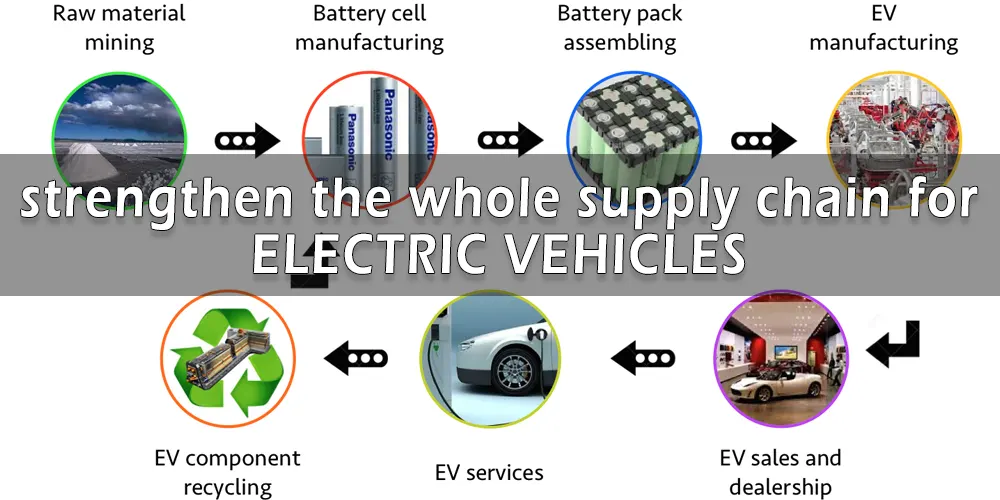
In other words, work to understand the crucial opportunity for electric vehicle battery recycling and reuse, and actively raise the technical and scale levels of the sector. Drive the industry’s standardized development and hold the apex positions in electric vehicle battery recycling, which will significantly strengthen the whole supply chain for electric vehicles.