Skip to content


Global top 10 hard carbon anode manufacturers for sodium battery best list
| Established date | January 30, 2019 |
| Company location | Sichuan, China |
| Registered capital | 60 million RMB |
| Company website | http://www.cdbsg.com/ |
BEST GRAPHIET is a Chinese high-tech enterprise founded by a team of senior experts and doctors in the lithium battery industry. BEST GRAPHIET is mainly engaged in the research, development, production and sales of electrode materials for advanced lithium batteries, sodium-ion batteries and supercapacitors.

Its main products include power hard carbon/soft carbon materials, energy hard carbon materials, hard carbon anode materials for sodium ion batteries, silicon carbon materials and ultra-fast charging graphite materials, etc.


On the morning of January 17, 2023, BEST GRAPHIET’s first 1,000-ton hard carbon production line was successfully put into operation, marking that the mass production of BEST GRAPHIET hard carbon materials has entered a new stage.

| Established date | June 24, 1926 |
| Company location | Japan |
| Capital | 89 billion yen |
| Company website | https://www.kuraray.com.cn/ |
Kuraray produced synthetic fiber Vinilon and has also continued to develop various functional fiber businesses. Such as artificial leather developed for the purpose of replacing natural leather, polyester fiber, non-woven KURAFLEX, magic tape, etc.
The hard carbon material uses coconut shell as a precursor, and undergoes carbonization, crushing, alkali staining, heat treatment purification and CVD treatment.
The energy density of hard carbon materials is 350, the first charge and discharge efficiency is over 95%, and the cycle is 3000 times. The product price is higher than 150,000/ton.

| Established date | 1932 |
| Company location | Japan |
| Capital | 37.143 billion yen |
| Company website | https://www.sumibe.co.jp/ |

Sumitomo Bakelite has developed a hard carbon material for the anode of best rechargeable batteries for high output applications. The hard carbon is a phenolic resin material with high heat resistance and flame retardancy. It has been adopted by HEV power lithium battery manufacturers and is currently mass-produced by Sumitomo Akita Bakelite, a subsidiary of Sumitomo Bakelite.

The grain characteristics of the hard carbon developed by Sumitomo Bakelite are: the grain size is several angstroms, and the distance between crystals is about 4 angstroms, which is about 3.4 angstroms larger than that of graphite.

When used as a anode after solidification, it is convenient for lithium ions to enter and exit, and can reduce the unit resistance by 20-30% compared with graphite at a low temperature of -20°C.

| Established date | May 21, 1999 |
| Company location | Fujian, China |
| Total market value | 6.135 billion RMB |
| Company website | http://www.yuanlicarbon.com/ |

Yuanli has been deeply involved in the activated carbon industry and has become a leading enterprise in the field of wood activated carbon in China. The company focuses on the R&D, production and sales of activated carbon, sodium silicate, silica gel and other chemical products. The leading product is wood activated carbon.

While consolidating its leading position in the field of activated carbon, Yuanli is also actively expanding its business in the silicon and carbon industries. The company is actively deploying in the field of energy storage through research and development and production of hard carbon and super capacitor carbon.


In 2022, the company will start the research and development of hard carbon for sodium anodes, mainly using bamboo and coconut shell bio-based routes. At present, it has reached the preliminary test stage and sent samples to customers.
| Established date | January 24, 1994 |
| Company location | Shandong, China |
| Total market value | 15.838 billion RMB |
| Company website | https://www.shengquan.com/ |
The layout of biomass hard carbon anodes has obvious advantages in synergy with the company’s main business. SQ Group is a high-tech enterprise mainly engaged in research and development, production and sales of synthetic resins and composite materials, biomass chemical materials and related products.

According to the relevant person in charge of the company, the bio-based hard carbon anode material is the latest achievement of the integrated industrial layout of the “Holy Spring Biosolvent Method” biorefining, and the core lies in the production of biochar for itself.

SQ Group Group decided to invest 2.48 billion RMB to build a bio-based hard carbon anode material project with an annual output of 100,000 tons. The project construction period is 18 months, and it is expected to complete 10,000 tons in the first half of 2023.
| Established date | June 21, 1944 |
| Company location | Japan |
| Capital | 18,169 million yen |
| Company website | https://www.kureha.co.jp/ |

KUREHA is an international group company mainly engaged in the production of special chemicals and resins, centered on the three core businesses of high-function new materials, pharmaceuticals and pesticides, and high-barrier packaging materials.

The company has core technologies and products such as carbon fiber and hard carbon materials, and is also one of the few polyvinylidene fluoride (PVDF) resin manufacturers in the world.

KUREHA uses petroleum-based compounds as raw materials to prepare amorphous carbon anode materials. In addition, KUREHA announced on December 14, 2011 that it had reached an agreement with Kuraray on the joint development of lithium-ion battery anode material business.
| Established date | December 14, 1992 |
| Company location | Zhejiang, China |
| Total market value | 40.729 billion RMB |
| Company website | http://www.ssgf.net/ |
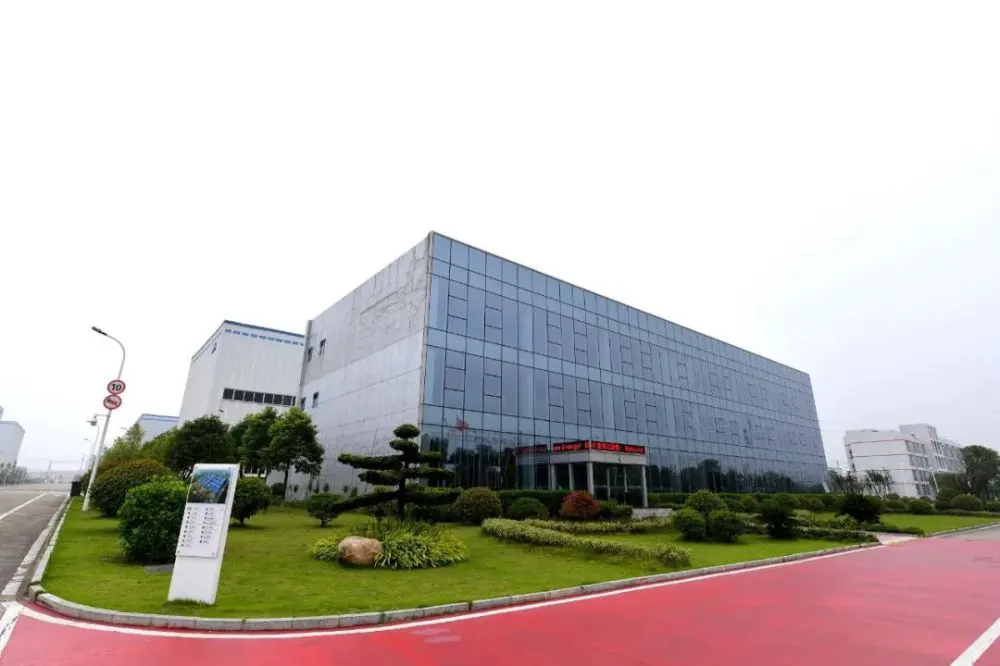
Shanshan hard carbon research and development began in 2016, involving both soft and hard carbon routes. The hard carbon material independently developed by Shanshan has been self-owned and industrialized.

The company relies on the cross-linking process control technology to improve the cost performance of hard carbon materials, and has reached the industry-leading level by virtue of the advantages of high compacted density and obvious leading capacity.
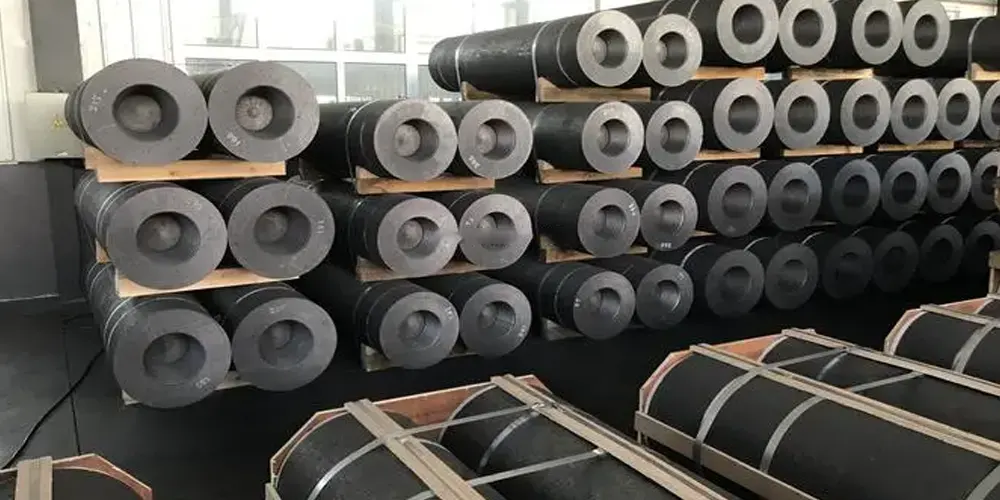
Shanshan has the technical accumulation and mass production capacity of hard carbon, and has introduced CATL as a strategic investor. The company has realized the supply of 100-kilogram sodium-ion anodes.

| Established date | June 21, 1944 |
| Company location | Japan |
| Capital | 147.1 billion yen |
| Company website | https://www.jfe-holdings.co.jp/ |
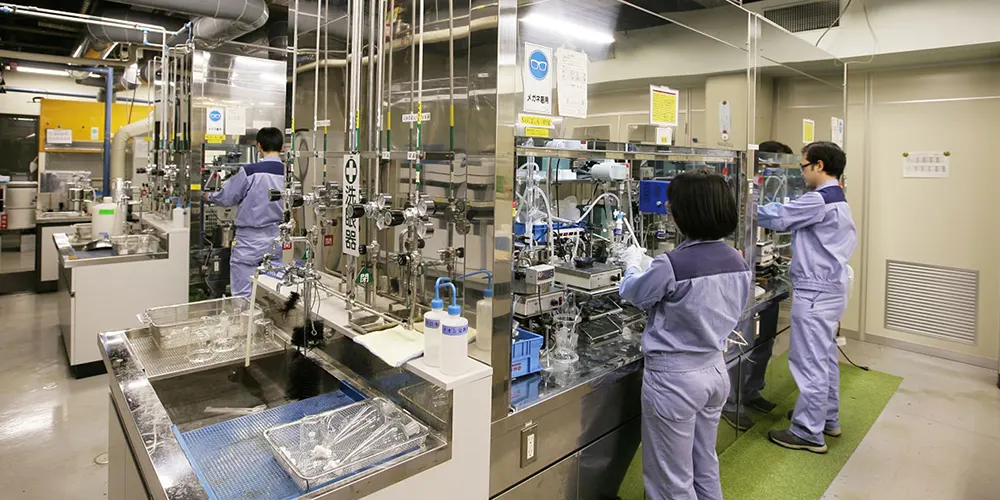
Hard carbon manufactured from coal tar using JFE’s proprietary technology. It has superior output and durability than graphite, and has performance suitable for eco-friendly vehicles such as hybrid cars.

Application of JFE hard carbon negative electrode products:
● Lithium-ion secondary battery anode material
● Anode materials for lithium-ion capacitors, sodium-ion batteries, etc.
● Filler for carbon-fat composites
| Established date | August 7, 2000 |
| Company location | Guangdong, China |
| Total market value | 35.576 billion RMB |
| Company website | https://www.btrchina.com/ |
BTR is a leading anode company in top 10 anode material manufacturers in China, and its main products are positive and negative electrode materials for lithium-ion batteries. In 2009, the company began to lay out technologies related to hard carbon materials.

In the company’s hard carbon R&D team, most of the doctors from world-renowned universities have more than ten years of research and industrialization experience, and provide integrated negative electrode solutions for sodium-ion batteries.

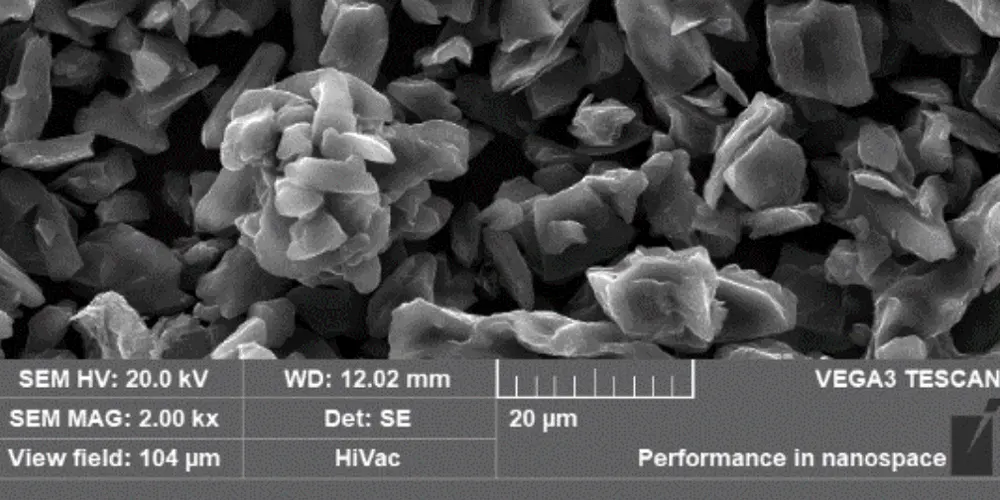
The team has completed more than a dozen original core technology layouts, covering all aspects of hard carbon basic research and production and processing, and established a complete intellectual property system.

| Established date | November 6, 2012 |
| Company location | Shanghai, China |
| Total market value | 71.558 billion RMB |
| Company website | http://www.putailai.com |
The lithium-ion battery market served by PUTAILAI is in the key industry links related to clean energy, energy conservation and environmental protection, and high-efficiency energy storage. PUTAILAI is committed to becoming the world’s leading provider of comprehensive solutions for key materials and automation equipment for new energy batteries.
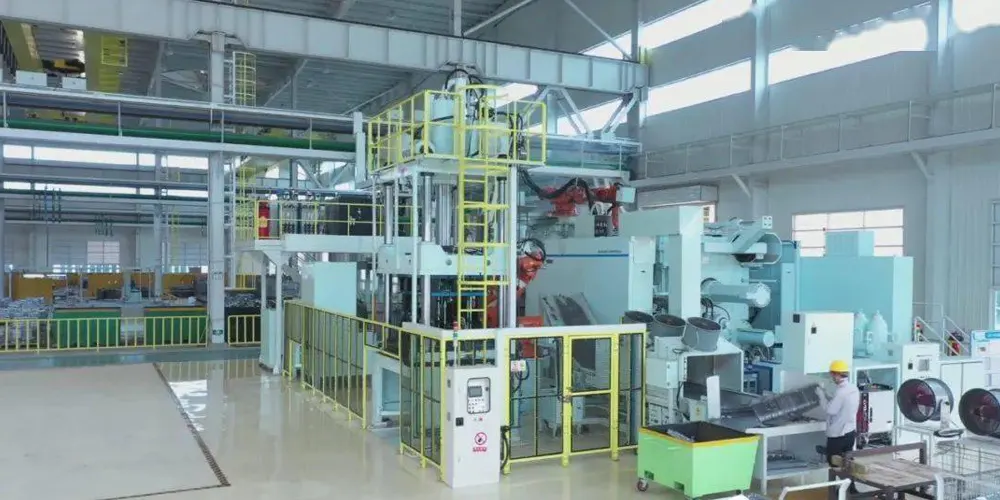
PUTAILAI Anode Materials and Graphitization Division strengthens R&D team building and investment, increases the development of fast-charging, cost-effective and natural graphite anodes. PUTAILAI actively promotes the pilot test and mass production of new products such as silicon oxide/silicon carbon/hard carbon.