Skip to content


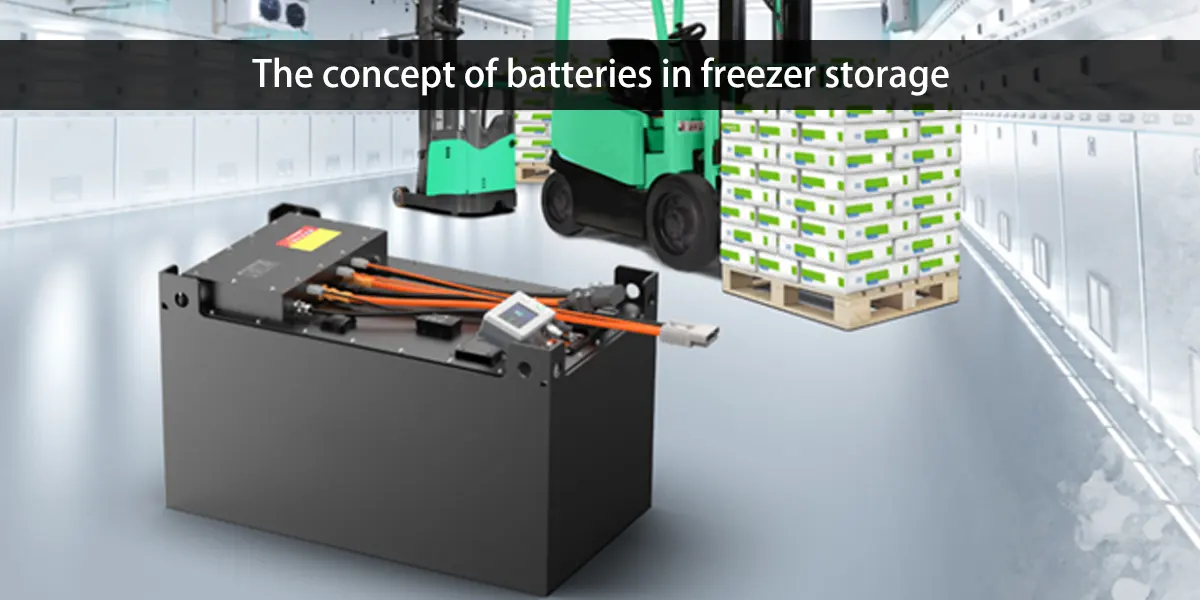
Some people believe that storing batteries in freezer can extend the life of the battery or maintain the performance of certain types of battery. The idea is that the lower temperature in the refrigerator can slow down certain chemical reactions within the battery that might otherwise cause the battery performance to degrade over time.
Condensation can be a significant problem. When batteries are removed from the refrigerator and exposed to warmer ambient air, moisture can condense on the surface of the battery. This moisture can cause short circuits or other damage to the battery or the device using the battery.
The freezing and thawing process can also cause stress on the battery casing and internal components, which can cause physical damage or performance degradation over time.
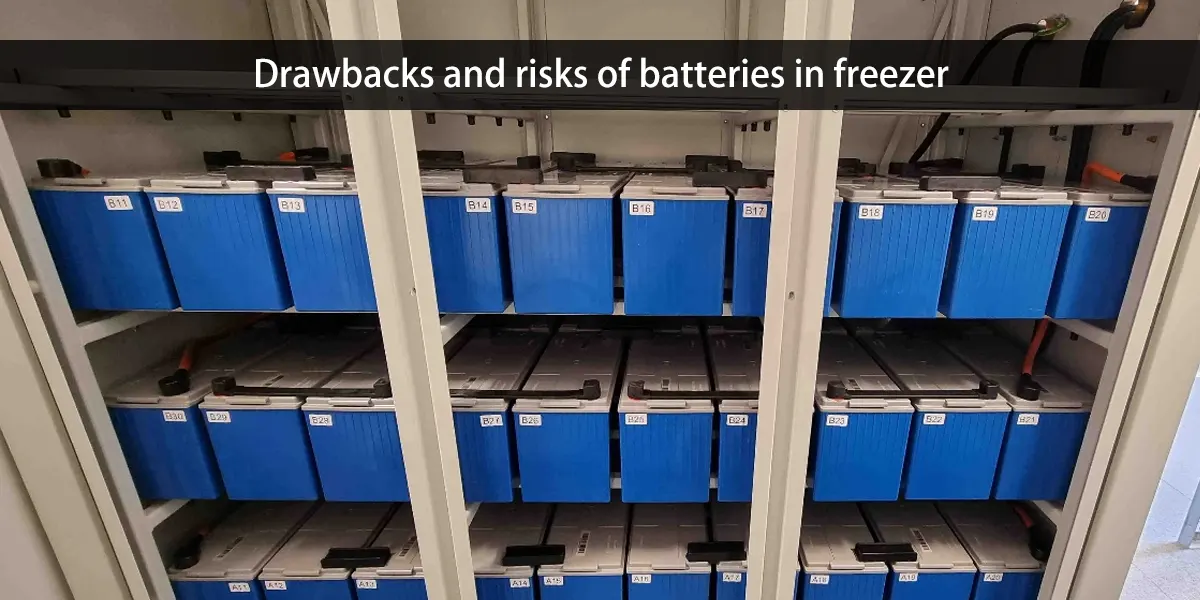
In extreme cases, freezing can cause the internal components to contract, leading to cracks or other structural damage in the battery.
Not all types of batteries are suitable for storage in the refrigerator. For example, lithium ion battery is commonly used in many modern electronic devices, and this storage method may not be good for the battery or even damage it.
When comparing storing batteries in freezer to other storage methods, several factors come into play. Storing batteries at room temperature is the most common method. However, in a freezer, the cold temperature slows down chemical reactions within the battery, potentially prolonging its shelf – life. In contrast to storing in a hot or humid environment, which can accelerate battery degradation, (for example,ev battery degradation) the freezer offers a more stable and cooler condition.
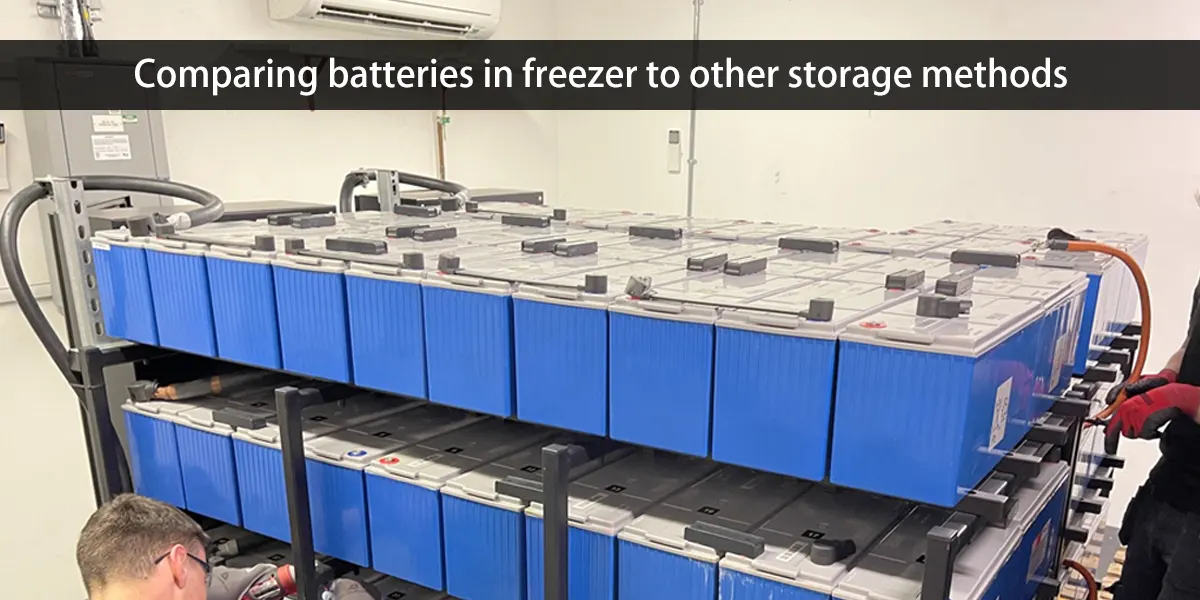
Compared to storing batteries in a battery organizer at normal ambient conditions, freezer storage may be more beneficial for long – term storage. But it also requires more precautions. Storing batteries in a dry box at room temperature can protect them from moisture, yet it may not slow down the internal chemical processes as effectively as freezer storage. Overall, each method has its pros and cons, and e choice depends on the intended use and storage duration of the batteries.
First: Pay attention to how the batteries are placed. They should be neatly arranged so that their positive and negative poles are not connected. Do not store them in metal containers. Do not mix them with coins or other metal objects, which can easily cause the battery to short-circuit and discharge.
Second: Pay attention to moisture protection. Relative humidity should be between 35% and 65%. Freezer storage is not recommended because changes in temperature inside the box as the door is opened and closed can cause condensation on the surface of the battery. This can cause the battery to short-circuit and leak.
The correct storage method is to use a sealed plastic container or a special battery storage box in a cool and ventilated place.
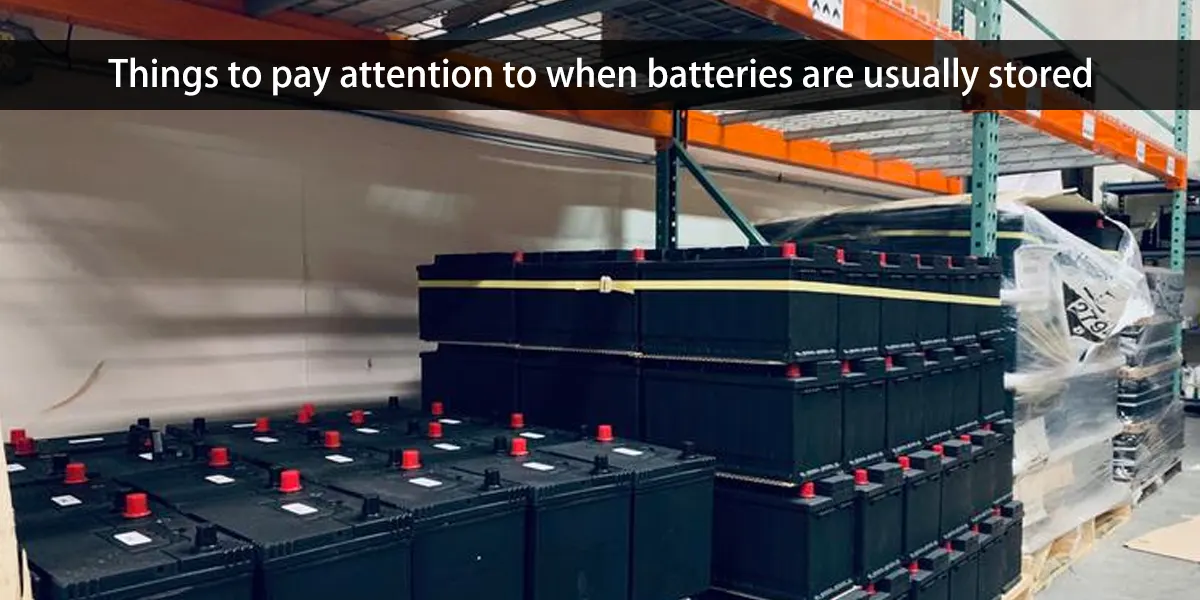
After removing batteries from freezer storage, it’s essential to follow certain practical tips. Firstly, allow the batteries to reach room temperature gradually. This helps to prevent condensation from forming on the battery surface, which could potentially cause damage or short – circuiting. It is advisable to leave them at room temperature for at least a couple of hours.
Secondly, before using the batteries, wipe them gently with a dry, clean cloth to remove any moisture or frost that may have accumulated during the thawing process.
When inserting the batteries into a device, ensure that the battery contacts are clean and free from any debris. Check the device’s battery compartment for any signs of moisture as well. Additionally, it’s a good idea to test the batteries in a less critical device first to ensure they are functioning properly. This way, you can avoid any potential damage to more important or expensive devices.