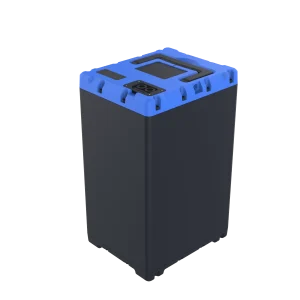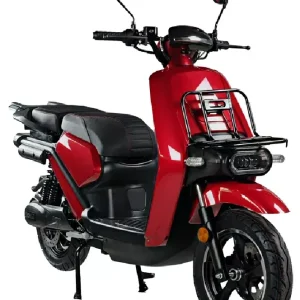

Battery compatibility refers to the ability of the battery to work normally in different devices or systems and not cause unbearable electromagnetic interference to other devices or systems.Specifically, battery compatibility includes the following two aspects.

Electromagnetic compatibility (EMC): This refers to the ability of a device or system to work normally in its electromagnetic environment and not cause unbearable electromagnetic interference to anything in the environment.
Charging compatibility: This refers to the ability of the battery to charge normally on a charging pile that meets national standards without abnormal interruption.
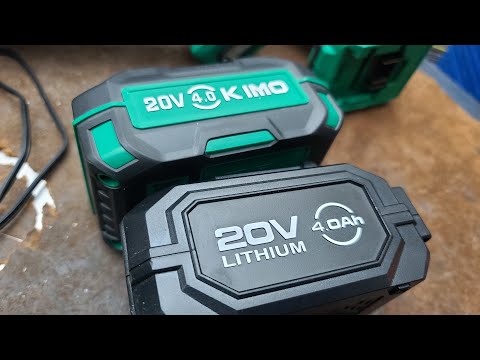
The concepts of battery compatibility encompass numerous technical elements:Voltage Matching, Capacity Alignment, Size and Shape, Chemical Composition.
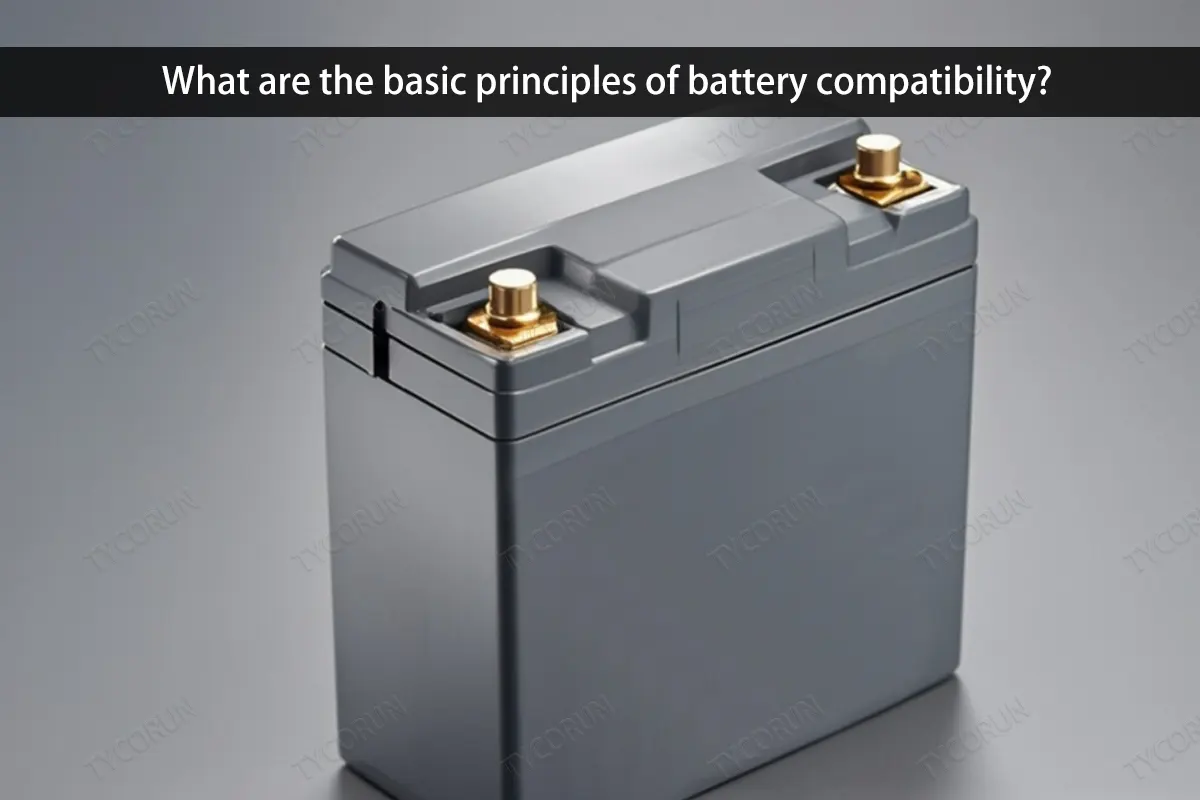
- Voltage Matching: The battery’s voltage fits with the gadget’s voltage range. Too high a voltage can harm the gadget, while too low a voltage may prevent it from working normally.
- Capacity Alignment: Capacity, normally measured in ampere-hours (Ah), displays the battery’s ability to energy the gadget over time. A compatible battery fits or slightly exceeds the gadget’s necessities, making sure performance and prolonged run time.
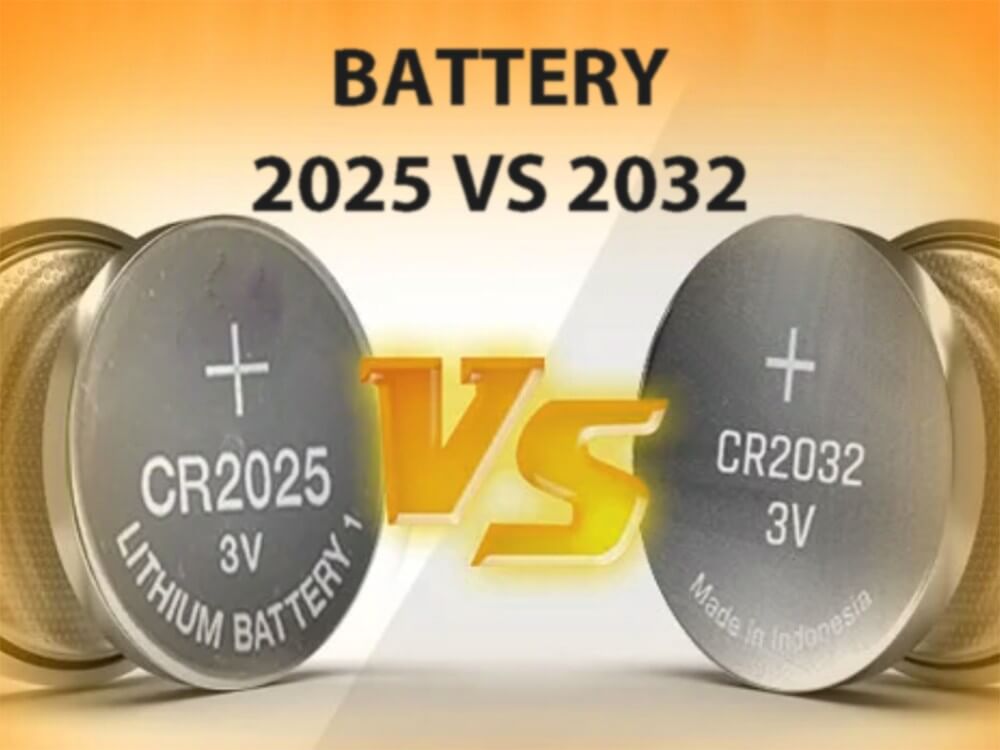
- Size and Shape: Physical fit is important. A compatible battery must fit the particular compartment inside the gadget without forcing or misaligning.
- Chemical Composition: Certain gadgets require specific battery chemistries, such as lithium-ion or nickel-metal hydride, for secure and quicker operation. Mismatched chemistries can lead to warmth or gadget malfunction.
Numerous factors impact battery compatibility, each affecting the battery’s interplay with the gadget.

- Device Specifications: Every gadget has particular necessities for energy, voltage, and current, impacting its compatibility with numerous battery types.
- Battery Chemistry: Various chemistries, like lithium-ion, lead-acid, and nickel-metal hydride, each have specific traits impacting compatibility with certain gadgets. For example, lithium-ion batteries are well matched for high-drain gadgets, while lead-acid batteries generally have a lower voltage and are less suitable for high-drain devices.
- Temperature Tolerance: Some devices, especially those generating warmth, want batteries that can resist higher temperatures. Therefore, battery compatibility frequently entails assessing the thermal tolerance of the battery in relation to gadget warmth generation.
- Battery Charge cycle: The charge cycle or duration of the battery affects the usability of battery of a device in a certain way, particularly when reliability of the device is to be maintained over a lengthy time period. For instance, in devices that require regular and uninterrupted power over an extended period of time, lithium batteries are preferred over other chemistries because they have a comparatively longer charge.
Every type of battery does have its own compatibility features.
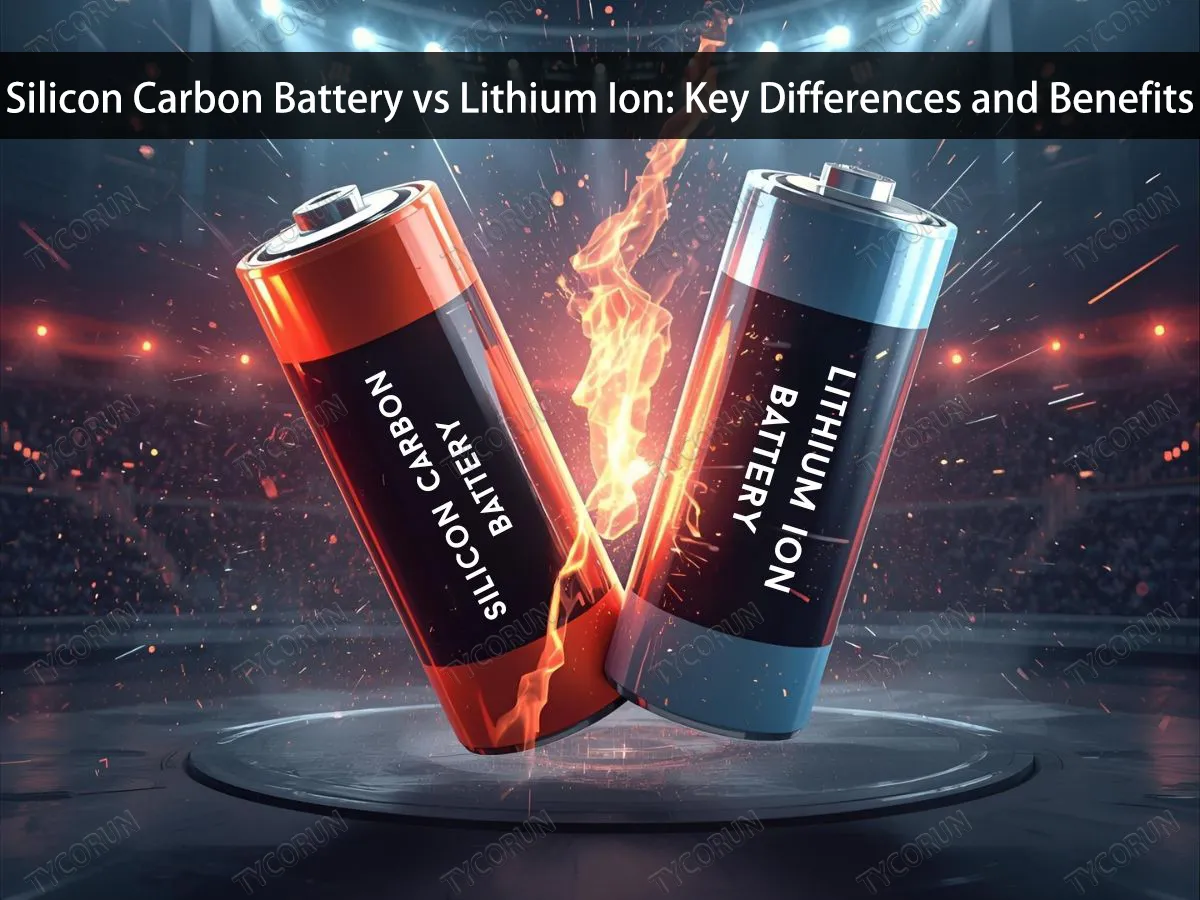
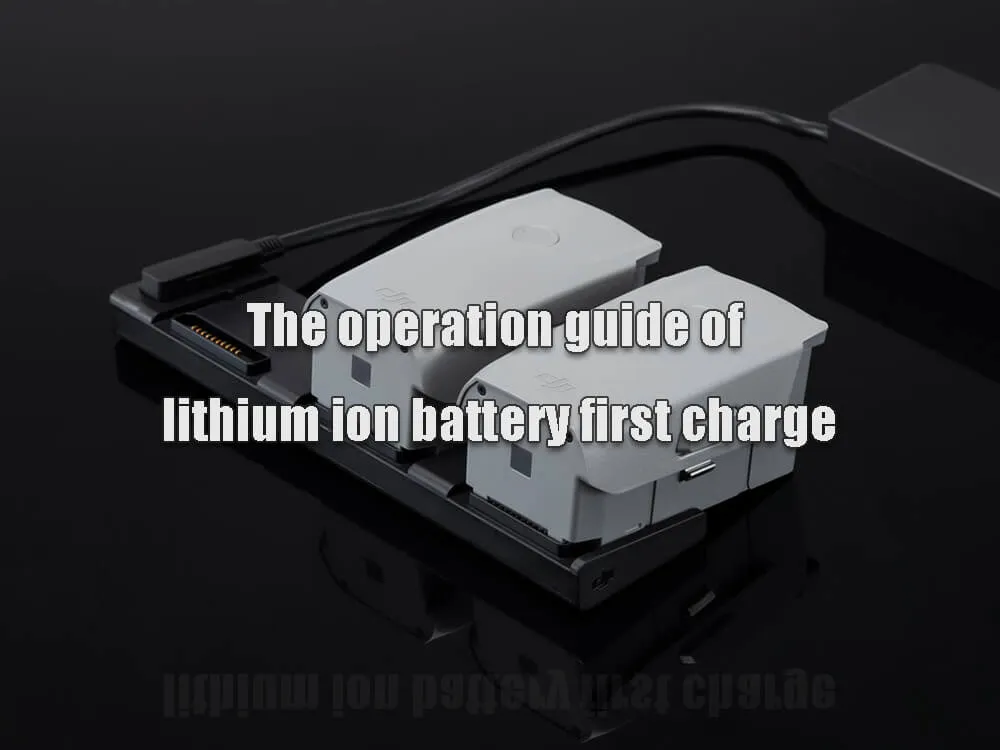
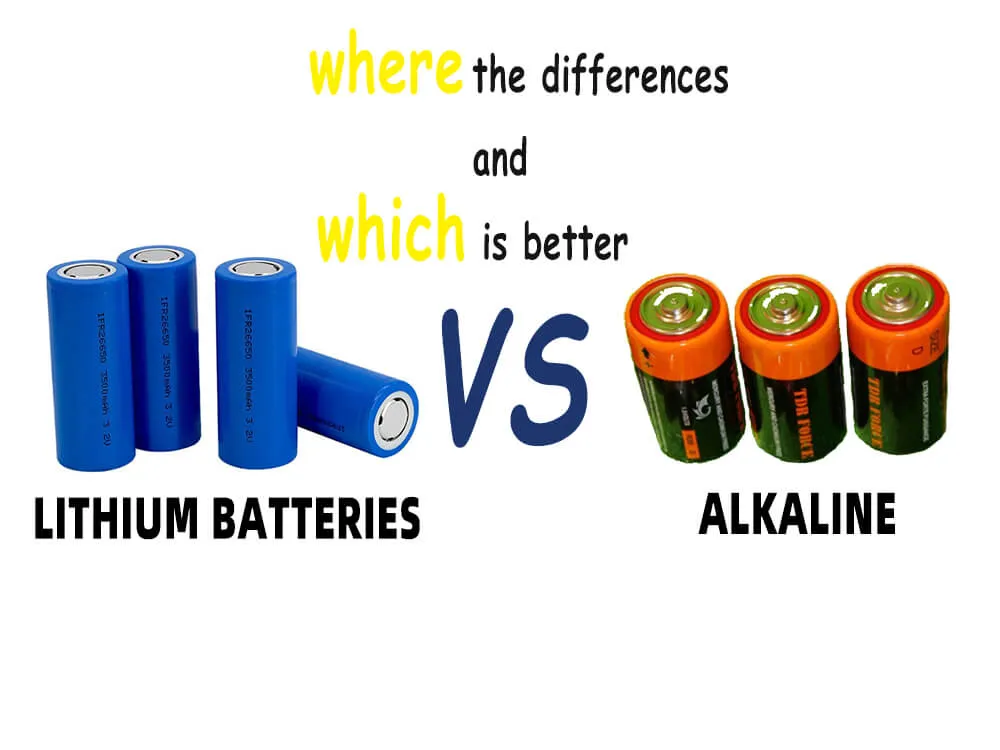
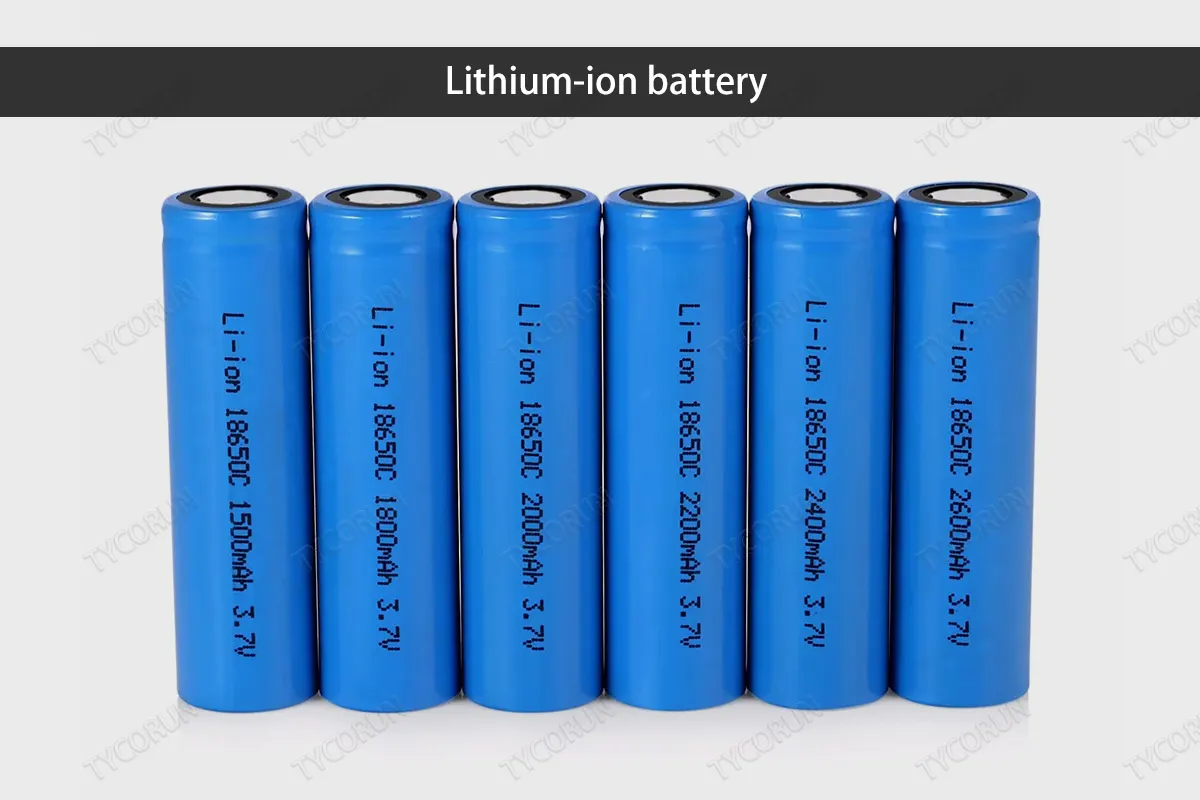
- Lithium-Ion (Li-Ion): The popularity of lithium-ion batteries is explained by their application in electronics and electric vehicles due to their higher energy density and lightweight. At the same time, lithium-ion batteries offer pollution-free operation, have no memory effect, and can be charged and discharged at any time without affecting capacity. The lithium ion battery cycle life is impacted by compatibility factors, often requiring checks on voltages, capacities, and temperature ranges, as these batteries are frequently mismatched.
- Nickel-Metal Hydride (NiMH): NiMH batteries can be found in older electronic appliances, have a relatively low energy density and are ideal for those moderate energy demands. However, NiMH batteries must have compatible charging systems to prevent damage, and their lower energy density makes them unsuitable for high drain devices.And it has low self-discharge rate, small power loss, strong temperature adaptability and long cycle life.

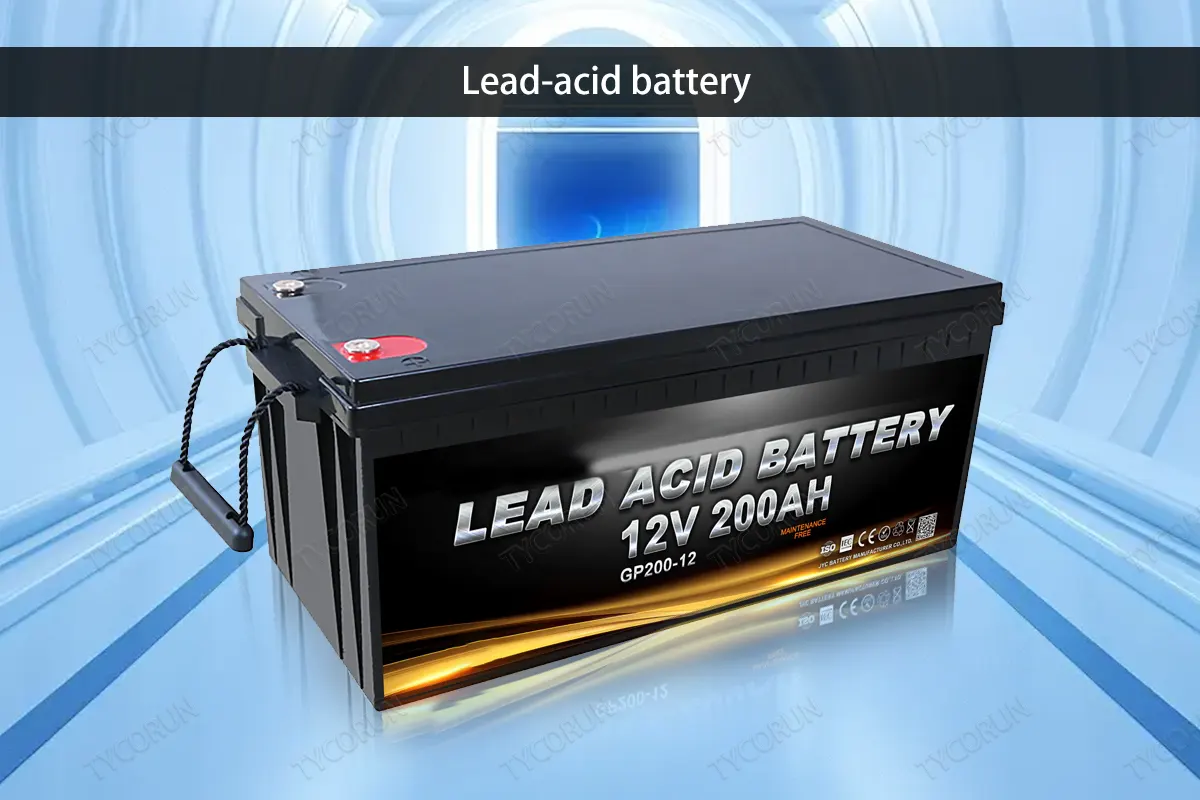
- Lead acid battery: Primarily employed in automotive and industrial applications, lead-acid batteries are designed for applications where higher discharges are commonplace. Due to their large size, battery-assistive technology compatibility almost always has to do with available space and air circulation.The charging method of lead-acid batteries is relatively simple, and they are compatible with a variety of chargers and charging methods. The constant voltage and constant current charging method is more common. Lead-acid batteries can be universally charged in a variety of devices and have good adaptability.
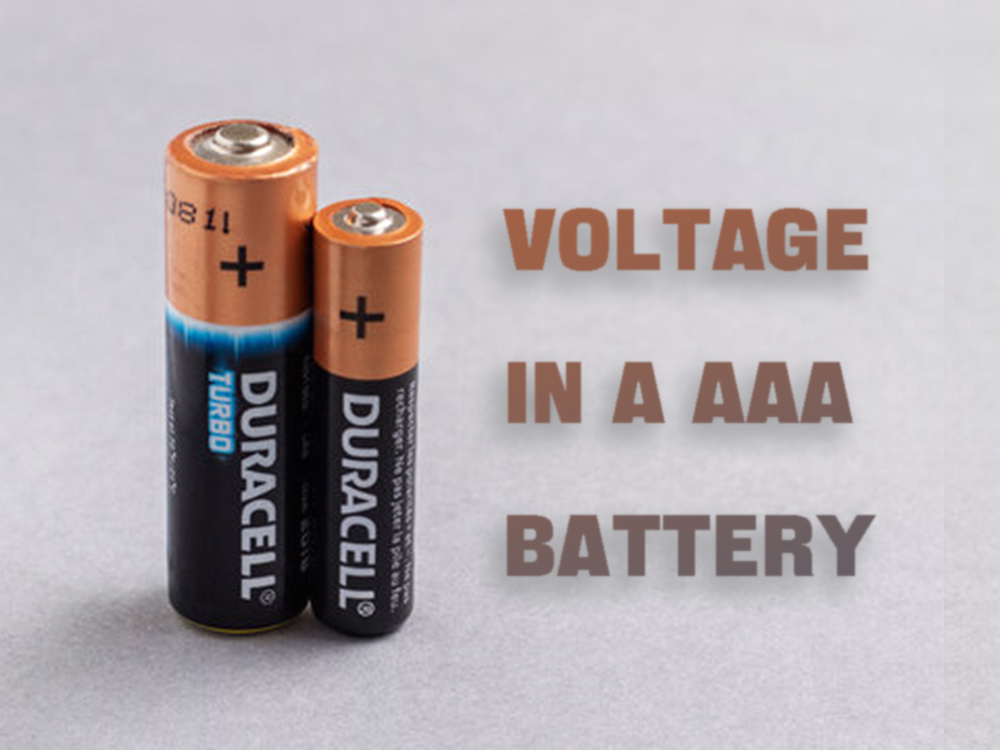
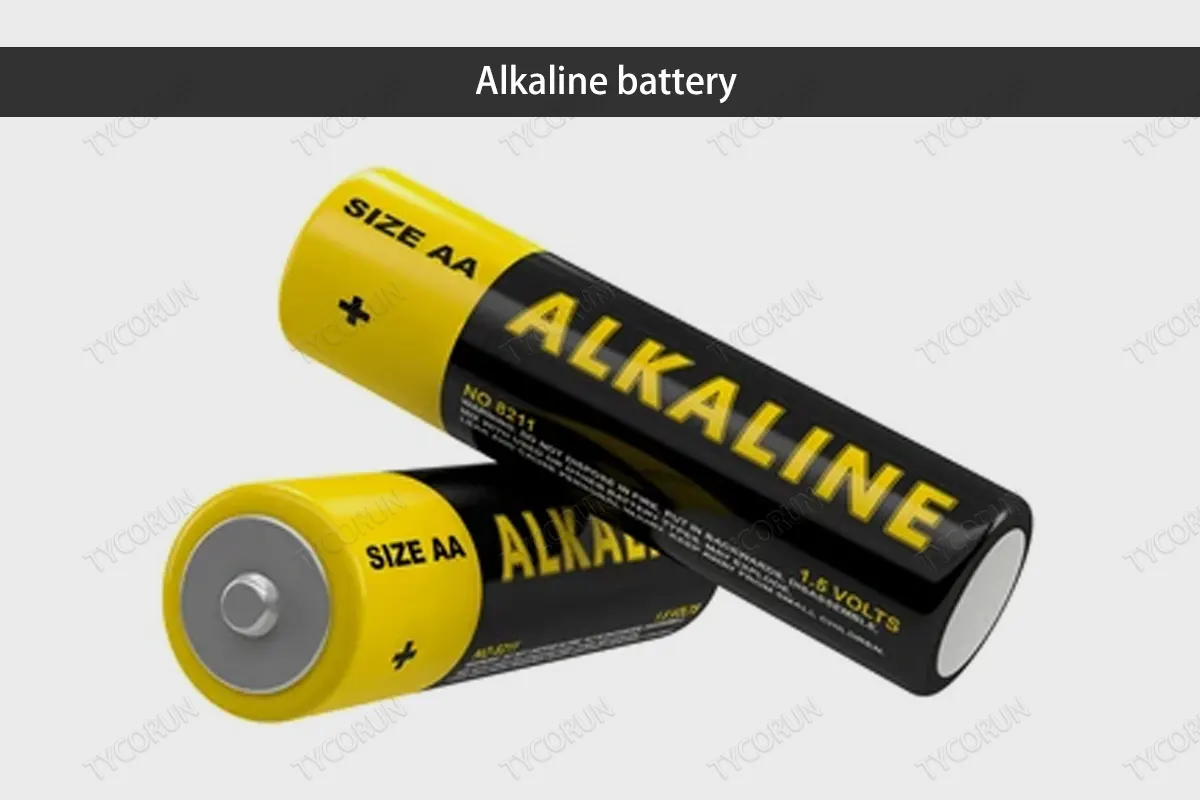
- Alkaline batteries: Ordinarily suited in household appliances, these batteries can only cater for small, low-drain appliances owing to their inability to be recharged. As per battery compatibility, the use and charging of alkaline batteries should be done with careful monitoring in order to prevent leakage and compromise functionality.
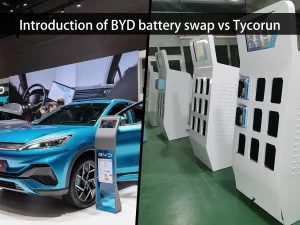
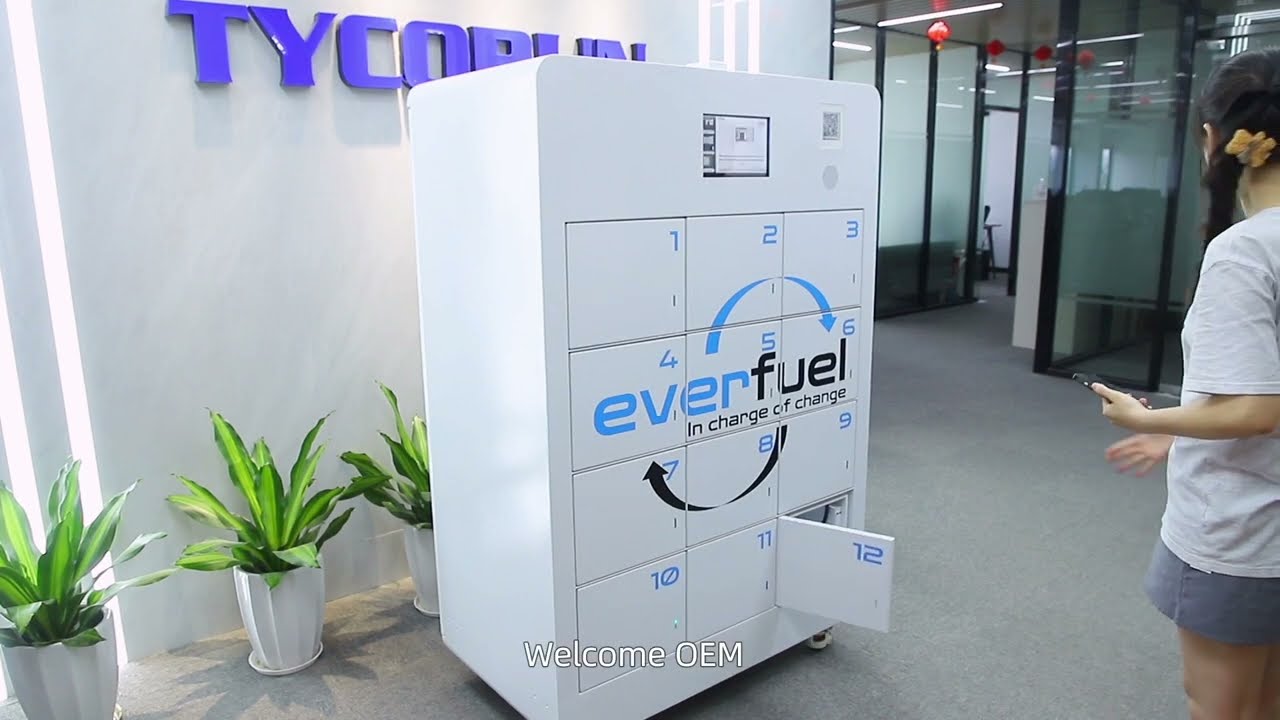
Standardization battery compatibility has the following effects on the battery swap system.
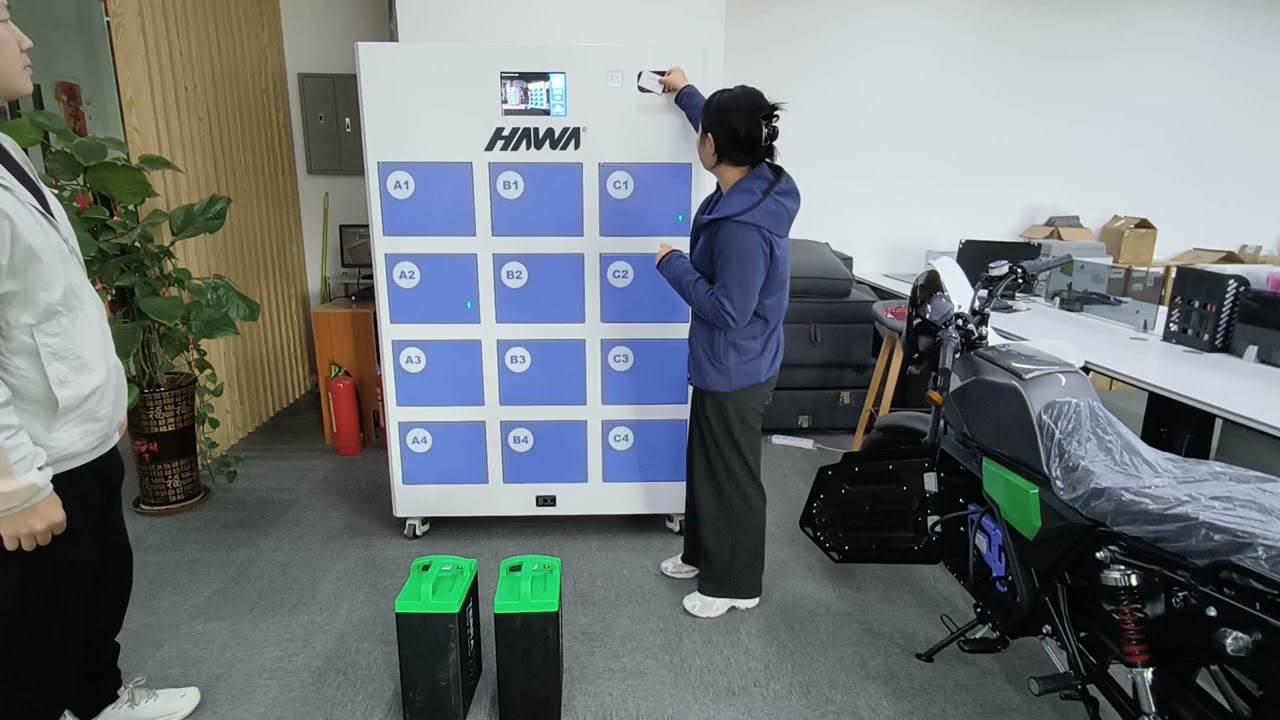
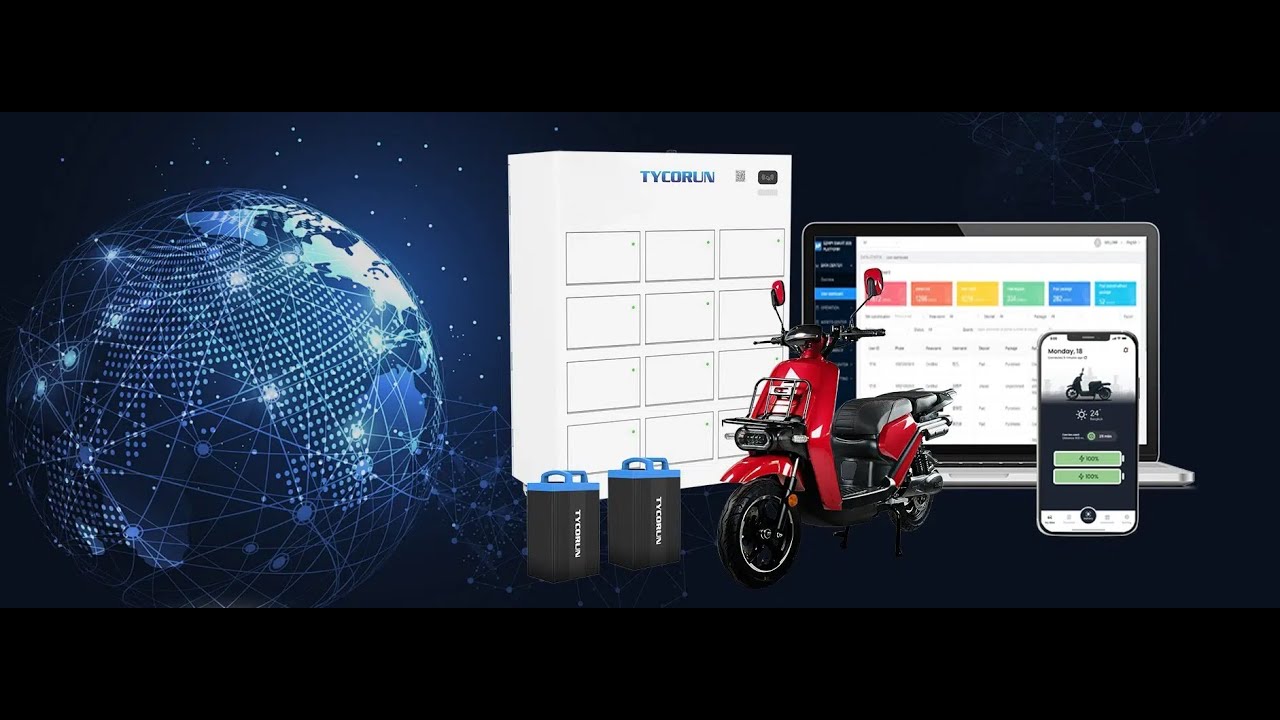
The core of the battery swapping platform is the ability to quickly and efficiently replace batteries, and this process requires that the batteries have a high degree of compatibility in physical and electrical properties.
A high degree of battery compatibility is relatively speaking more critical in battery swapping systems used in EV applications. In battery swapping cases, users replace a used-up battery with a new one allowing for greater range and improved uptime.Battery replacement takes into account size, interface and communication protocol compatibility.
Size compatibility
The size of the battery swap needs to be standardized so that different batteries can be installed and removed smoothly in the same battery compartment or battery swap cabinet. This size standardization can improve the versatility of the battery module and facilitate the interchange of batteries for various models or equipment.
Interface compatibility
The electrical and physical interfaces of the battery should have unified standards to ensure that the battery can be seamlessly connected to different battery swap equipment, safety locks or vehicle battery compartments.
Communication protocol compatibility
The communication protocol is the basis for exchanging information between the battery swap and the vehicle, battery swap cabinet or charging equipment, mainly including battery status information (such as power, temperature, health status) and control instructions (such as charging and discharging control).

In summary, battery compatibility is crucial to the battery swap system. It is related to the standardization of the system, the stable operation of the equipment, and the convenience of charging, and is the basis for ensuring the efficient operation of the battery swap system.