Skip to content
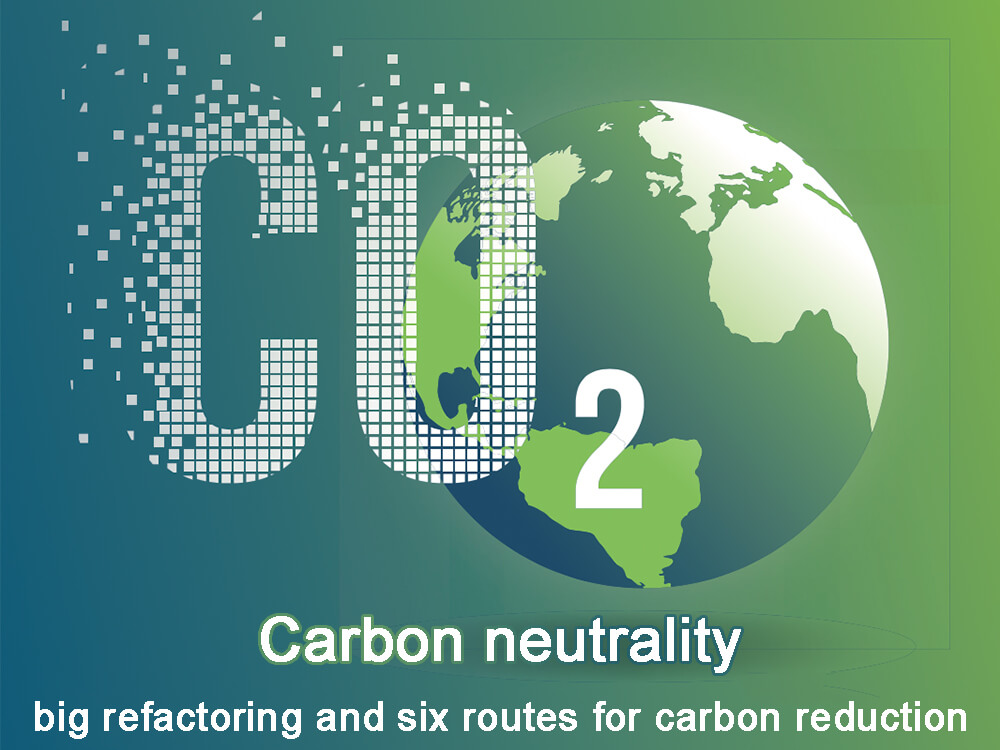
“Carbon neutrality” is the inherent need of China’s energy security and economic transformation, and it is also the conflict and unity of interests of all countries in the world. There are many ways to achieve carbon neutrality, including the use of new energy products lithium ion solar battery as a home energy storage system and the use of lithium electric bus battery in buses to effectively reduce carbon emissions.
Among them, the game against the development right behind the current “carbon emission right” is uniformly reflected in the unanimous global policy on addressing climate change. Compared with developed countries, China has achieved “carbon neutrality” in a shorter period of time and has a larger slope of carbon emission decline.

Carbon neutrality-big refactoring
The right to development-the game of great powers and the unity of interests
From a global perspective, we believe that China’s acceleration of “carbon peaking and carbon neutrality” is mainly driven by the following three aspects:
1) “Carbon neutrality” is the internal demand of China’s economy :energy security, industrial transformation
In terms of energy security: by the end of 2020, China’s dependence on crude oil imports will reach 73%, and its dependence on natural gas imports will also be above 40%. Based on energy security considerations, it is necessary to develop new energy sources. At the same time, China has established a global advantage in the field of new energy.
According to estimates, China’s performance in the field of solar panels far exceeds that of the United States, ranking first in all industry comparisons.

In terms of industrial transformation: Although the negative impact of the “new crown epidemic” on the global economy is gradually being eliminated, there are still potential risks in the future such as flooding of liquidity and debt problems.
China’s economy has made great progress. However, in the face of complex international situations such as trade frictions and technological blockades, it is particularly important to be yourself. Technological innovation and industrial upgrading will be an important development direction in the future.
Accelerate the strategic layout of new industries, the intensity of industrial structure adjustment is unprecedented, and the pace is obviously accelerated, and there is a greater possibility of scientific and technological revolution in the fields of energy and resources, network information, advanced materials and manufacturing, agriculture, and population health.
As an important starting point, “carbon emission reduction” promotes the structural reform of China’s industry through the flow of the element of “carbon cost”.
2) The antagonism of “carbon neutrality” :big power game, trade friction
In fact, some developed countries have discussed the imposition of “carbon tariffs” on imported products from countries that do not implement carbon emission reduction quotas, including China, but they have been stranded due to economic and trade dependence and immature carbon markets.
According to data, China exported about 600 million tons of CO2 in 2015, of which 226 million tons were exported to the United States, accounting for about 35%. Assuming an international carbon tax on China at US$40/ton, the increase in expenditure is about US$26 billion;
At 100 US dollars/ton, an increase of 65 billion US dollars. Assuming that China’s carbon emission costs are all internalized, China’s carbon emissions in 2019 will be 9.826 billion tons, which will cost 982.6 billion US dollars based on a carbon price of 100 US dollars per ton.
The essence of “carbon emission limitation” is a limitation on the right to development; The essence of “carbon tariffs” is a means to deal with trade disadvantages, and this disadvantage may be partly caused by the increase in costs after implementing carbon emission reductions. From China’s perspective: “carbon tariffs” are not only “pressure” for trade barriers, but also “power” for industrial structure upgrading.

Why did China promote carbon neutrality more quickly after the “new crown epidemic”? ——Increase international reputation and voice.
In 2019, China’s carbon emissions reached 9.826 billion tons, ranking first in the world (both per capita carbon emissions and carbon emissions/GDP are relatively low), and it has been the country with the highest total carbon emissions in the world since 2005 (after joining the WTO). , due to changes in the division of labor in the global industrial chain).
In recent years, the growth rate of China’s carbon emissions has slowed down, but the relatively large population base makes my country’s global carbon emissions continue to increase, reaching 28.76% in 2019.
In response to the source of the “new crown epidemic”, some Western countries and personnel often openly smear China for political reasons.
Accelerating the promotion of “carbon neutrality” will help China establish a responsible image of a major country, gain the “right to speak” in the construction of the international climate legal order, and master the initiative and right to formulate the future global “rules of the game”.
At present, the all-human climate goal competition has started. According to the scorecard of the net zero emission competition launched by EnergyClimate, my country is currently in the fourth echelon, ranking 28th in the world.
3) Uniformity of “carbon neutrality” : a rare point of policy and interest alignment in the world
Globally, most countries have updated their NDC (Nationally Determined Contribution) targets. “Carbon neutrality” has become a global trend.
After Biden took office, the United States rejoined the Paris Agreement, and tackling climate change was one of Biden’s core commitments in his presidential campaign. In the future, the United States will take more measures on global climate change and new energy development.
Although China and the United States had various unpleasantness in terms of trade and technology in the early stage, in terms of addressing global climate change, both China and the United States and the world share the same interests and directions in terms of carbon neutrality.
Chinese carbon emission reduction will be a difficult journey
While more and more governments around the world are incorporating carbon neutrality goals into their national strategies, there are differences in terms of specific goals. For example, the European Union submitted the “Climate Neutrality Act” in March 2020, which aims to legally ensure that Europe will become the first “climate neutral” continent by 2050.
California and China have set carbon neutrality goals for 2045 and 2060, respectively. California’s goal includes cutting all greenhouse gas emissions, including carbon dioxide, methane, etc., and offsetting those it cannot cut, while China’s goal is only for carbon dioxide.
China’s carbon emissions have a steeper decline. Due to different development stages, developed countries have generally experienced “carbon peaking”, and to a greater extent, they will only continue the previous emission reduction slope in order to achieve “carbon neutrality” in 2050.
However, China’s total carbon emissions are still increasing, and it needs to experience “carbon peaking” before 2030, and then move towards “carbon neutrality” before 2060. From the point of view of the time to achieve “carbon neutrality”, the time is more urgent than that of developed countries, and the slope of carbon emission decline is larger.

Behind the steep decline in carbon emissions is a large-scale economic structural transformation. This means that the stock assets of a considerable scale under China’s current economic structure will lose their original functions.
The problem of stranded coal power assets shows that the transformation needs to go through pains.
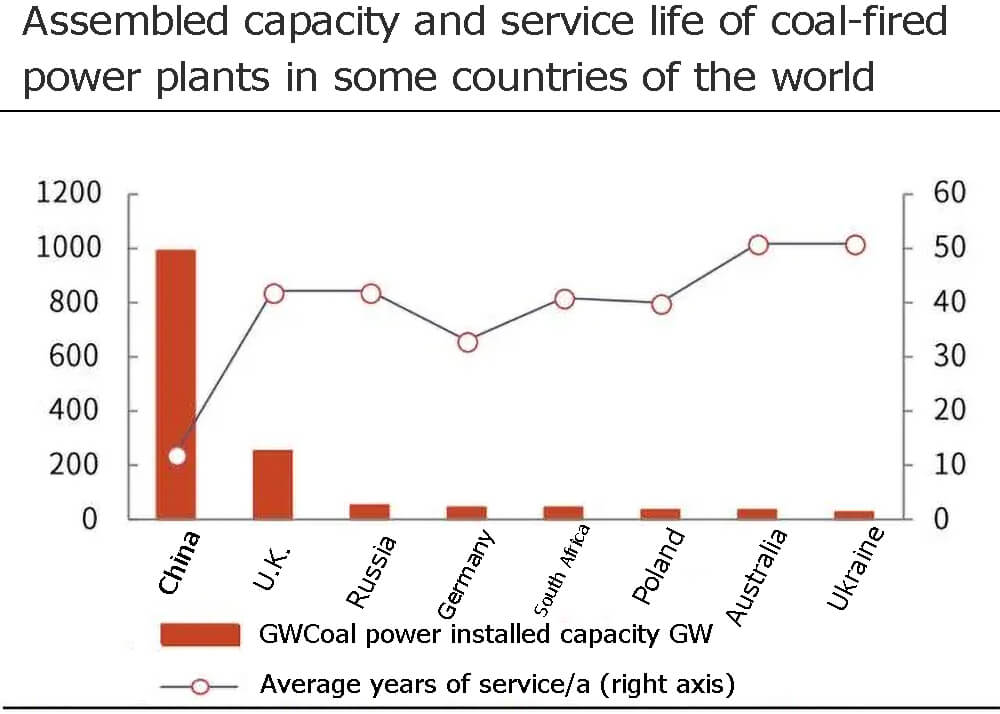
On the one hand, from the perspective of energy structure and its own endowments, China’s energy consumption is dominated by coal, and coal-fired power generation accounted for 65% of the total power generation in 2019, far exceeding developed countries.
On the other hand, the average service life of coal-fired power units in China is only 12 years, while that in developed countries generally reaches more than 40 years. A faster downward slope of carbon emissions means that there will be a large number of coal-fired power assets that have not reached their retirement years ahead of schedule.
According to the research, under different scenarios, the estimated size of China’s coal power stranded assets may be as high as 3,086-7,201 billion RMB (4,490-1,047 billion US dollars), equivalent to 4.1-9.5% of China’s 2015 GDP. Since China is still building coal-fired power plants in recent years, the actual stranding may be even larger.
What does carbon neutrality mean to China
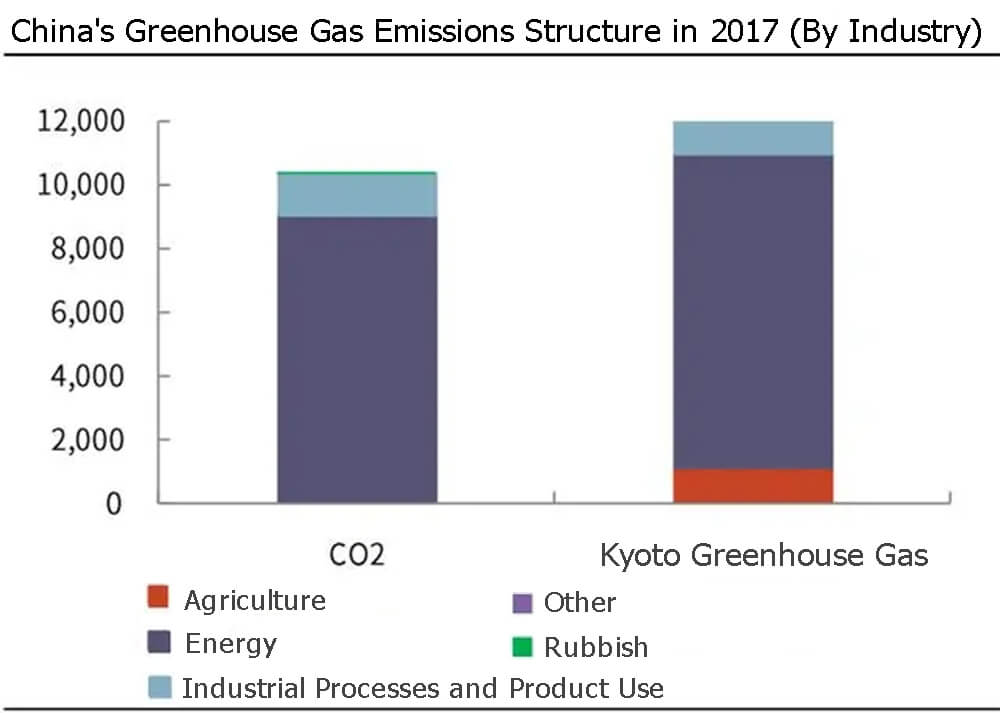
In terms of carbon emission structure, power generation has become the sector with the highest proportion. In 2019, China’s carbon emissions were 11.5 billion tons, of which power generation carbon emissions were 4.569 billion tons CO2, accounting for 40%; industrial combustion carbon emissions were 3.312 billion tons CO2, accounting for 29%.
Among the major carbon emission key countries, except for the United States, the power generation sector accounts for the highest carbon emission (the United States is transportation, accounting for 45%). Therefore, to achieve “carbon neutrality”, the energy transition bears the brunt.
The broad energy sector includes energy generation, conversion, and consumption processes, and uses include driving, heat generation, etc., which are the source of most greenhouse gas emissions. In addition to this, transportation, industrial processes and agriculture are also major sources of GHG emissions.
From a microscopic point of view, there are three main aspects in the carbon accounting boundary of industrial enterprises:
1) Greenhouse gas emissions from fuel oxidative combustion;
2) Greenhouse gas emissions caused by physical or chemical changes other than fuel combustion during production and waste treatment and disposal;
3) The carbon dioxide emissions generated by the electricity and heat production links corresponding to the electricity and heat input/output by the enterprise.
This means that we need to start with the fuel combustion/non-combustion process and switch to renewable energy; or reduce carbon dioxide emissions through energy saving and consumption reduction measures.
Six major carbon emission reduction routes
Six major carbon emission reduction routes: supply-side reform, energy revolution and industrial upgrading
Starting from two aspects of “energy carbon” and “material carbon”, we have constructed the realization path of “carbon neutrality”.
1. Energy carbon
● Energy supply side: increase the proportion of renewable energy, build an energy structure dominated by zero-carbon power and supplemented by hydrogen energy, and vigorously develop energy storage to ensure grid balance.
● Energy demand side: In terms of industries, there are mainly three sectors: industry, transportation, and construction; according to the realization path, there are mainly three paths: terminal electrification, source reduction, and energy conservation and efficiency improvement.
2. Material carbon
Material carbon is closely linked to industrial processes and thus involves large-scale process changes and raw material substitutions.
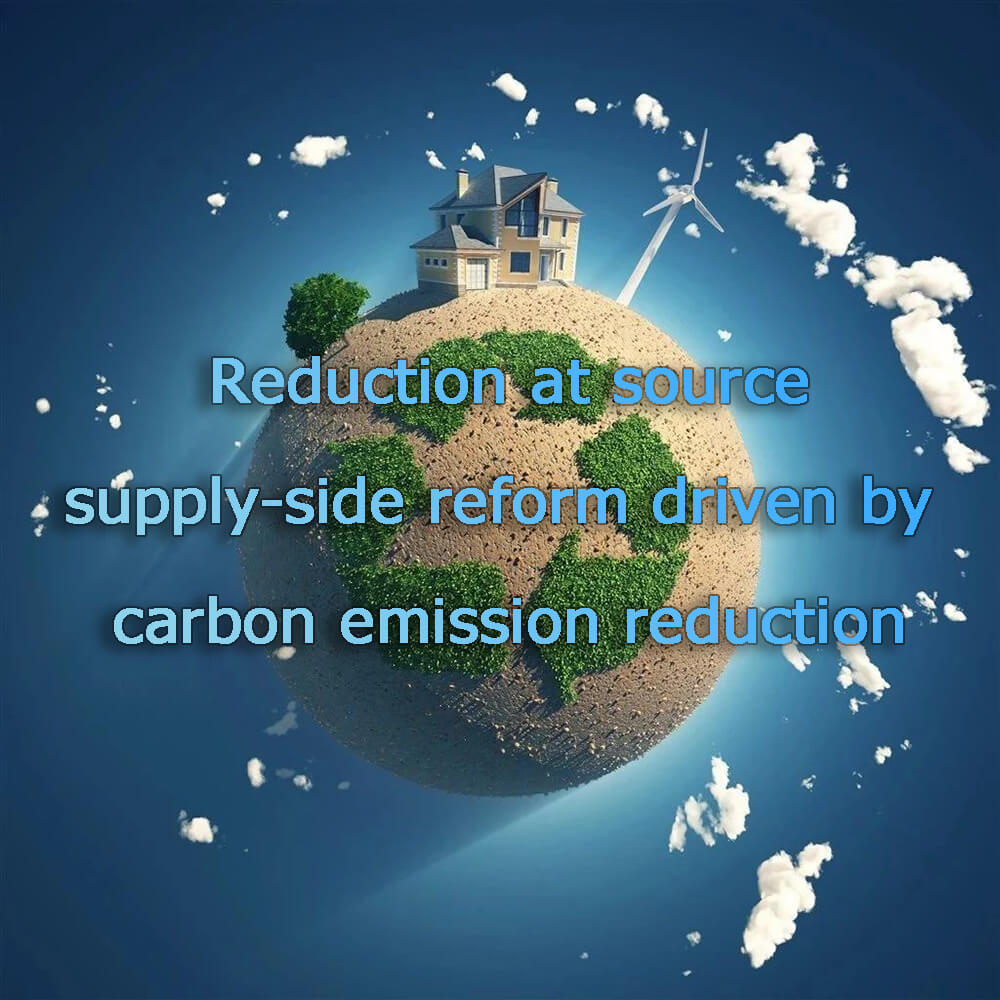
Reduction at source-supply side reform driven by carbon emission reduction
(1) On January 26, 2021, the State Council press conference disclosed that the Ministry of Industry and Information Technology, the National Development and Reform Commission and other relevant departments are studying and formulating new capacity replacement measures and project filing guidelines. Gradually establish a stock restraint mechanism based on carbon emissions, pollutant emissions, and total energy consumption to ensure a year-on-year decline in steel production in 2021.
The reduction of steel production is mainly from the following four aspects:
First, new steel production capacity is strictly prohibited. For iron and steel smelting projects that are really necessary to construct, the policy of capacity replacement shall be strictly implemented, and the investigation and punishment of newly increased smelting capacity in violation of laws and regulations will be strengthened, and negative warnings will be strengthened. At the same time, it continuously strengthens the constraints of environmental protection, energy consumption, safety, quality and other factors, and regulates the production behavior of enterprises.
The second is to improve relevant policies and measures. According to the new situation of industrial development, the Ministry of Industry and Information Technology, the National Development and Reform Commission and other relevant departments are studying and formulating new production capacity replacement methods and guidelines for project filing, which will further guide and consolidate the effectiveness of steel production capacity reduction.
The third is to promote the merger and reorganization of the iron and steel industry, promote the improvement of industry concentration, and promote the resolution of the industry’s long-standing problems such as serious homogenization competition, unreasonable resource allocation, and weak R&D and innovation synergy capabilities, so as to improve the industry’s innovation capabilities and economies of scale.
Fourth, resolutely reduce steel production. Combined with the overall development trend of the current industry, with a view to achieving the carbon peak and carbon neutrality phased goals, gradually establish a stock restraint mechanism based on carbon emissions, pollutant emissions, and total energy consumption, and study and formulate relevant work plans to ensure A year-on-year decline in steel production is fully realized in 2021.
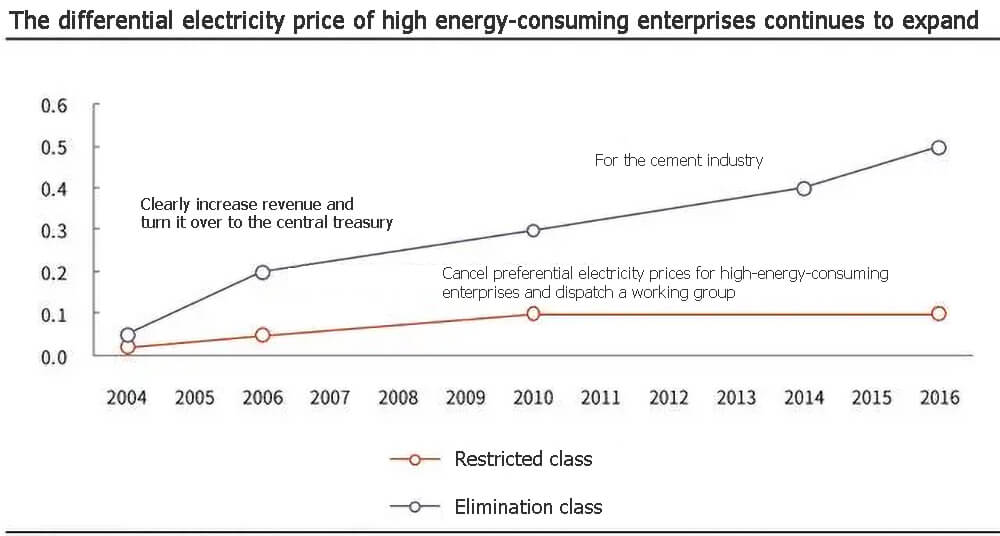
Looking back at the last round of supply-side reform, market-oriented policies represented by differentiated electricity prices and stepped electricity prices, as well as administrative measures represented by the inspection of intermediate frequency furnaces (strip steel) (including later environmental inspections), have effectively promoted the steel industry. The elimination of outdated production capacity has also caused steel prices to soar. Currently, the policy is still under discussion and we need further analysis:
●Although carbon emission reduction is a “marathon”, the setting of indicators and the choice of paths have significant policy factors. At present, when other emission reduction paths are relatively general in economic technology or have high time costs, short-term pressure Capacity reduction may be an effective measure;
●At present, the Ministry of Ecology and Environment is in charge of matters related to carbon emission reduction. From the perspective of environmental protection inspection methods, history has proven its effectiveness;
●All regions and industries will formulate their own emission reduction targets and emission reduction paths, and there are inevitably ranking and comparison factors. In conclusion, we are optimistic about policy measures to reduce energy consumption and thus CO2 emissions by reducing outdated production capacity. Of course, it still needs to wait for the final implementation of the policy, and the specific assessment of emission reduction targets and emission reduction routes.
(2) On February 4, 2021, Inner Mongolia issued the “Adjustment of Electricity Price Policies and Electricity Market Transaction Policies in Some Industries” to adjust electricity price policies and electricity market transaction policies in some industries.
Strictly follow national regulations to implement differential electricity price policy for 8 industries of electrolytic aluminum, ferroalloy, calcium carbide, caustic soda, cement, iron and steel, yellow phosphorus, and zinc smelting, and continue to implement tiered electricity price policy for electrolytic aluminum, cement, and steel industries.
On February 24, 2021, Gansu Province issued the “Notice on the Administrative Measures for the Implementation of Differential Electricity Prices in High Energy-consuming Industries”, requiring the confirmation of the first enterprises to implement differential electricity prices in the region to be completed before March 31, 2021.
For eight high-energy-consuming enterprises such as iron and steel, ferroalloy, electrolytic aluminum, zinc smelting, calcium carbide, caustic soda, yellow phosphorus, and cement, differentiated electricity prices shall be implemented according to the permitted, restricted and eliminated categories.
From the perspective of recent policies, the stock constraint mechanism based on carbon emissions, total energy consumption, and pollutant emissions is being tightened.
The increased electricity fee income of power grid enterprises due to the implementation of the differential electricity price policy shall be turned over to the provincial treasury in full, and included in the provincial fiscal budget.
10% of the electricity revenue from the cement industry and steel industry due to the implementation of the differential electricity price policy will be reserved for power grid enterprises to make up for the increased cost of implementing the differential electricity price; 90% will be turned over to the provincial treasury and included in the provincial financial budget to be used as a whole to support industry technology Transformation, transformation and upgrading to promote economic restructuring.
Under the pressure of the “carbon peak” and “carbon neutrality” goals, “energy consumption indicators” will become an important starting point. In 2021, the global economy will recover, and the price of bulk commodities will rise strongly, superimposed on “carbon neutrality”. “The means of reducing the production capacity under the target, and after the supply-side constraints of high-energy-consuming products, the price may be further increased.
According to the energy consumption indicators, we have sorted out the types of products with high energy consumption: electrolytic aluminum, ferrosilicon, electric furnace ferromanganese, graphite electrodes, caustic soda, polyester, copper, etc., all of which may become restricted objects.
Energy substitution-a feast for the long-term development of new energy
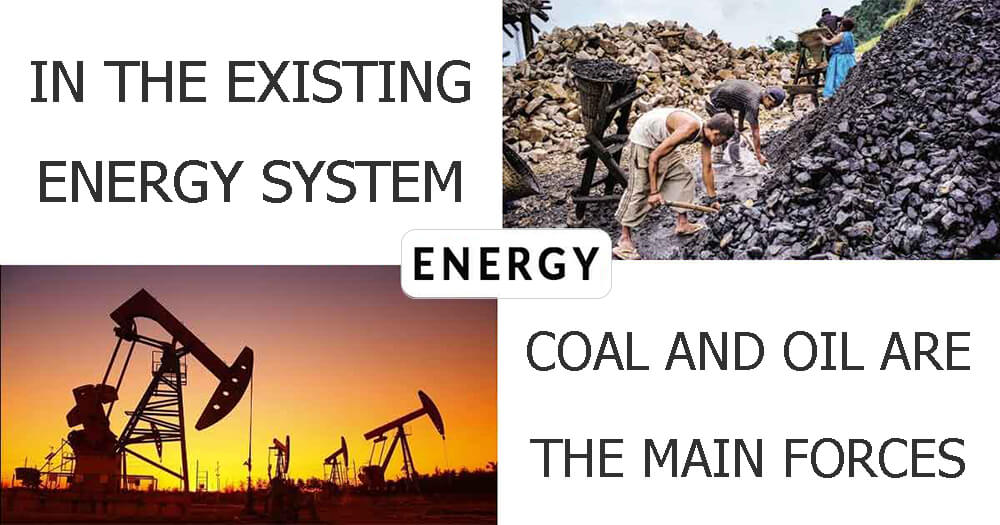
In the existing energy system, coal and oil are the main forces. According to the statistical yearbook data, China’s total energy consumption in 2019 was 4.87 billion tons of standard coal, of which coal, oil, natural gas, primary electricity and other energy accounted for 57.7%, 18.9%, 8.1%, and 15.3%, respectively.
In terms of usage, oil is mainly used for final consumption (transportation, industry), coal is mainly used for intermediate consumption (thermal power generation), and natural gas is mainly used for final consumption (transportation, industry, construction sector).
Looking back on the process of human exploration of energy utilization, it is actually the process from the use of extra-nuclear electrons to the use of intra-nuclear electrons, but this is exactly the reverse process of the development of the universe, matter and energy.
Among secondary energy sources, the utilization of electric energy is a great revolution, and has now become the hub of energy utilization. Historically, “electricity” has also triggered many technological revolutions in production. As a secondary energy source, hydrogen energy has the advantage of being storable, but it is also less economical due to its lower preparation and use efficiency. However, from the perspective of energy cycle, it can contribute to carbon emission reduction.
Lithium and hydrogen are both feasible and promising electronic storage carriers. The important principle feature is that both Li+ and H2 are small particles, which help to improve the convenience of material/energy conversion.
The most important purpose of carbon neutrality is to reduce carbon-containing greenhouse gas emissions, use appropriate technologies to sequester carbon, and ultimately achieve a balance.
To achieve carbon neutrality, we expect that by 2060, clean electricity will be the configuration backbone of the energy system. The supply side is dominated by photovoltaic + wind power, supplemented by nuclear power, hydropower, and biomass power generation; the demand side is fully electrified, supplemented by hydrogen energy.
Summary
Carbon neutrality and big refactoring
Carbon neutrality and big restructuring: supply-side reform, energy revolution and industrial upgrading
Based on the combustion and non-combustion processes of carbon emission sources, we have constructed the realization path of “carbon neutrality”:
1) Increase the proportion of renewable energy on the supply side, build an energy structure dominated by zero-carbon electricity and supplemented by hydrogen energy, and vigorously develop energy storage to ensure grid balance;
2) The demand side starts from the three departments of industry, transportation and construction, and comprehensively promotes terminal electrification, source reduction, energy saving and efficiency improvement;
3)Improve the industrial process and take targeted replacement of raw materials for the redox and decomposition of industrial raw materials.
Six major routes
Six major routes: source reduction, energy substitution, energy conservation and efficiency improvement, recycling, process transformation, and carbon capture
1) Reduction at the source: Under the pressure of short-term emission reduction, the government may carry out supply-side reforms through measures such as “energy consumption”. It is necessary to pay attention to whether there will be a phased sprint, which will lead to further increases in commodity prices. Large energy consumption per ton of product: electrolytic aluminum, ferrosilicon (steel), graphite electrode, cement, copper processing, caustic soda, polyester, yellow phosphorus, zinc, etc.;
2) Energy substitution: the new energy industry represented by wind and solar energy, energy storage, hydrogen energy, and new energy vehicles, the entire industrial chain including upstream and downstream of the supply chain, manufacturing end, and operation end will benefit from carbon neutrality. investment pull;
3) Energy saving and efficiency improvement: Industrial energy saving, building energy saving and energy saving equipment will benefit;
4) Recycling: The recycling of renewable resources can effectively reduce carbon emissions in the initial production process, such as scrap steel, battery recycling, garbage classification and solid waste treatment;
5) Process transformation: mainly focus on battery technology upgrade, smart grid, distributed power supply, UHV, energy Internet, prefabricated, etc.;
6)Carbon capture: It is difficult to reduce carbon emissions in some routes, and carbon dioxide capture, utilization and storage may exist as a “return to the bottom” technology. At present, the cost is at a high level, and the cost of different routes is 700-1500 RMB/ton.