Skip to content

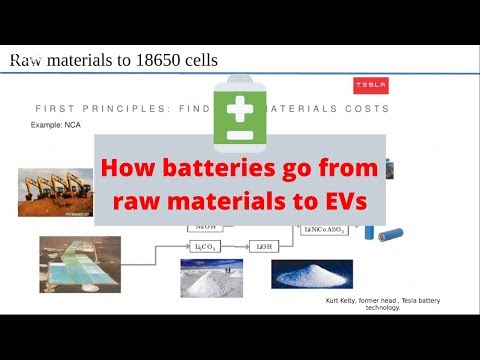

Shipments of China’s four main lithium battery materials continue to grow
In 2022, the shipments of power batteries and energy storage batteries will increase significantly, driving the market demand and production capacity of the four main materials of cathode, anode, separators, and electrolytes to rise rapidly, and driving market shipments to one million tons/ten billion square meters.
Cathode materials
In the field of cathode materials, China’s lithium battery cathode materials shipments in the first half of 2022 were 770,000 tons, a year-on-year increase of 62%. Among them, in 2022, the shipment volume and installed capacity of LFP power batteries will further increase, which will lead to a substantial increase in shipments of LFP cathode materials, and the growth rate of shipments will be significantly higher than that of ternary materials.
In 2021, China’s LFP material shipments will be about 480,000 tons, a year-on-year increase of about 250%. In the first half of 2022, China’s LFP material shipments have reached 445,000 tons, which is close to last year’s annual shipments, a year-on-year increase of 130%. It is expected that the annual shipments will exceed 1.1 million tons, a year-on-year increase of over 140%.

In 2021, China will ship about 430,000 tons of ternary materials, and it is expected that the shipment will exceed 650,000 tons in 2022, a year-on-year increase of over 50%. Although ternary lithium battery materials are squeezed by LFP materials in some markets in China, their competitive advantages in the high-end market are still obvious, especially in the global market. In 2022, the export volume of high-nickel cathode materials of China’s leading ternary material companies will increase significantly year-on-year, and the proportion in the international market will increase rapidly.
From the perspective of market share, LFP materials will account for nearly 60% of the shipments of cathode materials in 2022. It is estimated that by 2025, the shipment of LFP materials will increase by 5 times compared with that in 2021, which will further increase the proportion of LFP material shipments.
Anode materials
In the field of anode materials, China will ship about 720,000 tons of anode materials in 2021, a year-on-year increase of 95%. Driven by the sharp increase in power battery shipments, the market share of artificial graphite has further increased, exceeding 82%, but the growth rate has slowed down, mainly due to insufficient production capacity.
In the first half of 2022, China’s lithium battery anode material shipments were 540,000 tons, a year-on-year increase of 68%. Among them, artificial graphite market accounted for 85%. It is estimated that the annual shipment of anode materials will exceed 1.2 million tons, a year-on-year increase of over 65%.
Separator
In the field of separator, China’s lithium battery separator will ship about 7.8 billion square meters in 2021, a year-on-year increase of more than 100%. The lithium battery separators market is dominated by wet-process separators, and the wet-process separators market will account for 79% in the first half of 2022.
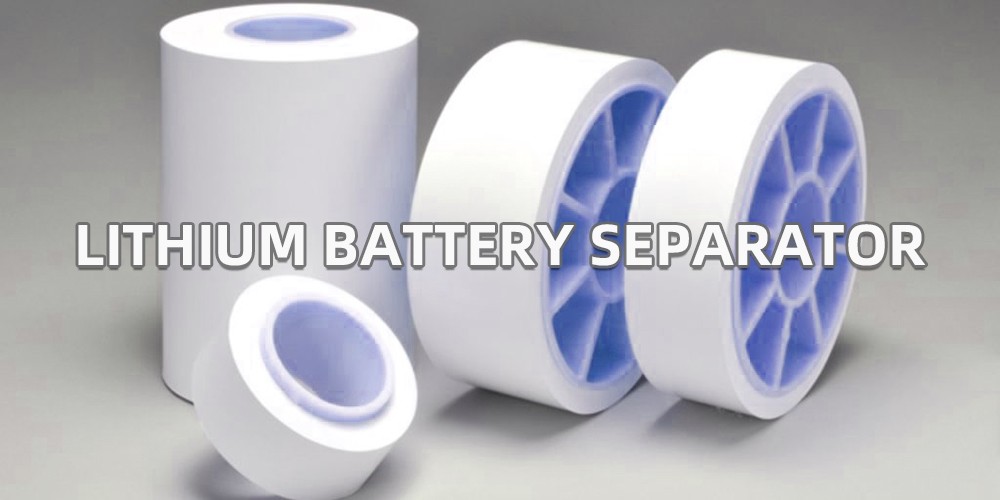
In the first half of 2022, the shipment volume of China’s lithium battery separator market reached 5.4 billion square meters, a year-on-year increase of over 55%. It is estimated that the annual shipment of lithium battery separators will exceed 11 billion square meters, a year-on-year increase of more than 40%.
Electrolyte
In the field of electrolyte, China’s electrolyte shipment will be about 500,000 tons in 2021, a year-on-year increase of about 100%. Among them, due to the constraints of insufficient supply of raw materials such as lithium hexafluorophosphate and additive VC and the impact of skyrocketing prices, the price of electrolyte has risen sharply. In the first half of 2022, China’s electrolyte shipments will be 330,000 tons, a year-on-year increase of 63%. It is expected that the annual electrolyte shipments will exceed 800,000 tons, a year-on-year increase of over 60%.
On the whole, in 2022, the overall shipments of China’s four major lithium battery materials will still maintain a growth trend, with a shipment growth rate of more than 60%, but the shipment growth rate has slowed down compared with last year, and is lower than the battery shipment growth rate. The reason is that the rapid growth of market demand in the early stage has led to a substantial increase in shipments of lithium battery materials.
After the base increased, the overall shipment growth rate has declined. It is estimated that by 2023, China’s lithium battery market shipments will exceed 1TWh, which will further increase the overall shipments of the four major materials for lithium batteries.
Accelerated production capacity release and battery material prices fall
In 2021, the explosive growth of new energy vehicles and lithium battery energy storage markets will drive a substantial increase in lithium battery shipments, which in turn will generate strong demand for various upstream lithium battery materials. The overall lithium battery material link will be in a state of tight supply and rising prices.
Among them, lithium battery raw materials, including lithium carbonate, lithium hexafluorophosphate, lithium iron phosphate, iron phosphate, monoammonium phosphate, PVDF, VC, etc., will all experience sharp price increases in 2021 and continue until 2022.
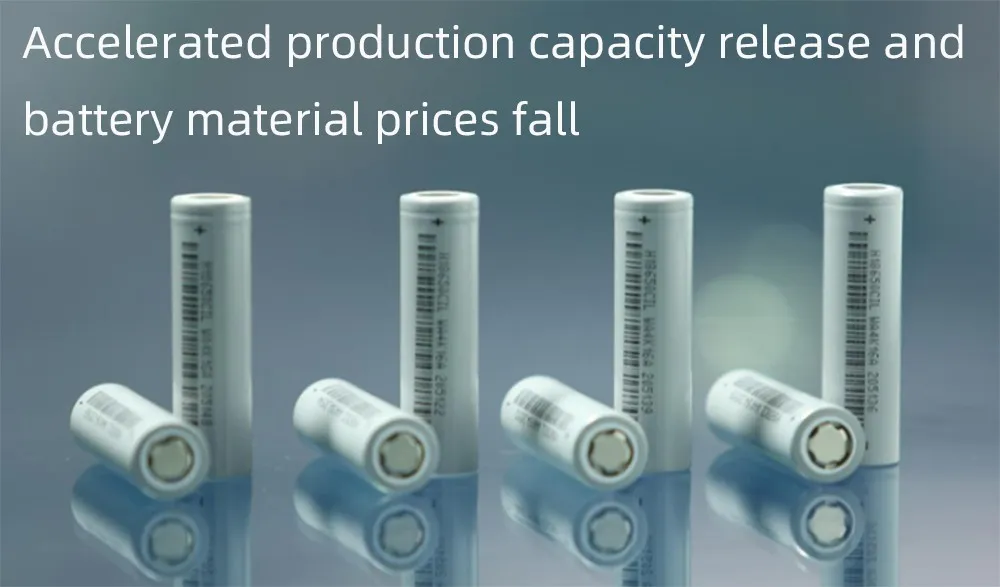
However, with the accelerated expansion of upstream enterprises and the concentrated release of new production capacity, the supply and demand relationship of most lithium battery materials will gradually stabilize in the second half of 2022, and prices will enter a downward channel.
Specifically, in addition to lithium carbonate, the market prices of lithium battery materials including PVDF, lithium hexafluorophosphate, VC, copper foil, and cobalt sulfate have dropped sharply compared with the beginning of this year.
By October this year, the market price of additive VC had dropped by 75% compared with the beginning of this year. The prices of lithium hexafluorophosphate, PVDF, electrolyte, cobalt sulfate and other materials have dropped by more than 40% compared with the beginning of the year.
The prices of materials such as anode materials, separators, and copper foils also dropped in different degrees. The main reason is that the large-scale expansion of production in various materials fields in the past two years, the number of new planned production capacity far exceeds the total market demand, and the supply relationship of most materials has changed from the previous shortage of supply to the balance of supply and demand, and even entered the stage of overcapacity.
Conclusion
On the whole, it is expected that by 2023, except for lithium mines, the capacity bottlenecks of other lithium battery raw materials will be lifted, the relationship between supply and demand will be relatively balanced, and excess capacity will appear in some raw material fields, and market competition will further intensify.