Skip to content


What does depth of discharge mean in batteries
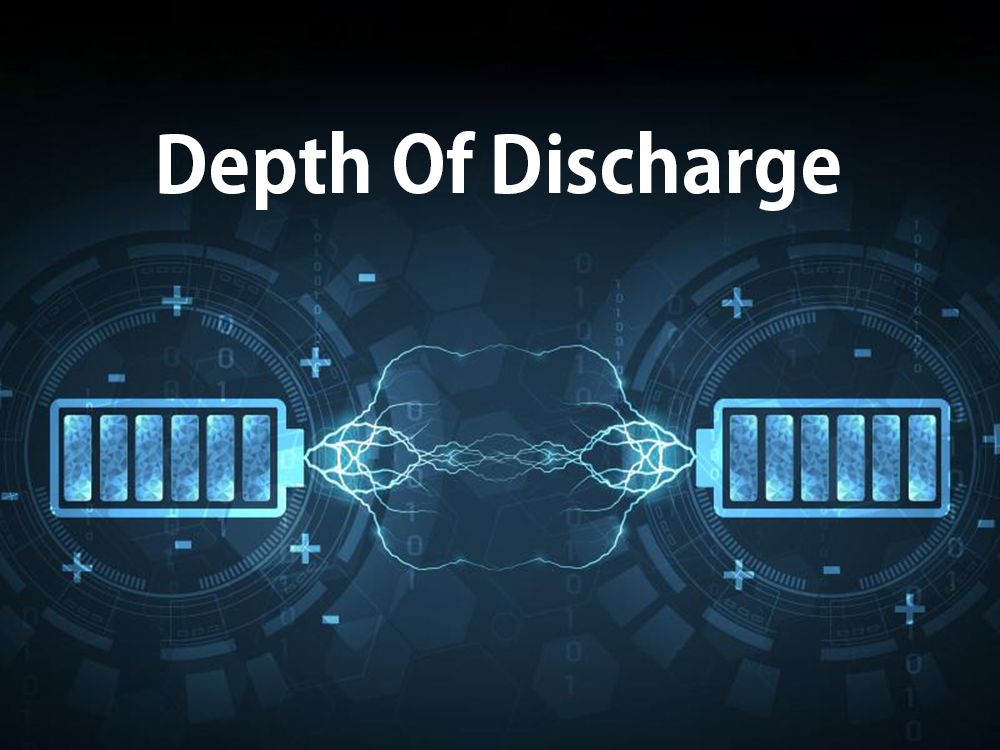
Depth of discharge means how much energy can be processed in and out of the battery within a cycle. It is usually expressed in terms of the percentage of the battery’s total capacity. For most of the new industry, depth of discharge may sound pretty complicated; however, that is not the case like if the battery is drained up to 30%, it means it has a depth of discharge of 30 %, and It means that the current 100% power of the battery is actually only 30% of the initial actual capacity.
Taking 12v lithium ion battery as an example, the total storage capacity of 12v 100ah is 12*100=1200WH. With the increasing number of charging and discharging cycles, the actual capacity of the battery is also a little bit lost. After about 4000 cycles, the remaining storage capacity of the battery is 80%, which means that only 1200WH*80% = 960WH of available electricity is available for one charge and discharge.
The higher depth of discharge translates into more stored energy in the same specification battery. Overall, the lithium-ion batteries available in the market have a depth of discharge of 100%.
Difference between depth of discharge and soc
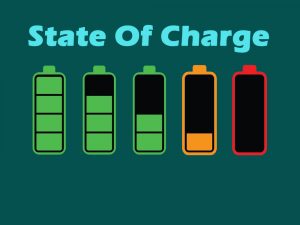
We have already mentioned what depth of discharge is, and now it’s time to focus on SoC. SoC is the short form of state of charge, which indicates the level of charge in an electric battery against the total capacity of the battery. It’s a percentage, and is expressed from 0% to 100%. On the other hand, the depth of discharge is how much it has per 100% of its discharge capacity.
SoC is usually used when discussing the current state of the battery, while depth of discharge is utilized when discussing the battery’s lifespan after regular and repetitive usage.
What is a good depth of discharge
The depth of discharge depends on the batteries. We have already shared the depth of discharge for lithium-ion batteries, but the lead-acid batteries have a depth of discharge of 50% A good depth of discharge is high capacity and not easy to reduce. For example, lithium iron phosphate batteries have a depth of discharge of 100%, and the self-discharge rate is only 3% per month. Use about 4000 cycles and 80% of the depth of discharge value.
What does 80% depth of discharge mean
The 80% discharge depth means you should recharge the battery if you have consumed 80% of the total battery actual capacity. Generally, when the battery is lower than 80%, it is recommended that you replace the battery with a new one, because the use capacity at this time is not as much as it was at the beginning, which will affect the efficiency of use. It is also because after long-term use, the health and performance of the battery may be affected by improper operation sometimes, so as to avoid battery problems caused by continued use.
What is the life cycle of lifepo4 deep cycle battery
The lithium iron phosphate deep cycle battery has a depth of discharge from 100% to 80% and can be used for up to 4000 life cycles. Compared with other batteries, like the ternary lithium battery has 1000 cycles, the lead-acid battery has only 500-600 cycles.

How do you calculate depth of discharge
There is a mathematical formula to determine the depth of discharge of a battery. Depth of discharge is usually expressed in percentages. The formula is:
Actual capacity C = discharge battery (constant current) I × discharge time (hour) T
Depth of discharge = actual capacity C/initial capacity
The discharge current is measured in amps, and the length of time is added in hours. Also, the nominal capacity is added in amp-hours.
How does depth of discharge affect battery life
The high battery discharge occurs whenever the battery starts releasing more energy in a specific period. The batteries sometimes do this when the quality has been deformed. In most cases, deep discharging can significantly reduce the battery life, so you will have to pay more for energy storage.
As far as the impact of depth of discharge on the battery life is concerned, the more frequent charging and discharging of the battery will lead to a shorter lifespan. For this reason, the battery manufacturers recommend that you avoid discharging the battery beyond its depth of discharge value.

Can my battery health go back to 100
No, once the battery health has deteriorated, you cannot pull it back to 100 health. However, you can keep the battery healthy for longer life by avoiding frequent discharging and charging. In addition, it’s recommended that you don’t discharge the battery beyond 80%.
How do you keep lithium batteries healthy
Now that you know the depth of discharge of the batteries, it’s essential to protect them from loss of lifespan. So, with this section, we are sharing some tips that help strengthen the health or lifespan of lithium batteries;
● First, you must avoid temperature extremes, and low or high temperatures, when storing or using the batteries. These temperature extremes can accelerate the degradation of the battery components.
● Try to minimize the time the battery spends at 0% or 100% charge because these extreme SoCs can stress the batteries. For this reason, you should recharge the batteries to 80% rather than 100%.
● Try to put the batteries where room temperature can be maintained or between 20 degrees Celsius and 25 degrees Celsius.
● Do not store the batteries in areas with higher moisture or humidity levels.
● Only use battery-centric chargers (every type of battery has its charger, so don’t use a replacement charger).

Conclusion
The bottom line is that the batteries are designed with multiple components, and how much you charge or discharge the batteries can directly impact the battery’s lifespan and several cycles. Also, ensure you comply with the instructions for use recommended by the lithium ion batteries manufacturer to protect the battery and ensure maximum power storage!