Skip to content
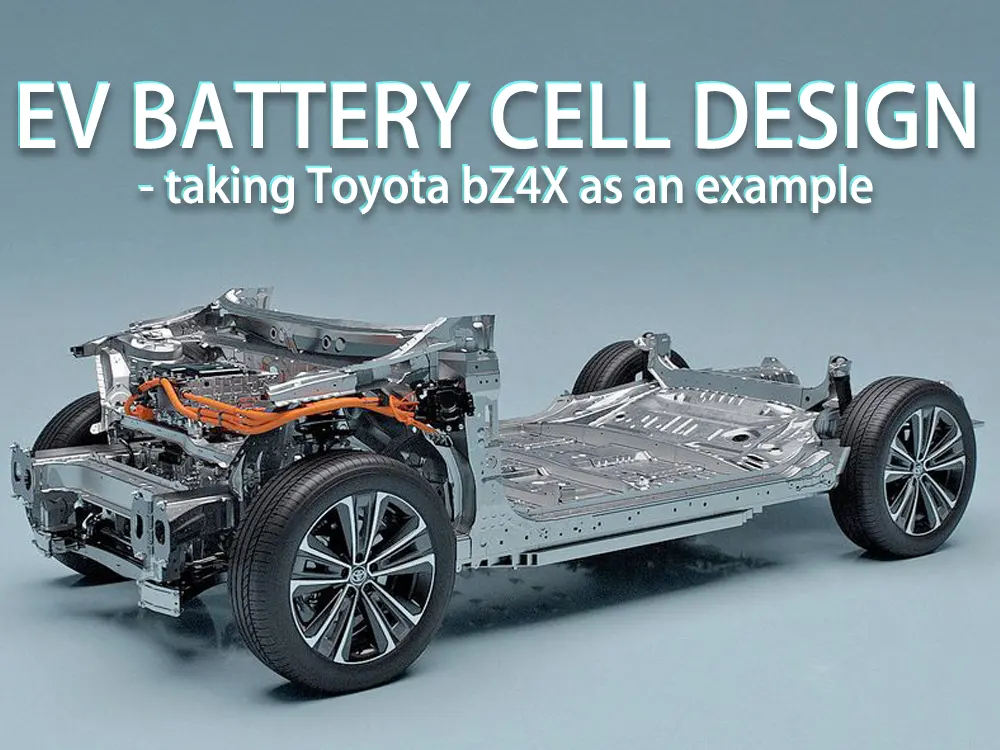


In this article, we focus on the ev battery cell design using the Toyota bZ4X as an example. The new electric SUV is an electric vehicle from Toyota with its ev battery cell design that is unique in many ways.
So, what makes the bZ4X’s battery unique? Let’s dive into the ev battery cell design.
The type of bZ4X battery
Before learning more about its ev battery cell design, knowing the types of battery is impoartant.
On the bZ4X model, Toyota uses two batteries, one is Panasonic’s 201Ah battery, and the other is CATL’s 205Ah battery. The integration method of these two cells is the same, but the way the cells are placed is different.
From the comparison between the Panasonic battery system and the UX300e, the mass specific energy of the bZ4X system is 148.44Wh/kg, an increase of 13%.
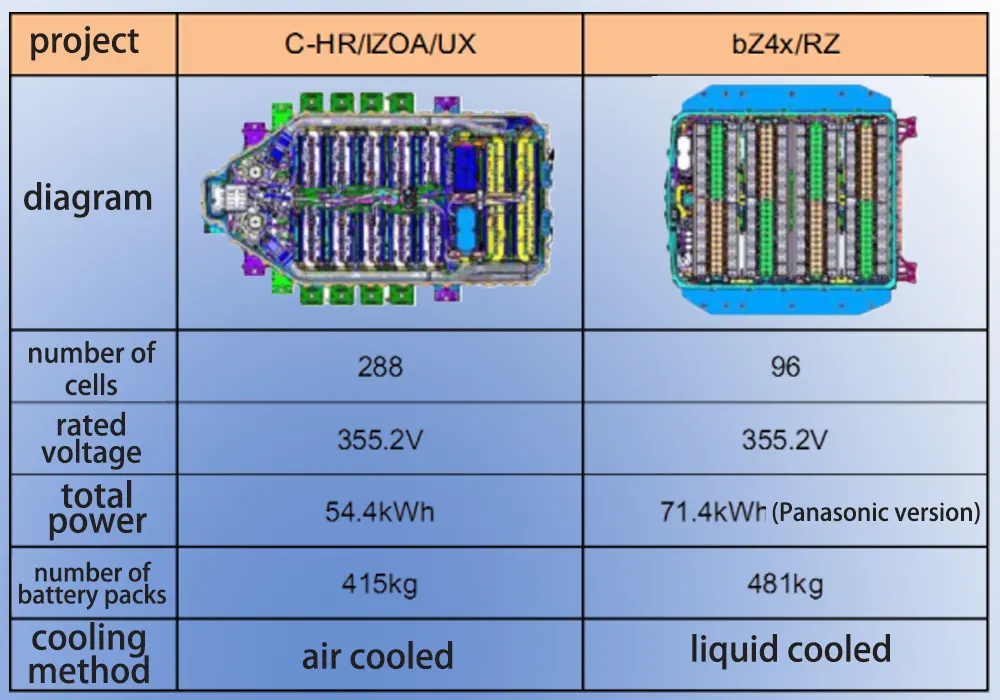
In the design of electric vehicle batteries, Toyota’s requirement for the life of bZ4X batteries is that the 10-year capacity decay should not be less than 10%.
Comparison of the parameters of the two batteries of bZ4X
Judging from the parameters of the batteries, the number of the two batteries is the same, and the rated voltage is 3.7v, both are ternary lithium batteries.
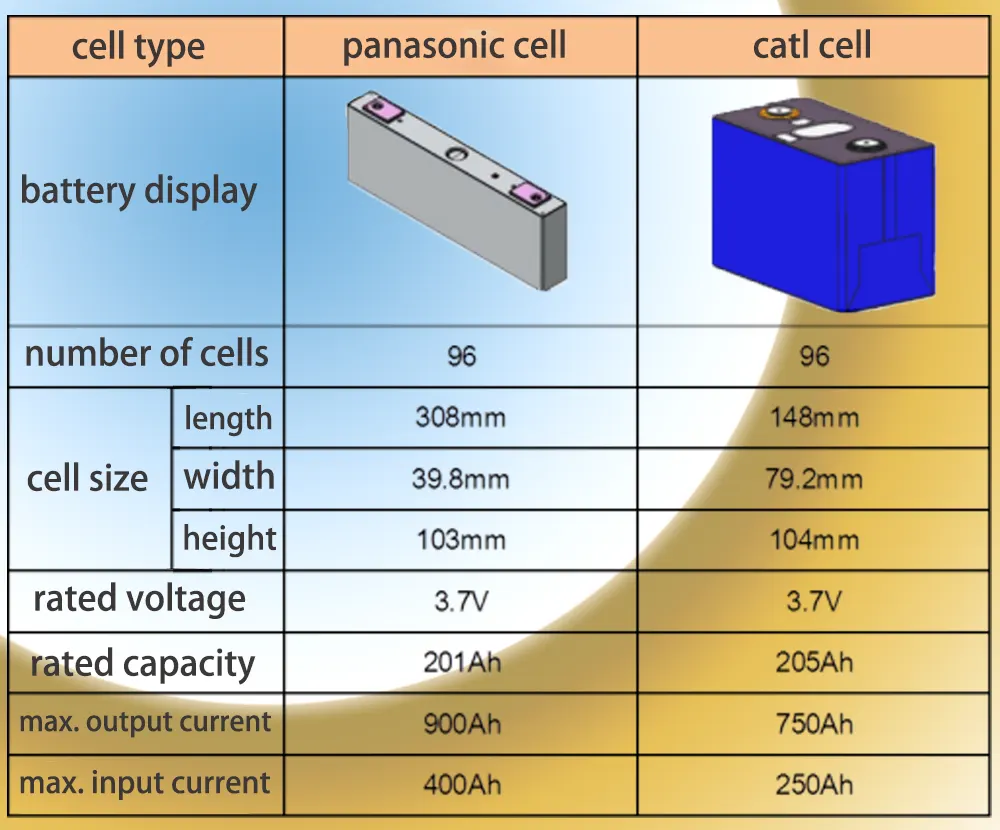
However, the biggest difference between the two is that the Panasonic battery is an energy and power type battery. Its fast charging almost reaches 2C, while the CATL’s battery does not support this level of fast charging.
In terms of actual usage, the fast charging power of the Panasonic battery of the bZ4X reaches 150kW, while that of the CATL battery is around 100kW.
The structure of the bZ4X battery
The structure of the Panasonic cell of the bZ4X cell consists of three bare cells inside, and an insulating film between the bare cells and the aluminum case.
The positive and negative output poles are at one end of the cover plate, the safety explosion relief valve is in the middle of the cover plate, and the liquid injection hole is next to it.
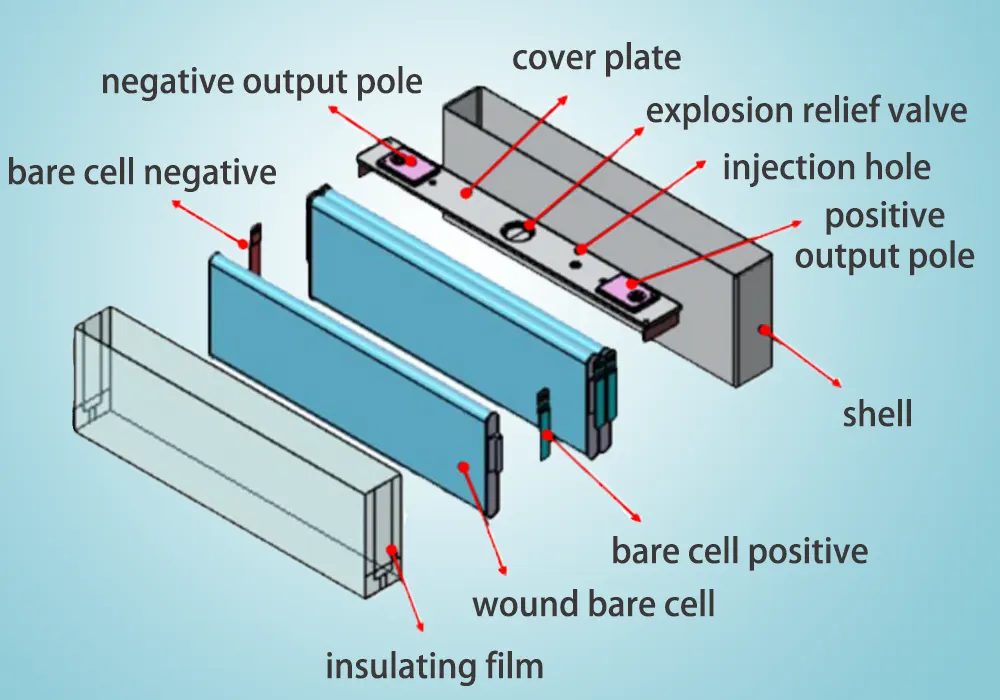
In terms of size, this cell is similar to that of the BMW ix3, but the height in the Z direction is higher than that of the ix3. The shoulder height of the cell is 103mm, plus the size of the output pole, the height is almost 106.5mm.
The volume specific energy is 589Wh/L, which is 11% higher than that of the UX300e battery. The heat-resistant coating is applied on both sides of the diaphragm of the Toyota bZ4X Panasonic cell to enhance the performance against short-circuit hazards in the cell.
The uniqueness of bZ4X batteries
In order to increase the capacity of the battery, the positive electrode material of the bZ4X battery has been upgraded, and the content of nickel has been increased compared with the C-HR battery.
Moreover, the small particles in the bZ4X negative electrode material are changed to single crystals, which improves the capacity fading performance.
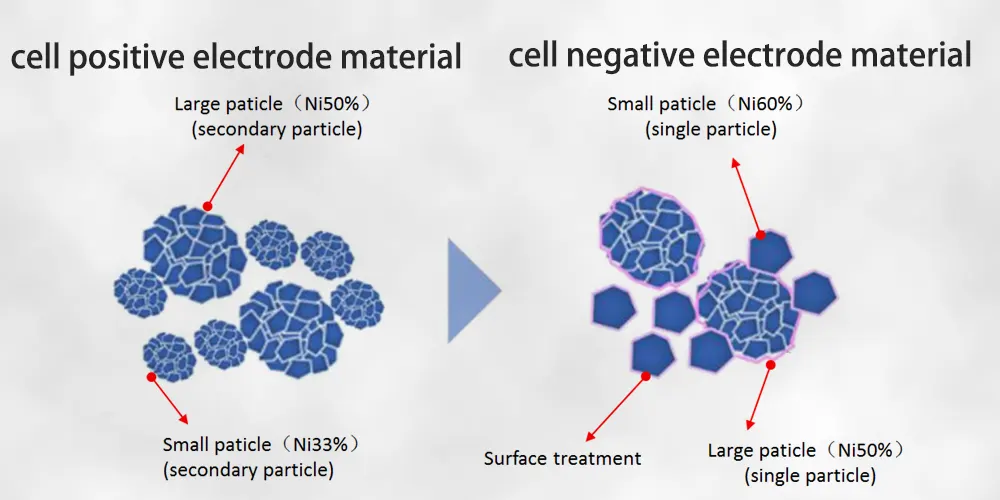
At the same time, the large and small particles of the positive electrode material of the bZ4X battery are surface-treated to inhibit the reaction between the positive electrode material and the electrolyte, and further improve the attenuation performance of the battery capacity.
The surface of the active material is treated to reduce the reaction with the electrolyte. This measure is also applied to the negative electrode material. In addition, the negative electrode also optimizes the distribution of the binder and the active material to improve the flow of lithium ions between the electrode and the electrolyte.
Diffusion on the surface of the negative active material. In this way, not only the cycle life of the battery cell is improved, but also the fast charging capability of the battery cell is improved.
Design of bZ4X module
The module of bZ4X is a large sandwich module with a length of about 1186mm. From the structural design point of view, this module is between the traditional module and the strap-type large module.
It actually has 4 steel straps/plates, which are the side panels on both sides, and the upper and lower straps. It is used to fasten the module and provide pre-tightening force for the battery cell.

The biggest highlight of this module is that it uses two spacers between the cells: one is an EPDM rubber pad, and the other is a silica airgel pad.
Airgel mats are mainly used for thermal runaway insulation. EPDM is mainly used to deal with the expansion force of the cell. By controlling the expansion force of the battery core, the battery core is placed in a relatively comfortable stress state. Reduce the increase of internal resistance and improve the life of the battery.
Summary
Advances in ev battery cell design and technology will facilitate the rapid development of electric vehicles. The bZ4X battery is a prime example of how innovation and design can improve ev battery performance.
The use of two different batteries, the upgrade of the negative electrode material, and the use of two separators are all unique features of the bZ4X battery. These features help Toyota create batteries that are efficient, reliable and have a long life.
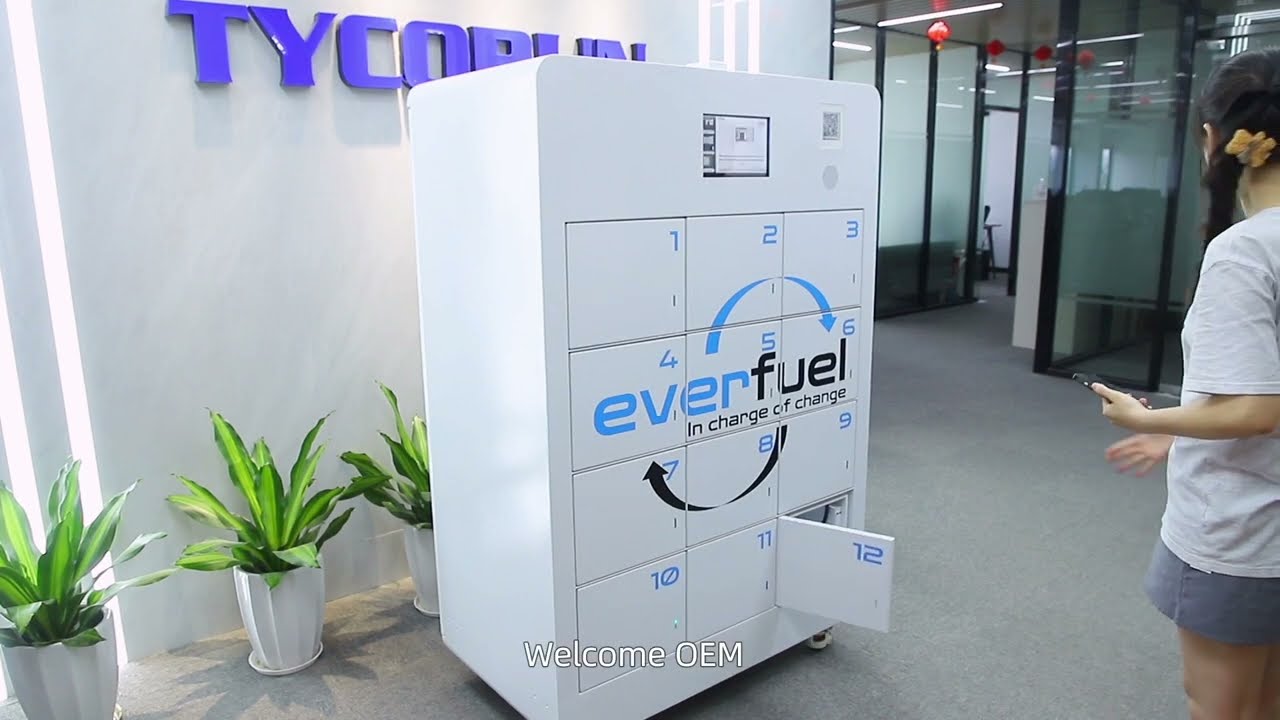
As the battery swapping station business model matures, we can expect to see more improvements in ev battery cell design and technology, making EVs an increasingly attractive option.