Skip to content
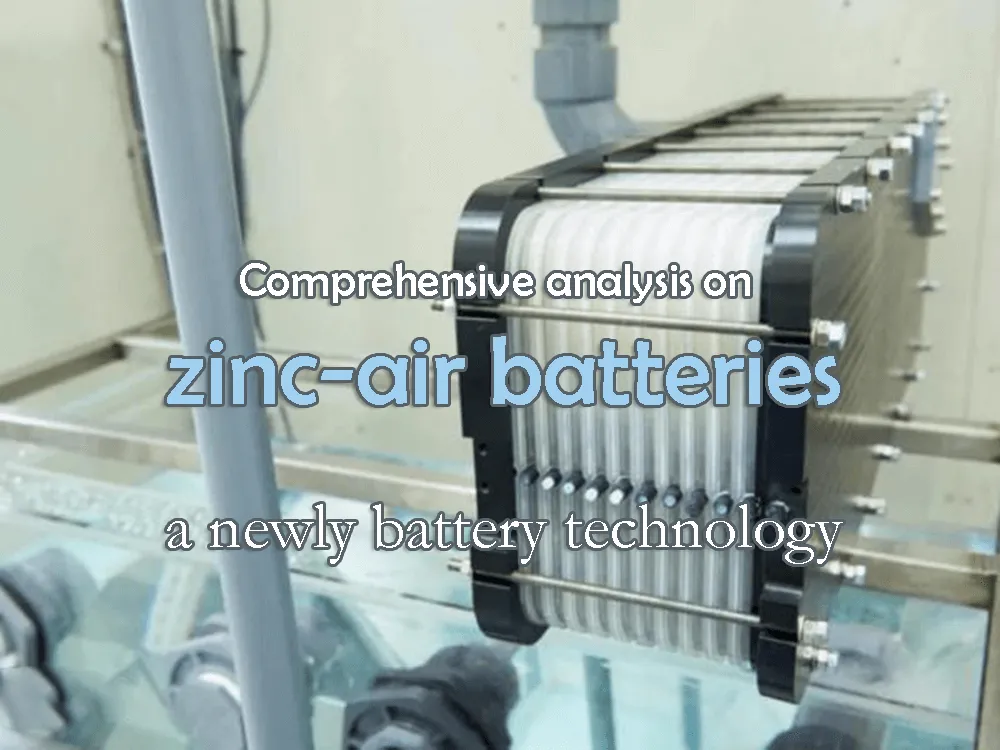


As a kind of metal-air batteries, zinc-air batteries are regarded as a possible future energy storage system, and related research is also advancing. This article will provide you with a detailed introduction to zinc-air batteries from the principles, applications, FAQs, and comparative analysis with lithium batteries.
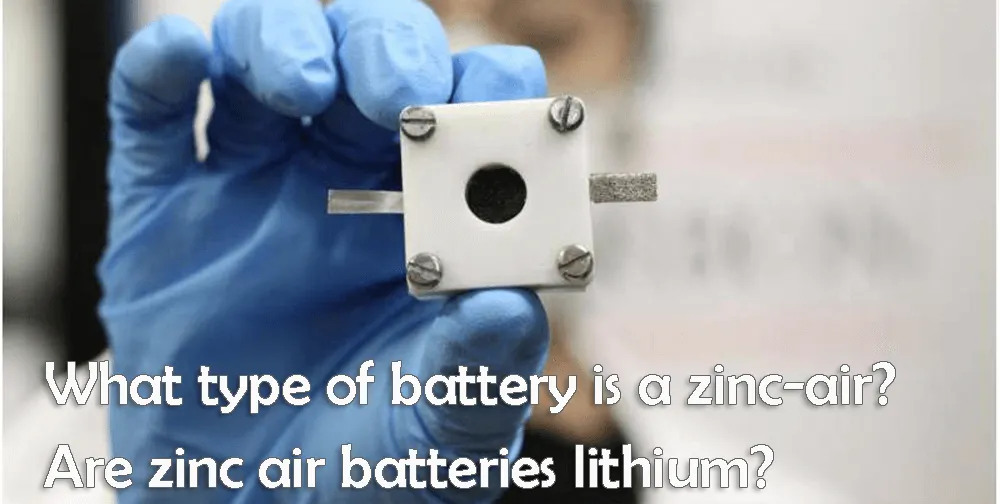
1.What type of battery is a zinc-air? Are zinc air batteries lithium?
Zinc air batteries are known as one type of metal-air batteries. The zinc-air batteries use oxygen from the air as an oxidizer to power a zinc electrode. Hence these innovative batteries use the power of air to create electricity! Zinc air batteries are different from lithium-based batteries. Zinc-air batteries can be divided into primary batteries and secondary batteries. On the other hand, you can recharge lithium-ion batteries.
2.How many volts does a zinc-air battery provide?
At the time of manufacturing, the voltage that a Zinc-air battery having no seal possess is about 1.4 volts. This is the voltage when the circuit is open and resting. When you discharge your batteries, the operating voltage will depend on how heavy a load is being put onto them and at what temperature. Usually, the voltage of a zinc-air battery cell during operation lies in the range of 1.0 to 1.25 volts.
3.How do zinc-air batteries work?
A zinc air battery is a type of battery that operates on a principle followed by conventional batteries. Zin air batteries produce power through chemical reactions. The zinc-air battery utilizes one reactant (oxygen) from the outside air rather than combining it inside the cell. The Oxygen molecule’s journey into the cell begins with its entrance from top holes embedded in an electrode having a positive charge made from porous carbon.
Hydroxyl is one of the byproducts formed when water in the presence of other molecules on the electrode surface reacts with this incoming oxygen. The negatively charged zinc gel anode attracts hydroxyl molecules, which are then drawn toward it moving through the air separator. The hydroxyl then reacts with zinc to form zincate, which breaks down into two molecules: zinc oxide and a water molecule. These molecules then release two electrons to power the desired device.
4.What are zinc-air batteries used for?

Several applications exist for zinc air batteries. Some of the most popular applications are as follows: Zinc-Air Batteries can provide a convenient and efficient way of powering your hearing aids, pagers, or medical devices.They also have some attractive uses in mobile phone temporary power packs! Zinc air batteries are widely used in the field of watches, but they can also be seen as telecoms and railway remote signaling cells. Larger types have been employed for safety lamps at construction sites. You can also use Zinc-air batteries for powering your electric fences.
5.How long do zinc-air batteries last?
While there is no set formula for determining how long zinc-air batteries last, the factors that affect their lifespan include the:
● Weight
● Duration of Use
● Temperature
● Voltage density at which a battery is charged
● The environment in which it is used (humidity is undesirable)
In general, zinc-air batteries have a life of 2 to 3 years when used in a dry environment and placed under room temperature. On the other hand, as a rechargeable battery, lithium-ion batteries have a cycle life of up to 10 years when charged and discharged on average once a day. Therefore, lithium golf cart batteries can provide longer battery life for golf carts.
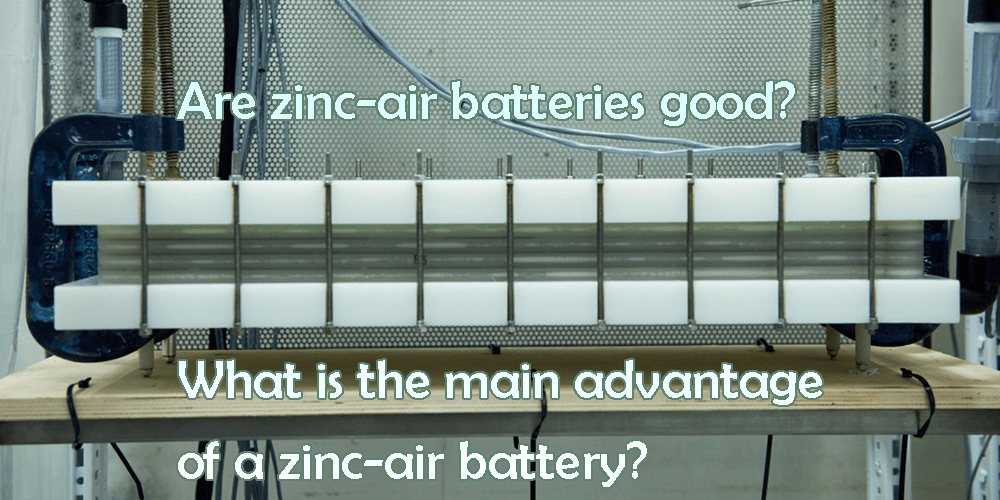
6.Are zinc-air batteries good? What is the main advantage of a zinc-air battery?
Some of the main benefits of Zinc-air batteries are as follows:
① Flat discharge voltage
A flat discharge curve is a major plus for zinc-air batteries. As your device uses its power supply, the voltage remains steady at the same levels.
② Low cost
Low cost is beneficial in zinc-air batteries compared to alternatives because it is more affordable.
③ Good shelf life
Zinc-air batteries have an excellent shelf life, which have a long life of 1,500-2,000 cycles, but still not as good as the 4,000 cycles of a lithium-ion batteries.
④ High volumetric energy density
High volumetric energy density is beneficial in zinc-air batteries due to its ability to store two times as much power as other batteries with similar dimensions and weight. However, lithium-ion batteries also have a high energy density, even higher than zinc-air batteries.
7.Can zinc air batteries be recharged?
Zinc-air batteries are not rechargeable, whereas zinc-air fuel cells are mechanically rechargeable. The reason behind this is that zinc is subjected to oxidization, and it gets used up. This will render your zinc air battery non-rechargeable. Some designers have found a clever way around the non-rechargeable battery issue. They have replaced the key element zinc through rare-earth mineral catalysts to perform recharging. These designs can be costly and are much more complex.
8.How much are zinc-air batteries?
The low production cost of zinc-air batteries has recently increased in popularity. These types are often seen as a replacement for other more traditional battery systems. Because they offer the same power with less weight and volume needed per KWh produced. A zinc air battery costs less than $45 per kilowatt hour. This is much less than other battery systems, including lithium-ion, alkaline, and nickel-cadmium. However, its sensitivity to external factors such as temperature and humidity limits its use, which makes it not as widely used as lithium-ion batteries.
9.Are zinc batteries better than lithium? Are zinc-air batteries the future?
Theoretically, zinc-air batteries are better than lithium-ion batteries in some ways. Some of the main ways are as follows:
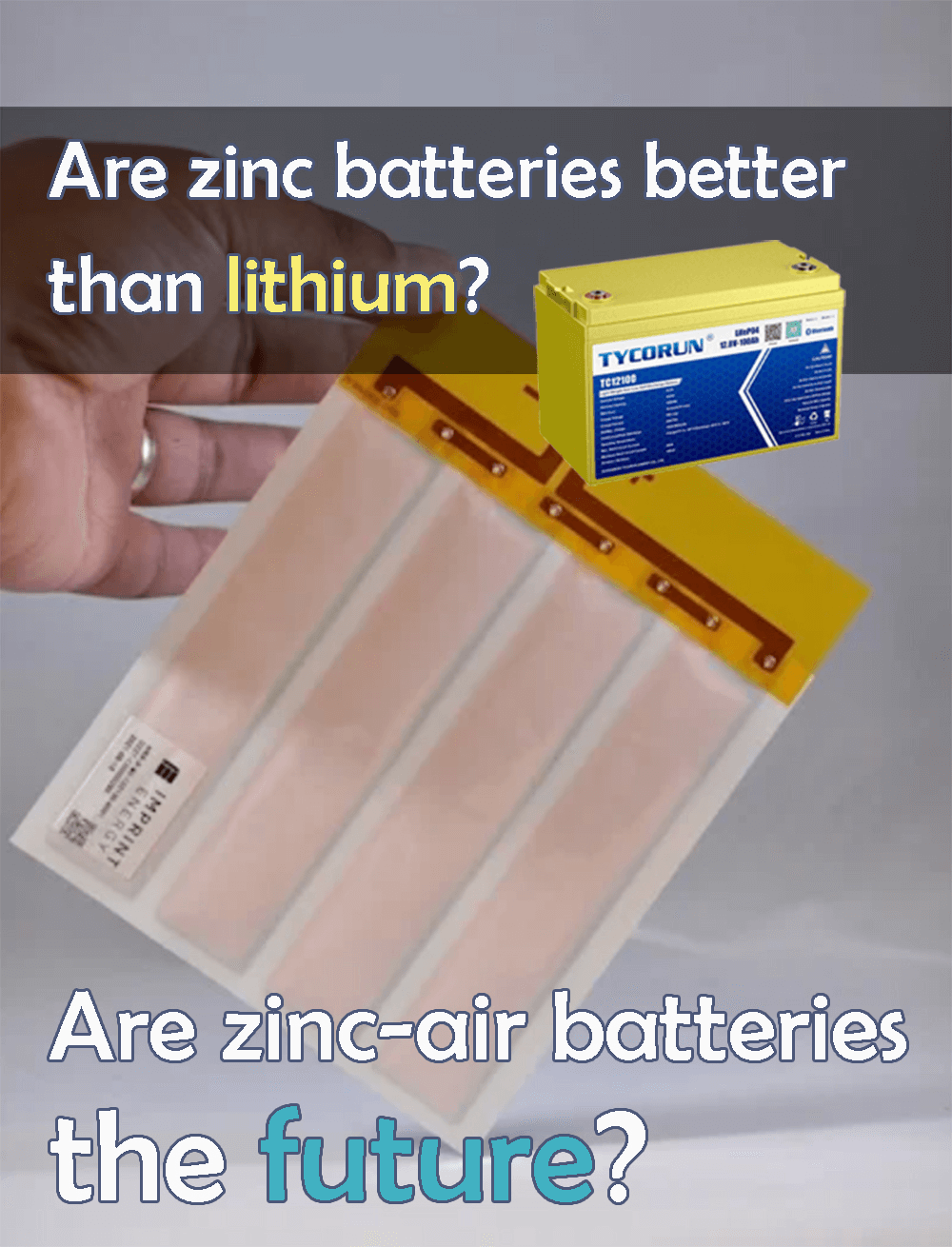
The cost of zinc-air batteries is five times less than lithium-ion batteries. However, there are still many shortcomings in the current battery technology, and the cost of the optimized zinc-air batteries may be more expensive than the commercialized lithium-ion battery. In a zinc-air battery, the air reacts to create energy. This helps save space and results in size reduction and weight, which is important for any battery! On the other hand, solid-state lithium batteries can simplify packaging, and the volumetric energy density is more than 70% higher than that of liquid lithium batteries, which is better than zinc-air batteries.
The zinc-air battery may be a safe alternative to liquid lithium-ion batteries. Zinc air battery has zero harmful compounds and low self-reactivity, so it’s not easily triggered by accident! The recent emergence of solid-state lithium batteries has also solved the safety problems of traditional liquid lithium batteries, and has both high energy density and high rate performance. Compared with zinc-air batteries, it has a longer battery life and wider application fields. You can recycle zinc air batteries without harming the environment and even recharge using new zinc. But in fact, the use of new lithium battery recycling and processing equipment also realizes the environmentally friendly recovery and recycling of lithium battery products.
All in all, the zinc-air battery is an environmentally friendly battery with small size, no corrosion, and safe and reliable operation. However, due to the technical bottleneck of zinc-air batteries, the practical application is limited, so it cannot be applied on a large scale at present. On the contrary, application of lithium battery is relatively more extensive. Therefore, 12V lithium battery, 48v lithium ion battery and other rechargeable lithium batteries of different specifications will remain the optimal choice for large-scale commercial applications for a long time in the future.