Skip to content
How Do You Know When to Charge a Lithium Battery: Tips to Keep It Healthy and Efficient
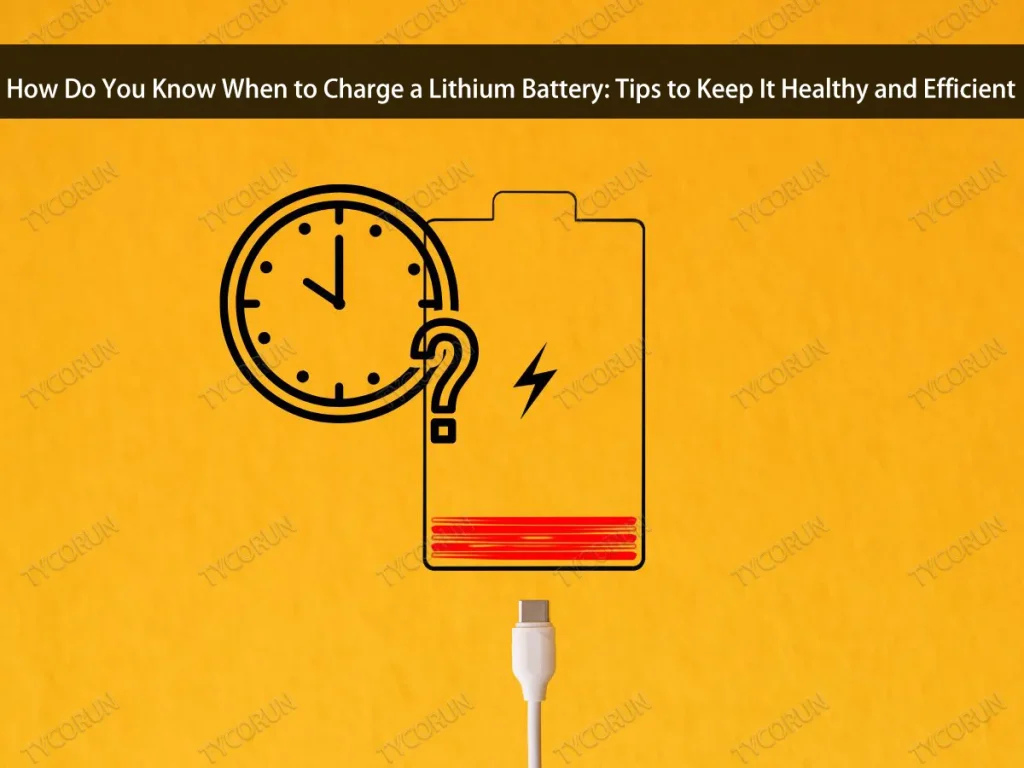
In renewable energy era, almost all of the devices we use on a daily basis-from smartphones to electric vehicles-rely on lithium batteries for power. However, one frequently asked question is: how do you know when to charge a lithium battery? It may seem easy at first, but maintaining battery longevity and performance greatly depends on the timing of charging.
Understanding when to charge a lithium battery is important not only for keeping your device powered on, but also for the battery’s longevity. Accelerated capacity loss and even potential safety hazards can result from charging too rapidly or from waiting until the battery is fully depleted. You can maintain the longevity and efficiency of your battery by knowing when to recharge it.


Understanding How Lithium Batteries Work
Understanding how lithium batteries work is crucial before responding to the question of how do you know when to charge a lithium battery. This type of battery is commonly used due to its ability to store large amounts of energy in a small space. Inside, there are two major components: the anode and cathode, which exchange lithium ions during the charging and discharging process.
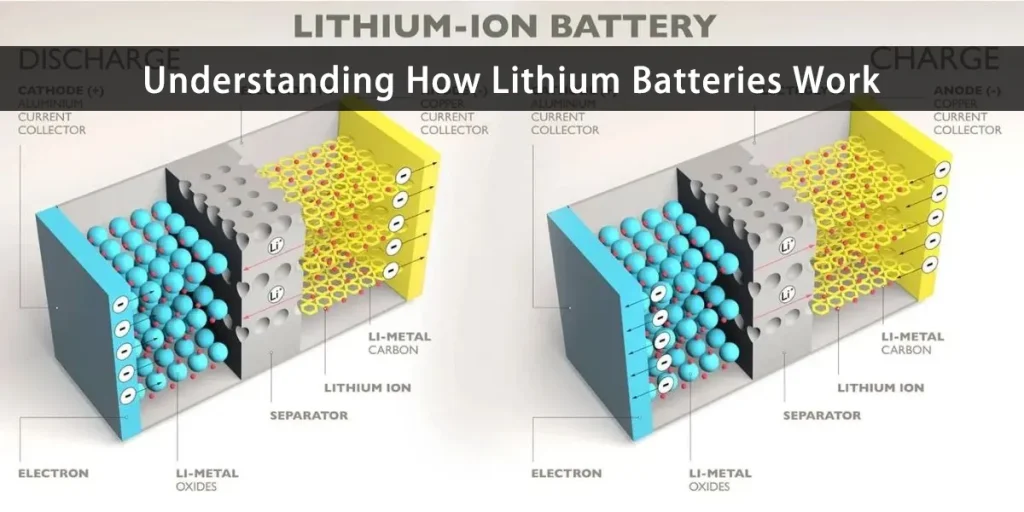
When the battery is charged, lithium ions are transferred from the cathode to the anode and stored there. The ions return to the cathode to produce electricity when the device is in use, reversing the process. The battery’s capacity will gradually drop with each cycle of this process, which is known as the charging cycle.
For this reason, knowing the correct answer of how do you know when to charge a lithium battery? Is crucial. Because the battery’s internal chemical reactions may be hampered and performance degradation may be accelerated if it is regularly charged while still full or left entirely empty. Therefore, knowing how lithium batteries operate will enable us to choose the best charging schedule for extending their life and preserving their effectiveness.
You can also read Lithium ion battery cathode for more insight
How Do You Know When To Charge A Lithium Battery?
In general, lithium batteries do not need to be completely discharged before being recharged. Rather, it is generally thought to be best to charge when the battery is between 20 and 30 percent full in order to preserve cell health and prolong battery life.
In general, lithium batteries do not need to be completely discharged before being recharged. Rather, it is generally thought to be best to charge when the battery is between 20 and 30% full in order to preserve cell health and prolong battery life.
Understanding contexts how do you know when to charge a lithium battery Is important because each device has different tolerances and charging patterns. Modern smartphones, laptops, and power banks typically have a power management system that prevents overcharging, so there is little risk of damage from charging the battery more frequently. However, knowing when to charge a lithium battery correctly is still important so that users can optimize the charging cycle and avoid putting too much strain on the battery.
Understanding this context is also relevant to daily usage habits. The optimal charging time may arrive sooner than for typical users if the device is regularly used for demanding tasks like streaming videos or playing games for extended periods of time. In other words, determining when to charge a lithium battery involves taking into account not only the battery’s percentage but also the device’s performance and usage circumstances.
You can also read these articles for more insight:
The Risks of Charging Too Early or Too Late
- Faster Capacity Degradation: overcharging battery when it is still fully charged (above 80–90%) does not harm it right away, but it can hasten the loss of power storage capacity over time.
- Excessive stress on battery cells: lithium cell stress may result from letting the battery run entirely flat before charging it again. This can lower the battery’s capacity to maintain a charge at its best if done frequently.
- A decrease in device performance: improper charging can cause the battery to lose efficiency, causing the device to overheat, consume more power, or shut down unexpectedly, even if the indicator shows remaining capacity.
- Shorter battery life: the combination of frequent overcharging and deep discharging will shorten the battery’s total life cycle, forcing you to replace it sooner than expected.
Best Charging Practices for Longer Battery Life
Understanding how to properly care for your battery is equally as crucial as knowing how to know when to charge a lithium battery. Developing proper charging habits not only extends the life of your lithium battery but also aids in the maintenance of consistent performance over time.
- Keep the battery between 20% and 80%
Avoid leaving your battery at a low level or leaving it at full charge for extended periods of time. For the majority of lithium batteries, 20% to 80% is the ideal range. Maintaining this range reduces cell stress and delays the onset of premature aging. It also keeps the battery more stable and efficient in the long run. - Do not let it drain completely
Allowing a lithium battery to regularly reach 0% can result in deep discharge damage, shortening its overall lifespan. The internal voltage of the battery decreases when it falls too low, stressing the cells and making it more difficult for the battery to fully recover. To prevent this, try charging your device when it reaches about 20-30%. - Use the correct charger
Using the incorrect charger can cause overheating and inconsistent voltage, both of which are bad for lithium batteries. Use the charger that came with the device or its approved substitute at all times. Good chargers control the flow of current, guaranteeing a safe, effective charge of the battery without needless heat accumulation.
- Avoid leaving it plugged in overnight
Even though the majority of contemporary devices have intelligent charging capabilities, it is still advisable to avoid leaving your battery plugged in for several hours after it has been fully charged. Continuous exposure to high voltage can cause heat buildup and deterioration of the internal chemistry of the battery over time. To keep your device in good condition, unplug it when it reaches 100%. - Keep it in a moderate temperature
Temperature has a significant influence on lithium battery performance. Charging in cold temperatures can slow down the reaction inside the cells, while charging in hot environments can lead to overheating and chemical instability. To ensure reliable and secure charging cycles, always attempt to charge your battery in a cool, dry location.
Common Myths About Charging Lithium Batteries
There are numerous misconceptions about how to properly charge lithium batteries. These misconceptions frequently cause users to form charging habits that are more detrimental than beneficial. Knowing the truth will help you prolong the life of your battery and enhance the functionality of your device as a whole.

- Always charging to 100% is required
Many users believe that their devices must always be fully charged. Actually, when a lithium battery’s charge level stays between 20% and 80%, it stays healthier. Constantly charging the battery to 100% can cause it to age faster. - Draining the battery completely is better for calibration
This belief stemmed from older battery technologies, such as nickel-based cells. Current lithium batteries do not require full discharges, and doing so too often over time can harm the cells. It is safer to recharge once the level reaches around 20–30%. - Leaving the device plugged in overnight is harmless
Even though most devices shut off charging when they are fully charged, prolonged use of a device can still generate heat, which over time deteriorates battery health. Unplugging your device after it has been fully charged reduces unnecessary strain. - Fast charging ruins the battery
Fast charging is not always harmful, as most devices now have built-in voltage and temperature protection systems. But relying on fast charging all the time, particularly in hot conditions, can still have an impact on the battery’s long-term performance. - Charging habits are not very important.
Even with contemporary battery management systems, how you charge your batteries still matters a lot. How do you know when to charge a lithium battery? Knowing this will help you prolong the life of your device by preventing under- or over-charging.
Conclusion
Maintaining your device’s charge is only one aspect of caring for lithium batteries; another is learning the proper practices that will preserve battery health over time. How do you know when to charge a lithium battery? Knowing this can help you avoid two common errors that can reduce battery life: overcharging and deep discharging.
You can extend the life of your battery by keeping it charged between 20% and 80%, avoiding extreme temperatures, and unplugging it once it is full. These small actions have a significant impact on performance, efficiency, and safety.
FAQS
Is it okay to charge a lithium battery every day?
Yes, it is perfectly fine to charge a lithium battery every day. Modern lithium batteries are designed to handle frequent charging. What matters more is how you charge them. Avoid letting the battery drop to 0% too often or keeping it at 100% for long periods. Instead, aim to keep the charge between 20% and 80% for optimal battery health.
Should you charge a lithium battery to 100%?
Charging to 100% occasionally is fine, especially if you need the full range for travel or extended use. However, doing it all the time can stress the battery’s chemical structure. For everyday use, it’s better to stop charging once it reaches around 80–90% to slow down long-term degradation.
What percentage should a lithium battery be stored at?
If you plan to store a lithium battery for a long time, keep it around 40–60% charged. This range helps prevent both over-discharge and overcharge stress, protecting the internal chemistry and ensuring it retains capacity over time.
Can using the wrong charger damage a lithium battery?
Yes, using the wrong charger can damage your lithium battery. Chargers with incompatible voltage or poor quality components can cause overheating, uneven current flow, or even permanent damage to the cells. Always use the original charger or a certified alternative designed for your device.