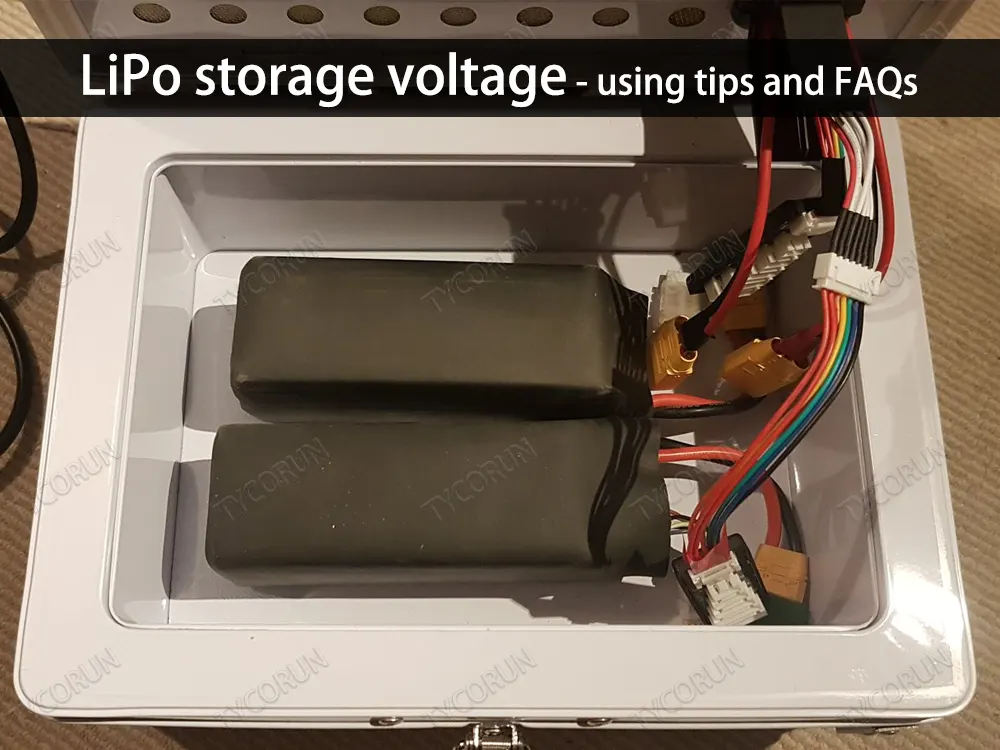

What is storage voltage?
You’d have noticed that whenever purchase new batteries, they usually come partially charged, and this partial charge is the storage voltage. LiPo storage voltage is the optimal voltage level each LiPo battery cell should be at when it’s in storage. LiPo batteries are usually stable and balanced at this voltage level when not used for an extended period.
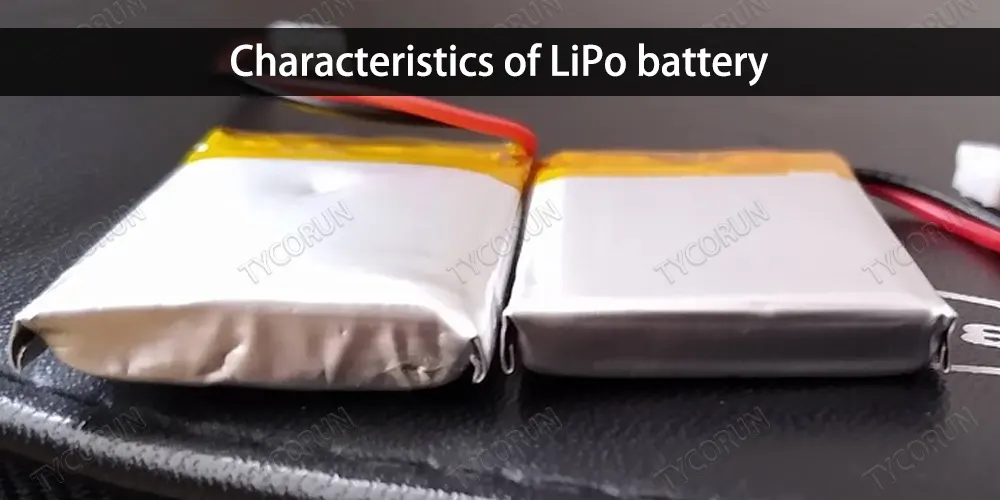
Characteristics of LiPo battery
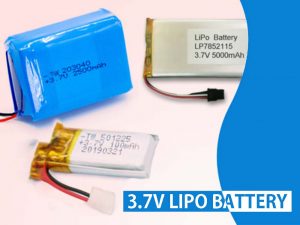
A LiPo battery consists of one or more cells, each with a nominal voltage of 3.2-3.7 volts, which are connected in series or parallel to form a battery pack of higher voltage or capacity. LiPo batteries have several unique characteristics that make them perfect for a wide range of applications:
High voltage
LiPo battery is a kind of high voltage battery uses polymer materials, which can be combined into multi-layer in the cell to achieve high voltage. While the nominal capacity of a lithium ion battery cell is 3.6V, to achieve high voltage in practical use, it needs to connect multiple cells in series.
High energy density
Compared with other types of lithium-ion batteries, LiPo batteries can be manufactured thin in shape because they use solid or colloidal electrolytes, which do not need a metal case as a protective packaging.Thus LiPo batteries have higher energy density and lighter weight.
Low self-discharge rate
This means they can retain their charge for longer periods when not in use.
What voltage should LiPo battery be?
four main types of voltage can affect the performance and lifespan of the LiPo battery: charging voltage, nominal voltage, storage voltage, and discharge voltage.
Charging voltage
It is the maximum voltage level a LiPo battery can safely reach when fully charged. The charging voltage of LiPo battery is higher than the nominal voltage.
Because there is a polarization voltage when the battery is charged, the charging voltage must reach or exceed the sum of the battery voltage and the polarization voltage to effectively input current. For instance, a single-cell LiPo battery with a nominal voltage of 3.7V would be 4.2V when fully charged.
Nominal voltage
It is the average voltage level of a LiPo battery when discharging. This value indicates how much power the battery can provide and how long it can last. Most LiPo batteries have a nominal voltage of 3.7V per cell.
Storage voltage
LiPo batteries should be stored at 3.7V to 3.85V per cell if users won’t use them for more than four days. LiPo storage voltage keeps the battery stable and balanced during storage, preventing it from over-discharging and maximizing its life span.
Discharge voltage
Discharging a LiPo battery below a certain voltage level can cause permanent damage. Most LiPo batteries have a minimum safe discharge voltage of about 3V per cell.

What is the best storage voltage for a LiPo battery?
While LiPo batteries self-discharge much slower than other types of batteries, they still lose some voltage potential when not used for long periods.Long-term storage of a fully charged lithium-ion battery will affect the maintenance of its capacity and performance. On the other hand, a fully discharged LiPo battery left unused for a long time will slowly degrade and the battery performance will be affected.
The recommended LiPo storage voltage is 3.7V to 3.85V per cell. This voltage range ensures that the battery is neither fully charged nor completely discharged, striking a balance between preserving the battery performance and preventing over-discharge during storage.
What is the lowest safe voltage for LiPo battery?
As mentioned earlier, the lowest safe voltage for a LiPo battery is around 3.0 volts per cell, referring to the discharge cut-off voltage in the battery specification. Any lower than that, the battery may become unstable, leading to permanent damage and possible battery swelling. To be safe, stop using the LiPo battery when it reaches about 3V for each cell.

Factors affecting LiPo storage voltage
While there is a recommended storage voltage for LiPo batteries, this value may differ based on some factors. Here are some factors that can influence the LiPo storage voltage:
Temperature
Heat and cold are enemies of all types of best rechargeable batteries. High temperatures can increase self-discharge and make the LiPo batteries degrade faster. Conversely, extremely low temperatures temporarily cause the batteries to lose capacity and performance until they warm up again.
SOC (state of charge)
Different SOCs have different effects on the storage of LiPo batteries. Both 0% and 100% SOC are harmful for the LiPo battery storage. 50% SOC at room temperature is the most conducive to battery performance.
Duration of storage
If users are storing the batteries for longer periods, the LiPo batteries should be charged to 50%~80% before storage, and the batteries should be taken out of the product and stored in a dry and cool environment, and the battery should be charged every 3 months. Otherwise over self-discharge will lead to low charge, resulting in irreversible capacity loss.
How long do LiPo batteries last at storage voltage?
One of the benefits of LiPo batteries is their ability to retain charge for several months when properly stored at the recommended LiPo storage voltage. However, it’s advisable to check them periodically to ensure the voltage doesn’t fall below safe levels. According to data, a LiPo battery left at room temperature will lose about 20% of its capacity in two to three years.

How often should a LiPo battery in storage get charged?
If users are storing the LiPo battery for an extended period, it’s advisable to check and recharge it every three months to balance the cells, prevent over-discharge, and maintain optimal performance of the batteries. Also, don’t overcharge the battery; keep the voltage level within the recommended LiPo storage voltage range.
What is the difference between LiPo storage voltage and discharge voltage?
The difference between LiPo storage voltage and discharge voltage is pretty simple, as they both serve different purposes. Storage voltage is the level at which you should keep LiPo batteries during long periods of no use to maintain their health.
Meanwhile, the discharge voltage is the lowest safe voltage the LiPo battery can operate at to prevent damage. The recommended storage voltage for LiPo batteries is around 3.7V to 3.85V per cell, while the discharge voltage is around 3.0 volts per cell.
LiPo battery storage tips
In addition to proper LiPo storage voltage, there are a few other tips to follow to ensure the best performance and lifespan of the LiPo batteries:
- ● Store LiPo batteries in a cool and dry place away from direct heat sources and metal objects.
- ● Use fireproof or specialized LiPo battery bags to store and transport the batteries safely.
- ● Don’t store the LiPo batteries at full charge or discharge levels to prevent damage.
- ● Check the LiPo storage voltage periodically and adjust it if necessary.
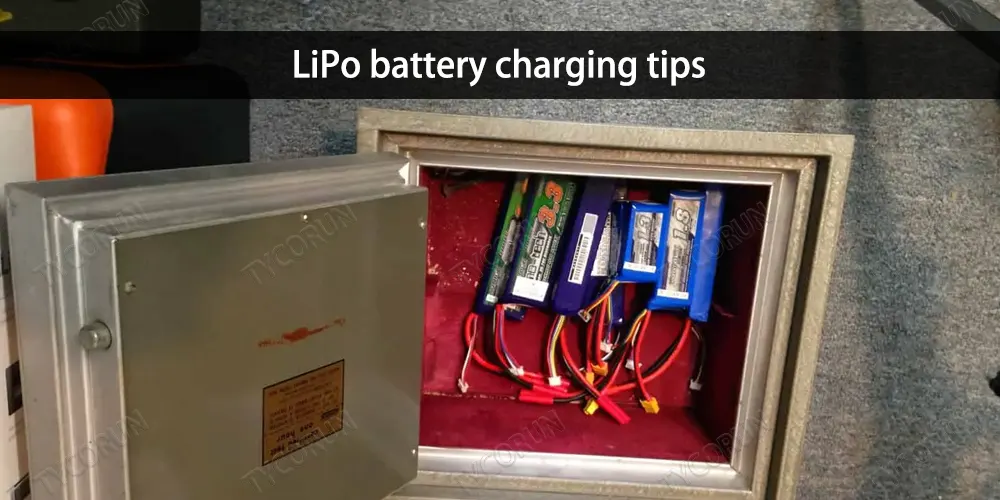
LiPo battery charging tips
- ● Use a compatible battery charger that matches the type and specification of the LiPo batteries.
- ● Do not charge the LiPo batteries unattended or overnight.
- ● Allow batteries to cool down after use before charging.
- ● Use a balanced mode that charges each cell individually and equally.