Skip to content


The key to the energy transition
The year 2050 or 2060 is the time limit set by major economies in the world to achieve the goal of “carbon neutrality”. It is the only choice to replace traditional fossil energy with clean energy, among them, clean energy that can show strong alternative functions and broad application prospects mainly includes water energy, hydrogen energy, solar energy and wind energy, however, the global distribution of hydropower is not only unbalanced, but also the number of resource endowments is very limited;
At the same time, due to the immature technical conditions, hydrogen energy resources cannot be developed and utilized on a large scale in the short term. In this way, the heavy task of diluting traditional thermal power and creating future green power and finally realizing the goal of energy transformation falls on wind and solar energy.
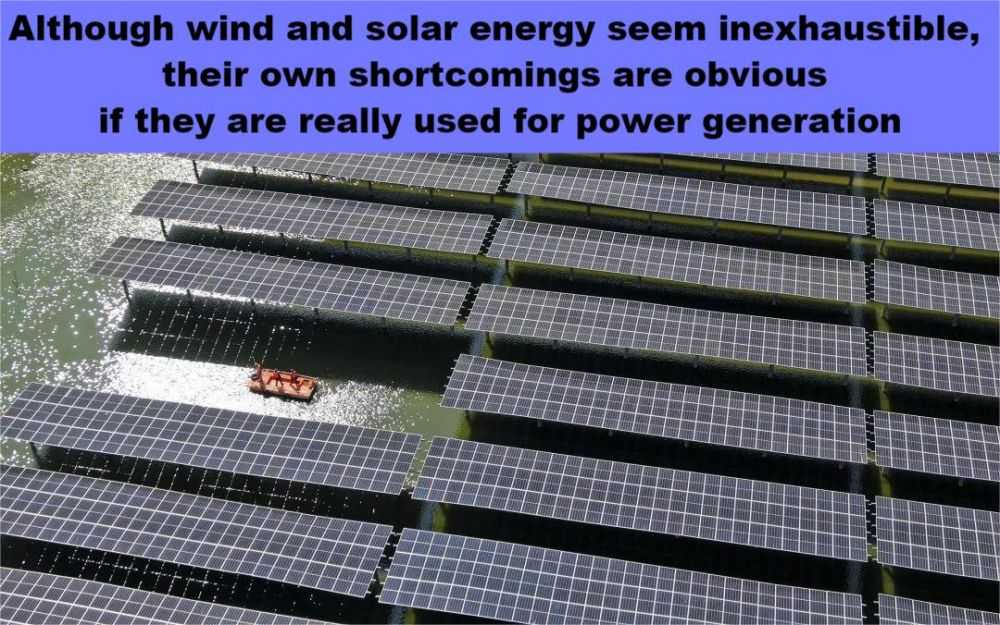
But wind and solar, though seemingly inexhaustible, have their own shortcomings when it comes to generating electricity. Take wind energy as an example, the daily output amplitude can reach up to 80%, peak around the morning, and weaken to the lowest point in the afternoon, the “inverse load” characteristic is very obvious;
Similarly, the intraday fluctuation range of light energy is as high as 100%, reaching the peak of the day at noon, showing an even downward trend before and after noon, and the nighttime output dropping to zero with distinct peak-valley characteristics. Moreover, light energy is also susceptible to weather disturbances. The influence of cloudy or sunny weather on the actual active power release of light energy is very strong, and the actual active power daily is also random.
It is the unstable output power generated by the volatility, intermittency and randomness of wind energy and light energy that easily leads to uneven and discontinuous power output on the generating side. It is also difficult for the power grid side to balance the power supply and demand between the power generation side and the user side. The whole power system is highly volatile, and social production and people’s life are bound to be affected by risks.

Overall, the stronger the substitution of clean energy to fossil energy, the greater the output power of green electricity, but at the same time, the difficulty of power supply and demand balance will be significantly increased. In this regard, only the power mechanism of storage can minimize the risk of converting clean energy such as wind and light into green electricity.
Objectively speaking, before the storage, wind energy and light energy are idle and surplus, but through the storage, invisible energy becomes valuable resources. Especially when the power energy is insufficient or the demand of the power side increases, the reserve energy will be released and converted into electricity, and each unit of wind energy and light energy will be fully utilized and developed.
At the same time, storing wind and light energy can greatly reduce the unexpected interference of subsequent weather factors and enhance the continuity and stability of power transmission at the power generation side. And with the help of storage, the power grid can timely purchase power when the power supply side is strong, and quickly sell power when the demand of the power side is strong. Peak cutting and valley filling can also greatly improve the flexibility of the power grid system, and the practice process can also efficiently consume clean energy electricity.
It is also worth emphasizing that no matter the power generation side, the power grid side or the user side, the energy storage can also obtain relatively ideal premium income. That is, when the electricity price rises due to the peak-valley state of power, the three parties can transfer surplus electricity storage through the green electricity trading market and make profits from it.
Thus, the initiative of all storage entities can be greatly enhanced, and finally a closed-loop and virtuous cycle mechanism of “energy storage — power generation — transaction — value-added — re-energy storage” will be formed. At the same time, by promoting the balance of power supply and demand, the transformation risk of clean energy replacing traditional energy can be effectively diluted and eliminated. In this sense, storage can be regarded as the key to energy transformation.
New energy storage catch up from behind
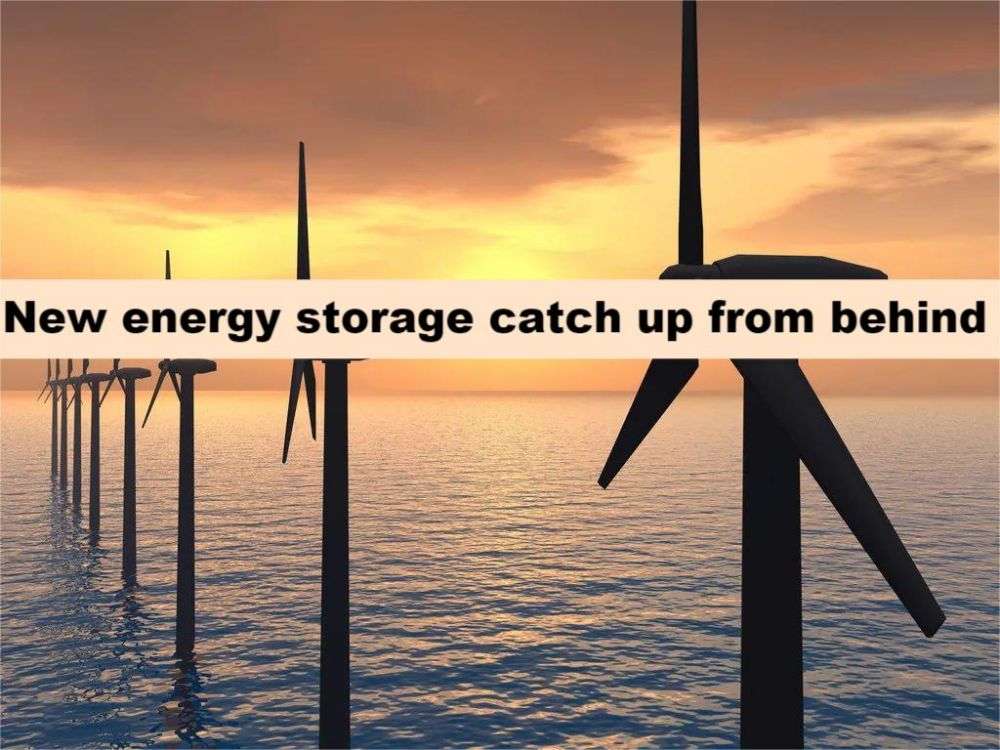
According to the resource tools that energy storage depends on and their performance, storage in countries around the world is mainly divided into traditional energy storage and new energy storage. The former mainly refers to pumped storage, while the latter includes electrochemical storage and compressed air storage.
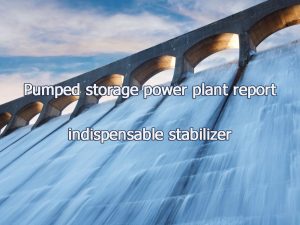
Pumping storage is to use the electric energy at the bottom of the power load to pump water to the upper reservoir, and then release water to the lower reservoir to generate electricity at the peak of the power load. Electrochemical storage is the use of high-power and high-performance battery anode and cathode storage and discharge,
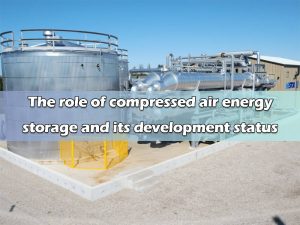
The compressed air storage mainly uses the surplus power of the grid when the load is off, compresses the air, stores it in the high pressure sealing facilities, and releases it to drive the gas turbine to generate electricity at the peak of power consumption. At present, the cumulative installed capacity of pumped storage is the largest in the world, followed by the cumulative installed capacity of electrochemical storage. The compressed air storage is in a state of slow expansion.
Pumped storage not only has a long history, but also has mature technology accumulation and business model. However, as the most important energy storage mode, pumped storage is strictly restricted by geographical potential space. Not only is the start-up speed slow and the construction cycle long, but also the resource endowment is limited and the cost is high. In contrast, electrochemical storage is less influenced by external factors, and the project start-up and construction are flexible and the response speed is fast.
More importantly, as the most widely distributed electrochemical storage method, lithium storage is not only mature technology, but also the marginal trend of cost reduction is becoming more and more significant. In terms of household energy storage, lithium powerwall battery is particularly popular.

Data show that by the end of 2021, the cumulative installed capacity of pumped storage globally was below 90% for the first time, down 4.1% year on year, while the proportion of electrochemical storage increased to 12.2%, with cumulative installed capacity of 25.4 gigawatts, up 67.7% year on year.
Based on the flexibility of electrochemical storage and its high adaptability to population concentration areas, the future extension space will be more extensive. Further analysis shows that the global market share of lithium battery storage is more than 90%, but the data shows that sodium is abundant, accounting for up to 2.75% of the Earth’s crust, and spread all over the world, while lithium is only 0.0065%, mainly distributed in the Americas.
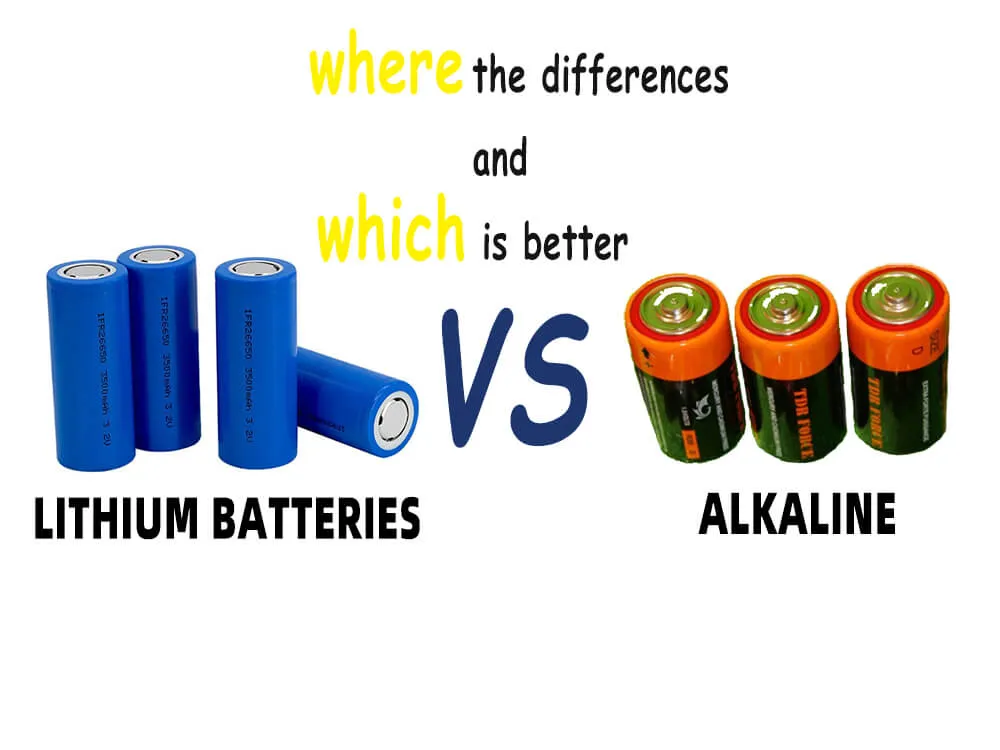
Reflected in the price, the price of sodium is only 0.29 USD/kg, and the price of lithium is about 21.5 USD/kg, affected, the raw material cost of sodium battery is 30%~40% lower than that of lithium battery; Not only that, the sodium ion battery in -20 low temperature environment can achieve more than 90% discharge retention rate, -40 low temperature can release more than 70% capacity, high temperature 80 can also be recycled charge and release use, the project landing and scene application is more flexible, so the sodium battery to replace lithium battery will be the trend; Here are detail imformations of two batteries in lithium vs sodium battery article.
In addition, vanadium battery life is more than 10 years, the number of cycles can be more than 10,000 times, without thermal runaway, combustion and explosion, the world’s proven reserves of vanadium metal as much as 22 million tons, vanadium battery storage is also likely to catch up. Compressed air storage, though much less scalable than electrochemical storage, has a long history, just like pumped storage,
Germany and the United States have long used caves (rock caves, salt caves, abandoned mines, etc.) for compressed air storage, but the traditional compressed air storage relies on fossil fuels and relies on the weakness of natural gas storage caves, which restricts the expansion space. In view of relevant bottleneck factors, all countries in the world are actively developing new compressed air storage energy technologies, including isothermal compressed air storage system, liquefied air storage system, constant pressure compressed air storage system, etc.
At present, the efficiency of the new compressed air storage system is close to 75%, and the project cost is 720~850 USD/kW, which is comparable to pumped storage power. At the same time, it also has the advantages of long life, clean and pollution-free, storage energy cycle is not limited, and does not rely on fossil fuels and geographical conditions. It may play a big role in the future.
Global energy storage mainstream trend
Data show that by the end of 2021, the cumulative installed capacity of energy storage projects in operation around the world was 209.4 gigawatts, of which 18.3 gigawatts of new energy storage energy projects were installed in 2021, up 185% year on year. As we enter 2022, energy prices in Europe continue to rise due to geopolitical factors, driving local electricity prices to record highs.
Cost-push inflation caused by rising commodity prices has also pushed up the cost of conventional energy for businesses and households around the world, spurring a surge in demand for storage energy. Market research institutions point out that in the next five years, the new global demand for energy storage will reach 630 gigawatt-hours, which will lead to the scale and commercialization of global energy storage. What is more noteworthy is that while the total scale is expanding, the future global energy storage will also show several very clear lines and trends.
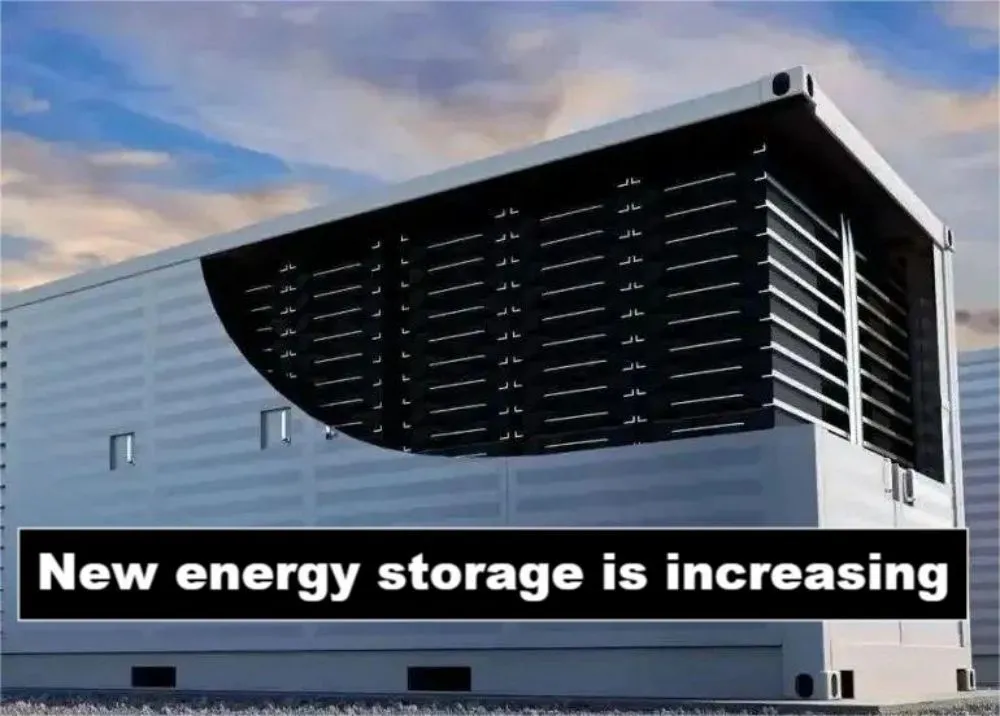
First, the proportion of new energy storage is growing. In 2021, the installed capacity of new energy storage projects in the world exceeded 10 gigawatts for the first time, reaching 10.3 gigawatts, up 119% year on year. By the end of 2021, the world’s cumulative installed capacity of new energy storage will be about 25 gigawatts, an increase of about 68% year-on-year, accounting for 12% of the total installed capacity of energy storage.
According to the research report, by 2030, as the most important cost of new energy storage, battery storage system, the cost will continue and rapid decline, until 2050 is likely to slow down, which will trigger the acceleration of new energy storage expansion. Currently, the United States has completely stopped building new pumped storage power generation facilities. Due to the purpose of saving and protecting water resources, major economies around the world are expected to follow suit, and traditional energy storage will eventually exit the market.
Second, the head effect is becoming more and more significant. By the end of 2021, the three major economies of the United States, China and Europe account for 34%, 24% and 22% of the world’s energy storage projects in operation respectively, accounting for up to 80% in total, and this trend of head square will continue to strengthen. Over the next five years, energy storage installations are expected to grow at a compound rate of 118.3% in the US, 174.3% in China and 76.3% in Europe.
Third, application scenarios are increasingly different. According to different application fields, energy storage can be divided into pre-sheet storage energy and post-sheet storage energy energy. Pre-sheet storage can be divided into power generation side storage energy and power grid side storage, while post-sheet storage includes user-side storage energy by industrial and commercial energy storage and household energy storage.
Based on the rigid demand of power grid construction, mature business model and the skewed center of gravity of policy subsidies, energy storage in the United States is mainly manifested as pre-sheet storage energy, and the corresponding installed energy storage scale will grow by 125% on an annualized compound basis in the next five years.
Similarly, due to the mandatory storage allocation under the policy requirements of the power generation side, China’s future new storage energy will mainly focus on pre-sheet storage energy, and the corresponding annual compound growth rate of newly installed energy storage is expected to reach 190%. In addition to China and the United States, new energy storage in major energy storage countries and regions such as Europe, Japan and Australia is mainly reflected in post-surface storage, especially the special roof structure in Europe, plus the restriction of long-term high electricity price.
Distributed photovoltaic + household storage energy will be an extremely important main body of energy storage. In the next five years, the annual compound growth rate of installed post-surface energy storage in Europe will reach 142%, among which the growth rate of household storage is expected to exceed 150%.
Fourth, long-term storage energy is becoming more and more prominent. Currently, new energy storage services around the world respond to demand in four hours, or even less, however, with the development of super-long time scale and medium-long time scale storage energy technology and the active support technology of high proportion of renewable energy in the future, long-term storage (more than 10 hours or even days) will become the main development trend of the industry.
Meanwhile, the DOE’s Energy Earthshots initiative, which could reduce the cost of long-term storage by 90% over the next 10 years, will further highlight the advantages of commercial use. Correspondingly, the coverage of new storage energy, such as compressed air storage energy, which can support long-term storage energy, is expected to accelerate.
Fifthly, storage energy safety has been paid more and more attention. According to incomplete statistics, there have been more than 50 incidents of storage energy safety accidents in the world in the past 10 years. This year, the fire in the battery storage building of SK Energy in South Korea sounded the alarm again to the market, and storage energy safety has become a global problem.
To this end, infrastructure construction issues such as establishing a standard system for the application of storage energy technology, limiting the competition of low price and low quality, clarifying the main responsibility for energy storage safety, and improving relevant safety systems and norms will quickly be brought to the forefront of the international community’s attention and the decision-making of national governments.