Skip to content
Trends of China's new energy battery industry chain in the second half of 2024
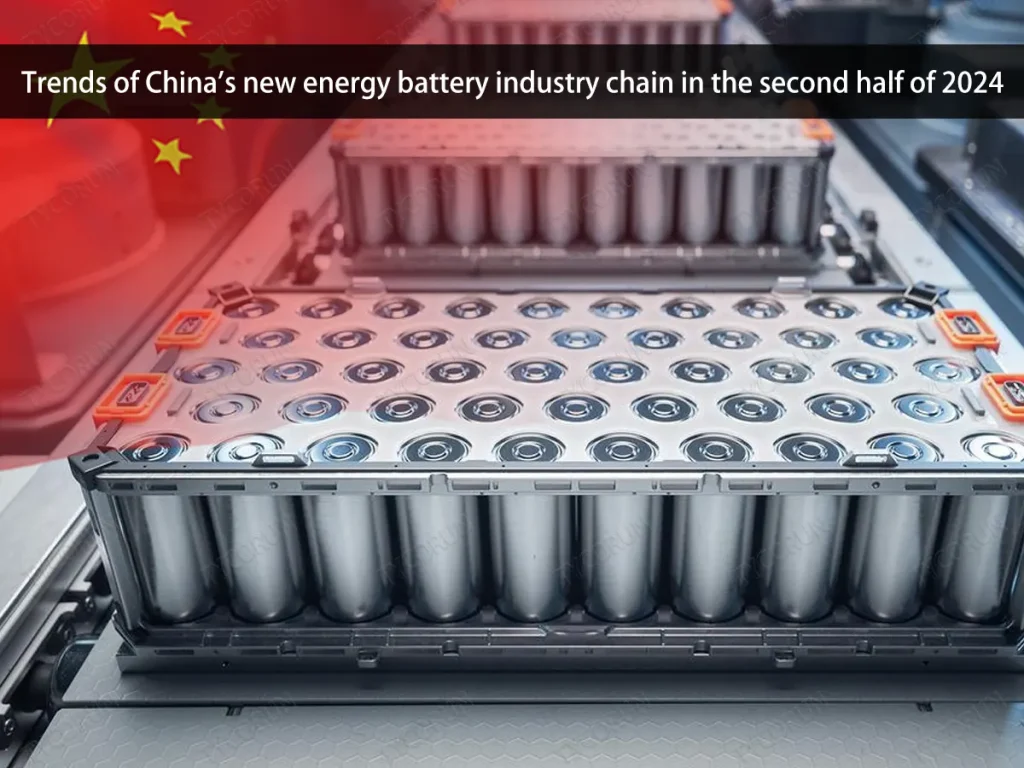
After entering 2024, although the industry is generally improving, a new round of industry reshuffle has begun due to various factors such as overcapacity, falling raw material prices, and corporate involution. For each company, the slowdown in industry growth and the decline in corporate revenue growth are inevitable, and how to smoothly survive the period of stagnant performance is the top priority. While the Chinese battery new energy sector is currently in a deep adjustment phase.
It is undeniable that the production and sales data for new energy vehicles have been impressive, and the installation of new energy storage systems has surged in recent years,. Regardless of how the ecosystem evolves, the development of the battery new energy industry continues to move forward.


Investment intensifies in the battery industry chain worldwide
Recently, a report jointly released by research organizations EVTank, and the China Battery Industry Research Institute highlighted that the Chinese lithium battery industry is facing “structural” and “medium-term” excess capacity. As a result, accelerating global expansion has become an essential path for companies pursuing globalization.
In August, several investment expansion projects in the battery new energy industry chain were announced in other countries. Compared to the Chinese market, these foreign markets present certain technical barriers and certification requirements. The local battery industry chains in Europe and Southeast Asia are still in their infancy and relatively weak, leading to a more favorable competitive environment for Chinese firms. With their superior product quality and cost advantages, Chinese companies can achieve better profit margins.
In light of the complex global geopolitical and trade environment, particularly the “cooperation in competition” between China and Europe and the “competition in rivalry” between China and the United States, the Chinese battery industry’s international expansion faces more challenges.
16px;”>Experts point out that for the “big overseas expansion” of China’s battery new energy industry chain, thorough groundwork is necessary. This includes understanding market differences (policies, business environments, and market demands), establishing stable and reliable international channels, exploring end-customer resources, obtaining product certifications, and ensuring local qualification reviews and processes.

Major enterprises continue to expand production
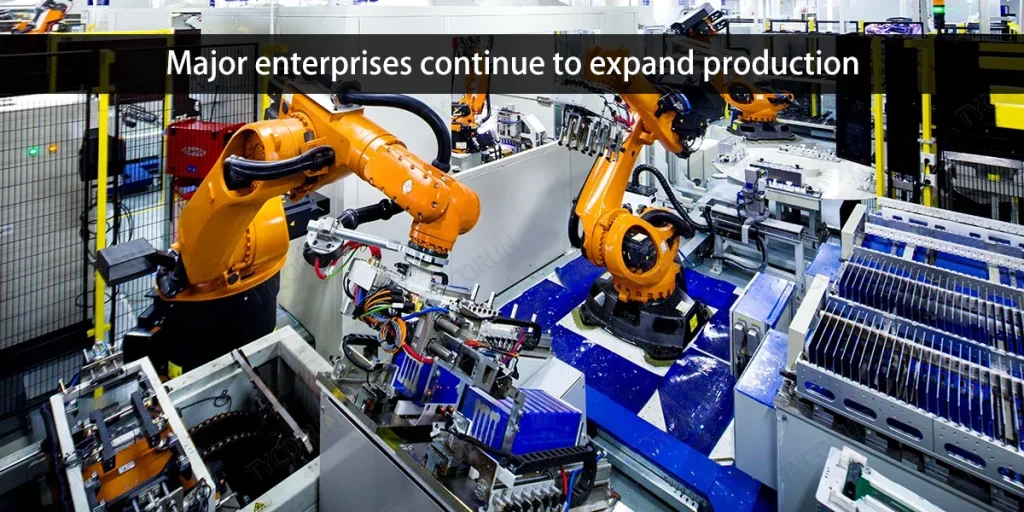
With the production and sales of new energy vehicles soaring and the energy storage market continuing to be hot。In September, the good news of expansion and contract signing of Chinese battery new energy industry chain enterprises rebounded month-on-month, and many leading enterprises signed contracts to expand production. According to incomplete statistics, in September, domestic battery new energy industry chain enterprises successively announced 28 new investment and construction projects, of which 21 projects announced investment amounts, with a total investment of 43.341 billion yuan.
Among these projects, battery-related investments remained popular, with over half of the new projects focusing on energy storage and new battery technologies. In a fiercely competitive landscape, effective production capacity has become one of the key metrics for evaluating a company’s strength, leading many second- and third-tier companies, as well as new entrants, to accelerate their efforts. Major industry players have already begun international expansion.
Rapid growth of new battery projects
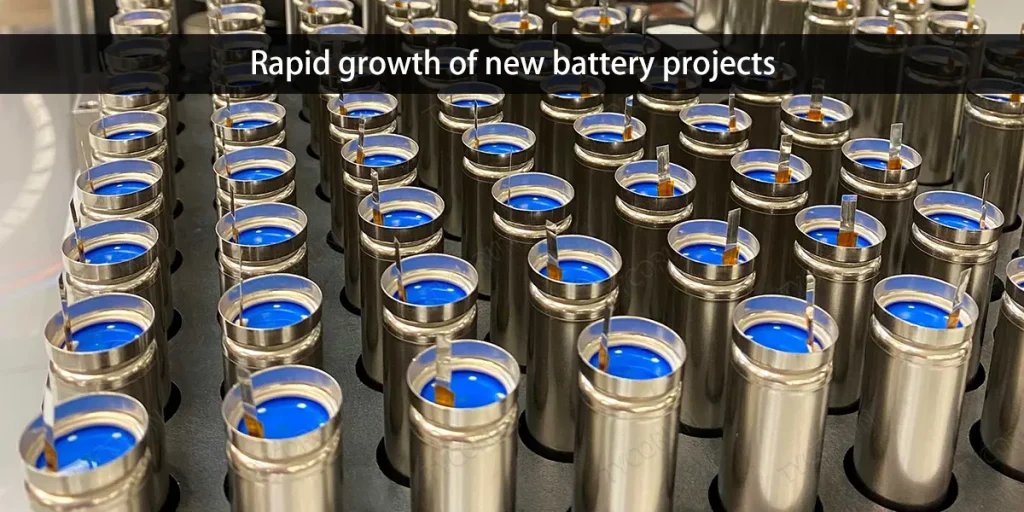
As the market scale and penetration rate of new energy vehicles continue to rise, the application of energy storage has exploded. In recent years, competition among battery technologies has intensified, with ongoing innovations in various battery technologies reshaping the industry landscape. In August, several new battery technology projects were signed, including various battery technologies such as graphene, zinc-manganese, and magnesium-ion batteries.
The surge in new battery technologies is driven by the rapid growth of both the new energy vehicle and energy storage sectors. Research on lithium batteries and their alternatives presents both challenges and opportunities. China has significant cost and technical advantages across all stages of the industry, from raw materials to cell manufacturing to market applications, creating immense potential for industry development.
Acceleration of new technologies
Furthermore, the mass production of new batteries tailored for different applications is accelerating. In the current market environment, the introduction cycle of new technologies is a key focus.
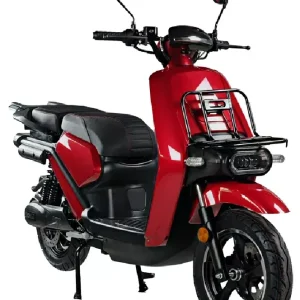
In the past couple of years, competition among battery technologies has intensified, leading to rapid innovation and development, with projects related to sodium batteries and solid-state batteries frequently emerging. Since the beginning of this year, positive news has been emerging from the solid-state battery industry, including the deployment of semi-solid batteries in vehicles, and automakers have introduced new solid-state battery products or are conducting road tests. Additionally, sodium batteries are gradually seeing mass applications in energy storage and two-wheeled electric vehicles.
In the long run, whether in domestic or overseas markets, the focus for companies will still be on acquiring customers. For battery new energy enterprises, it is crucial to solidify their market position, enhance core competitiveness, and ensure not fall behind in the new round of competition.
Conclusion
Faced with the challenges posed by fierce competition, new growth opportunities are emerging: new productive forces represented by the low-altitude economy and robotics are opening new markets for solid-state batteries. In differentiated applications, sodium batteries for two-wheeled vehicles are also starting to sell, and positive news continues to emerge regarding the delivery of mass-produced new energy vehicles and the operation of large-capacity energy storage stations.
In the future, as the world’s battery capacities gradually materialize and demand for batteries based on new technologies and processes is rapidly released, a new growth cycle for the battery industry chain is anticipated. Currently, the real competition in the industry has just begun, and adjustments in technology strategies and the speed of strategic execution by battery enterprises will significantly impact the future landscape.
Power battery companies will gradually move towards internationalization and participate in international market competition. At the same time, the demand in the international market will also play an important role in promoting the development of the power battery industry.
On one hand, market demand continues to grow; on the other hand, companies are ramping up supply. How to steadily expand production to meet market demand while ensuring a diverse and stable supply, and how to balance large-scale production with technological innovation, are crucial questions that every enterprise in the battery industry chain should contemplate.