Skip to content
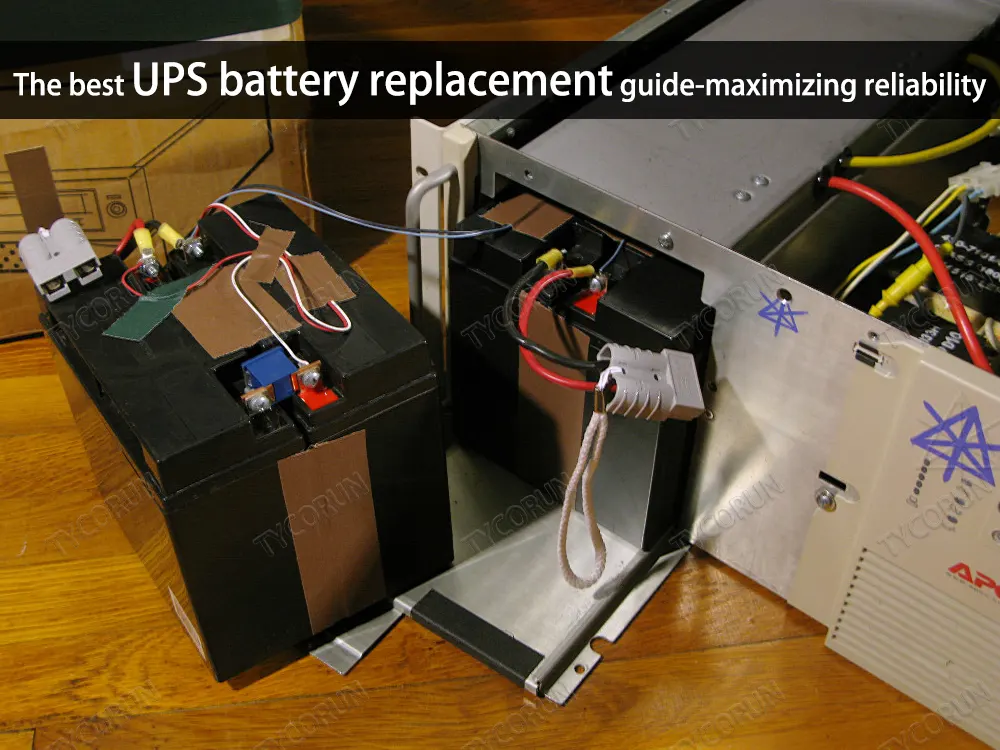

What is UPS battery and why UPS battery replacement is necessary?
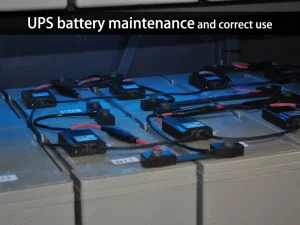
A UPS battery is the core component that provides backup power during electrical outages or fluctuations. These batteries store energy that can be used on devices when the primary power source fails. However, UPS batteries degrade with time, reducing backup times and unreliable performance. UPS battery replacement is, therefore, essential to maintain the reliability of a power supply system.

Different types of UPS battery
There are two primary types of UPS batteries: lithium-ion and lead-acid batteries. Each has its advantages and disadvantages, making them suitable for different scenarios.
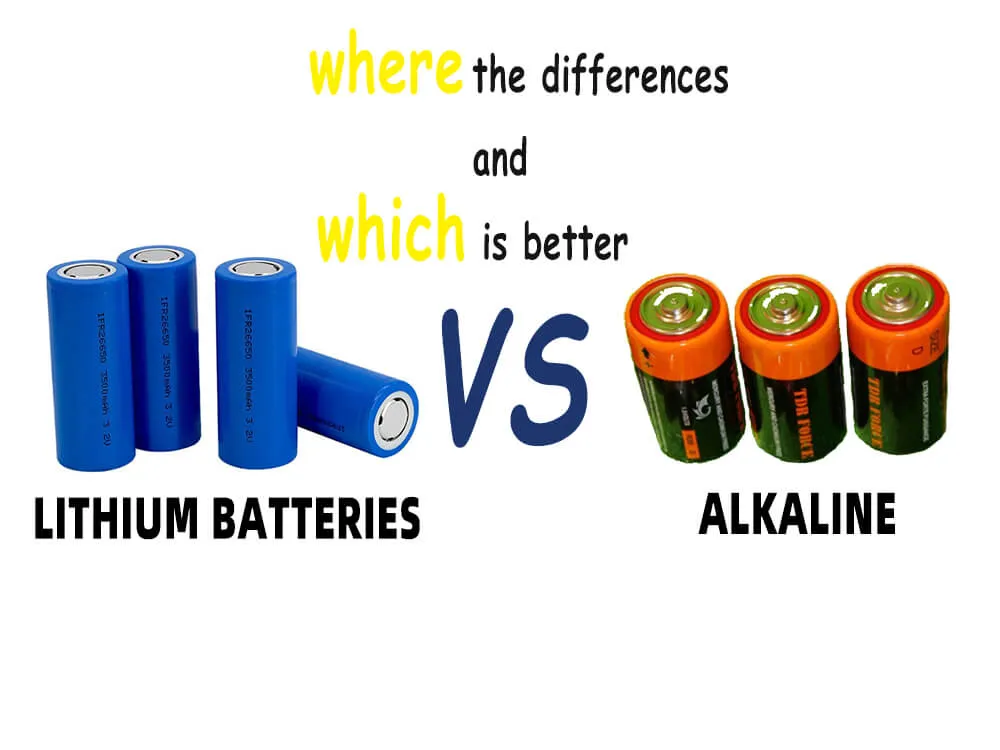
- ● Lithium-ion batteries: Known for their compact size and longer lifespan, lithium-ion batteries offer higher energy density, stronger performance, better environmental friendliness, lighter weight, and reduced maintenance needs. However, they are generally more expensive upfront.
- ● Lead-acid batteries: These batteries are cost-effective and less sensitive to temperature, which makes them more stable. They are suitable for applications with less critical power requirements. However, lead-acid batteries are larger, heavier, and have a shorter lifespan than lithium-ion batteries.
Can a UPS battery be replaced?
Yes, UPS battery replacement is possible, because the damage of a UPS is mostly caused by the aging of the battery, users only need to replace the battery to extend the life and effectiveness of the UPS system.
And it will need to check the compatibility and safety of UPS system, as batteries have different voltage and charging requirements. Though, there are a few more tips that need to pay attention, and we will introduce how to do it in detail in the following article.
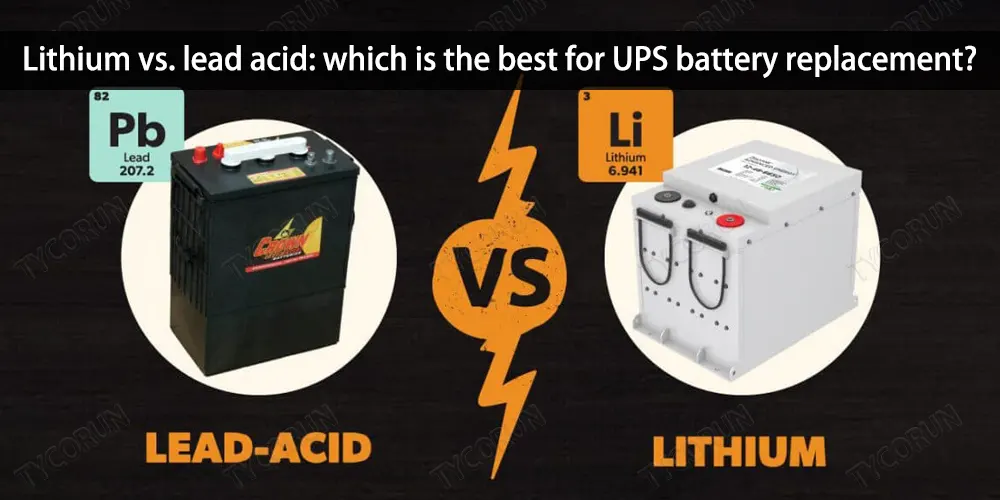
Lithium vs. lead-acid: which is the best for UPS battery replacement?
The best type of battery for a UPS system depends on several factors, such as budget, backup time requirements, environmental conditions, maintenance preferences, and safety concerns.
However, Lithium-ion batteries have gained popularity due to their extended lifespan, lighter weight, and higher energy density than lead-acid batteries. When considering UPS battery replacement, lithium-ion often proves to be the better long-term investment.
Can I use a lithium UPS battery to replace a lead-acid UPS battery?
Yes, lithium battery replacement lead acid is possible for UPS. However, there are factors to consider, including the pros and cons of this switch, as well as the compatibility of UPS unit.
Replacing lead-acid UPS battery with lithium: pros and cons
Pros:
- ● Users will get more backup time and durability for devices, as lithium-ion batteries have higher energy density and higher capacity than lead-acid batteries.
- ● Users will save money and space in the long run, as lithium-ion batteries have a longer lifespan and lower weight than lead-acid batteries.
Cons:
- ● Users will pay more upfront, as lithium-ion batteries are more expensive than lead-acid batteries.
- ● It will be necessary to pay attention to the ambient temperature, and it is best to keep it in an environment of 20-25℃, since too high or too low temperature will affect the performance of lithium-ion batteries. Usually the working temperature of lithium iron phosphate battery is -10-45℃ (charging) and -30-55℃ (discharging).
What factors to consider when replacing lead-acid UPS batteries with lithium
Due to the different characteristics of lithium ion batteries and lead-acid batteries, the specifications of different manufacturers are also different, so it is actually not easy to do lead-acid UPS battery replacement with lithium batteries.
Lead-acid batteries can be connected in series and parallel as needed. But lithium batteries can’t do this. Lithium battery can only be used alone, and if it is connected in series or parallel without accurate calculation, the lithium battery pack may be damaged.
So before replacing lead-acid UPS battery with lithium ones, always make sure that the specifications match the UPS unit.

How to replace UPS battery?
UPS battery replacement is quite a straightforward process that can be done in the following few simple steps:
- Turn off the UPS system and disconnect it from the main power.
- Unplug all the devices connected to the UPS system.
- Remove the front panel or cover of the UPS system to access the battery compartment.
- Disconnect the old battery from the terminals and carefully remove the old battery.
- Insert the new battery into the compartment and connect it to the terminals or connectors.
- Replace the front panel or cover of the UPS system.
- Plug in the devices connected to the UPS system.
- Reconnect the UPS system to the mains power and turn it on.
- Perform a self-test or calibration on the UPS system to verify that the new battery works properly.
Can I mix old and new batteries for UPS?
Mixing old and new batteries in UPS battery replacement is not recommended. The consistency of old and new batteries is poor, and old batteries usually have certain problems of capacity fading. Mixing can cause several problems, such as reduced performance, increased risk of overheating, overcharging, and uneven wear, leading to a reduced lifespan.
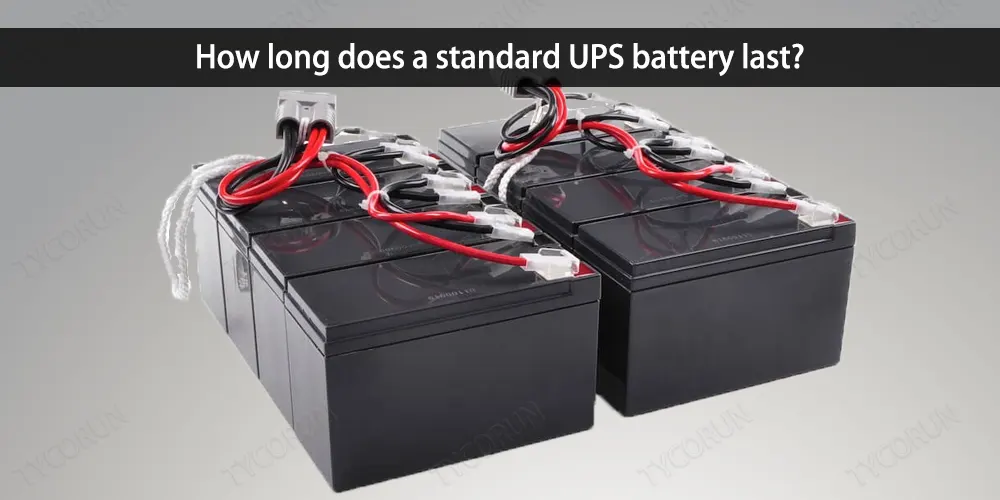
How long does a standard UPS battery last?
Generally speaking, most sealed lead-acid (SLA) batteries used in UPS systems have a lifespan of three to five years under normal operating conditions. However, this can vary depending on the actual usage and environment.
On the other hand, lithium-ion (Li-ion) batteries for UPS systems have a longer lifespan than SLA batteries. Li-ion batteries can last up to 10 years or more. They also have a higher energy density, meaning they can provide more power in a smaller, lighter package.And lithium batteries don’t need much maintenance like SLA batteries, which is a big save of time and cost.
How to know it’s time for UPS battery replacement?
- ● The battery voltage is low, and it has been turned on and charged for hours, yet lithium battery not charging;
- ● The appearance of the battery is abnormal, with deformation and leakage;
- ● Battery usage time is close to battery life.
How often should a UPS battery get replaced?
The frequency of UPS battery replacement depends on several factors, such as the type of battery, the usage pattern, the ambient temperature, and the maintenance schedule. Generally, lead-acid batteries should be replaced every 3-5 years, while lithium-ion batteries can last over a decade.
It is recommended that large-capacity (like above 100AH) UPS battery replacement processed every 5-6 years, and small and medium-capacity batteries are recommended to be replaced every 2-3 years, depending on the actual usage.
What to do after replacing UPS battery?
After replacing the UPS battery, users should perform some steps to ensure it is properly installed and functioning. These steps include:
- ● Check the polarity and connections of the new battery to ensure they are correctly connected,
- ● Charge the new batteries fully before using them.
- ● Perform a self-test or a load test on the new batteries to ensure they work correctly.
- ● Dispose of old batteries according to local regulations.
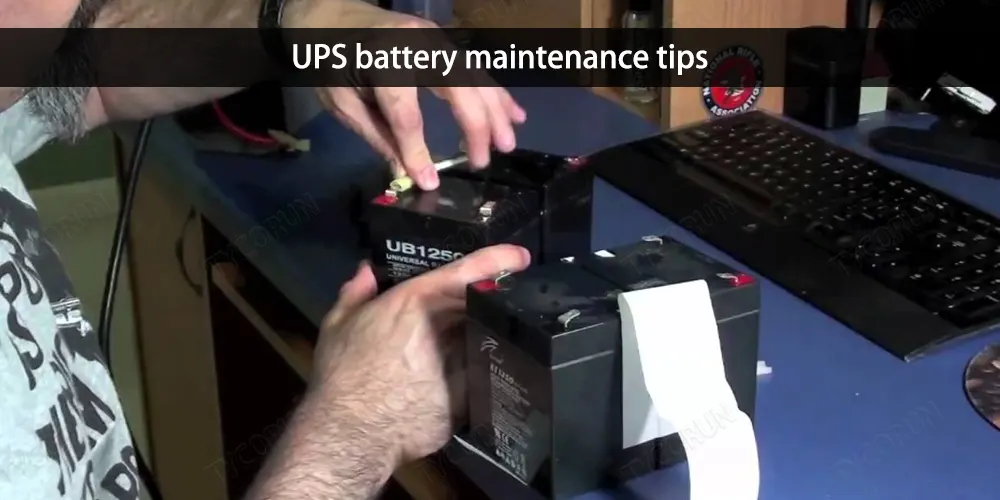
UPS battery maintenance tips
To keep the UPS battery in good condition and extend its lifespan, users should follow some maintenance tips, such as:
- ● Keep the UPS battery in a cool, dry, and well-ventilated location.
- ● Avoid overdischarge and complete discharges of the UPS battery.
- ● Perform regular battery test and inspections on the UPS battery every 2 months.
How to prolong ups battery life
Besides following the maintenance tips mentioned above, users can also take some measures to prolong the UPS battery life. Always use a high-quality and compatible UPS battery, avoid cheap and incompatible UPS batteries.
Use a surge protector or a voltage regulator for the UPS system. Also, use an energy-saving device for the equipment to help reduce power consumption and heat generation.