What does d battery stand for? Can I get a rechargeable d battery?
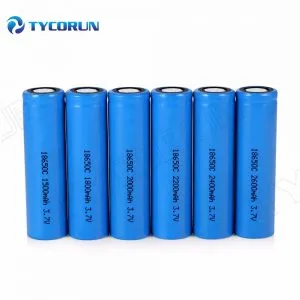
Ever since the introduction of lithium-ion rechargeable batteries, lithium-ion d cells have become popular among different small electronic devices. The d battery comes in rechargeable and non-rechargeable formats. In the good old days, the d cell was available only in the non-rechargeable unit. After the technological advancement, the d batteries are also available in rechargeable units.
What size is a d battery? How many volts is the d battery?
Categorized as R20, the estimated length of a d battery is from 58.0 to 61.50 mm. The diameter varies from 33.0 mm to 34.20 mm and weighs about 160-180 grams. Standard d batteries offer 1.5V. To be precise, it can deliver 1.58V.
What kinds of d batteries are there? Which is the best rechargeable d battery?
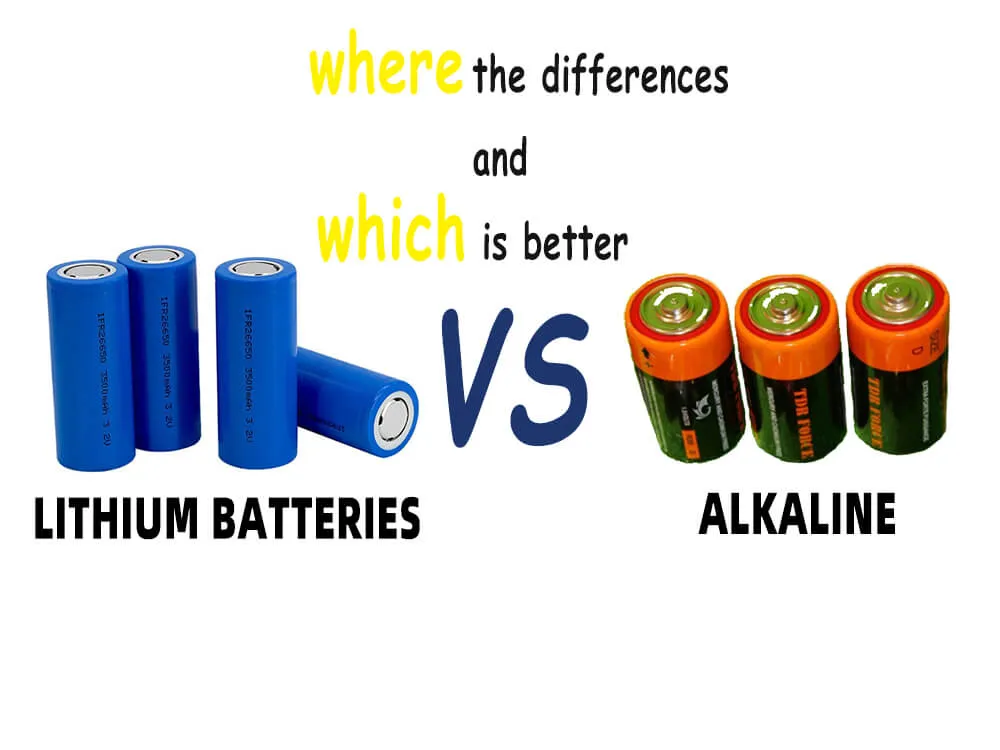
In the d battery segment, you can find many variants with different chemistry, and the main formats are zinc carbon, alkaline, lithium, and lithium iron disulfide ((LiFeS2). In lithium vs alkaline batteries, you can get rechargeable batteries. Now a day, the most popular and best rechargeable d batteries are Nickel Metal Hydride (NiMH) and Nickel Cadmium (NiCad) cells.

What is the difference between the d and c batteries?
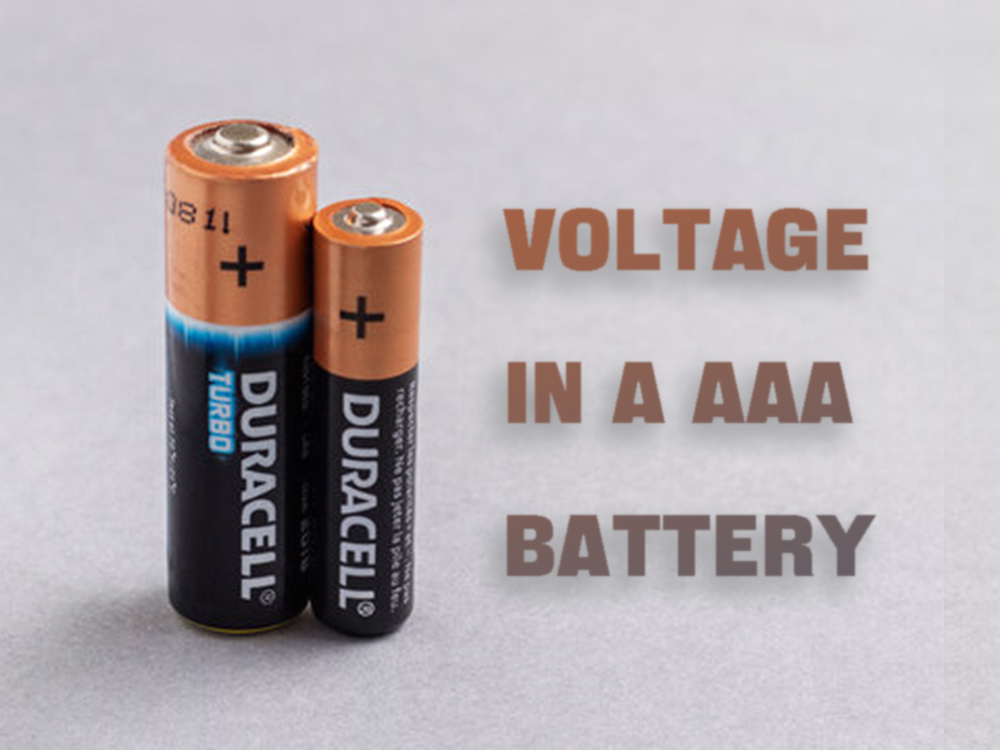
The c-size batteries are smaller than d -size batteries, but c-size batteries are bigger than aa batteries and aaa batteries.The c-size batteries are 49.5±0.5mm in height and 25.3±0.2mm in diameter.
Pros and cons of d battery
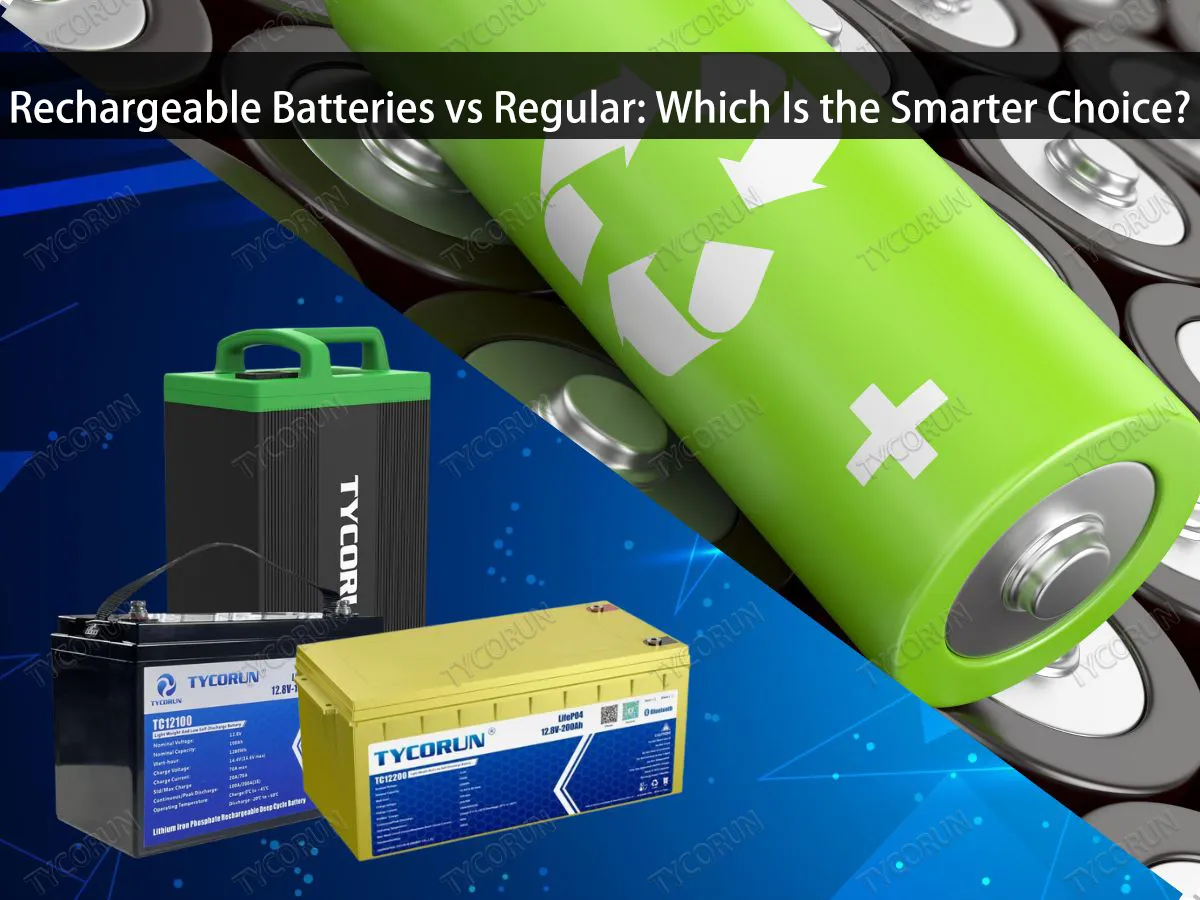
All batteries have advantages and disadvantages depending on their chemistry and charging features. A rechargeable battery has its advantage over a non-rechargeable battery, irrespective of the category and battery chemistry.
Pros
● D Batteries are used in devices that require high power consumption for an extended period and can only use one or more cells. If you are using a rechargeable d battery, once the power is drained out, you can connect with a charger and recharge it for continued use. If you use a non-chargeable d battery, you can replace it with a new one and continue with the activities.
● Rechargeable d batteries are eco-friendly. Since you have the option to charge and use it again, you do not have to dump the battery for a new one, and can save the replacement cost.
● In the long run, rechargeable batteries are cost-effective although the initial cost is high, the cost per use is low due to the longer battery life.
● Rechargeable batteries are handy and easy to carry wherever you want to move.

Cons
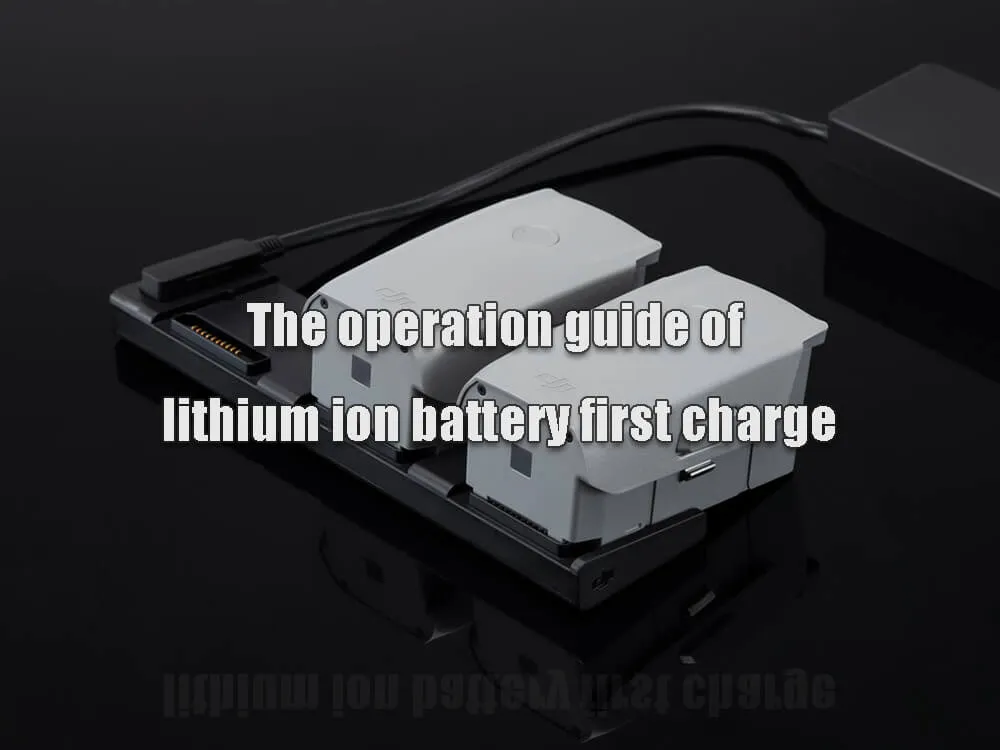
● Rechargeable batteries require initial charging per the manufacturer’s instructions before using them. The minimum initial recharge time is 4 hours. If you do not have a charger and power supply to run the charger, you cannot use a rechargeable battery. At the same time, non-rechargeable batteries come in ready-to-use mode.
● If you are using a rechargeable d battery or any other rechargeable battery, you must also carry a charger with you. Without a charger, you cannot charge a rechargeable battery.
● A rechargeable d battery is expensive compared with a primary battery.
● You must fully charge a rechargeable d battery or you need to bring a portable power power station to charge the battery if you want to use it outdoors. But you don’t have to worry about that if you have enough capacity.
● Most of d cells have no BMS.
Where are d batteries used?
D cells are used in high power drain devices requiring an extended operation period. These batteries are predominantly used in radio receivers, transmitters, electronic toys, and flashlights.
How do I charge a d battery?
Like any rechargeable battery, you can charge a d battery using an appropriate charger. The charger should have an output to meet the d battery power requirement. If the battery voltage is 1.5V, then the charger should have an output of 1.5V.
Is d battery available in lithium?
Yes, d batteries are available in lithium chemistry.
What is the difference between a d lithium battery and a common lithium-ion battery?
● Different principles
D lithium battery is a kind of lithium metal or lithium alloy as a anode material, due to the chemical characteristics of lithium metal is very lively, make the processing, preservation, use of lithium metal, the environmental requirements are very high. The anode of the lithium ion battery is a structural material such as graphite, and the battery is the lithium ion moving in the cathode and anode electrode, so it is much safer than the lithium battery.
● Charging is different
Lithium batteries are non-rechargeable, can only discharge, and lithium-ion batteries are rechargeable. Technically, lithium batteries feature primary battery technology, and lithium-ion battery employs secondary battery construction technology.

● The reaction is different
In lithium battery, lithium directly involved in the reaction, irreversible reaction. However, in lithium ion battery, lithium ion involved in the reaction, reversible reaction.
FAQs about d battery
● How many d batteries do i need for 12v?
D batteries come in 1.5V, and you need to connect 8 d batteries to get 12V serially.
● How long does a d battery last?
A primary d battery is good to use for 36 hours and 3 minutes continuously. But rechargeable d cells can use for about 2-3 years or the set life cycle.
● What can I use instead of a d battery?
If you are looking for an alternative for a d battery, then one AA battery can meet the voltage requirement of a d cell because both have the same voltage of 1.5V.
● Are d batteries more potent than aa?
Yes, d batteries will be more power full than aa cells. Both batteries can deliver 1.5V, but d batteries can provide more current than aa batteries, because the d battery is bigger and has more capacity. When aa batteries come with 2400mAh, the d cells come with 13000mAh, but both will have the same voltage, 1.5V.
Conclusion
The new-generation lithium-ion d cells are rechargeable with extended shelf life, run time, and cycle life. Even though the battery voltage is identical, the battery’s capacity varies according to the battery chemistry. It has nothing to do with the size of the battery, because they have a higher energy density. The rechargeable d battery is costly, but in the long run, it is economical with better shelf life and extended cycle life.