 Skip to content
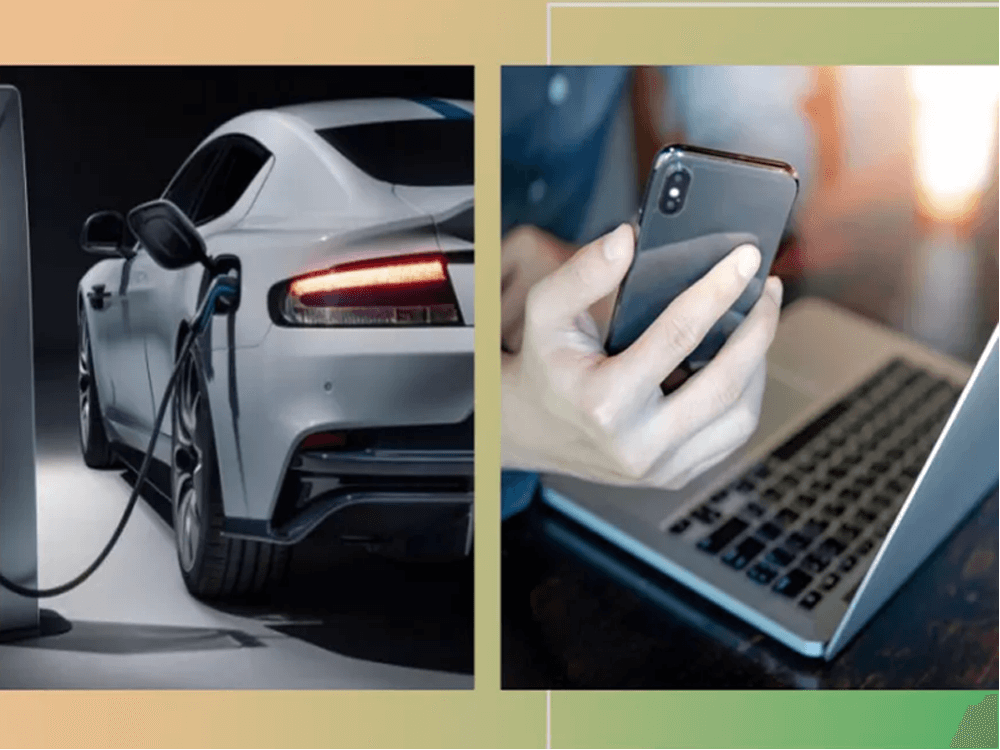
According to different downstream applications, lithium batteries can be divided into small consumer lithium batteries (3C), power tool and power lithium ion batteries, and large energy storage lithium ion batteries.
From the perspective of its development, lithium-ion batteries were first mainly used in the 3C field, namely consumer lithium batteries. With the development of technology and the continuous improvement of battery performance, lithium-ion batteries are gradually being used to provide power for electric tools, electric vehicles and other vehicles, namely power batteries. In addition, the development of the energy storage field has created a new market demand for lithium-ion batteries.
For lithium batteries with many technical routes, their advantages are different in different market segments? So what are the characteristics of “power lithium-ion batteries” and “3C consumer lithium-ion batteries” in the two popular fields of application? Let’s take a look below.

Power battery and 3C product battery demand are very different
Consumer lithium-ion batteries are mainly used in consumer electronic products such as mobile phones, portable computers, digital cameras, digital video cameras, mobile power supplies, and electric toys, that is, lithium battery cells and modules of the so-called “3C products”. Square and soft case, battery.
Power-type lithium-ion batteries are mainly used for lithium battery cells and modules of power batteries such as electric vehicles and power tools. According to their application characteristics, the two main differences are as follows:
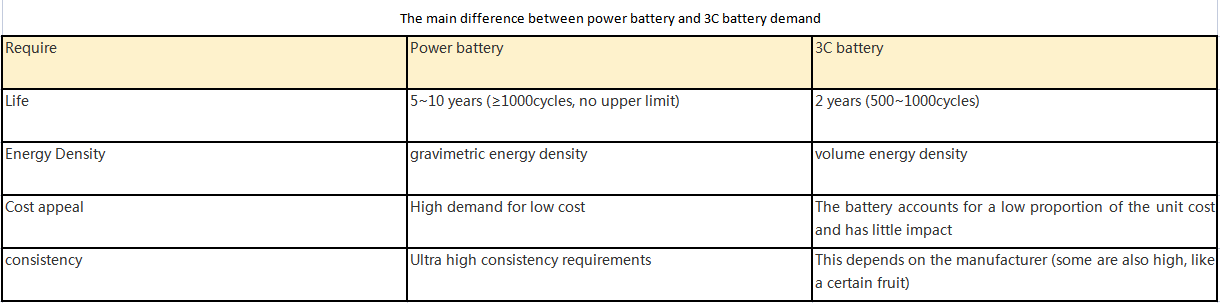
Power lithium-ion batteries need more consideration for reliability and consistency. After all, it takes a long time (at least 5 to 10 years), harsh environments (low temperature in winter, exposure to sunlight in summer, rain and snow), and a large number of batteries used in series and parallel. Ideally, the probability of power battery problems (safety, storage, cycling, etc.) should be less than 1 in 100 million (of course, for the highest-end consumer batteries, Apple also requires suppliers to reach this level).
Considering reliability, power batteries are generally designed with more redundancy, using thicker separators, foils and casings, so the energy density is about half that of consumer batteries.
The usage conditions of consumer lithium-ion batteries are relatively less severe, and there is no need for long-term reliability (the cycle does not need to be too good, because it will be replaced in a year or two anyway), usually it is used alone and generally does not need to be matched, so There is not much requirement for consistency, but because consumer mobile phones and tablets have limited space and are very precious, consumer lithium-ion batteries have strict requirements on size, capacity, and energy density.
High-end consumer batteries use the most advanced technologies and materials, while power batteries require more advanced process control, consistency control and quality management.
Lithium battery type
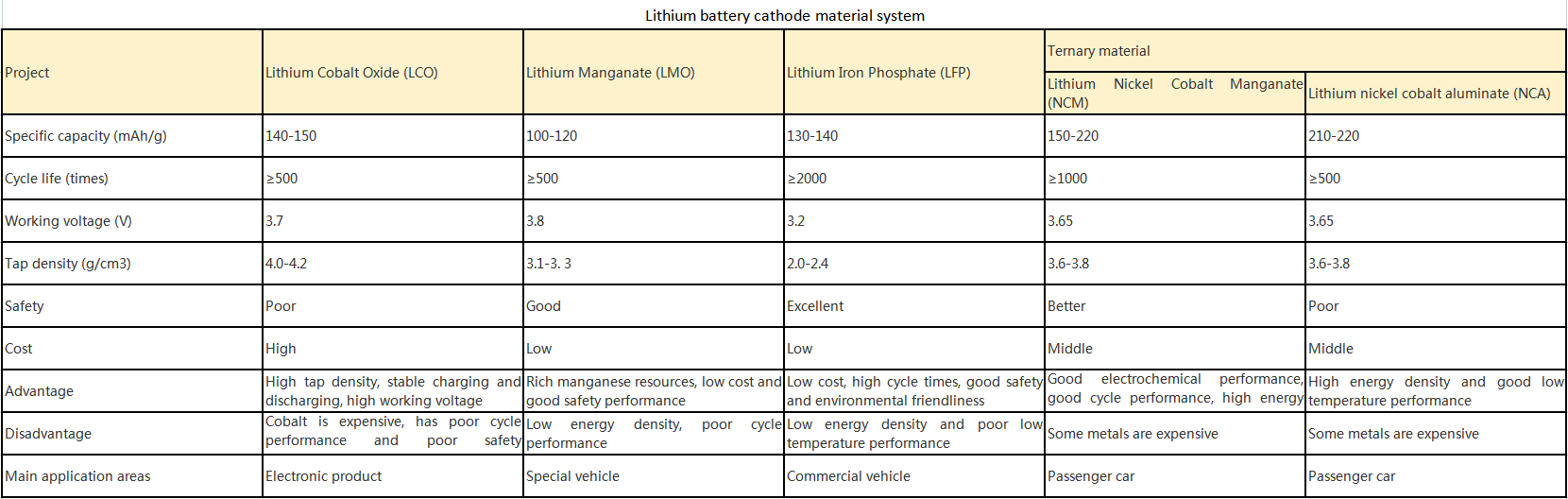
Lithium batteries are mainly composed of positive electrode materials, negative electrode materials, separators, electrolytes and battery shells. Among them, the positive electrode material is the decisive factor of its electrochemical performance, which plays a leading role in the energy density and safety performance of the battery.
Lithium batteries are generally divided according to the cathode material system, which can be divided into various technical routes such as lithium cobaltate, lithium manganate, lithium iron phosphate, and ternary materials.
Power battery field
Ternary battery and lithium iron phosphate are evenly matched.
The positive electrode material is the key material of lithium-ion batteries, which is crucial to the performance and has a high degree of differentiation and a high cost ratio, especially for electric cars where the battery cost accounts for about 40% of the unit cost.
The needs of different application fields determine the development trend of cathode technology. Lithium iron phosphate is rejuvenated in energy storage and low-endurance passenger vehicles by virtue of its cost-effectiveness and safety advantages, and high-nickel ternary is expanding its share in high-endurance passenger vehicles by virtue of its high energy density advantages.
At present, the power battery market mainly includes ternary lithium battery, LiFePO4 battery, LiMn2O4 battery, lithium titanate battery (named according to the form of positive electrode material), etc. Judging from the overall matching of power batteries, ternary lithium batteries and LiFePO4 batteries occupy most of the power battery market. Of course, there is another cathode material that deserves attention in the power battery field: NCA nickel-cobalt-aluminum (8:1.5:0.5), which has a high single energy density, but the threshold is also very high.

3C consumer battery field
Lithium cobalt oxide demand grows, ternary materials gradually penetrate.
Although lithium cobalt oxide cathode materials have disadvantages such as high cost (expensive cobalt price), poor cycle performance, and poor safety performance. However, due to its high tap density and high operating voltage, it still has advantages in the field of ultra-thin electronic products. At present, the application demand in the fields of mid-to-high-end smartphones, notebook computers, and tablet computers remains stable.
At the same time, due to the replacement of 5G mobile phones, the increase in the charge of a single mobile phone and the continuous emergence of new consumer electronic products such as consumer drones, TWS headsets and electronic cigarettes, all of which have brought a certain market demand for lithium cobalt oxide cathode materials.
Lithium cobalt oxide has the advantages of stable structure, high capacity ratio, excellent process performance, and volumetric energy density. The disadvantage is that the safety is poor, the cost is very high, the cycle life is average, and the material stability is not very good.
LCO has the highest compaction density and the highest volumetric energy density in the limited volume of consumer electronics. Excellent tap density and volumetric energy density, cycle performance and high and low temperature performance, increasing the charge cut-off potential can further improve the energy density of LCO, so high voltage, high compaction lithium cobalt oxide material is the future direction
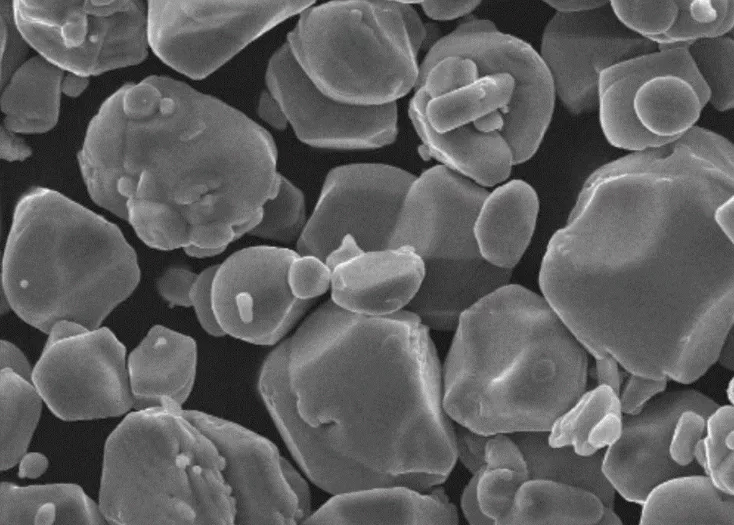
In general, after technical upgrading, lithium cobalt oxide is basically safe under normal use conditions, and its position in high-end small electronic products is unshakable. Of course, due to the outstanding cost advantage of ternary materials compared with lithium cobalt oxide, the market penetration rate of some low-end 3C electronic products such as charging treasures, electric toys, and electric household products will maintain an upward trend in the future, and ternary cathode materials are gradually penetrating some downstream. market share.
What is the market prospect of consumer batteries and power batteries
Driven by emerging technologies and changes in energy technology, the global lithium battery industry has entered a stage of rapid growth. The global lithium battery market is expected to grow at a compound annual growth rate of 14.3% from 2020 to 2025, and the market size is expected to exceed $100 billion by 2025.
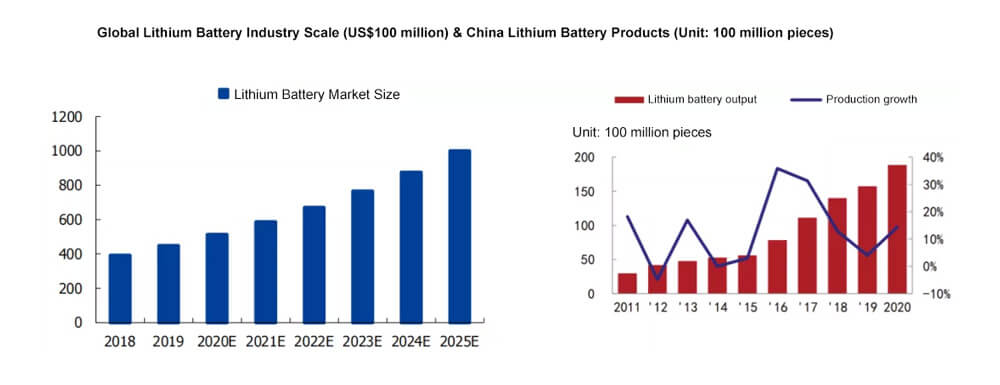
The global lithium-ion battery products are mainly used in consumer and electric vehicles. The new energy vehicle market continues to grow, and the global lithium-ion battery market structure has changed.

Consumer Batteries
The downstream of consumer batteries mainly includes three categories: mobile phones, notebook computers (including tablet computers), and others (mainly small batteries, including smart wearables, power tools, drones, etc.), of which mobile phones and notebook batteries are currently the main batteries. market.
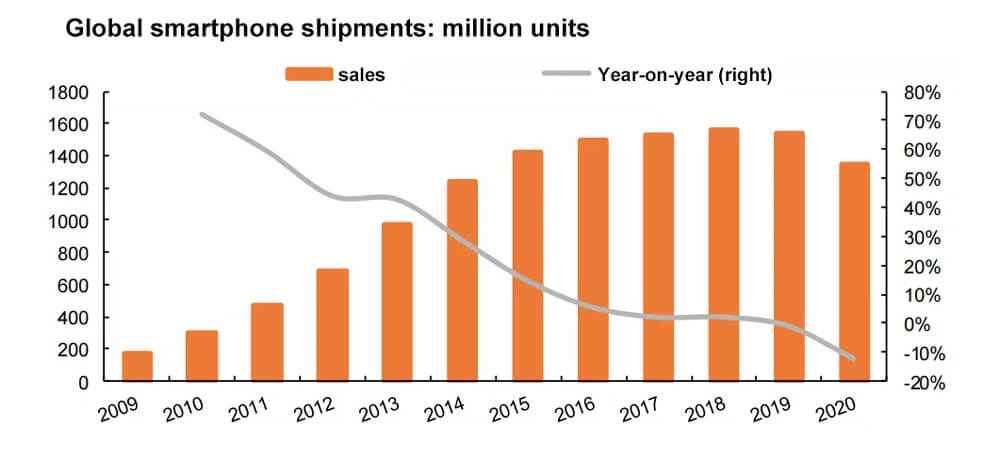
After 2010, smartphones replaced traditional feature phones and became the mainstream, and the smartphone market ushered in an explosion. The compound growth rate of the industry from 2009 to 2018 reached 28%; in 2018, the sales reached a high point, and the industry reached a state of saturation; the mobile phone market has entered a stock game. In the era, industry competition has intensified, and higher requirements have been placed on the technology research and development and product iteration capabilities of mobile phone manufacturers.
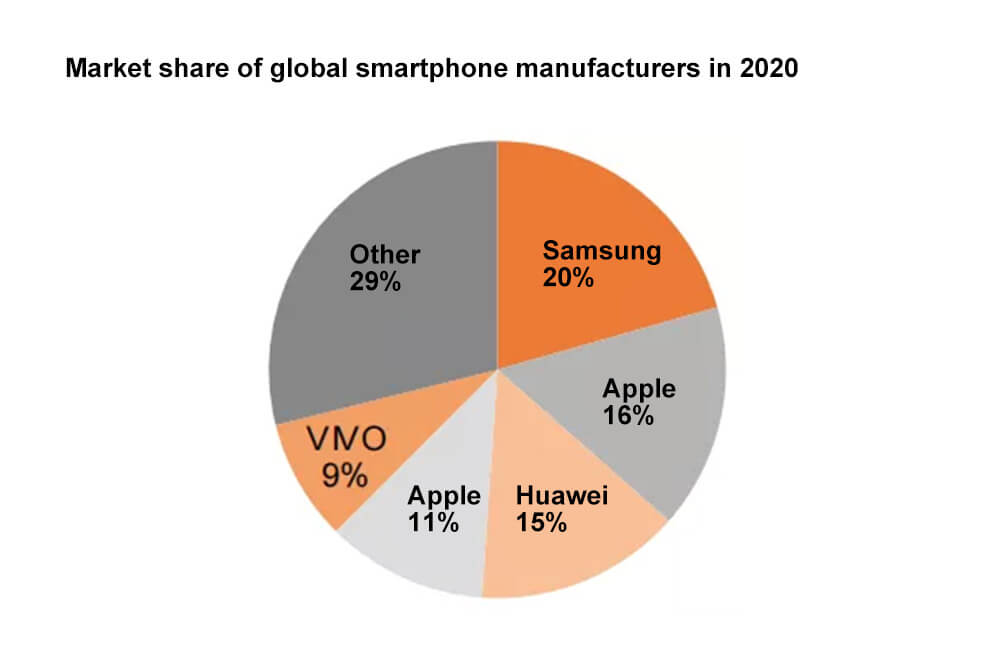
According to the data, the global smartphone CR5 will account for 71% in 2020. In the future, the R&D strength and brand image of the mobile phone market will play a more prominent role, and the industry concentration is expected to be further improved.
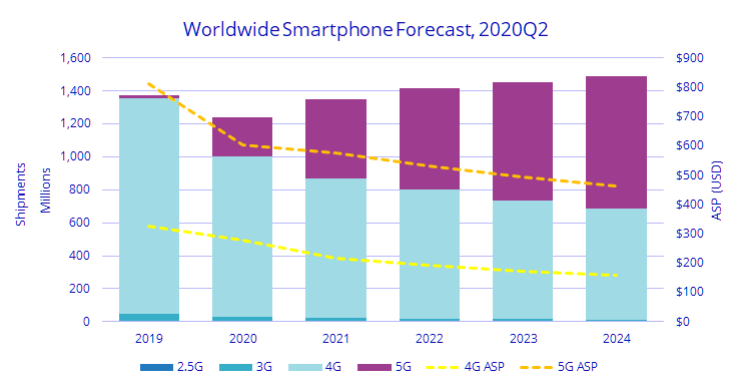
The concentration of the smartphone industry continues to increase, and the global smartphone industry is expected to return to positive growth in 2021. The backlog of demand and the tide of 5G replacement are the main themes. IDC expects 5G smartphone penetration to exceed 40% in 2021 and 69% in 2025.
The global notebook sales reached a stage of saturation around 2010, and remained at about 160 million units after 2013; due to the demand for remote office and online teaching in the past 20 years, notebook computer sales have increased significantly, and shipments have once again exceeded 200 million units and hit a new high. It is estimated that In the next three years, sales will remain at around 200 million units.
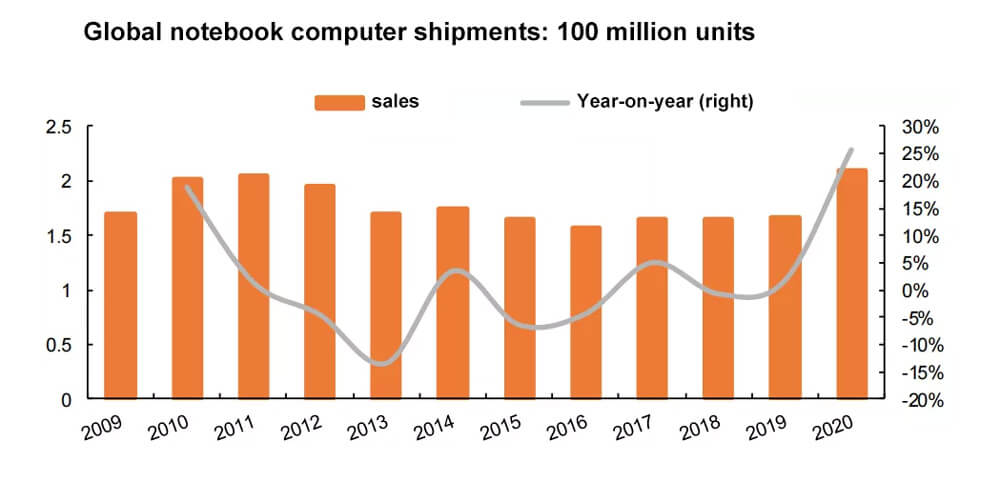
According to the data, in 2020, the global notebook computer CR5 will account for 79%. Similar to the mobile phone industry, the increase in the concentration of the notebook computer industry will be conducive to the growth of shipments of head battery companies.
Power Battery
Electric vehicles are expected to account for nearly half of all passenger car sales worldwide by 2030. According to IDC, driven by policies, China’s new energy vehicle market will usher in strong growth in the next five years, with a compound annual growth rate (CAGR) of 36.1% from 2020 to 2025.
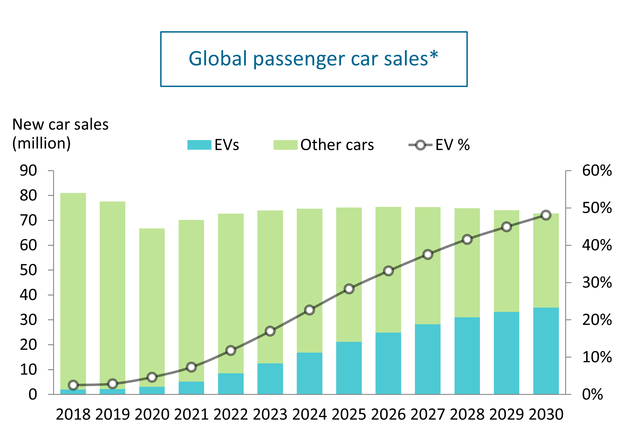
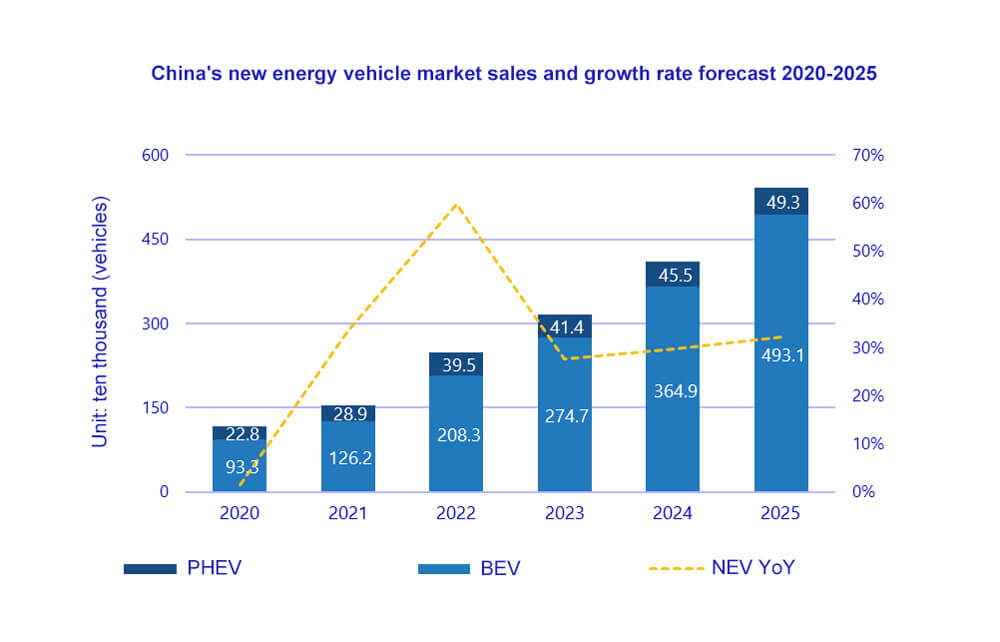
In 2020, the global sales of electric vehicles will exceed 3 million, and the installed capacity of power batteries will exceed 130 GWh; it is estimated that by 2025, the scale of global electric vehicles will exceed 17 million, and the scale of power batteries will exceed 1,000 GWh, and the industry will officially enter the TWh era.
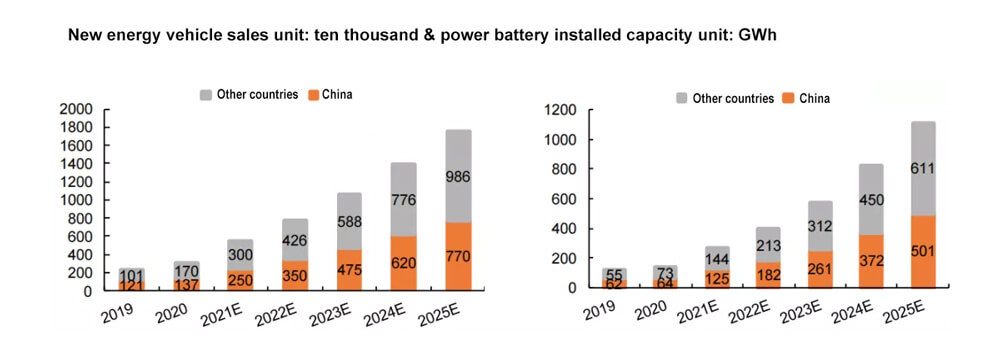
For consumer electronic batteries, it is the one who has the application scenario that wins the world; and for the power battery, it is the one who has the capacity to win the world.
Capacity situation
EVE Lithium currently has 6Gwn iron-lithium battery capacity, 3Gwh soft pack ternary battery capacity, and 2GWh square ternary battery capacity. The planned production capacity is lithium iron phosphate: 20GWh each in Huizhou and Jingmen, and ternary soft pack: Huizhou Yiwei Jieng 10Gwh , square ternary: will reach 10GWh by the end of 2021. Supporting customers include iron-lithium batteries: Nanjing Jinlong, Yutong bus, soft package ternary: Daimler, Hyundai-Kia, Xiaopeng, Hezhong Automobile, square ternary: BMW Brilliance
Sunwoda has three production lines with a total production capacity of 4GWh, 2 HEV lines + 1 BEV line, about 2Gwh. It is expected to add 2-4GWh in 2021
Supporting customers include Volvo, Dongfeng Liuzhou Automobile, Renault Nissan
Products and customers
Consumer battery products and customers.
EVE’s products in the field of lithium energy consumption include ternary cylinders, lithium primary batteries, and gold bean batteries. The main customers are TTI, Mavericks, power companies, and Samsung, with a total production capacity of 350 million.
Sunwoda’s consumer products include mobile phone digital products, notebook computers, Airpods charging box batteries, customers Apple, Xiaomi, OPPO, Lenovo, Microsoft, etc., with a total production capacity of 374 million units.

1 thought on “What is the difference between “power lithium-ion battery” and “3C consumer lithium-ion battery”?”
Outstanding post however , I was wanting to know
if you could write a litte more on this topic?
I’d be very thankful if you could elaborate a little bit further.
Bless you!
Comments are closed.