 Skip to content


The high cost of batteries is often cited as a major barrier to widespread adoption of electric vehicles.If the initial manufacturing cost of the battery can be reduced and the life cycle of the battery can be extended, this will help increase the market share of electric vehicles.
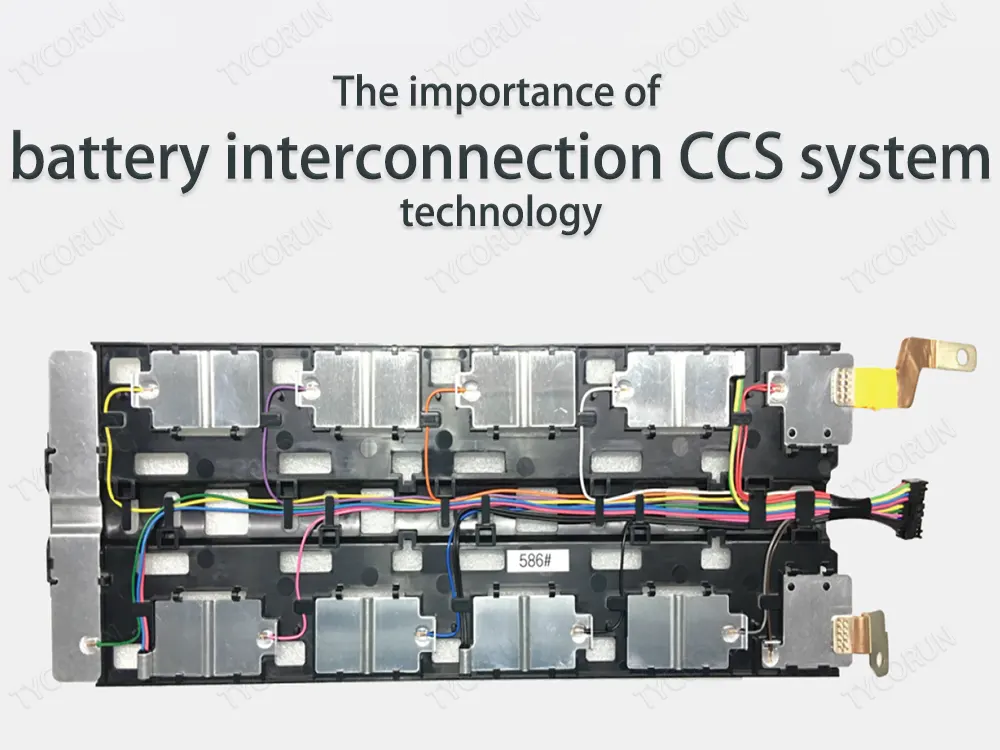
This article provides an in-depth look at the importance of battery interconnection CCS system technology. The technology helps reduce battery costs for electric vehicles by simplifying design and assembly, while extending battery life by optimizing current paths and minimizing battery hot spots.
Why are battery interconnection CCS components important?
The battery interconnect CCS component is an important part of the battery pack in electric vehicles. It is a key component of the connection between the cells in the battery pack and the connection between the battery packs or the connection with external electrical devices.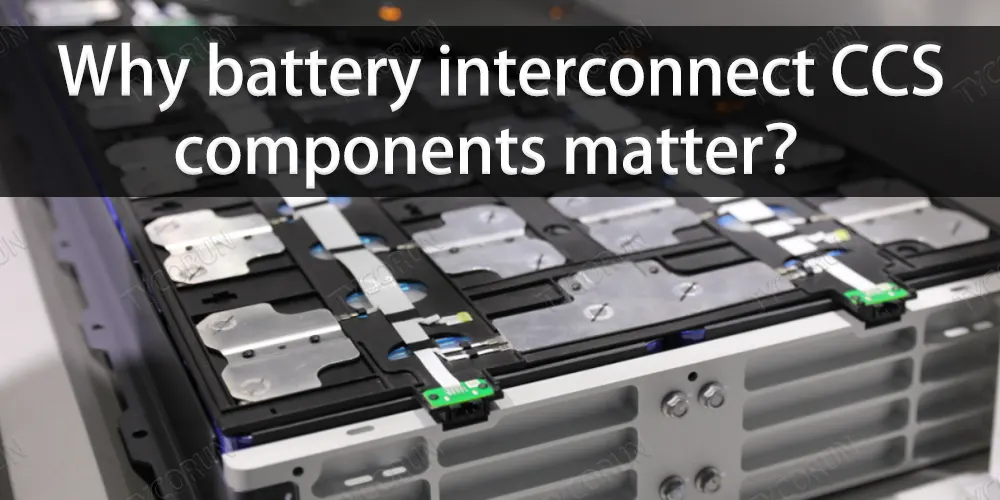
Top 10 power battery companies in the world all place a lot of emphasis on this component.Whether it is to reduce costs or improve the reliability of the power battery life cycle, the use of CCS components is very critical.
By optimizing the current path, CCS components help reduce energy loss in the battery pack, which in turn reduces heat generation in the battery pack. At the same time, the service life of the battery pack can be extended.
Challenges in optimizing battery interconnect CCS components
Larger battery modules that accommodate more cells
The trend to combine more battery cells within individual modules and complete battery packs is one of the major challenges facing battery designers and CCS module manufacturers.
Given the increasing number of battery cells to be connected, CCS components must maintain a high-precision connection between all cells in a larger form factor.
This requires manufacturers of battery interconnection systems to be at the highest level, both in terms of manufacturing precision and quality control, in order to create and cover battery interconnect designs in more areas.
Reduce the weight of the battery pack
Automakers and suppliers are challenged to reduce the overall weight of vehicles, and EV batteries remain the heaviest component in the vehicle.
Therefore, cell interconnect designers are not only faced with the requirement to make CCS components thinner and lighter, but also shoulder the mission of expanding the effective surface area to connect more cells.
Avoid overheated areas
The CCS overheating region is a local high temperature region that may occur in the battery interconnection system of the electric vehicle battery pack.
These hot spots are often caused by uneven current distribution within the CCS components, which can lead to localized thermal runaway.
Cell balance
Cell balancing is a process that attempts to ensure that each cell is charged and discharged equally so that the battery pack operates as efficiently and safely as possible.
When the cells in a battery pack are unbalanced, some cells can become overcharged or undercharged, which can lead to poor performance, shortened life, and, in extreme cases, safety hazards such as overheating or fire.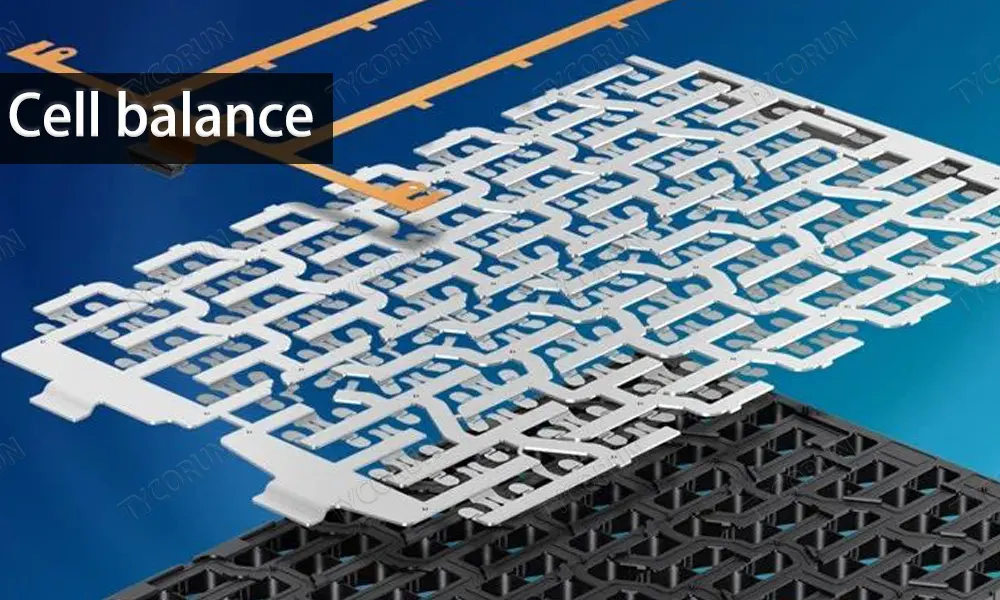
The use of a battery management system (BMS) will help through temperature monitoring and adjustment of charge and discharge rates.
Alternatively, the BMS can also sound an alarm and shut down the battery if necessary. You can find out by clicking on top 10 battery management system suppliers in China.
Adding insulation or cooling also helps, but adds cost and complexity. Therefore, the best way to deal with hot spots and cell imbalances is to design the CCS assembly to achieve optimal current distribution across the cell.
Benefits of improvements in battery interconnect system technology
Improvements in battery interconnection system technology can bring many benefits, including the following:
● Reduces the battery cost of electric vehicles, making electric vehicles more affordable and accessible to a wider range of consumers, which helps in the transition to a more sustainable and lower-carbon transportation system.
● Longer battery life, which helps to improve the performance and range of electric vehicles, making them more competitive than traditional gasoline-powered vehicles, and also improves consumer confidence in electric vehicles.
● With the popularization of electric vehicles, the impact of transportation on the environment will be weakened, which can help reduce greenhouse gas emissions, air pollution and dependence on fossil fuels.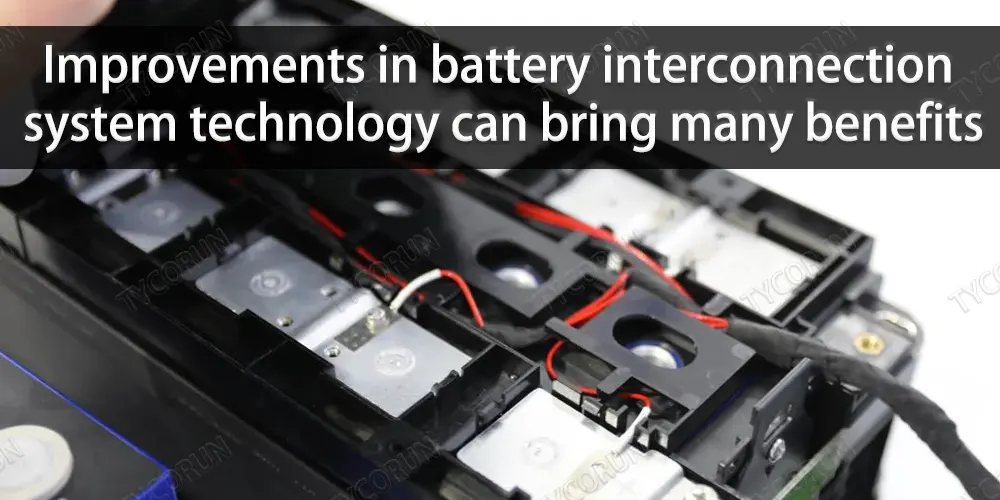
● Electric vehicle battery technology can also be adapted for energy storage systems, such as grid-scale batteries or residential energy storage systems. If the cost of batteries can be reduced, this will help to speed up the deployment of energy storage systems.
● The high cost of electric vehicle batteries is often cited as a major factor contributing to the low profitability of electric vehicle manufacturers. If the cost of batteries can be reduced, this can help improve profit margins for electric vehicle manufacturers.
● Improved battery design can also improve battery recycling, as more batteries can be reused or repurposed, which helps reduce waste and promotes a circular economy.
Summary
In conclusion, lower-cost, longer-lasting EV batteries have wide-ranging benefits, both for EV makers and the world at large.
These include increased EV adoption, improved performance and range, reduced environmental impact, increased energy storage capacity, cost savings, and improved battery recycling.








1 thought on “The importance of battery interconnection CCS system technology”
The insights on battery interconnection CCS technology are truly enlightening! 🔋 It’s fascinating how optimizing these components can lead to significant cost reductions and longer battery life for electric vehicles, ultimately making them more accessible to consumers. The focus on addressing challenges like weight reduction and overheating is crucial for the future of EVs. 🚗 Plus, the potential environmental benefits are a big win for our planet. Exciting times ahead as we move towards a more sustainable and efficient transportation system! 🌍
Comments are closed.