Current status and challenges of solid-state battery
Solid-state batteries, as the next-generation technology of lithium ion battery, have become a global research hotspot due to their high energy density, high safety, and wide temperature range operation. However, despite their enormous potential, the development of solid state battery still faces many scientific challenges and difficulties. This article will delve into the current state, advantages, research progress, and technical challenges of solid-state batteries, and propose future development suggestions.
What is a solid-state battery?
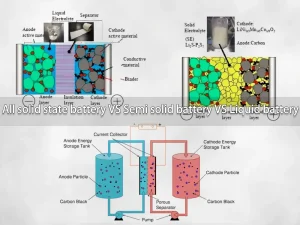
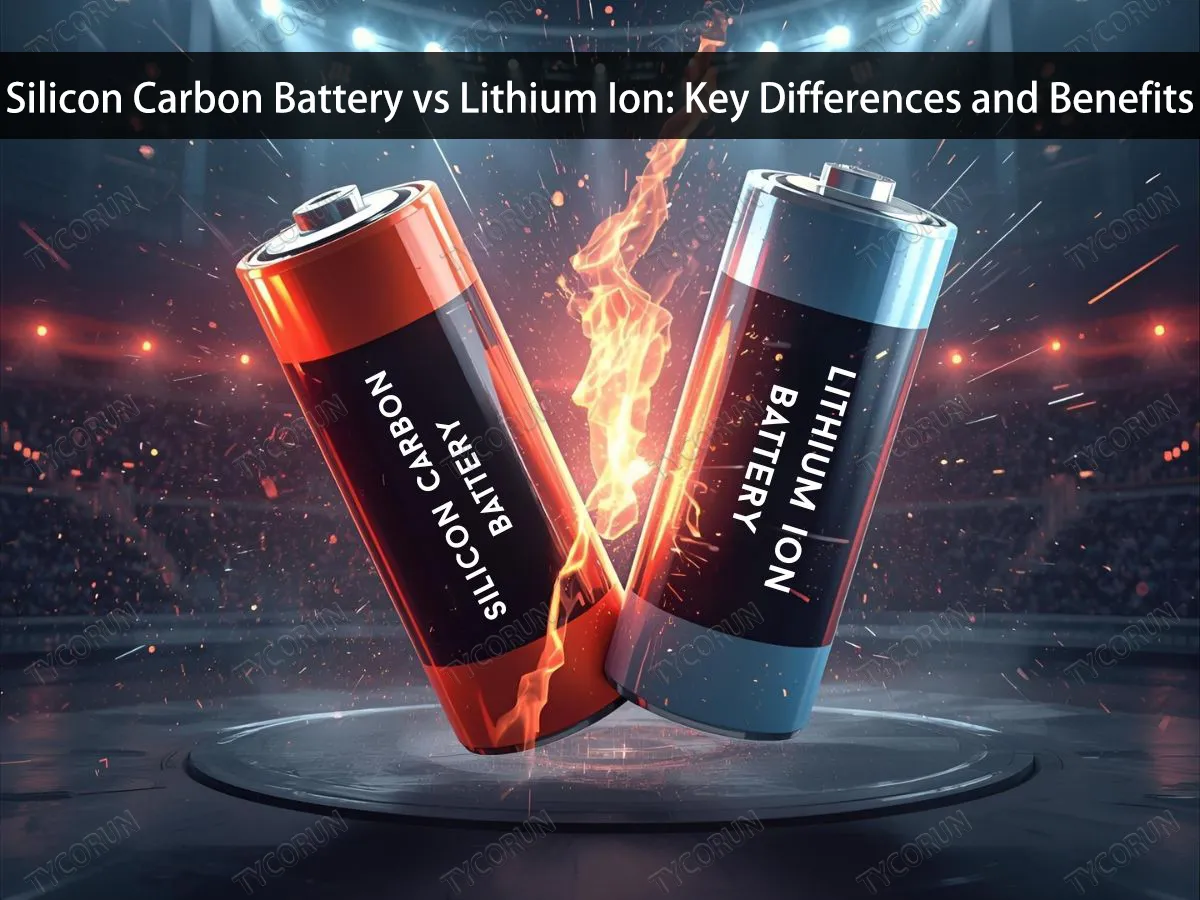
A traditional lithium-ion battery consists of four main components: the cathode, anode, electrolyte, and separator. A solid-state battery replaces the electrolyte with a solid electrolyte. Compared to traditional lithium-ion batteries, the key difference in solid-state batteries is that the electrolyte changes from liquid to solid, balancing safety and high energy density.
What are the advantages of solid-state batteries?
From a performance comparison perspective, theoretically, solid-state batteries outperform liquid batteries in terms of ionic conductivity, energy density, resistance to high pressure, high-temperature tolerance, and cycle life. They combine high energy density and high safety features that traditional liquid lithium batteries cannot achieve, making them the best rechargeable batteries for electric vehicles. The advantages of solid-state batteries are mainly reflected in:
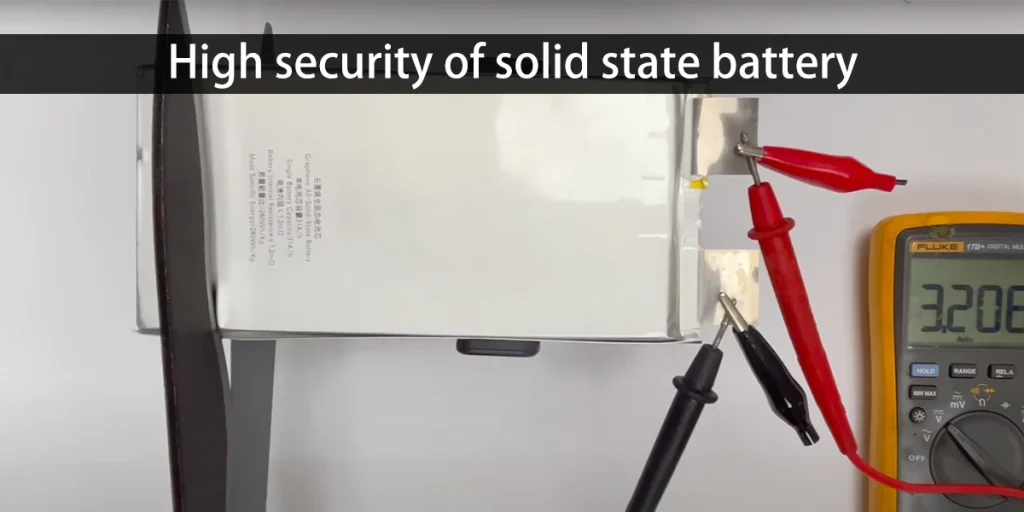
1. High safety: High safety is the primary advantage of solid-state batteries. In traditional liquid batteries, the anode may produce lithium dendrites under high current, which can pierce the separator and cause an internal short circuit. Liquid batteries use organic electrolytes, which can self-ignite or even explode under abnormal conditions such as excessive temperature or internal short circuits. Solid-state batteries use solid electrolytes, which are non-flammable, high-temperature resistant, chemically inert, and can effectively inhibit lithium dendrite growth. Therefore, solid-state batteries can significantly enhance battery safety.
2. High energy density: The energy density of traditional liquid batteries has nearly reached the theoretical limit of 350Wh/kg. Solid-state batteries have a wide electrochemical window and can withstand higher voltages (above 5V), offering a broader range of material choices. Thus, by using high-capacity cathode and anode materials, the energy density can reach 500Wh/kg or even higher, and this is perfect when it acts as a electric car battery
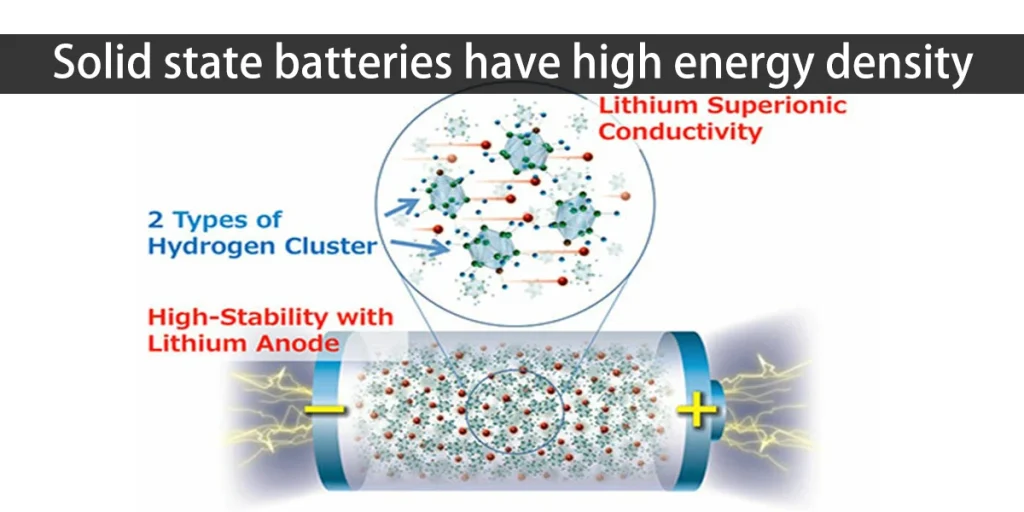
3. Small size: Traditional liquid batteries require the use of separators and electrolytes, which occupy nearly 40% of the battery’s volume and 25% of its weight. Solid-state batteries use solid electrolytes to replace the separators and electrolytes of liquid batteries, reducing the distance between the cathode and anode to only a few to tens of micrometers, significantly reducing battery thickness. Therefore, for the same amount of power, the volume of solid-state batteries will be smaller.
Current status of solid-state battery research and development
Solid-state batteries are still in the research and development stage, with various technical routes centered around electrolyte materials not yet unified. In recent years, solid-state batteries have become a global research focus, but many key technical routes for solid-state batteries are still in the exploratory stage, showing a trend of diversified development.
In terms of technical routes, as the key core material for all-solid-state systems, electrolyte materials currently have three main technical routes: polymers, sulfides, and oxides.
In terms of technical route selection, Japanese and Korean companies mainly adopt the sulfide solid electrolyte technical route, while Chinese companies mainly adopt oxide and polymer technical routes. European and American companies show diversified choices. For example, the American battery company Solid Power, invested by BMW and Ford, mainly develops all-solid batteries based on sulfides, while another American battery company QuantumScape (QS) develops solid-state batteries based on the oxide route.
Scientific challenges faced by solid-state batteries
Despite unprecedented attention and intensive research on solid-state batteries, many technical challenges remain. Research on electrolyte materials for all-solid-state systems is still in the exploratory stage, and the technology is not yet mature, making large-scale commercialization difficult in the short term.
According to the content of electrolyte in the electrolyte, batteries can be divided into liquid, semi-solid (electrolyte content <10%), quasi-solid (electrolyte content <5%), and all-solid (no electrolyte) four categories. The latter three are usually collectively referred to as solid-state batteries. In terms of mass production feasibility, all-solid-state batteries may not be achievable overnight but require gradual iteration through “semi-solid—quasi-solid—all-solid.”
1. Technical maturity: From the perspective of solid-state battery technical paths, whether it is the currently most mature polymer route or the more promising sulfide route, technology and cost remain the core factors hindering the commercialization of solid-state batteries.
Solid-state battery technology is still in the transition stage from mature technology to industrialization, i.e., technology promotion and scale production verification stage. It is initially expected that by around 2025, solid-state battery technology will achieve commercialization and gradually move towards the next generation of lithium batteries.
2. Applicability: Compared with the existing liquid battery system, although the solid-state battery system has many unparalleled advantages, problems such as the low ionic conductivity of solid electrolytes, slow charging speed, poor solid-solid interface contact and stability, and electrolyte material sensitivity need to be addressed. Applicability still needs improvement.
3. Industrialization conditions are not yet mature: Compared with the existing mature liquid lithium battery technology, solid-state batteries require a huge overhaul of the already extremely complex lithium battery supply chain. On the one hand, the manufacturing process is complex and immature. Due to uncertain technical routes, the production process of solid-state batteries is difficult to mature like the existing ternary lithium batteries.
On the other hand, manufacturing costs are high. The manufacturing process of all-solid-state batteries is complex, and the production cost of solid-state batteries using solid electrolytes and other new technological materials is far higher than that of existing corresponding materials. The path to cost reduction is extremely arduous and long. Additionally, research on battery material systems shows a vast gap between laboratory results and commercial applications.
Currently, there are very few solid-state batteries that have undergone actual testing. With the existing process level and equipment capabilities, the yield of finished products cannot be guaranteed, far from reaching the stage of large-scale mass production.
Recommended measures
1. Cultivate typical application demonstrations and create an open ecosystem to accelerate product landing.
1.1. In the field of new energy vehicles, gradually pilot semi-solid batteries and quasi-solid batteries to lay a foundation for the transition to all-solid-state batteries. In the context of unclear technical routes for industrial development, focus on diversified technical routes for solid-state batteries and strive towards the commercialization of all-solid-state batteries to maintain the leading position and sustainable development of China’s power battery industry.
1.2. Optimize supporting industries such as power management systems and power electronic devices around solid-state batteries to create a complete industry chain. Survey and sort out the current state of technology development in the industry chain, strengthen support and guidance, industry-academia-research cooperation, upstream and downstream cooperation, and market-oriented industry chain construction, forming a strong force for tackling key core technologies, and strengthening the construction of the entire industry chain to enhance the overall competitiveness of the industry.
1.3. Explore financial support methods for the first batch of first units (sets) to share risks for innovative pilot solid-state battery vehicle companies and increase their willingness. Actively promote deep integration of finance and industry, strengthen financial service guarantees for the solid-state battery field, and build a sound technology finance service system to better support the solid-state battery industry ecosystem.
2. Deepen openness and cooperation and strengthen industrial chain element support and coordination.
2.1. Establish an internal enterprise exchange mechanism and expand the openness and cooperation efforts. Encourage multiple global solid-state battery companies and research institutions to establish cooperative relationships, jointly carry out technical exchanges through technical training, observational learning, and seminars, and overcome the difficulties in solid-state battery development.
2.2. Integrate resources with industrial chain leaders to promote industrial chain coordination and enhance industrial chain maturity. Leverage the advantages of the new nationwide system, integrate innovation resources, accelerate the gathering of elements, and promote the deep integration of the industrial chain and innovation chain.
2.3. Formulate standards and improve testing and certification to establish uniform norms for the industry. China should quickly improve top-level design, standardize battery size, performance testing, and safety indicators, and guide and encourage enterprises to strengthen international exchange and cooperation in solid-state battery standards, participate in the international standards formulation process, and gradually build a comprehensive high-standard system to promote the rapid development of industrialization and commercialization applications.
Conclusion