...
A comprehensive guide to motorcycle helmets - materials and other considerations

A comprehensive guide to motorcycle helmets - materials and other considerations

In road traffic accidents, head injuries are one of the leading causes of death. To ensure the safety of riders, wearing a motorcycle helmet is an indispensable measure. This article will delve into why you should wear a motorcycle helmet, the different types of motorcycle helmets and their selection criteria, and how to choose the right helmet. Additionally, we will recommend several high-end motorcycle helmets to provide better protection for riding enthusiasts.

Table of Contents

Why wear a motorcycle helmet?

Head injuries account for a high proportion of fatalities in road traffic accidents. From a physiological and anatomical perspective, the head is where the central nervous system resides, making its protection crucial for life. Wearing a helmet while riding a motorcycle provides critical protection for the head in the event of a traffic accident. Motorcycle helmets can absorb much of the impact force, providing cushioning and shock absorption to prevent severe head injuries.

In motorcycle accidents, due to speed inertia, the head is often the first to hit and fall to the ground. The head is a vital and extremely fragile part of the body. If no safety precautions are taken, such as wearing a motorcycle helmet, the chances of injury and death are significantly higher compared to those who wear helmets. Studies show that more than 80% of motorcycle rider fatalities are due to head injuries from not wearing helmets.

Types of motorcycle helmets

Motorcycle helmets are mainly divided into full-face helmets, three-quarter helmets, and half helmets. When choosing, we should balance riding needs and safety.

Full-face helmets: These provide the most comprehensive protection, covering the entire head and chin, and offer the highest safety. They are suitable for high-speed riding and long-distance travel, effectively reducing wind noise and keeping warm. However, full-face helmets have relatively limited visibility, are heavier, harder to remove, not friendly for glasses, limit hearing traffic sounds, and can be hot in warm weather.
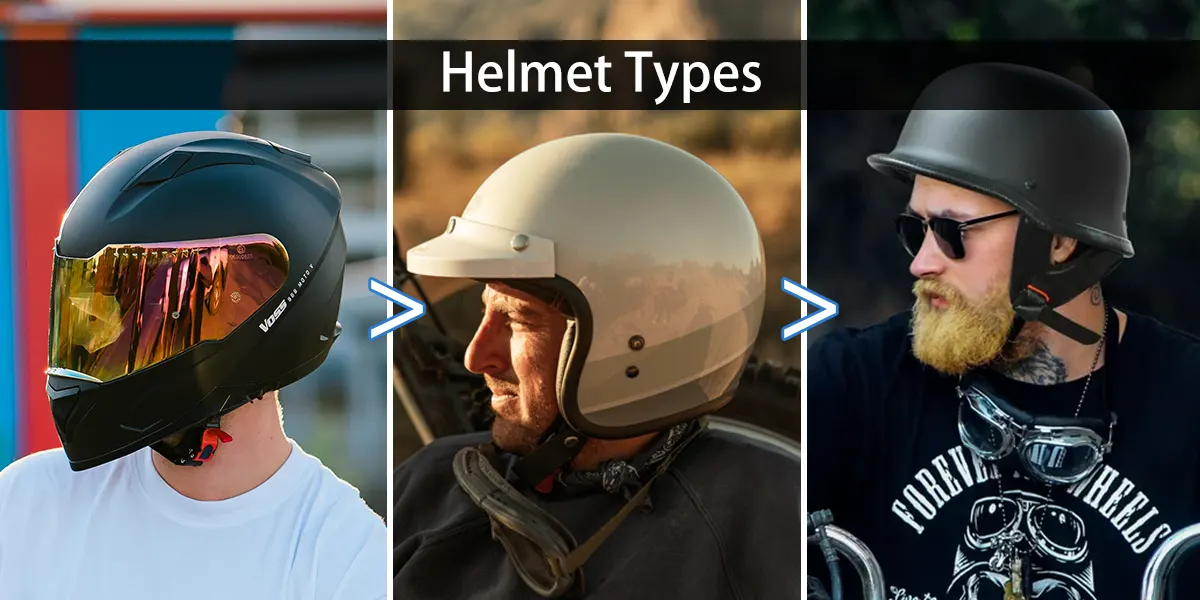
Helmet Types

Three-quarter helmets: These cover three-quarters of the head, leaving the chin exposed. They offer good visibility and ventilation, suitable for city riding and short trips. However, chin protection is relatively weak, requiring extra safety precautions.

Half helmets: These are the lightest, mainly protecting the top of the head. They are not suitable for high-speed or long-distance riding. Half helmets are lightweight, easy to carry, and very comfortable, especially in hot weather. However, they offer the least protection, cannot effectively protect the chin and back of the head, and have poor wind noise and warmth, unsuitable for high-speed riding.

Safety ranking: full-face helmets > three-quarter helmets > half helmets

Motorcycle helmet materials

The material of the motorcycle helmet directly affects its safety and comfort. Here are some common shell materials:

Carbon fiber: Lightweight and strong, carbon fiber helmets are the top choice for professional riders. However, they are relatively expensive.

Fiberglass: These motorcycle helmets balance strength and weight between carbon fiber and plastic, offering good value for money.
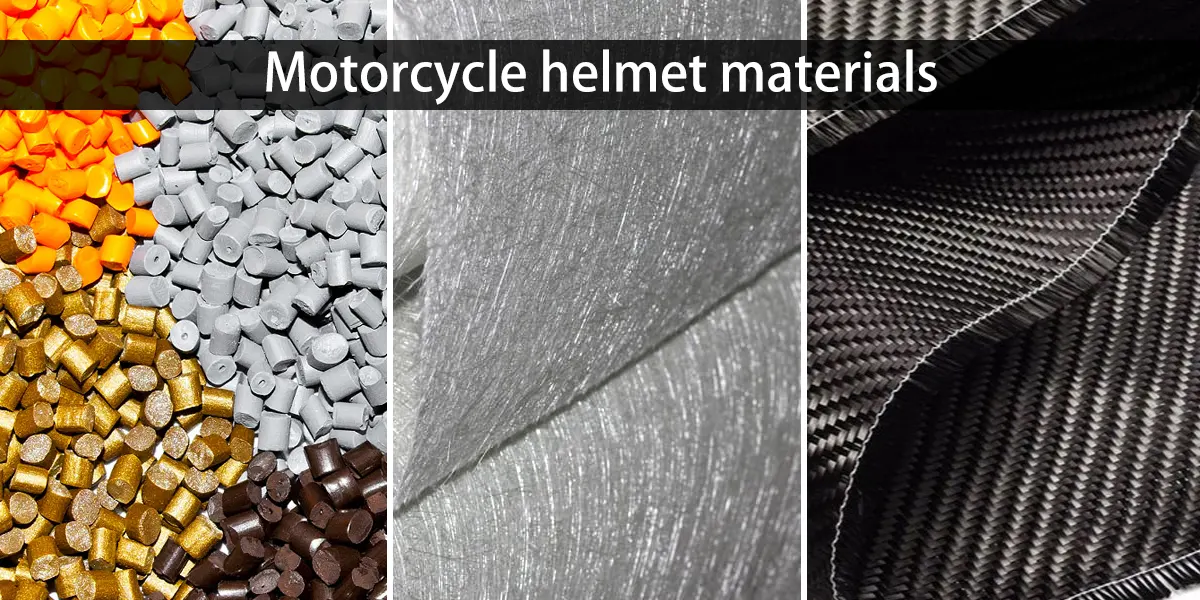
Motorcycle helmet materials

Plastic (e.g., ABS): Plastic helmets are affordable but heavier and less strong. They are suitable for beginners or budget-conscious riders.

Weight order: ABS > fiberglass > carbon fiber
Protection ability: ABS < fiberglass < carbon fiber

Motorcycle helmet colors and patterns

When choosing a helmet, color and pattern are important considerations. Bright colors and noticeable patterns can attract other drivers’ attention on the road, improving rider safety. Therefore, it is recommended to avoid choosing plain black motorcycle helmets.

Other considerations for motorcycle helmets

Safety certification: Ensure the selected helmet meets national safety certification standards such as DOT, ECE, or Snell.

1. DOT: Abbreviation for the United States Department of Transportation. Motorcycle helmets sold in the US must pass DOT certification (FMVSS No.218 applies to helmets). DOT is generally divided into three levels: A, B, and C, with C being the minimum standard.

2. ECE: Abbreviation for the Economic Commission of Europe. The code for motorcycle helmets is ECE R22/05. Helmets produced in some European countries will pass ECE certification. The EU certification standard does not include a puncture impact test, focusing instead on impact absorption.

3. Snell: Established in memory of racer William Pete Snell, the Snell Foundation emphasizes helmet safety standards. Snell certification for motorcycle helmets starts with “M” and updates its testing requirements every five years. The latest is the M2020 standard.

Proper fit: Helmets should fit snugly against the head without being too tight or uncomfortable. Try on multiple brands and models to find the best fit.

Goggle compatibility: If you plan to wear goggles while riding, ensure the helmet design accommodates them.

Ventilation and warmth: Choose motorcycle helmets with good ventilation or warmth according to the riding environment and season.

Clear hearing: Ensure you can hear and distinguish sounds from all directions clearly while wearing the motorcycle helmets. There should be no vibrations or other noise during riding.

Ventilation and comfort: The motorcycle helmet should have good ventilation and warmth devices, be dustproof, insect-proof, and waterproof.

Reflectivity and heat resistance: The motorcycle helmet should have good reflectivity and heat radiation resistance, with noticeable and bright colors.

Clear visors: Helmet visors should be clear, uncolored, flexible, and not easily broken to ensure the rider’s vision is not affected.

Four popular high-end motorcycle helmets

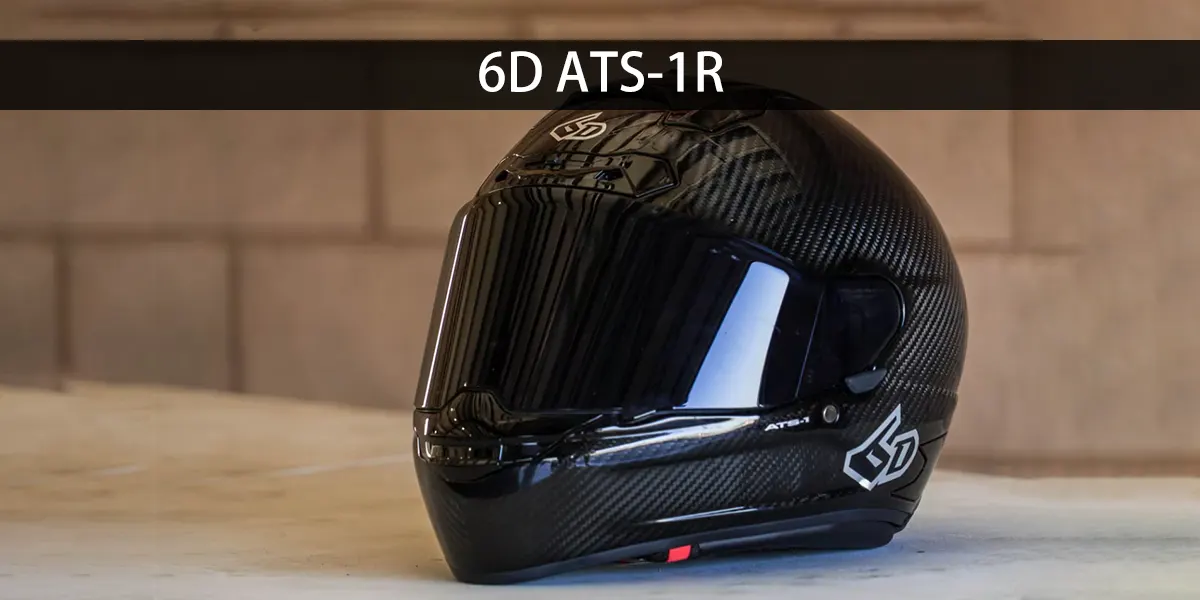
6D ATS-1R $695.00

6D ATS-1R helmet

6D is an American brand dedicated to helmet innovation, known in the off-road motorcycle and bicycle world. The ATS-1R is 6D’s latest street helmet, replacing the ATS-1. The difference between the ATS-1R and other helmets is the use of 6D’s “omni-directional suspension.”

This patented technology is a completely active helmet suspension and kinetic energy management system designed to separate the helmet’s outer shell from the internal EPS liner, effectively reducing energy transfer to the rider’s head and brain in any accident or impact. The ATS-1R is lighter than previous models and features an oval head shape for better fit.

Arai Corsair-X $764.95 – $881.95
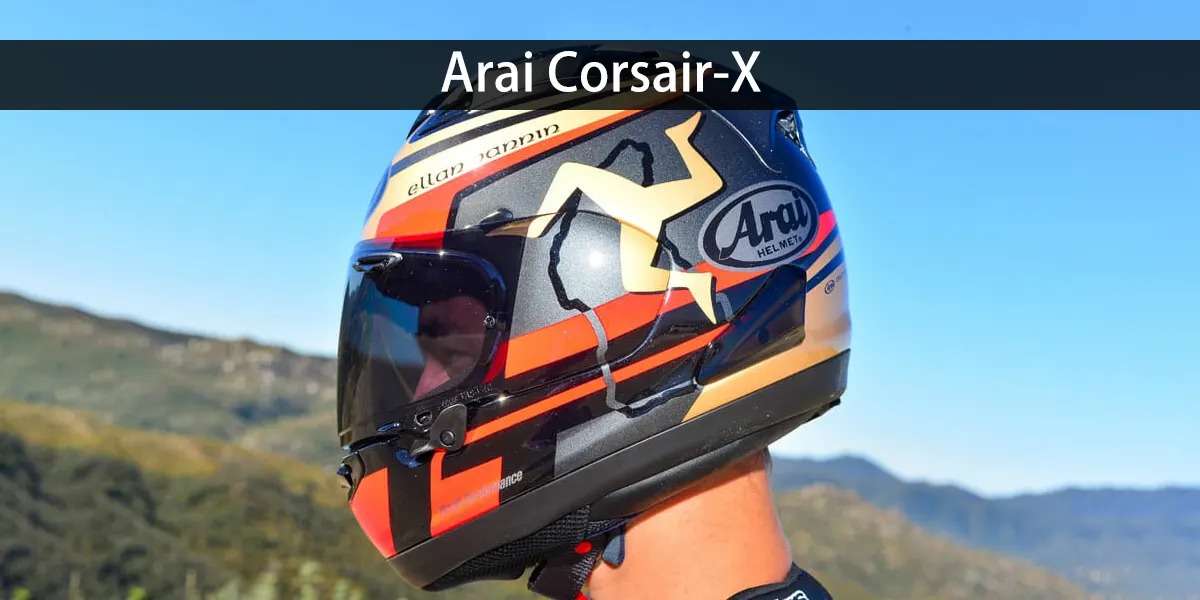
Arai Corsair-X helmet

The flagship helmet in the Arai lineup, the Corsair-X, like all top Arai motorcycle helmets, is built to the same safety standards. This means DOT and Snell certifications are just the beginning. Every Arai incorporates the R75 shape, meaning the helmet shell has a continuous curve radius of at least 75mm, enhancing energy dispersion and minimizing the chance of the helmet snagging on rough surfaces or obstacles, potentially introducing unnecessary rotational forces.

Each Arai motorcycle helmet is handmade by skilled technicians with years of training. Compared to other Arai models, the Corsair-X offers extensive ventilation with channels extending along the top, middle intake vents, forehead vents, and chin vents, directing air to the rider’s head.

AGV Pista GP R $1399.95
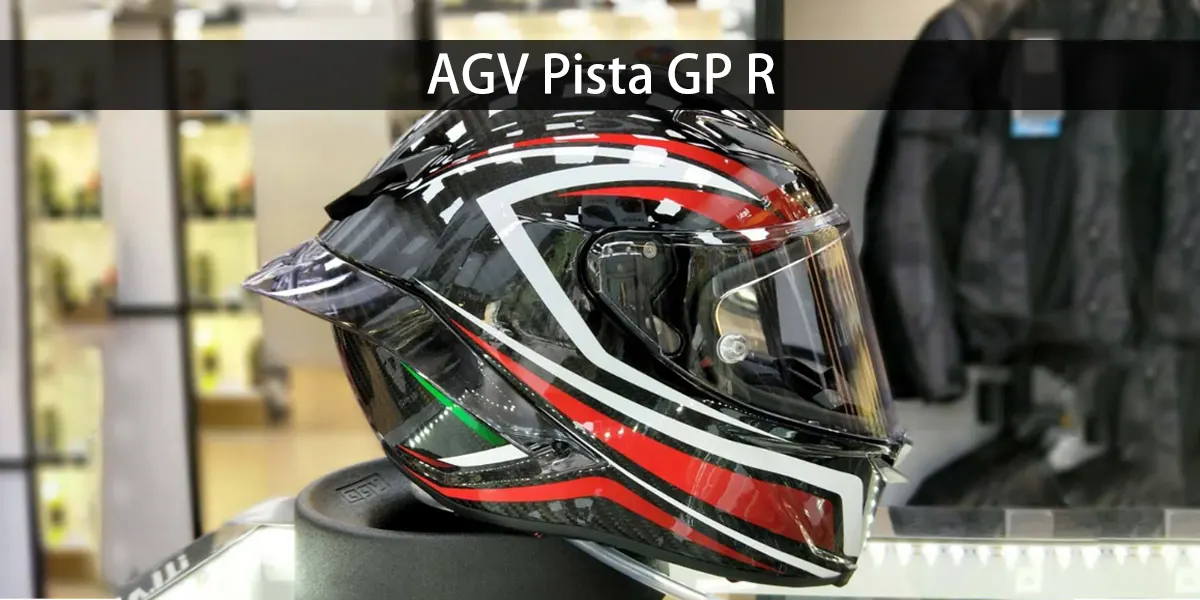
AGV Pista GP R helmet

The Pista GP R is AGV’s top sport motorcycle helmet, fully constructed from carbon fiber (not just an outer carbon layer), reducing weight. It features a dual-plane rear spoiler that reduces turbulence at the back of the rider’s head. With 190º horizontal and 85º vertical visibility, it offers an extensive field of view. Other details include metal top vents, slender chin vents to draw in more air, an improved internal deflection system to distribute air across more of the face, an upgraded recessed visor closure system for smoother operation and preventing accidental opening in a collision.

HJC RPHA 11 Pro $359.99 – $373.49

HJC RPHA 11 Pro helmet

The RPHA 11 is HJC’s flagship sport helmet, with a medium oval shape. Compared to the RPHA 10, it offers higher aerodynamic performance. The composite shell has numerous vents, including two top vents, forehead vents, and chin vents. The visor can be easily changed without tools, and the front locking mechanism ensures a secure fit.

The moisture-wicking antimicrobial liner keeps you cool and fresh, and quick-release cheek pads make it easier for first responders to remove the motorcycle helmet. The larger viewport provides a clear line of sight, and the RPHA 11 is DOT and ECE certified, available in sizes XS to 2XL.


Conclusion

Wearing a helmet is not only a legal requirement but also a responsibility for your safety. By choosing the right type, material, and design of the motorcycle helmet, you can significantly reduce the risk of head injuries in traffic accidents. Whether it is a full-face helmet, three-quarter helmet, or half helmet, each type has its unique advantages and applicable scenarios. When choosing a helmet, focus on both safety and comfort, ensuring each ride is safe and secure.
Related posts
tycorun logo

TYCORUN ENERGY

We offer lithium ion battery products, solutions, and services across the entire energy value chain. We support our customers on their way to a more sustainable future.

Products

Recent Posts

Hot Posts

Contact Form Demo (#3)
Scroll to Top

Request A Quote

Email:info@takomabattery.com