Skip to content
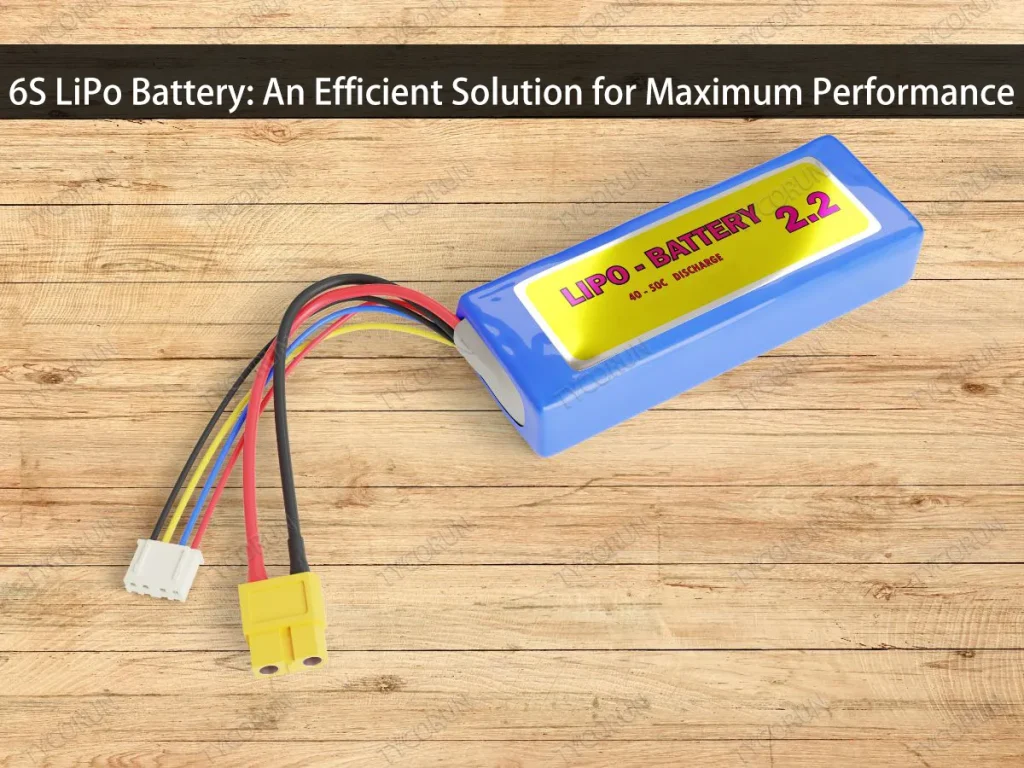
6S LiPo Battery: An Efficient Solution for Maximum Performance
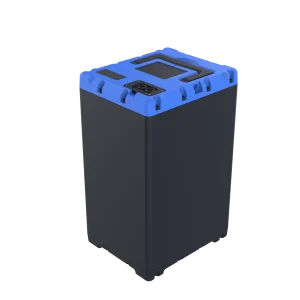
In many modern devices that require great power and rapid response-such as portable electrical systems, to field test devices- 6S LiPo battery is being used more frequently. The combination of high voltage and light weight while remaining efficient makes it the ideal solution to support performance without sacrificing flexibility.
However, this type of battery cannot be treated indiscriminately. Misuse can impair performance, even safety. 6S LiPo battery is not just a common components-the use and treatment requires technical understanding in order to remain safe and lasting in the long run. Therefore, it is important to understand the characteristics of 6S LiPo battery, the strengths, and how to maintain to last and function optimally.
This article will thoroughly review the 6S LiPo battery: why it is worth being selected for high-powered systems, how to choose and use it wisely, and important steps to keep its performance optimized.


What Is a 6S LiPo Battery?
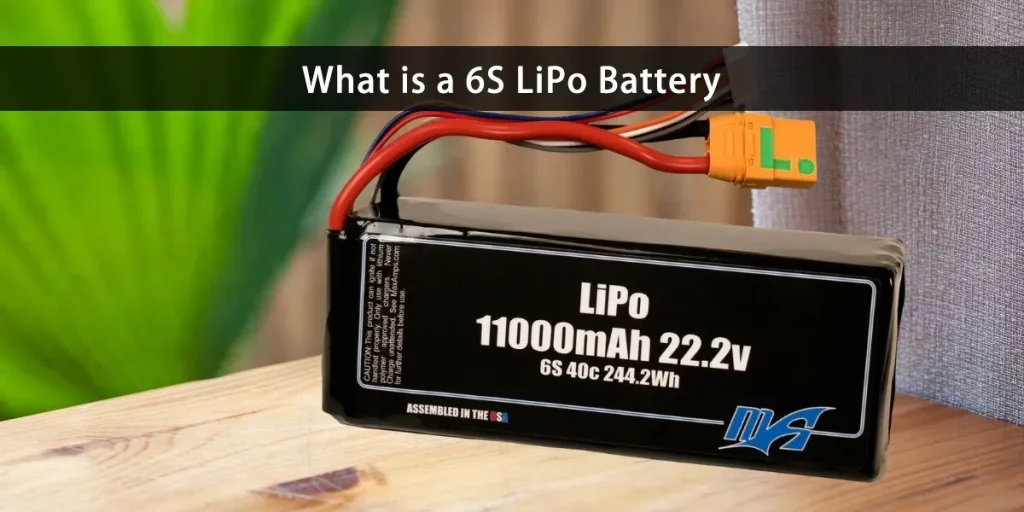
Advantages of 6S LiPo Battery
- The battery provides a broader tuning room, such as the throttle, PID, and gir configuration settings, so that the system can be adjusted to specific needs.
- It provides a more consistent performance from beginning to end in usage, with no noticeable decrease in power amid usage.
- 6S LiPo battery is able to support additional electronic loads such as cameras, GPS, and telemetry systems without significantly overloading the main resources.
- It is supported by a broader component ecosystem, since many high-end devices are designed to work optimally at voltage 6s.
- The charging tends to be more precise and consistent due to advanced chargers built to handle 6-cell batteries
Applications of 6S LiPo Battery

How to Choose the Right 6S LiPo Battery
- Watch battery capacity (MAH) for the desired length of usage, but do not forget the weight on the device’s performance.
- Select appropriate c-rate batteries, especially for high-performance applications to satisfy needed currents without compromising security.
- Keep your physical size and battery weight compatible with space and the device’s ability to maintain balance and convenience of use.
- Adjust battery connector to a device system for installation to be easy and safe.
- Prioritize a reputable brand to avoid risks of damage, leak, or security issues.
- Read another user’s commentary as an additional reference before deciding purchase.
Taking these factors into account will help you select a 6S LiPo battery that delivers strong performance while maintaining safety and longevity, maximizing your device’s efficiency.
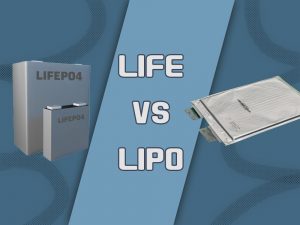
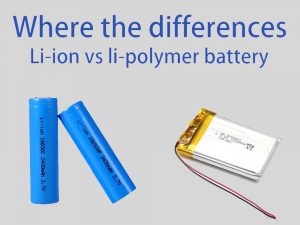
Comparison: 6S vs 6S Cylindrical battery
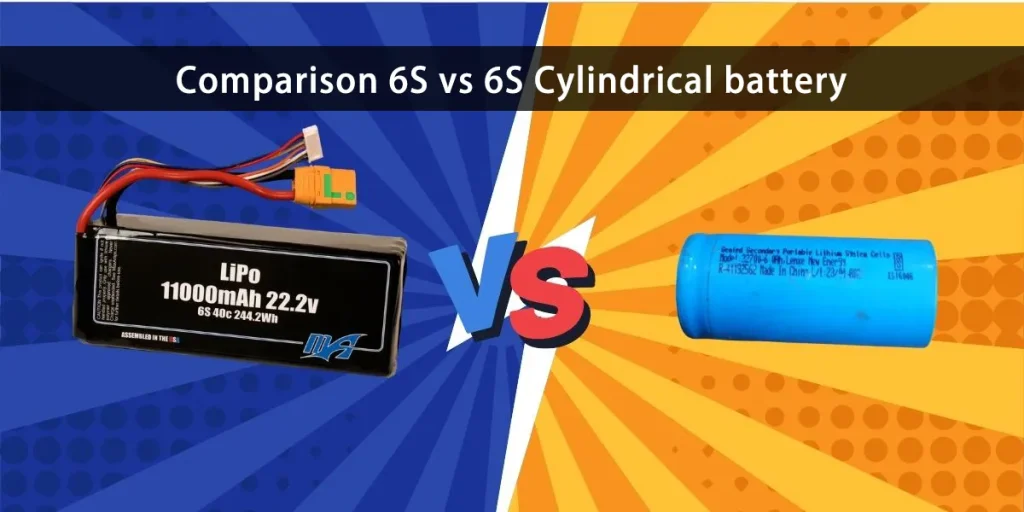
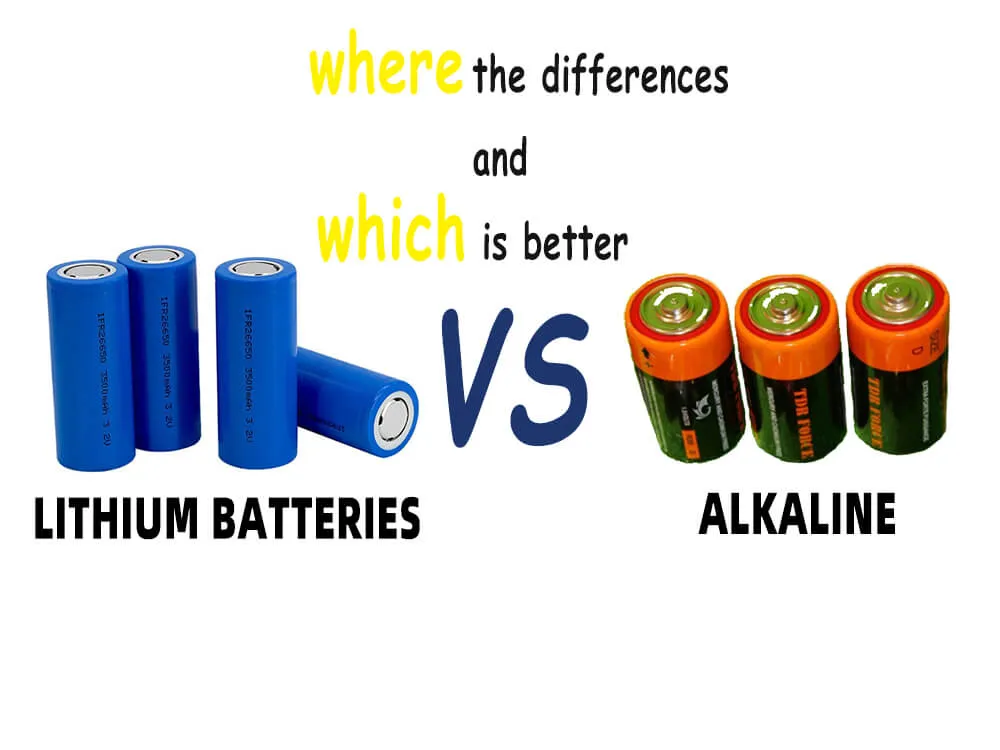
In terms of performance, 6 LiPo batteries are able to provide high currents with a rapid response, ideal for high-performance applications. Cylindered batteries, besides excelling in charging stability and longer life cycles, also usually offer more consistent energy capacity and better security in long-term use. However, its larger shapes and weight make it less practical for devices that favor space and weight efficiency.
Overall, both 6S LiPo batteries and cylinder have a distinct advantage that can be adjusted to the type of device and the needs of the user. Understanding these differences will help you to make the best choice possible, to achieve maximum performance while at the same time maintaining safety and battery longevity.
You can also read this article for more insight:
Best Practices to Extend 6S LiPo Battery Life
- Avoid overcharging battery. Use the right charger and make sure the charge stops when the battery reaches maximum voltage (normally 4.2v per cell). Overcharging can damage battery cells and cut into life throes.
- Avoid total annihilation. Do not let batteries run out until they are extremely low in voltage (usually below 3.0v per cell) because they can cause permanent damage.
- Store the batteries with the right voltage storage. If it will not be used for long, store batteries at voltage about 3.8-3. 85v per cell to maintain cell health.
Use the balancing charger. A balancing charger ensures that each cell in the battery remains balanced, preventing voltage disparities that could damage the battery.
Maintain proper battery temperature. Avoid using or charging the battery in extreme temperatures (too hot or too cold), as this can affect both the battery’s performance and lifespan.
Examine and maintain regularly. Check the physical condition of batteries periodically, avoid violent bumps, and do not use visible or damaged batteries.
By following these best practices, the 6S LiPo battery will remain durable, safe, and keep your optimal performance over the years.
Conclusion
In conclusion, 6S LiPo battery is a popular choice for applications that require high power and light weight, such as drones, RC, and small electric vehicles. Its strengths lie in the ability to deliver a large current with a quick response and design flexibility that make installation easier. However, there is also the cylindrical battery option 6S that offers better physical endurance and heat management, suitable for high-security and long-term use.
Selecting the right 6S battery should consider capacity, c-rate rating, size, connectors, and brands’ reputation to ensure optimal performance and safety. In addition, maintaining batteries well through proper recharging, storage at an ideal voltage, and regular checkups will extend life while keeping users safe.
By understanding the characteristics, strengths, and treatments of 6S LiPo battery, you can maximize the performance of the device while minimizing the risk of damage.
FAQS
What happens if a lipo battery dies?
If lipo's battery dies completely, cells can be permanently damaged and can no longer be used.
Why do LiPo batteries drain quickly?
Because the lipo delivers a large current, it quickly runs out in intensive use.
Why is lipo so expensive?
Because it uses high-quality materials and is designed for maximum performance.