Skip to content
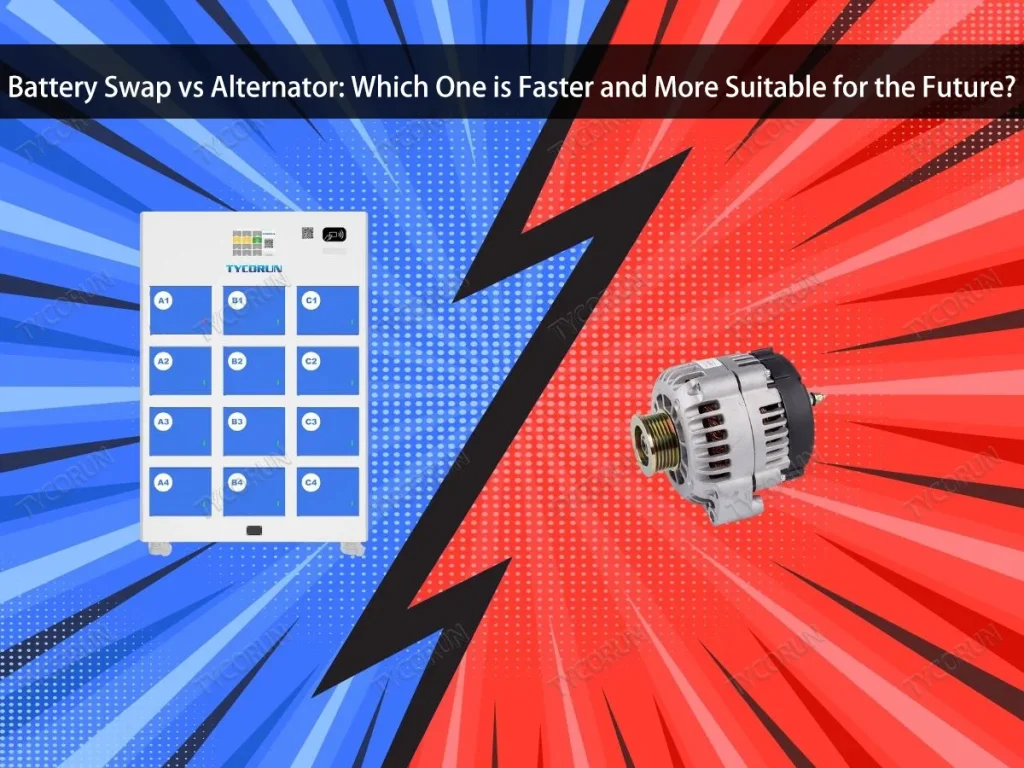
Battery Swap vs Alternator: Which One is Faster and More Suitable for the Future?
One of the key factors affecting a vehicle’s performance in the vehicle sector is its electrical system. The terms alternator and battery swap are used a lot. Although having something to do with power sources, they serve quite diverse purposes. It has long been known that the main component of conventional cars that recharges batteries while the engine is running is the alternator. In meanwhile, battery swapping has become an innovative concept in the age of electric cars, providing a useful method of “recharging” power by basically swapping out an empty battery with one that is fully charged.
What are the exact differences between the two, one might wonder? Which one is more relevant to the transportation demands of the present and the future? Battery swap vs alternator will be clearly compared in this article, together with their functions, advantages, disadvantages, and potential to aid in the advancement in modern vehicles.


What Are Battery Swap and Alternator?
It is important to understand what an alternator and battery swap are before comparing the two. Although having a connection to a vehicle’s electrical system, they are utilized in very different situations. Alternators are essential parts of traditional gasoline or diesel-powered vehicle, whereas battery swaps are closely related with electric vehicles.
Battery swap
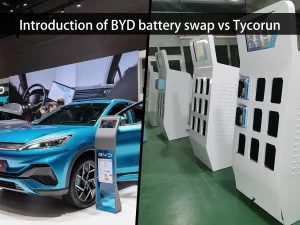
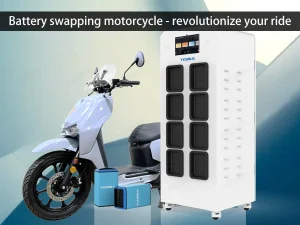
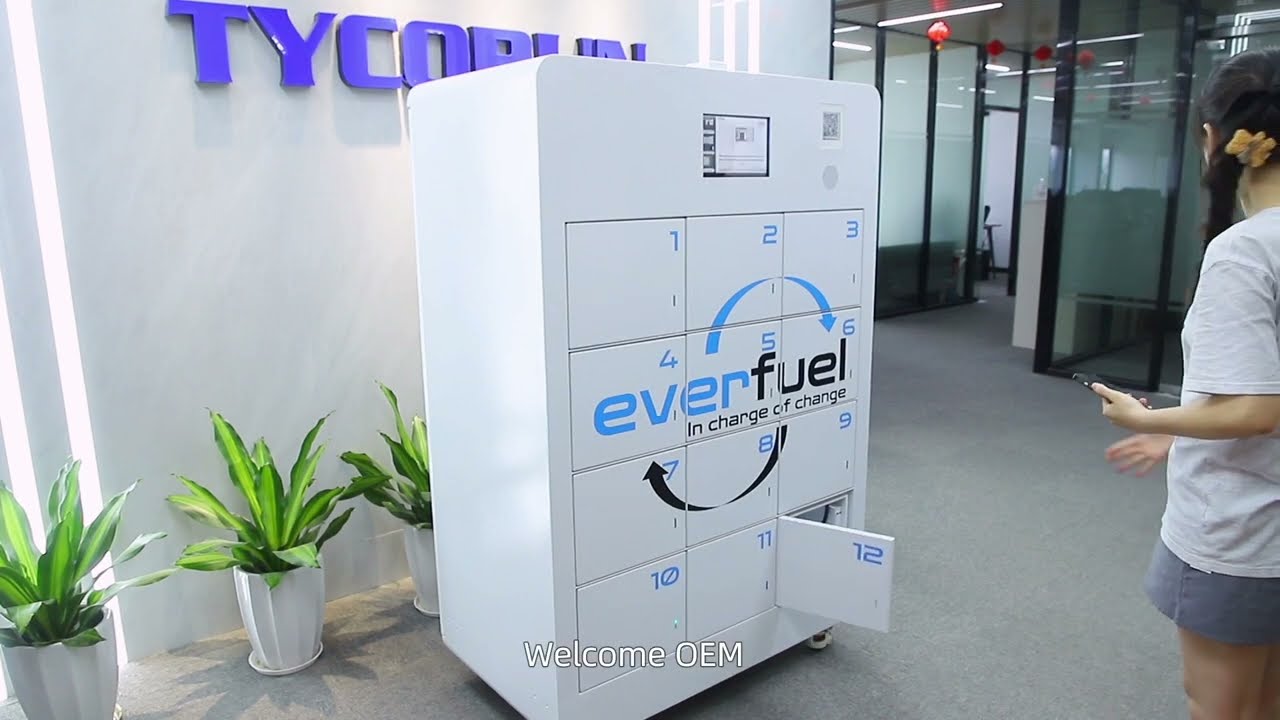
The process of swapping out empty batteries for fully charged ones is known as battery swapping, and it is used in electric vehicles. This procedure often happens at specialized stations that provide either manual or automated services. Though the battery is being replaced, the idea is comparable to refuelling. By using this technique, drivers can resume their journey in a matter of minutes rather than having to wait a lengthy time for their vehicles to recharge.
You can also read this article for more insight:
Alternator
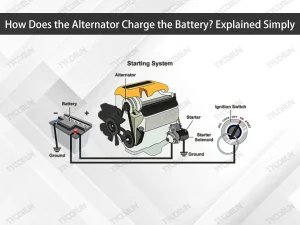
Meanwhile, the alternator is an important component of traditional cars that run on gasoline or diesel. Its primary function is to recharge the battery by transforming the engine’s mechanical energy into electrical energy. While driving, the alternator makes sure that the car’s electrical systems-such as the radio, air conditioning, and lights-remain operational. The battery will quickly run out and the car won’t be able to function correctly without an alternator.
Battery Swap vs Alternator: Key Differences
Battery swap vs alternator is often discussed as two equally significant components of vehicle electrical systems, but in practice, they are two different entities. Alternator is traditional parts of conventional vehicles, while battery swap is made especially for electric vehicles.
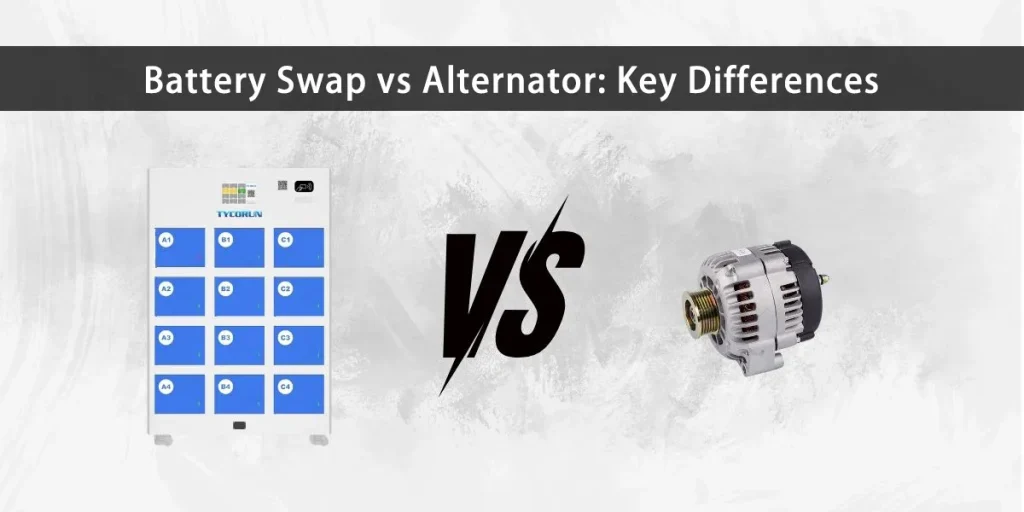
The main differences can be seen from several aspects:
- Main function: while alternator is responsible for recharging battery using energy from combustion engines, battery swap concentrates on quickly replacing the battery in electric vehicle.
- Vehicle type: electric vehicle that run only on electricity use battery swaps, while vehicle that run on gasoline or diesel have alternator.
- Energy charging speed: battery swap enables “recharging” happen instantly in a few minutes. While the vehicle is operating, alternator charge gradually.
- Relevance to the future: while alternator is still required in traditional vehicles, battery changing provides a more contemporary and useful option for the era of electric vehicles.
In other hand, while alternator is important for vehicles those run on fossil fuels, battery swap is offering a more accurate view of where transportation technology is going.
You can also read these artciles for more insight:
How Do Battery Swap and Alternator work?
Battery swap vs alternator operates quite differently, although the fact that both are connected to vehicle energy sources. We can see why battery swaps are seen to be more appropriate for current vehicle needs if we comprehend the mechanisms.
- Battery swap
A specialized station is used to carry out the battery swap procedure. The driver of an electric vehicle only has to go to the swap station when the battery is nearly dead so that a fresh, fully charged battery can be installed in its place. It only takes a few minutes to complete. The trip can go on uninterrupted because to this technology, which makes charging far more convenient than waiting for a standard charge.
- Alternator
An alternator operates by using the spinning of the combustion engine. For recharging the battery, the engine’s mechanical energy is transformed into electrical energy. The alternator maintains the battery charged while the vehicle is running, enabling electrical systems like the lights, air conditioning, and music to work. However, for fully electric vehicles, this process is meaningless because it needs fuel and can only take place when the engine is operating.
When comparing these two techniques, it is clear that while alternator work well for vehicles that run on fossil fuels, battery swap is more appropriate for electric vehicles, which place a higher priority on speed and efficiency.
Pros and Cons of Battery Swap and Alternator

- Battery swap
Pro: since changing a battery just takes a few minutes, battery swapping offers speed and convenience. Additionally, because it facilitates the switch to clean energy, this method is more environmentally friendly, saves lower travel time, and has the potential to become standardized, which could facilitate electric vehicle adoption as the infrastructure advances.Con: the lack of proper infrastructure, variations in battery standards across manufacturers, and the high upfront costs associated with establishing a network of swap stations are the main barriers to battery switching.
- Alternator
Pro: Since alternators are found in practically all conventional cars, they have shown reliability. These parts can keep the battery charged while the engine is running, allowing the vehicle’s electrical system to continue operating. They are also quite easy to maintain.Con: Alternators’ main weakness is their reliance on internal combustion engines, which makes them inappropriate for use in electric vehicles. Furthermore, charging is slow compared to battery swap techniques, and the technology is thought to be less applicable to future mobility needs.
Which is faster, battery swap or alternator?
The speed at which energy is charged is an intriguing contrast between battery swap vs alternator. The two are clearly different in this case.
The purpose of battery swaps is to maximize time efficiency. Just show up to the station, take out the empty battery, and swap it out with a fully charged one; the procedure just takes a few minutes. Following that, there is no lengthy wait before the vehicle can be use once more. This is a really useful solution for people that use electric vehicles and have a lot of mobility.
Alternators, on the other hand, function by gradually recharging the battery while the engine of the vehicle is operating. Because the power input depends on engine speed, this process is not instantaneous. Although alternators work well for conventional vehicles, they are obviously unable to match the speed at which batteries can be changed to get back the vehicle’s energy.
Alternators are still restricted to the slow charging method used in fossil fuel-powered engines, but battery swapping is significantly faster because it removes waiting time.
Which One Fits the Future of Mobility?
We can see that battery swap vs alternator operates in different eras in history. Because they keep the battery charged while the engine is operating, alternators are still useful in fossil fuel vehicles. Nonetheless, as the world’s automobile industry shifts to electric vehicles, quicker and better charging methods are needed.
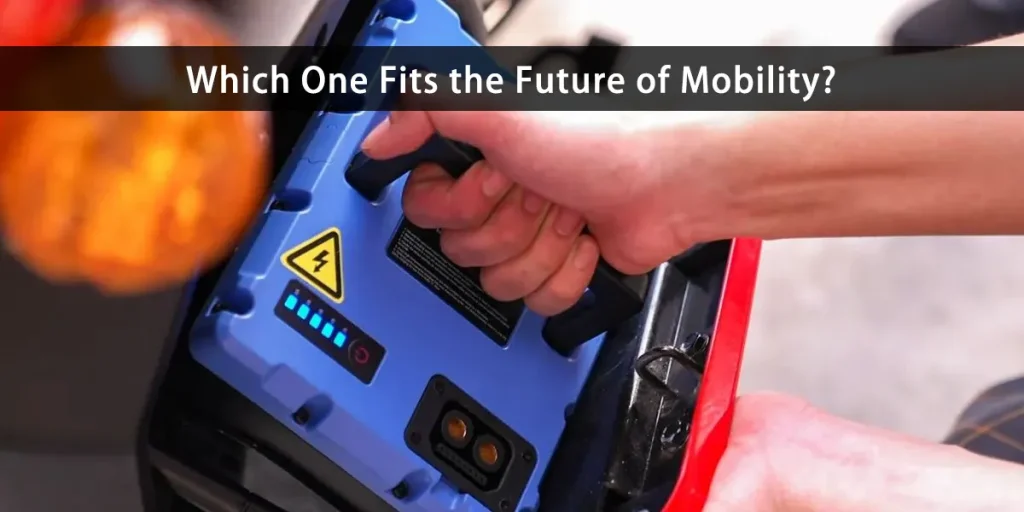
Battery swaps provide a solution to this problem. Long charging times are no longer an issue for owners of electric vehicles because to a quick battery interchange mechanism. Furthermore, this idea promotes the switch to clean energy, which is a top priority in many nations.
To show how committed they are to integrating this technology into the transportation of the future, a number of significant manufacturers have even started investing in the construction of a network of swap stations.
In short, alternators will continue to be used in traditional vehicles, but for the growing electric vehicle market, battery swapping is clearly more in line with modern transportation trends.
Conclusion
In conclusion, battery swap vs alternator is two technologies that complement one another rather than replacing one another. Because they keep the battery charged while the engine is running, alternators will remain crucial in cars that rely on fossil fuels.
However, battery swap has become a contemporary solution that is quicker, more useful, and helps in the switch to clean energy as the vehicle sector moves toward electric vehicles.
In other words, while alternators are still useful for traditional cars today, battery swap is obviously more in line with the demands of sustainability and economy for all-electric vehicles in the future.
FAQS
Why is battery swapping considered the solution of the future?
it offers faster "refuelling" times (under five minutes), reduces the upfront cost of electric vehicles through a Battery-as-a-Service model, and provides guaranteed battery health and maintenance
Which is more energy efficient?
When comparing battery swap vs alternator, battery swaps are more efficient because they can use renewable energy and do not depend on fossil fuels.
Will alternators still be used in the future?
Alternators are still used in fossil fuel-powered vehicles, but when it comes to battery swap vs alternator, the future of mobility is leaning more towards battery swaps for electric vehicles