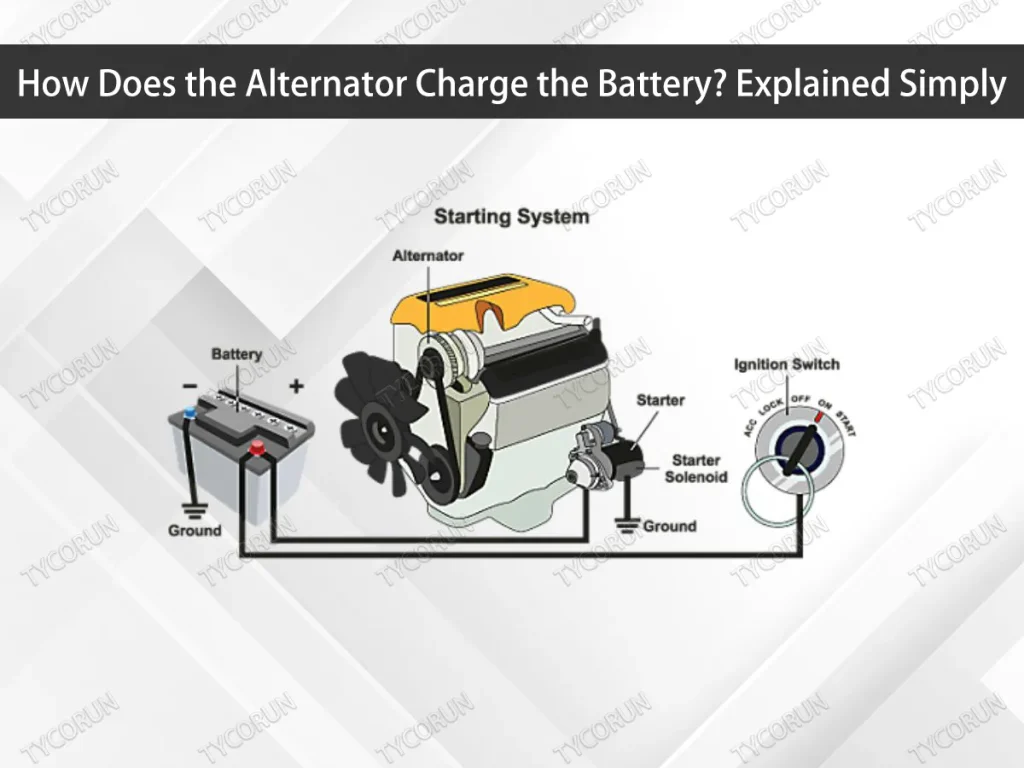
How Does the Alternator Charge the Battery? Explained Simply
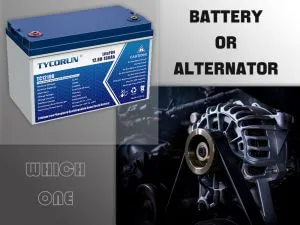
Although batteries are the main power source for starting vehicle engines, they are not the only source of electricity. The alternator is a crucial component that continuously ensures electrical power is available.
Many people are aware that the alternator is connected to the battery, but they do not fully understand how it works; therefore, the question ‘how does the alternator charge the battery?’ often arises. Actually, the alternator transforms the engine’s mechanical energy into electrical energy that powers the car’s electrical systems and recharges the battery.
Vehicle owners who understand this process will be better equipped to identify early signs of alternator failure and appreciate the importance of alternator maintenance
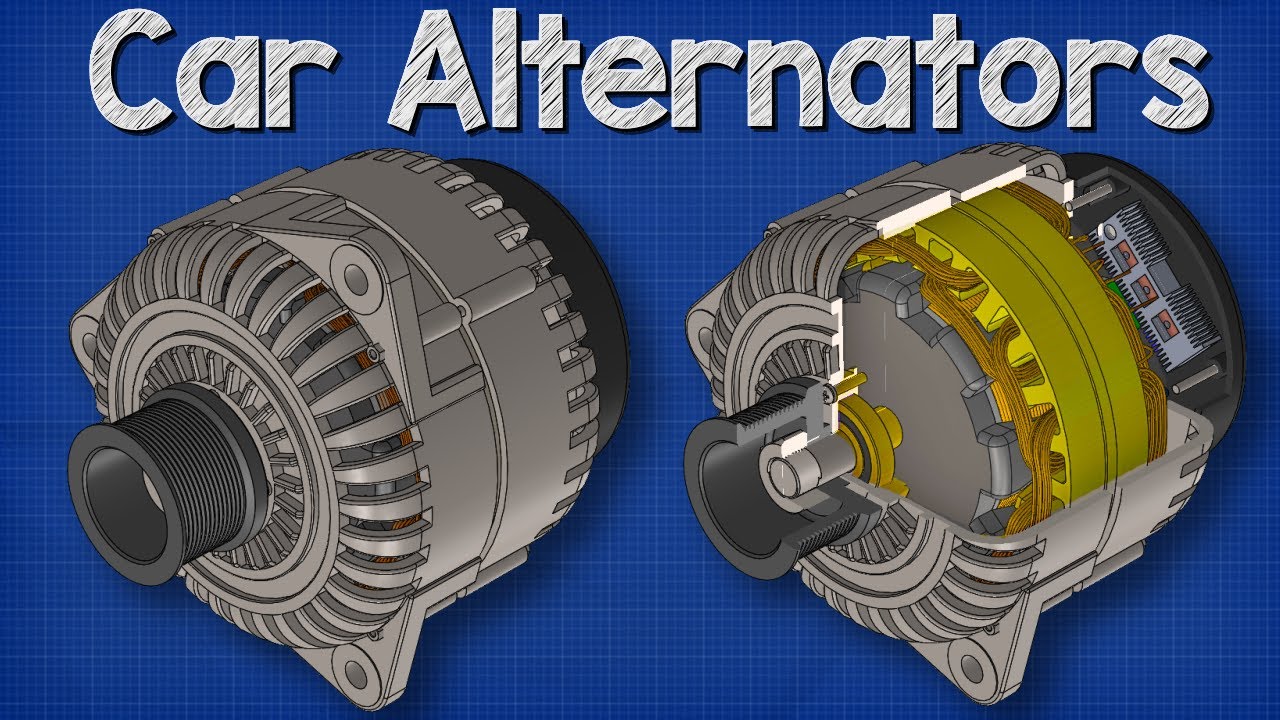

What Is an Alternator?
Before knowing the answer of ‘how does the alternator charges the battery?’, it is critical to understand the actual function of an alternator. An alternator is an essential part of the electrical system of a vehicle. In order to keep the battery charged and provide steady power to all of the car’s electrical devices, including the lights, radio, and air conditioner, it mostly produces energy while the engine is running.

The alternator continuously creates energy, in contrast to the battery’s ability to store it. When the engine is running, the alternator becomes the vehicle’s actual power source. Without it, the battery would drain rapidly, making it impossible for the vehicle to run for extended periods of time.
How Does the Alternator Work?
To comprehend the answer of ‘how does the alternator charge the battery?’, we must first examine its operation in detail. The alternator converts the engine’s mechanical energy into electrical energy that the vehicle’s electrical systems can use and store in the battery. To put it simply, this is the procedure:
- When the engine starts, the drive belt (also known as the serpentine belt) rotates the alternator rotor.
- A magnetic field is produced inside the stator by the rotating rotor.
- The stator windings produce alternating current (AC) power as a result of this movement.
- The alternator’s internal converter transforms AC into DC, which is suitable for battery charging.
- By keeping the output within a safe range, the voltage regulator keeps the battery from being overcharged or undercharged.
In summary, as long as the engine is running, the alternator will continuously generate power. All of the car’s electrical systems are then powered by that electricity, which is then controlled and directed to the battery to maintain its charge.
How does the Alternator Charge the Battery?

First, the alternator spins through the drive belt when the engine starts. Electrical energy is produced by this movement.
Then, the generated electricity is transformed from alternating current (AC) to direct current (DC) by the alternator’s rectifier, making it suitable for charging a vehicle battery.
Next, the voltage regulator regulates the electrical flow to maintain a safe voltage range of 13.5 to 14.7 volts. By doing this, overcharging or undercharging is avoided.
Lastly, the battery receives the DC power, which restores the energy needed to start the vehicle and keeps it ready for the next ignition.
In addition, the alternator provides direct power to the vehicle’s electrical systems, reducing the need for the battery to provide all of the energy while driving.
Can an Alternator Charge a Lithium Battery?
The conventional 12V lead acid battery present in the majority of cars is usually often mentioned when we talk about how does the alternator charge the battery? These batteries are made to function with the alternator’s charging pattern, in which the voltage regulator maintains a safe charge level. However, lithium batteries function in a different way. They are far less tolerant of overcharging and need more precise control over voltage and current. They may overheat or have a shorter battery life if you connect them straight to an alternator.
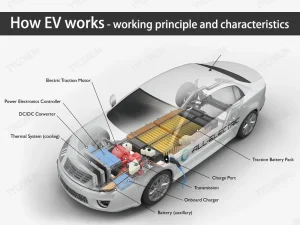
It is typically necessary to use a battery management system or a DC-DC charger to safely charge lithium batteries via an alternator. To ensure that the lithium battery receives the proper charging profile, these components control the alternator’s output. For this reason, alternators are no longer used in most modern electric vehicles. Instead, their lithium batteries are charged through regenerative braking and onboard charging systems.
Alternator vs Battery Swap Systems
Usually when talking about how does the alternator charge the battery?, traditional cars with internal combustion engines are mentioned. While the engine is running in these cars, the alternator continuously recharges the battery. For vehicles that use a 12V lead-acid battery to power electrical systems and start the engine, this setup performs well.

The situation is different in the field of electric vehicles, though. Alternators are not used by electric vehicles. Rather, they use external charging stations to charge high-capacity lithium battery. A battery swap system, in which a fully charged battery is simply used to replace a drained one, has gained popularity in some countries.
The difference is clear;
- The alternator system allows the engine to continuously charge while you drive.
- With the battery swap technology, the entire battery pack may be quickly replaced without the need for an alternator.
While maintaining a vehicle’s power is the goal of both systems, they take somewhat different approaches. Battery swap systems are an innovative solution for modern electric mobility, whereas alternators remain essential for conventional vehicles.
You can also read this article for more insight:
battery swapping connector
battery swap station
battery swapping motorcycle
Signs of a Failing Alternator
Understanding how the alternator charges the battery is helpful, but it’s as important to know when the alternator isn’t functioning properly. You may be left stranded with a dead battery due to a weak or failed alternator. The following are the most typical warning indicators:
- The dashboard’s warning light for the battery: this indicator, which is typically shaped like a battery symbol, shows that the charging mechanism isn’t functioning properly.
- Dim or flickering headlights: since the electrical system is powered by an alternator, lights that suddenly become less bright are a dead giveaway.
- Weak or dead battery: the alternator may not be charging the battery if it continues to die even after being replaced.
- Weird noises: grinding or whining sounds may be caused by a loose belt or a failed alternator bearing.
- Electrical issues: the air conditioner, radio, or power windows may not operate consistently.
Early detection of these symptoms can help avoid more serious issues, such as a dead battery or an unresponsive vehicle.
Conclusion
People can better appreciate the importance of the alternator by understanding the question ‘how does the alternator charge the battery?’. In addition to recharging the battery, the alternator provides consistent power to all of the car’s electrical systems when the engine is operating. Without it, the vehicle wouldn’t start or run correctly since the battery would quickly run out of energy.
Modern electric vehicles employ various charging techniques, such as onboard chargers and regenerative braking, because lithium batteries require more precise regulation than traditional lead-acid batteries, which are fully compatible with alternators. However, to guarantee reliability and avoid unplanned breakdowns, frequent alternator maintenance and early warning sign detection are crucial for conventional vehicles.
FAQS
Why Alternator Charging Is Important
It provides the continuous power needed for a vehicle's electrical systems, such as lights and the radio, and recharges the battery so the engine can start and the vehicle can run.
Can I charge a battery directly from an alternator?
No, you should not charge a battery directly from an alternator, as it can lead to inefficient charging, potential battery damage, and can even overload the alternator itself
Does an alternator charge a battery to 100%?
No, an alternator does not typically charge a car battery to 100%