Skip to content
CATL and Solaris reach cooperation
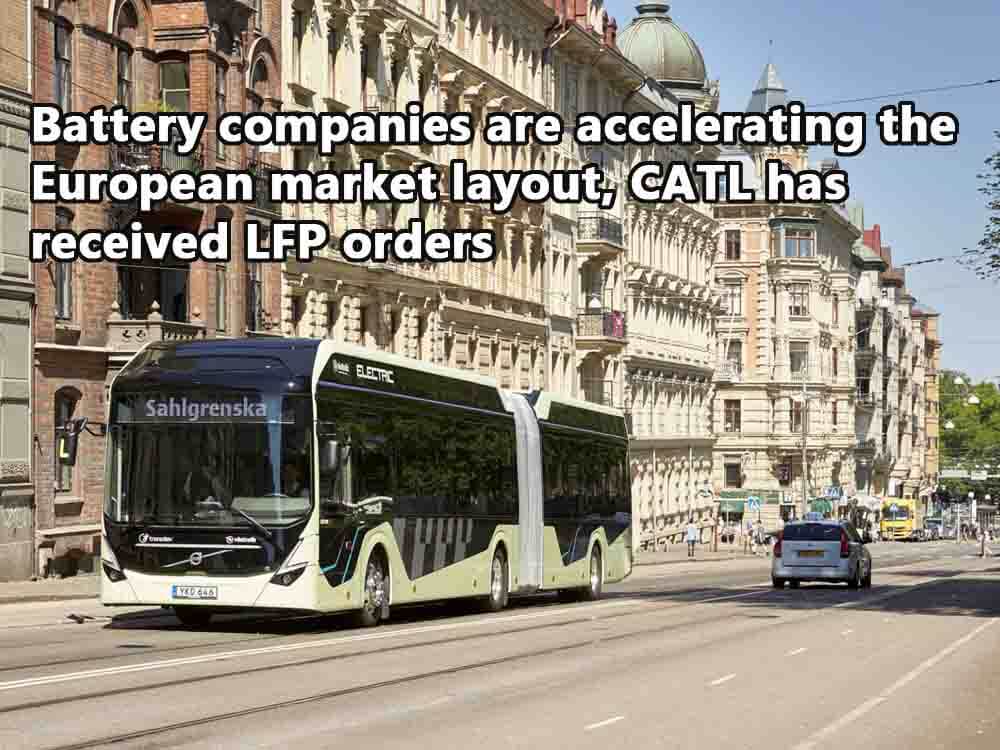
On May 25, CATL officially announced that it has reached a cooperation with Solaris, a leading European electric bus company, to jointly facilitate the electrification of urban transportation in Europe.
CATL as one of TOP 10 lithium iron phosphate power battery manufacturers will provide lithium iron phosphate batteries with high-efficiency pack (CTP) technology for Solaris bus products, promote electric bus battery, and contribute to reducing carbon emissions and air pollution in Europe.
Solaris is a large bus manufacturer in Poland and one of Europe’s leading manufacturers of buses and trolleybuses. Its bus products are supplied to bus operating companies around the world.

In 2021, Solaris is No. 1 in the European zero-emission bus market. Up to now, it has manufactured more than 22,000 vehicles, providing urban transportation services to hundreds of cities in Europe.
In March of this year, Dortmunder Stadtwerke AG, the public transport operator in Dortmund, signed an agreement with Solaris Bus&Coach to purchase 30 Urbino 18 electric buses, which it plans to replace the older diesel-powered Solaris buses in order to reduce environmental pollution and noise.
CATL said that on the one hand, this cooperation will help Solaris to further expand its product range with new battery solutions;
On the other hand, it can accelerate the penetration of the European market and further improve the global layout of its commercial business.
Second, CATL obtained the world’s first ECE R100.03 power battery system certificate issued by the German Ministry of Transport.
Being the first to obtain the certificate means that the Economic Commission for Europe highly recognizes CATL’s quality-first safety concept and battery system capabilities, and also lays a solid foundation for its entry into the European market.
Advantages of lithium iron phosphate batteries
Thanks to the long life and high thermal stability of the Ningde era lithium iron phosphate battery system, the Solaris electric bus will show significant advantages in safety and temperature adaptability.
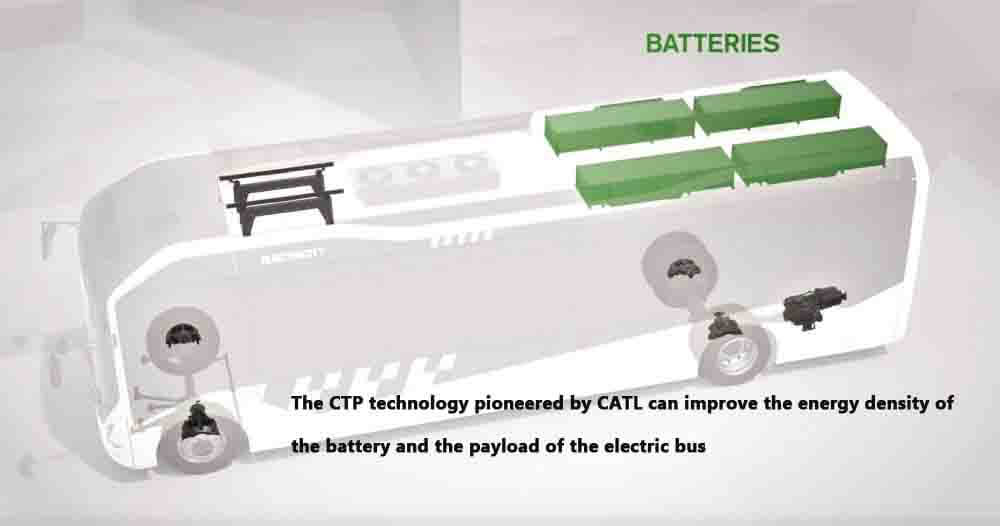
At the same time, because the battery module link in the traditional battery pack is omitted, the CTP technology pioneered by CATL can improve the energy density of the battery and the payload of the electric bus, and contribute to sustainable urban transportation.
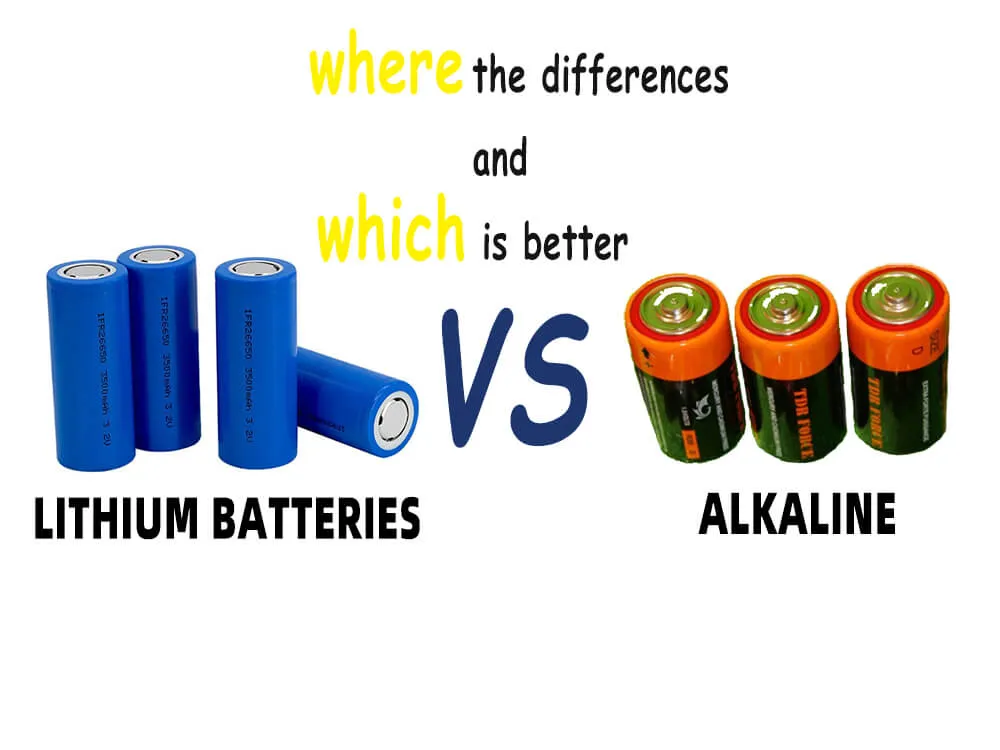
Different from ternary lithium, lithium iron phosphate has more stable chemical properties and longer battery life, which is suitable for special vehicles such as buses that operate continuously outdoors for a long time.
The energy density of lithium iron phosphate is not as good as that of ternary lithium, and the battery life in low temperature environment is also damaged. However, now the battery thermal management technology of electric vehicles has been quite perfect, and the low temperature environment has little impact on the battery life. In the long run, lithium iron phosphate batteries are more capable of high-intensity work.
The rapid rise of the European new energy vehicle market
As early as 2017, CATL invested 30 million euros to acquire a 22% stake in Valmet, a Finnish automotive technical service company. The two parties plan to work together to provide project management, engineering design and technical cooperation for battery tanks for electric and hybrid vehicles.
In April 2020, CATL reached an agreement with the German company Quantron AG, and Quantron was authorized to supply batteries in Europe as CATL’s distributor, using CATL’s standardized lithium iron phosphate-based CTP battery solution.
At the same time, battery solutions will be tailored based on NMC battery components of CATL to meet customer needs, mass-produced and then delivered.
In July of the same year, CATL signed a European-wide partnership agreement with HOPPECKE, a German battery system manufacturer. HOPPECKE will represent CATL and will be responsible for testing, repairing and replacing lithium-ion batteries installed in electric vehicles, with an initial focus on vans and buses.
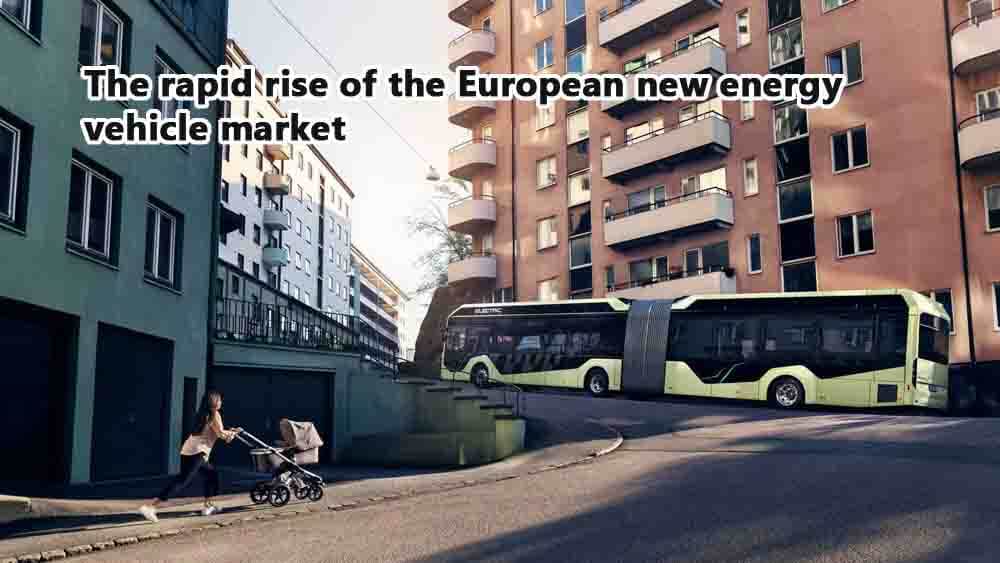
At present, the sales of new energy vehicles in Europe account for nearly 34% of the global share, making it the second largest market in the world. Some institutions predict that in the next 10 years, the compound growth rate of European power battery demand will reach 34%. The demand for batteries in the entire European market is expected to reach 400GWh by 2030.
The deputy head of the European Commission said last year that Europe would remain the world’s second-largest producer of lithium-ion batteries by 2025, despite some key challenges that need to be addressed.
The European market layout of CATL is accelerating and improving
In February this year, CATL signed a cooperation agreement with QEV Technologies, a Spanish electric vehicle technology company. QEV Technologies will be CATL’s authorized service agent in Europe for the maintenance, troubleshooting, repair and update of its electric vehicle batteries and stationary energy storage systems in Europe.
In order to further enhance the competitiveness of the international market, CATL has also built a large-scale power battery production base in Germany to provide European customers with nearby supporting services;
Established a strategic partnership with BASF Europe in the field of battery material solutions. The cooperation projects include cathode active materials (CAM) and battery recycling, and plan to jointly develop a sustainable battery value chain.
Under a series of layouts, CATL has become a battery supplier for commercial vehicle OEMs such as Dutch VDL Bus & Coach, Daimler Trucks and Buses, Volkswagen (Latin America) Trucks and Buses, and truck manufacturer Trailer Dynamics.
It is foreseeable that with the continuous acceleration of electrification in Europe, the European market map of CATL will continue to expand to accelerate the penetration of the European market.
A number of Chinese companies increase their European presence
Many companies in Top 10 power battery companies also increase their European presence.
BYD’s recent development momentum in public transportation is also relatively fierce. Just some time ago, bus operators in Finland, Israel, Denmark, Germany and other countries have signed large orders with BYD and purchased a large number of pure electric buses.
The bus products of BYD and Solaris have a good reputation around the world. With the blessing of CATL, Solaris is not a problem for BYD.
Honeycomb Energy’s European factory is located in Saarland, Germany, including two factories, the cell module factory and the module PACK factory, with a total investment of 2 billion euros. The cell module factory will be completed and put into operation at the end of 2023, and the module PACK factory will be the earliest Production could begin in mid-2022.
Envision Power will build a battery factory in Douai, France to support the implementation of Renault’s “Renaulution” electrification and intelligence strategy. It is expected to achieve an annual production capacity of 24GWh by 2030.
At the same time, as Nissan’s long-term strategic partner in promoting electrification and zero-carbon transformation, the company will build the UK’s first power battery super factory in Sunderland, UK, with a production capacity of 25GWh by 2030, and has the potential for expansion of 35GWh.
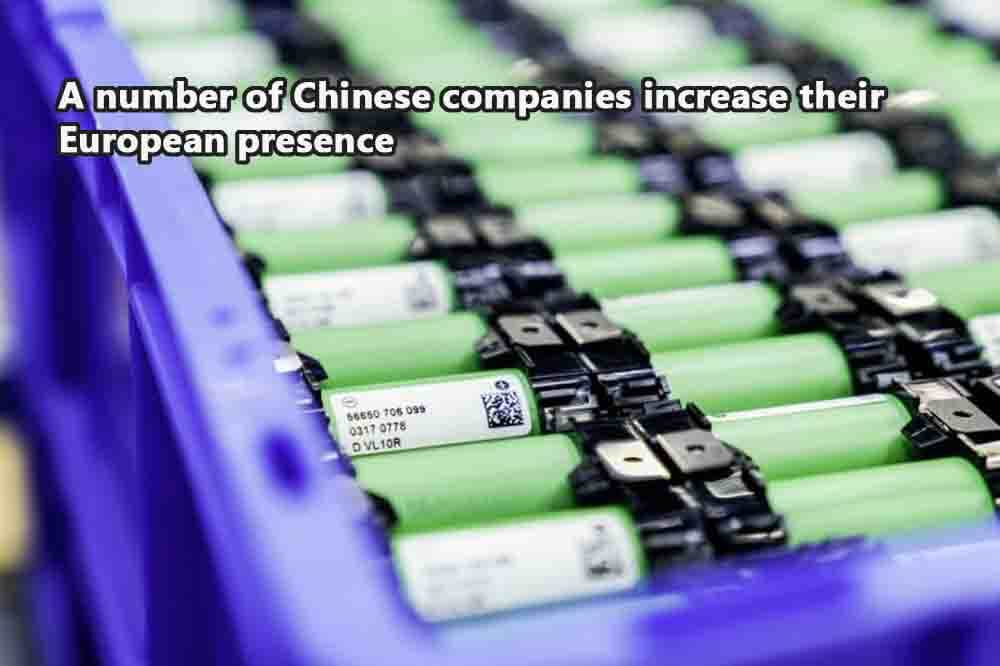
Guoxuan Hi-Tech acquired the Bosch Group’s factory in Göttingen, Germany in July last year, establishing Guoxuan Hi-Tech’s first new energy production and operation base in Europe. It has also signed a memorandum of understanding with the Volkswagen Group to build a zero-carbon emission factory in Europe and will jointly develop other potential production sites in Europe.
Funeng Technology has reached an agreement with Daimler Group, and Daimler Group will purchase lithium-ion batteries from Funeng Technology. To this end, Funeng Technology is building a factory in eastern Germany. Funeng Technology also plans to set up a joint venture with TOGG in Turkey. The joint venture will develop, produce and sell power batteries to customers in Europe and other regions.
In February this year, Pioneer Intelligence and the European battery factory Northvolt jointly established the “Intelligent Production Line Joint Innovation Center” in Wuxi, as an important innovation and debugging base for Northvolt before the production line was opened.
It is worth noting that, as Northvolt started shipping recently, becoming the first European company to provide power batteries to automakers, these companies “going overseas” are also facing huge pressures and challenges: First, the European government’s concerns about power batteries. The support of the battery industry policy, and the second is the “catch-up” of local European companies.
Having said that, the operation effect of electric buses has been verified by many bus operators, and more public transport companies will be attracted to introduce pure electric buses in the future.