Skip to content


At present, many OEMs such as Dongfeng, FAW, GAC, Changan, and BAIC have applied for pure electric models with a system energy density of more than 200Wh/kg. The supporting battery companies are CATL, CALB and Guoxuan Hi-Tech of Top 10 lithium ion battery manufacturers in China.
Some models have entered the “Catalogue of recommended models for the promotion and application of new energy vehicles”, indicating that the battery system of over 200Wh/kg will be installed in large-scale mass production, which will help China’s mass-produced power battery system enter the era of 200Wh/kg.
Under the action of material system upgrade and system structure optimization, the energy density of power battery systems mass-produced in China has continued to increase in recent years.
Among them, the energy density of the current mass-produced LFP battery system has been slightly increased from 140Wh/kg to about 150Wh/kg, the ternary battery system has been increased from 160Wh/kg to over 180Wh/kg, and the products of some battery companies have even exceeded 190Wh/kg. The magnitude is more obvious.

Under this circumstance, three battery companies, CATL, China Innovation Aviation and Hefei Guoxuan, took the lead in entering the road of mass production system energy density exceeding 200Wh/kg, indicating that they can improve the specific energy of battery cells and optimize the PACK structure. A major breakthrough has been made in this regard.
On the whole, the 200Wh/kg battery systems provided by CATL, China Innovation Aviation, and Guoxuan Hi-Tech to the OEMs all adopt the ternary technology route, and each has its own characteristics in terms of technical implementation.
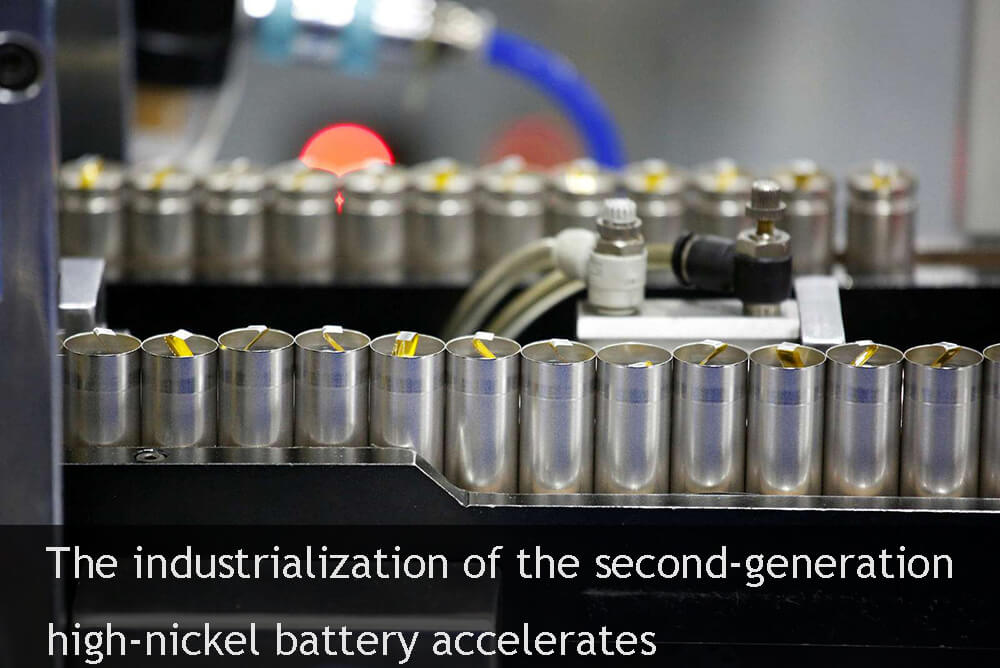
The industrialization of the second-generation high-nickel battery accelerates
Among them, the energy density of the ternary battery system provided by CATL for the Dongfeng Lantu pure electric MVP is as high as 212Wh/kg, which has created the highest energy density record for the current ternary battery loading application.
It is reported that CATL began mass production of its first-generation high nickel/graphite system NCM811 battery in 2018, with a specific energy of 270Wh/kg and a system energy density of 180Wh/kg. Since 2019, shipments have continued to grow, becoming the main product of the current high-nickel battery installation in China.
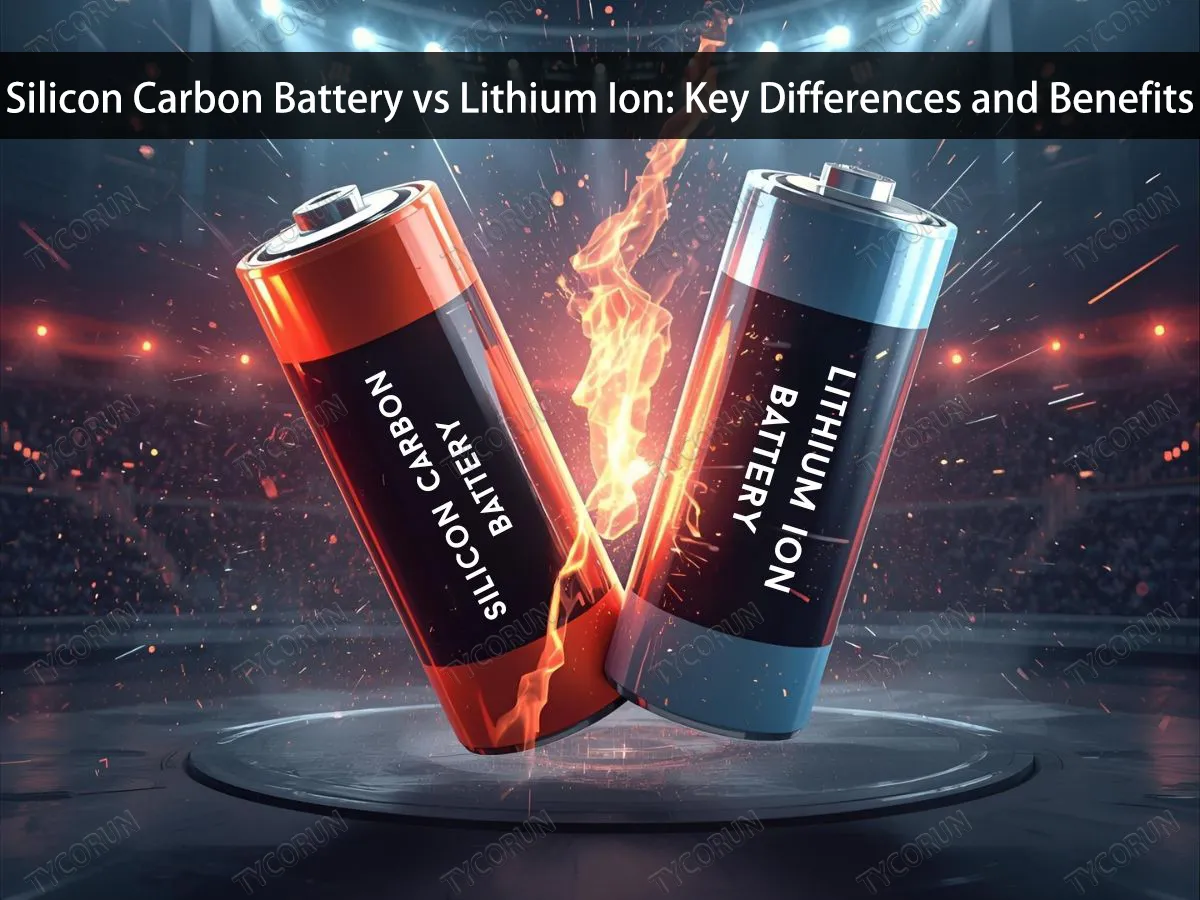
In order to further enhance its competitive advantage in the field of high-nickel batteries, CATL is actively developing its second-generation NCM811 battery with a high-nickel + silicon carbon system, and developed a battery sample with a specific energy of 304Wh/kg in 2019.
In March 2022, CATL stated that the company has developed the third-generation CTP technology through technical iteration, which can be applied to its LFP batteries and ternary batteries, also known as “Kirin batteries”, and is planned to be officially released in the second quarter of this year.
The energy density of the LFP battery system using CTP3.0 technology exceeds 160Wh/kg and 290Wh/L, and the energy density of the ternary battery system can reach 250Wh/kg and 450Wh/L.
The ternary battery system of CATL for the new models of the OEM exceeds 200Wh/kg, which is likely to be the second-generation high-nickel battery mass-produced, but it remains to be verified whether the CTP3.0 technology is adopted.
Innovation in cell structure and system integration technology – One-Stop Battery
The ternary battery system of China Innovation Aviation for a Hechuang Z03 model of GAC Passenger Vehicle also reached 205Wh/kg, equipped with a battery pack of 94.46kWh, and the CLTC comprehensive operating condition range was as high as 800km.
It is reported that the long-endurance version of the Hechuang Z03 is equipped with a new ternary lithium battery pack jointly developed by Hechuang Automobile and China Innovation Aviation. It adopts the CTP structure and silicon-doped lithium supplementation technology, so that the energy density of the battery pack system exceeds 200Wh/kg.
In terms of improving the energy density of batteries, in addition to optimizing the material system, China Innovation Airlines also innovates the cell structure and system integration technology.
In September 2021, AVIC Lithium released a new design technology product – One-Stop Bettery.
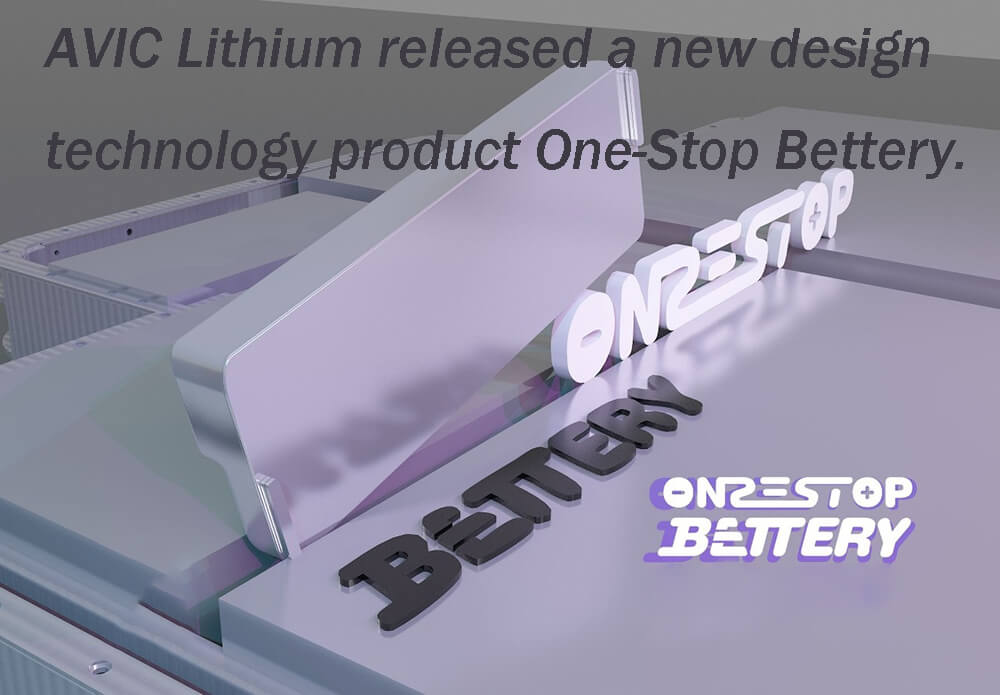
It is reported that One-Stop has developed many technologies such as ultra-thin shell wall, multi-dimensional shell molding, multi-functional composite packaging, integrated bridge electrical connection, high shear external insulation, in-situ dust-free assembly integration and so on.
The weight of the structure is reduced by 40%, the utilization rate is increased by 5%, the number of parts is reduced by 25%, and the comprehensive cost of the structure is reduced by 15%.
At the system level, One-Stop batteries include no-module technology, minimalist series topology point connection technology, composite embedded box technology, high-efficiency thermal management technology, integrated liquid cooling technology, building block splicing technology, thermal runaway suppression technology ( PPT).
Product space utilization is increased by 5%; energy density is increased by 10%; parts are reduced by 20%; heat exchange efficiency is increased by 50%; cost is reduced by 10%.
According to China Innovation Aviation, the specific energy of the ternary battery equipped with this technology can reach 300Wh/kg, and the system energy density can reach 240Wh/kg; the specific energy of the LFP battery can reach 200Wh/kg, and the system energy density can reach 160Wh/kg. Products featuring One-Stop Bettery technology are expected to be available in the second quarter of 2022.
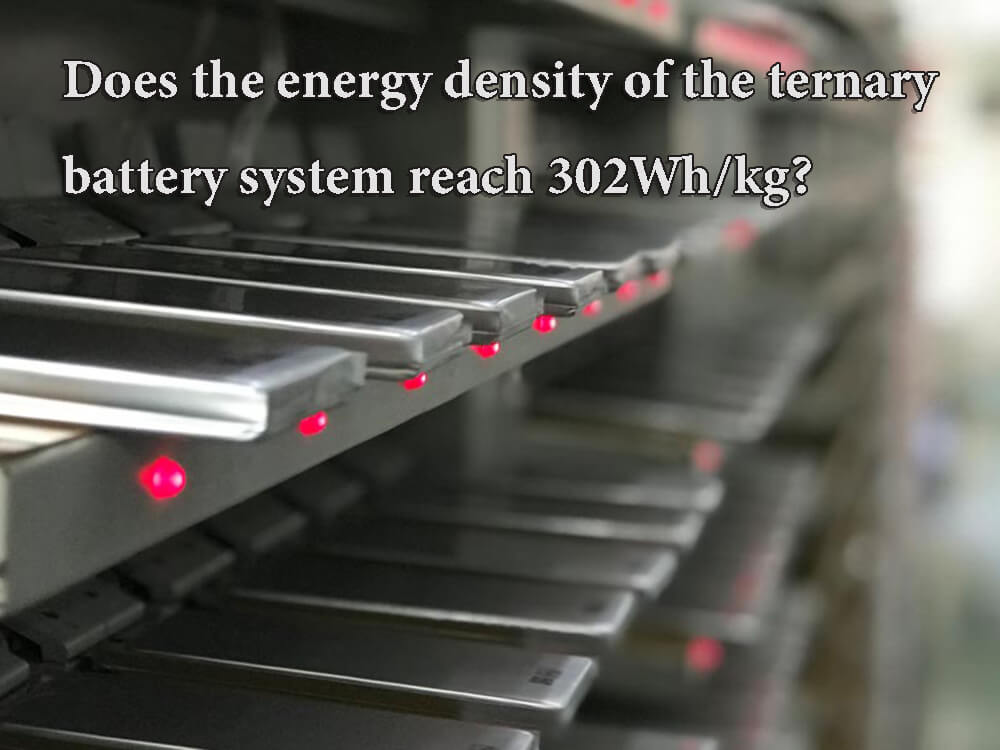
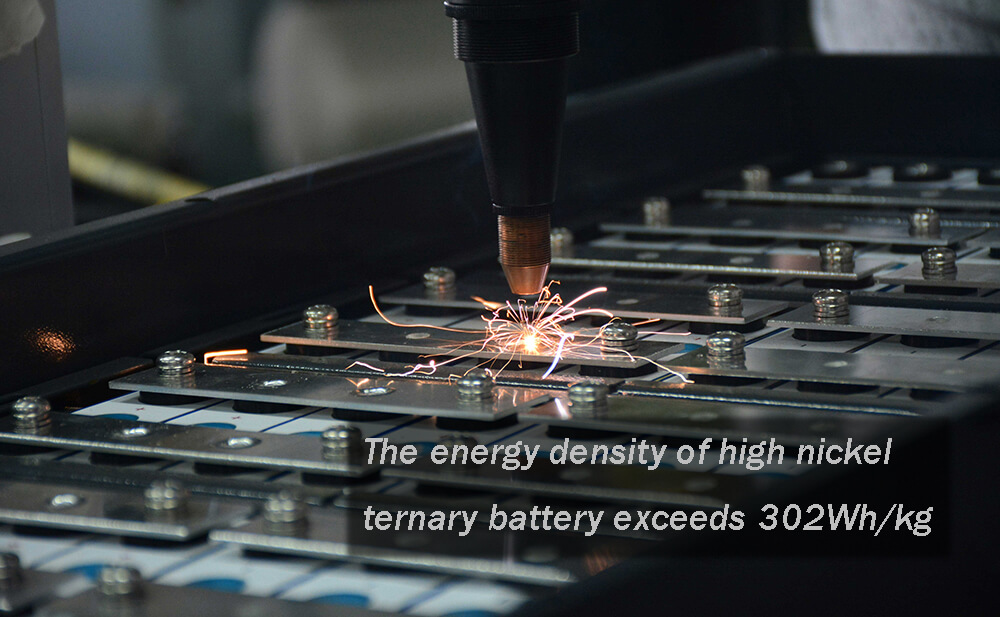
The energy density of high nickel ternary battery exceeds 302Wh/kg
In the second batch of “Recommended Catalogue” in 2021, the EX3 model, a pure electric car declared by Jingxin Energy, is equipped with a ternary battery system with an energy density of up to 200.22Wh/kg. It opened the prelude to the application of 200Wh/kg battery loading.
In the fourth batch of “Recommended Catalogue” in 2021, a pure electric multi-purpose passenger vehicle COSMOS EV declared by Changan Automobile is equipped with a ternary battery system with an energy density of 201Wh/kg. The battery supplier is also Guoxuan Hi-Tech.
This marks the further expansion of the supporting scope of Guoxuan Hi-Tech’s 200Wh/kg battery system. Guoxuan Hi-Tech stated that the energy density of the company’s high-nickel ternary battery exceeded 302Wh/kg, and the system energy density exceeded 200Wh/kg. And successfully achieved large-scale mass production, with a cycle life of 1,500 weeks at room temperature, and has been equipped with a number of mid-to-high-end models.
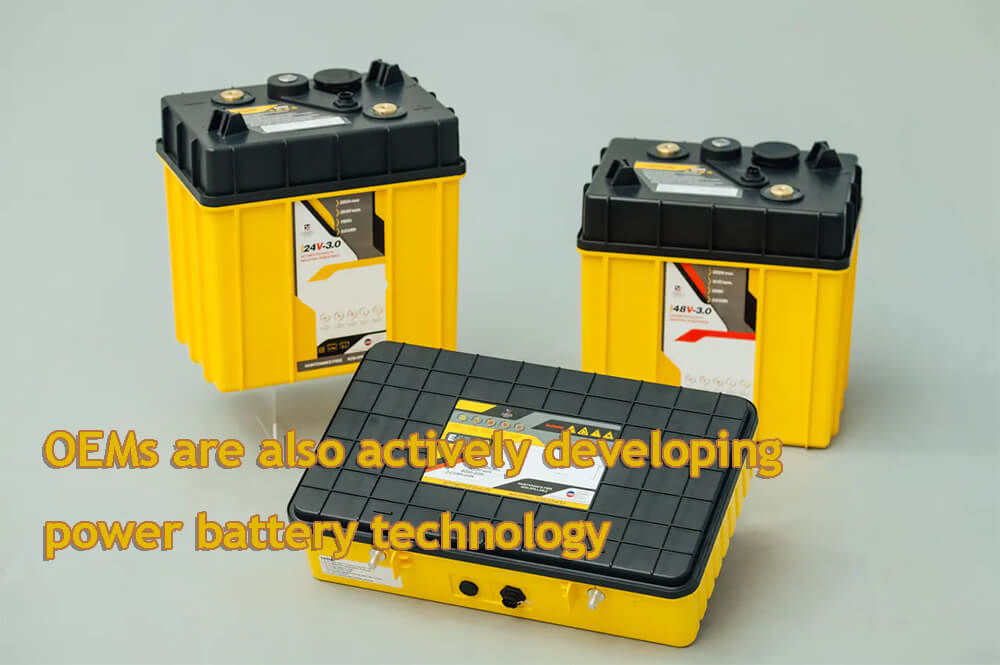
It is worth noting that in addition to Top 10 power battery companies, OEMs are also actively developing power battery technology, and have made positive breakthroughs in energy density improvement, fast charging performance and safety.
For example, a pure electric car-AION LX declared by GAC Passenger Cars in 2021, the system energy density is as high as 205 Wh/kg, and the battery cell supplier is unknown.
GAC Passenger Vehicle is responsible for the powertrain, with a battery capacity of 144.4kWh and a range of up to 1008km under operating conditions. Gaogong Lithium Battery learned that the main reason for the new GAC Aion LX battery life to exceed 1000km is that it adopts the sponge silicon anode chip battery technology independently developed by GAC.
It is reported that the technology of the sponge silicon anode sheet battery is that the anode is doped with silicon, so that the silicon anode sheet inside the battery becomes as soft and elastic as a sponge, so that the expansion and contraction of silicon during the charging and discharging process is limited and buffered, and will not be broken.
Through this technology, the volume of its cells can be reduced by 20% and the weight can be reduced by 14% under the same power, and the cell ratio exceeds 280Wh/Kg. In addition, through the optimization of the PACK structure, its power battery system has exceeded 200Wh/kg.
At present, GAC is increasing its investment in the R&D and production of power batteries. The first technology innovation company incubated by the group, Juwan Technology Research Institute, has provided battery support for GAC’s Aion V.
The battery cell development of the super fast-charging ternary soft-pack lithium battery developed by it has completed 3 iterations, and it has invested 3 billion yuan to build a production base with an annual output of 8GWh.
In March this year, GAC Aian’s self-developed power battery trial production line started construction. The project covers the entire battery production process from slurry preparation to battery pack, as well as laboratories for material research and development, physical and chemical testing, and electrical performance. It is expected to be officially put into operation by the end of 2022.