Skip to content
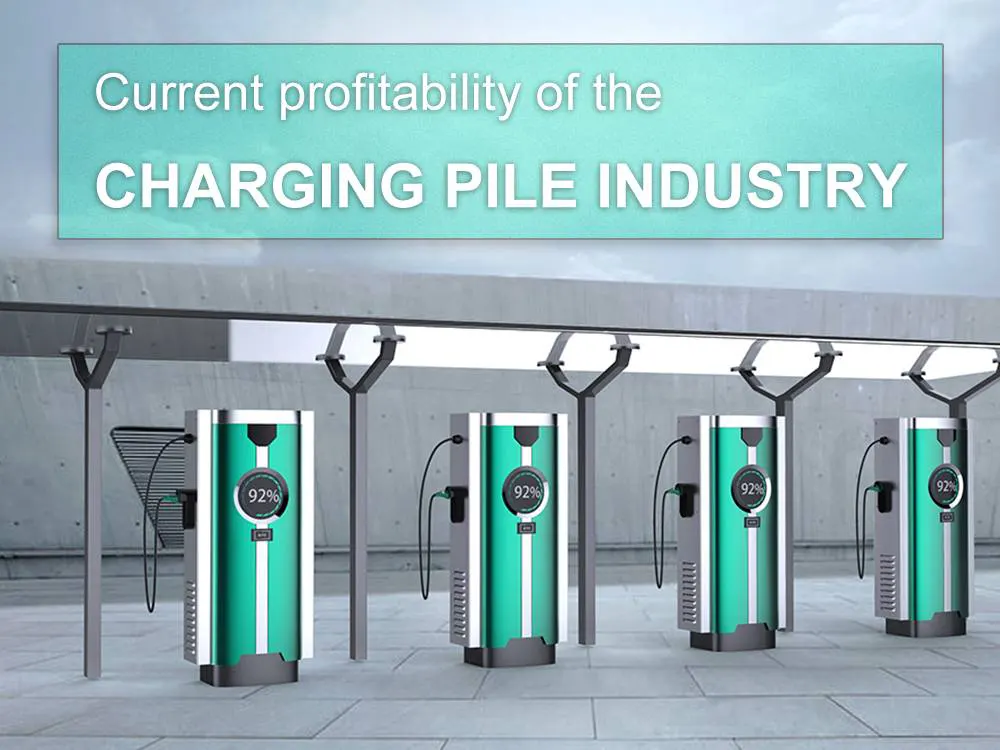


Take charging pile as an example, according to the forecast, from 2023 to 2025, the public charging pile market space will reach 153.63 billion RMB and the private charging pile market space will reach 12.67 billion RMB. However, the charging pile industry with unlimited prospects is not an easy and profitable industry.
The current situation of the charging pile industry
Companies involved in the charging pile industry can be roughly divided into three categories: first, Chinese state-owned enterprises, including State Grid, Sinopec, PetroChina, etc.; second, automobile OEMs, including Tesla, NIO, etc.; third, third-party operators, including Starcharge, TELD, NaaS and other top 30 power battery charging pile companies seal the layout of the charging pile field through self-built and joint construction.
Take Tesla as an example, it builds charging piles with its own brand logo in shopping malls, parking lots and other public places for Tesla owners to use. Starcharge, on the other hand, has reached cooperation with a number of car companies, including BYD, NIO, Volkswagen and others, to jointly promote the development of charging piles.
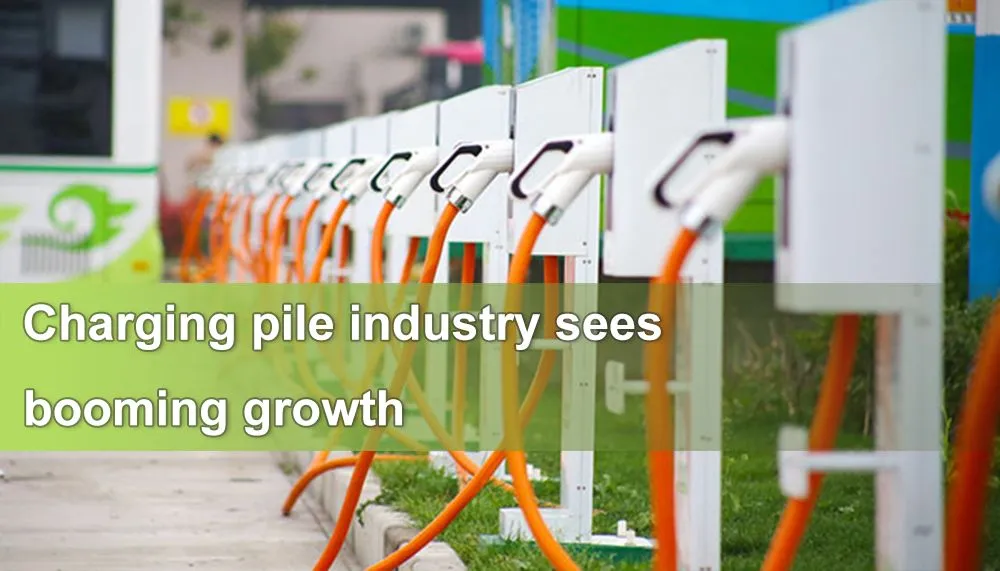
With the concerted efforts of many parties, the charging pile industry has seen a booming development. Data show that as of November 2022, a total of 1.731 million public charging piles were reported by members within the China Charging Alliance; from December 2021 to November 2022, the average monthly addition of public charging piles was about 53,000 units.
The profitability problem
The difficulty of making a profit from new energy vehicles has become an open secret in the industry. Charging pile industry also has this problem. As a leading charging pile company, TELD, the past three years are in the loss state. Data show that in 2019-2021, TELD deducted non-net profit of -165 million, -269 million, -135 million.
There are several reasons why it is difficult to make a profit from charging piles:
● Large upfront investment and long payback period
Charging piles are an asset-heavy business. Charging piles, land rent, labor cost and post maintenance are all needed to be considered. The CEO of NaaS has revealed that the industry average cost of a single charging pile is about 100,000 RMB, and a standard charging station requires about 10 charging piles and 20 charging guns, and the cost of building a charging station is about 1 million RMB.
● Low utilization rate
According to the data, the average utilization rate of individual public charging piles in 22 of China’s 25 large cities is less than 10%. According to industry insiders, the average utilization rate needs to reach 10%-15% in order to achieve profitability.
● Single profit model
The main source of profit for charging pile enterprises is the difference in electricity tariff and service fee. And the income obtained is difficult to support the expenses of pile building and rent.
At the same time, in order to seize market share, charging pile enterprises are not hesitant to solicit customers with subsidies, concessions and other activities, resulting in even more meager income.
Charging difficulties of users
The user charging difficulties are threefold:
● Inefficient charging
Fuel cars take only a few minutes to fill up the tank, while new energy vehicles often take half an hour, or even a few hours to be fully charged. The inefficiency of recharge makes many users helpless.
● Unequal distribution of charging piles
Although the number of charging piles is increasing, they are mainly distributed in underground parking lots, office parking lots and other places, while the number of charging piles is insufficient in hospitals, shopping malls, schools and other places with a large flow of people.
The uneven distribution of charging piles not only reduces the utilization rate, but also increases the time for users to charge.
● It is difficult for private charging piles to enter households
As some communities do not have the conditions to install charging piles or there are safety hazards, when installing private charging piles, users of new energy vehicles are rejected by the properties, which further aggravates the charging problem.
New direction of power battery market-battery swapping
Introduction of battery swapping
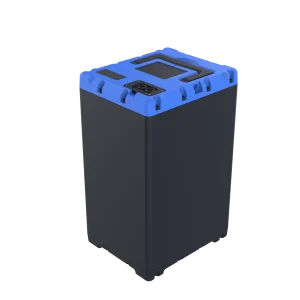
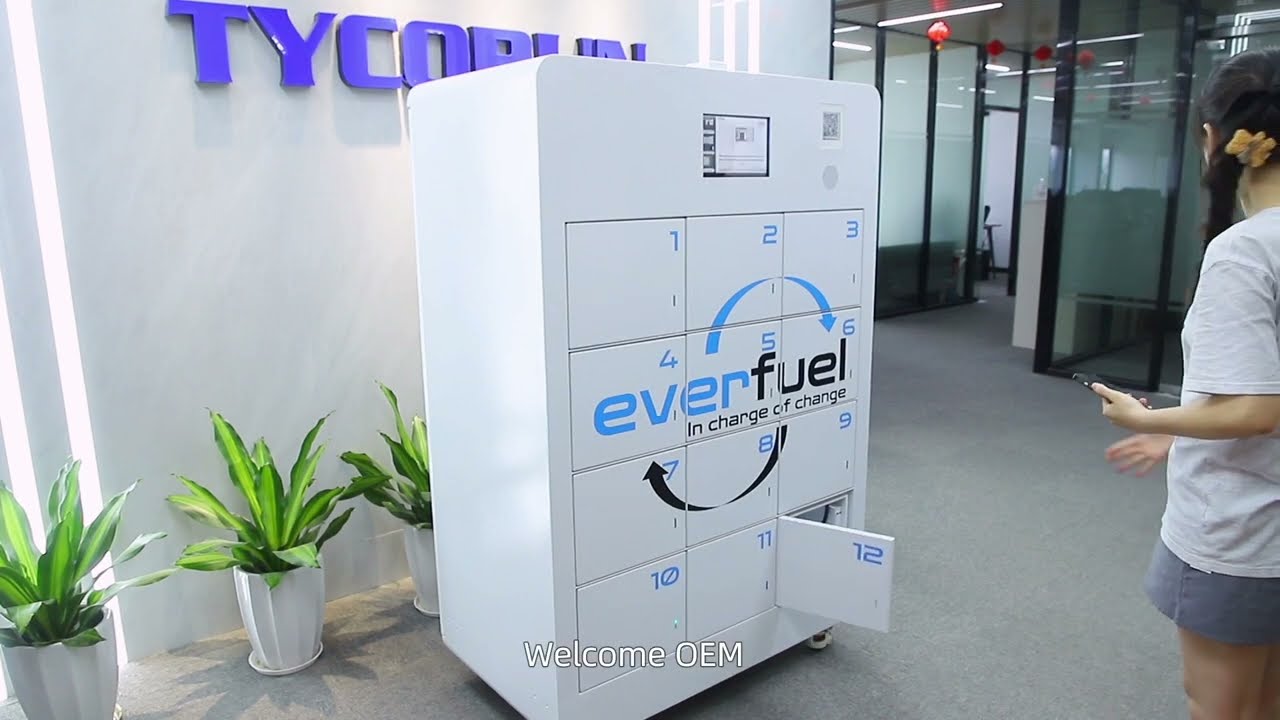
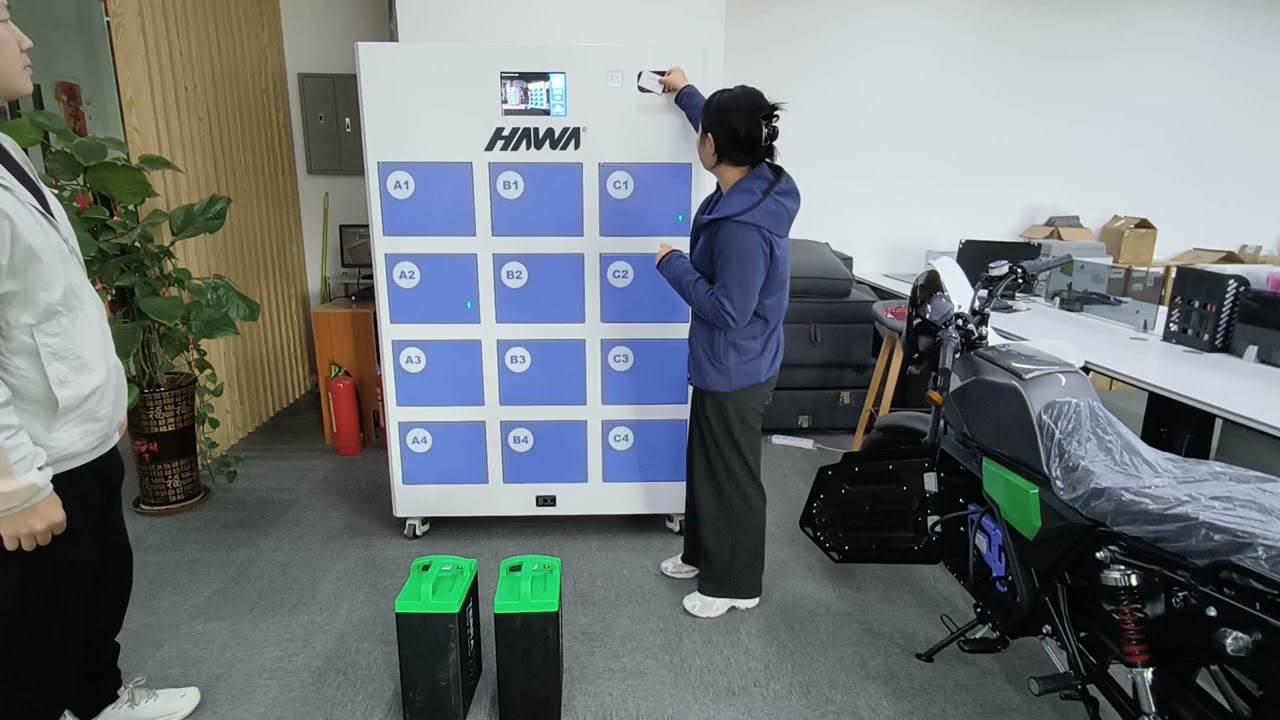
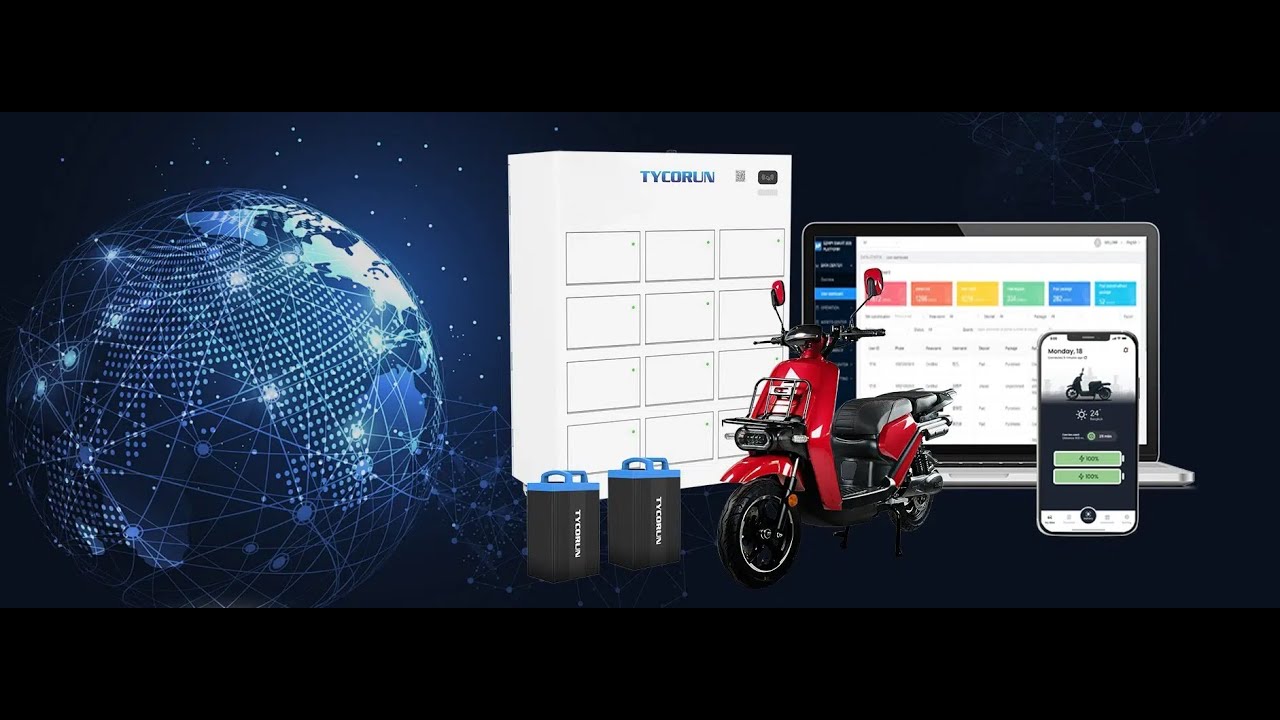
The battery swapping mode of electric vehicles is to centrally store, charge and distribute a large number of batteries through centralized charging stations, and then carry out battery replacement services for electric vehicles in the battery swap station, which integrates battery charging, logistics allocation, and power exchange services.
Bottom-swapping of SBS, sub-box swapping of SBS and side-swapping of SBS are common battery swapping methods for battery swap stations.
Among them, the bottom-swapping of SBS method has a variety of advantages including convenience and safety, and is the mainstream battery swapping method at present, accounting for about 80% of the market share.
Comparison of charging and swapping technologies
There are two types of energy replenishment methods for new energy vehicles: charging mode and battery swap mode. Charging mode is the current prevailing mode, due to the proposal of new infrastructure and the tilt of policies, the number of charging stations in the past few years has grown steadily and there are two classes of them: fixed charging and mobile charging.
In terms of the fixed charging station, it also can be divided into ordinary AC slow charging and DC fast charging.
According to CNKI statistics, slow charging takes 6-10 hours while fast charging only takes 0.5-1 hour, but the loss of battery is large.
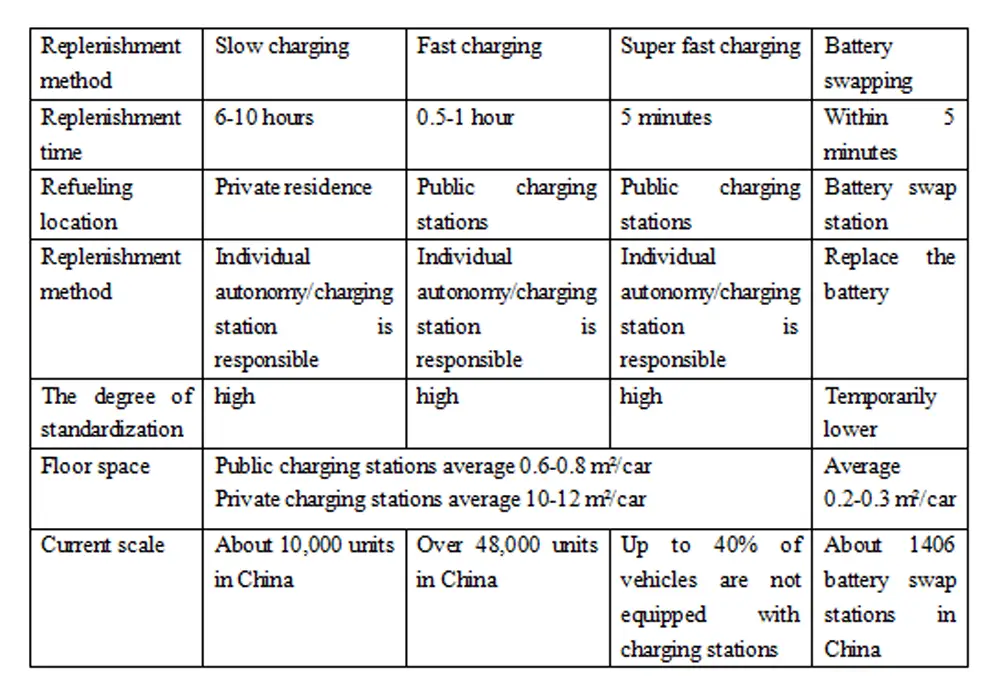
Battery swapping station business model is a booming mode at this stage when the contradiction between consumers’ needs and charging is getting deepen, which is more efficient and is available to satisfy more application scenarios.
The battery swapping mode can also be divided into battery swap station and mobile battery swapping. By now, the battery swapping mode is widely recognized and the major battery swapping methods are bottom-swapping of SBS, sub-box swapping of SBS and side-swapping of SBS.
In addition, the most used method is bottom-swapping of SBS, which has reached 90%.
Summary
Charging pile industry is a popular industry nowadays, but the development is difficult.
The two major problems, which are difficult for enterprises to make profit and users to charge, need to be solved. Enterprises themselves, need to reduce costs and improve the utilization rate of charging piles to start, so as to gradually get rid of losses and achieve profitability.
As for the trouble of user charging, car companies are already working on the solution.
Through battery swapping, high voltage fast charging and other ways to improve charging efficiency. As for the problem that it is difficult to install private charging piles into the community, the private charging pile sharing program launched by Weltmeister is a good idea.
Also,is a good way to go. Overall, the charging pile industry has both opportunities and challenges, and the companies that take the lead in solving the problems will have the opportunity to grow.