Skip to content



Introduction to magazine battery 2.0
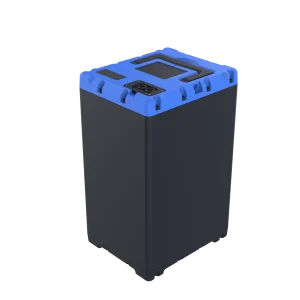
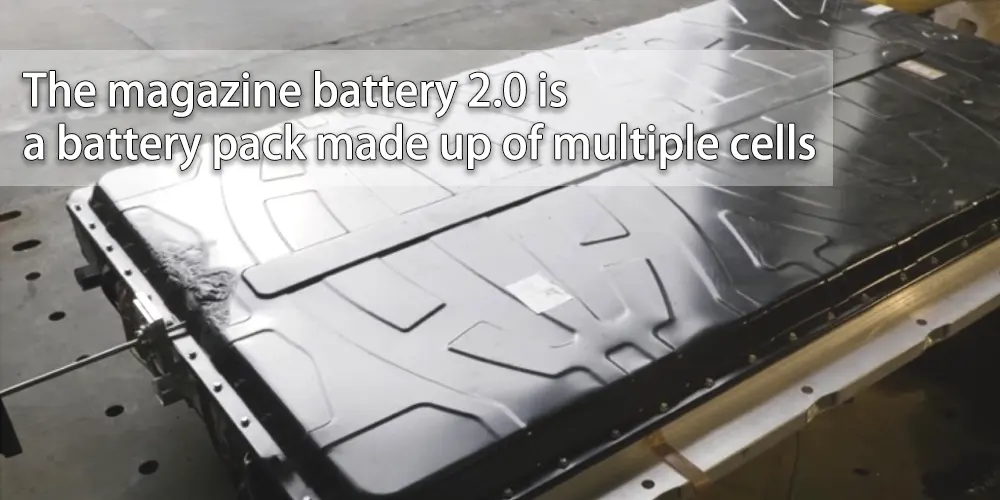
The magazine battery 2.0 is a battery pack made up of battery cell, which are then formed into a whole power pack, looking like a magazine.
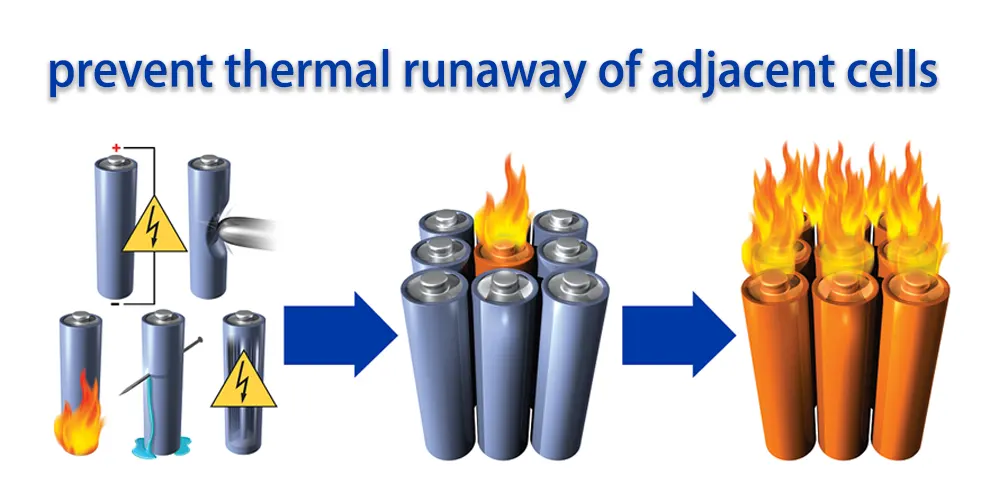
The battery technology is made of high temperature resistant materials and insulating materials are used between the individual cells, so that even if one of the cells experiences thermal runaway, it will not affect the other cells.
Advantages of the magazine battery 2.0
- Firstly: they have super heat resistant cells. The nano-level coating and doping technology of the cathode material, together with the application of new additives, can achieve the self-healing of the SEI film. The magazine battery also uses a high-safety electrolyte and a self-polymerised high-impedance interface film, which can significantly reduce the thermal runaway reaction heat.
- Secondly: it has a super insulated battery compartment. The battery safety compartment is equivalent to a magazine, separating the cells from each other. The grid nano-hole insulation material used can prevent thermal runaway of adjacent cells, and the high temperature resistant shell used in the battery pack can withstand a temperature of 1400°C.
- Third: It has a rapid cooling 3D cooling system. The magazine battery adopts a fully laminated liquid cooling integrated system with highly efficient heat dissipation channels and a highly accurate heat conduction path design, which increases the heat dissipation area of the battery by 40% and the heat dissipation efficiency by 30%.
- Fourth: With a full time control fifth generation battery management system. The magazine battery uses the latest generation of battery management system chip, which can achieve 10 times per second all-weather data collection, and can monitor the battery status 24 hours a day, and when abnormalities are found, the battery quick cooling system will be activated immediately to cool down the battery.

Gunshot test of the magazine battery 2.0
The nail penetration test has always been the most demanding test for power batteries in the industry. A 5-8mm diameter high-temperature resistant steel needle is used to penetrate the battery pack vertically, artificially simulating a short circuit inside the battery and testing the battery’s ability to withstand thermal runaway.
This is more challenging for power cells, but there are limitations to the scope of the test as, in addition to the internal structure, the external structural safety of the pack and the adaptation to a greater degree of internal destructive forces, and the warming background, are also important.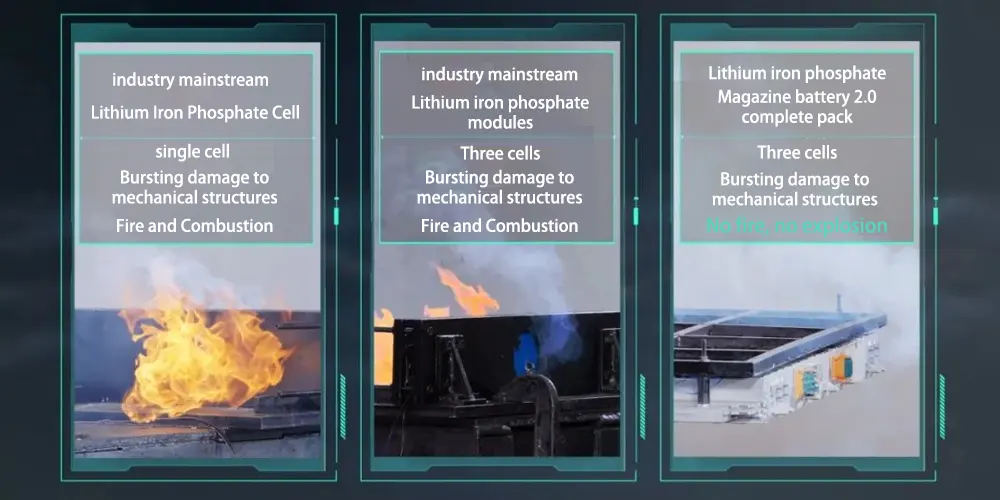
However, the gunshot test mimics the extreme case battery thermal runaway challenge, where the bullet penetrates at approximately 100-1 million times the speed of nail penetration. The gunshot will cause direct bursting damage to the mechanical structure, with more than three cells being violently damaged at the same time.
The instantaneous release of energy from thermal runaway is five times higher compared to nail penetration, and the rapid thermal spread triggered is enough to engulf a vehicle in a very short time.
Compared to the nail penetration test , the battery’s integrated thermal management capability per second needs to be increased by at least 5 times to avoid heat build-up given the limited space, resource conditions and response time.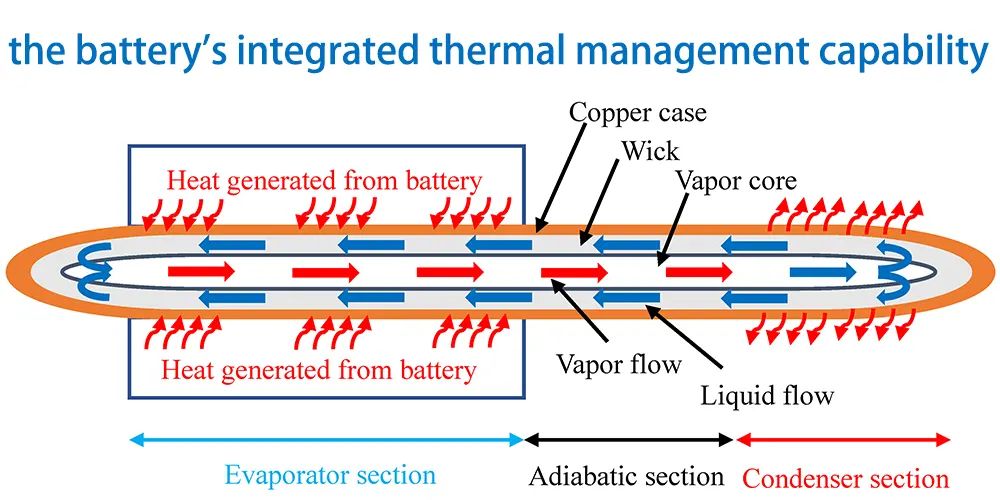
On 30 March, Aion’s magazine battery 2.0 passed the gunshot test. The fully charged battery pack was subjected to firing and smoked, with adjacent receptor cells reaching a maximum temperature of 185 degrees Celsius with no thermal spread, and after sitting for 24 hours the voltage dropped to 0V and the temperature returned to room temperature with no fire or explosion.
This test shows that the magazine battery 2.0 has solved the problem of battery safety in extreme environments such as transient short-circuiting and bursting damage of multiple cells, and has demonstrated excellent battery safety quality, setting a new level of battery safety and leading the continuous innovation of battery safety standards.
Magazine battery 2.0 vs BYD blade battery
BYD Blade Battery
The anode material of the blade battery is lithium iron phosphate, which has better thermal stability than lithium ternary, and has high stability even when the temperature reaches 500°C.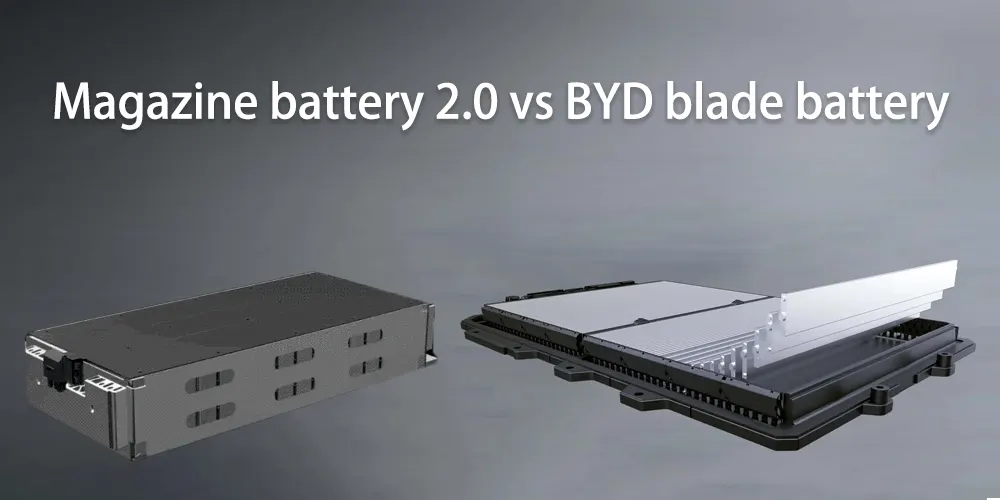
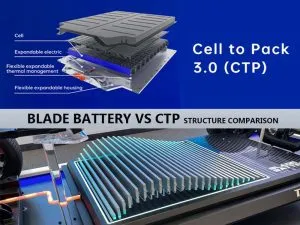
The blade battery also uses laminated sheets. At the same time, the blade battery also adopts the laminated sheet process, which is thin and long, and each cell has a large heat exchange area.
Comparison of battery characteristics
The performance of the blade battery is superior. BYD’s blade battery uses a sandwich structure design and draws on the structural concept of honeycomb panels, which are light in weight, high in strength and high in rigidity.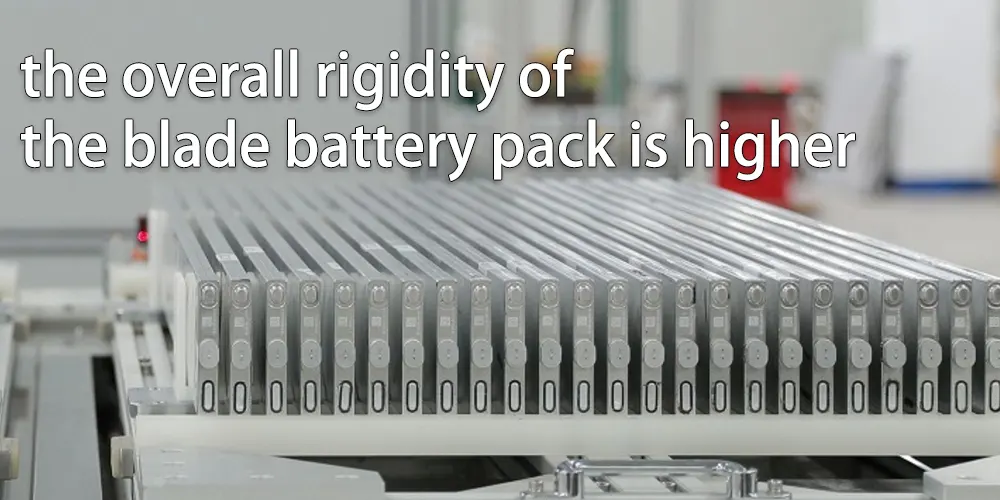
As a result, the overall rigidity of the blade battery pack is higher, and the resistance to deformation, extrusion and puncture is stronger. The probability of short-circuiting of the battery pack is close to zero. Its service life can be up to 8 years and up to 1.2 million kilometres.
Energy density comparison
Blade batteries, because the cells are made into a blade shape, the blades will be stacked more closely than a cylinder. In addition the blade battery itself can act as a support beam, which in turn eliminates a lot of support structures. The result of this stacking is that the space utilisation in a blade cell increases to 60% and therefore the energy density of the cell increases considerably.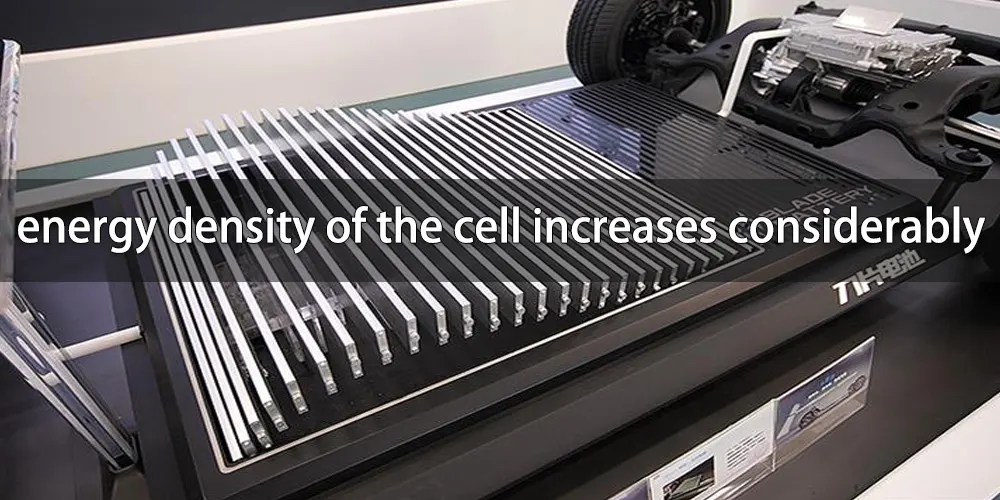
Compared to the blade battery’s stacked design, the magazine battery is still a modular design, so the energy density of the battery pack in the magazine battery is relatively low. With the same volume of power pack, the blade battery can provide more power for a longer range.
Cost comparison
The manufacturing cost of a magazine battery is high. The blade battery’s laminated design reduces the number of secondary components by 40%, which largely reduces the cost of manufacturing the battery, while the manufacturing cost of the magazine battery is higher than that of the blade battery due to its modular design.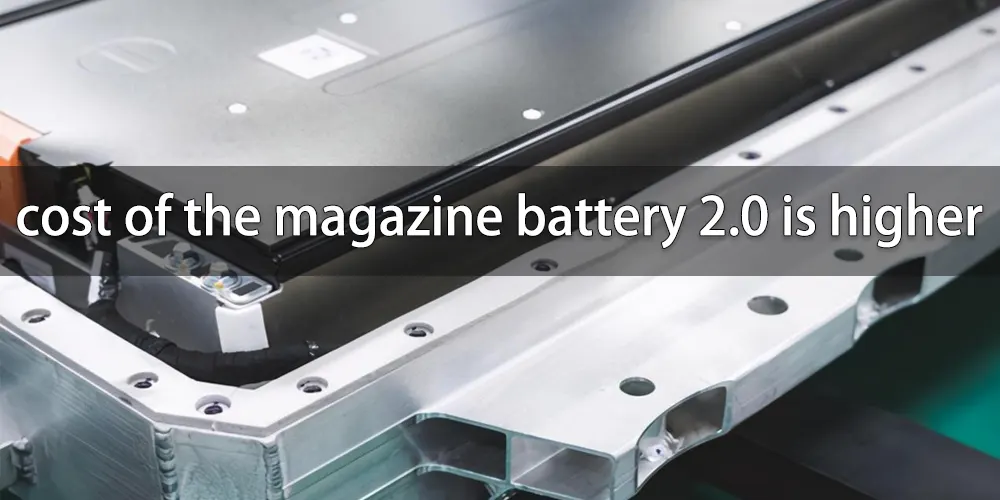
Safety comparison
The magazine battery 2.0 improves the battery’s stability by altering the battery itself. In the case of a short circuit inside the cells, the packaging is complemented with cooling and fire suppression techniques to ensure that the entire battery pack does not catch fire or explode.
Blade Batteries, on the other hand, has not conducted extreme tests in which numerous cells in a pack were short-circuited. In terms of safety, the magazine battery outperforms.
Overall, the performance of the blade battery is better than that of the magazine battery, and the gap between them can be seen in the sales of its models.
Future prospects for magazine battery 2.0
Meeting military standards under harsh environmental conditions, the scope of use of the magazine battery 2.0 will no longer be limited to paved roads and civilian use.
In the future, the magazine battery 2.0 will bring a safer experience for users in extreme car scenarios such as track, off-road and adventure, and also provide possibilities for underwater and aerospace applications.