Skip to content
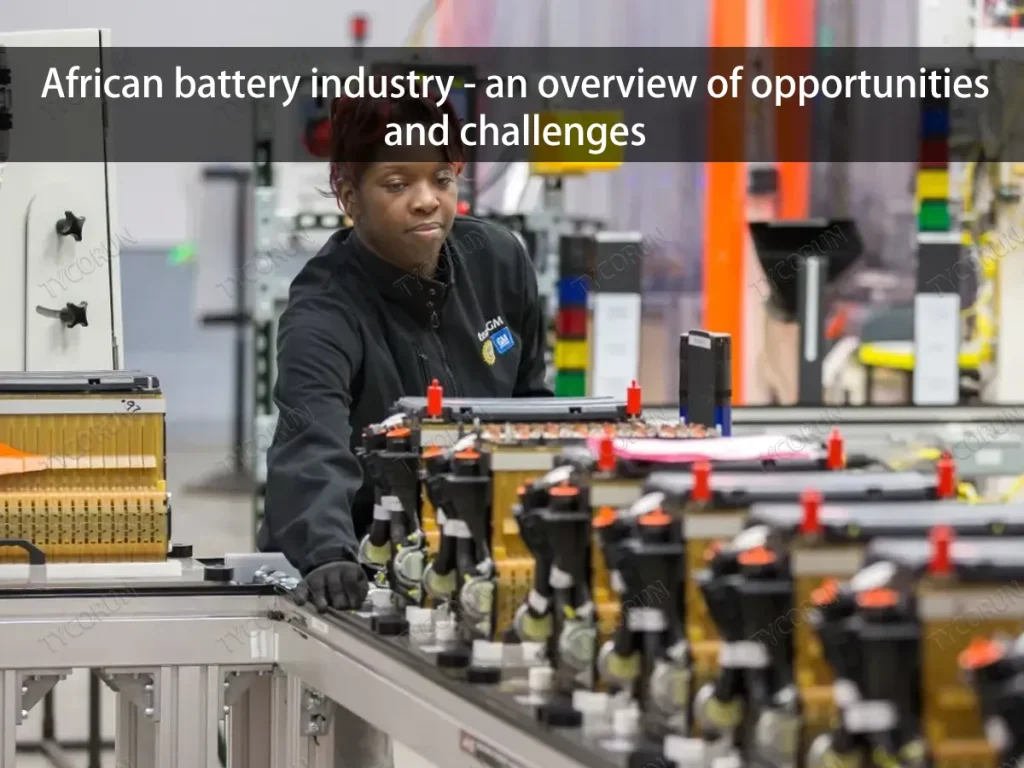

Africa is rich in mineral resources needed for battery production, such as lithium, graphite and cobalt. As global demand for energy storage solution continues to increase, the African continent has the potential to become a major player in the key value-added stage of the battery industry chain.
The increased use of intermittent energy sources such as solar and wind means an additional device is needed to help with energy storage. At the smae time, the pace of lithium battery replacement lead acid is going faster than before. As countless energy experts have declared, the world will only be able to achieve a true energy transition if battery storage is prioritized.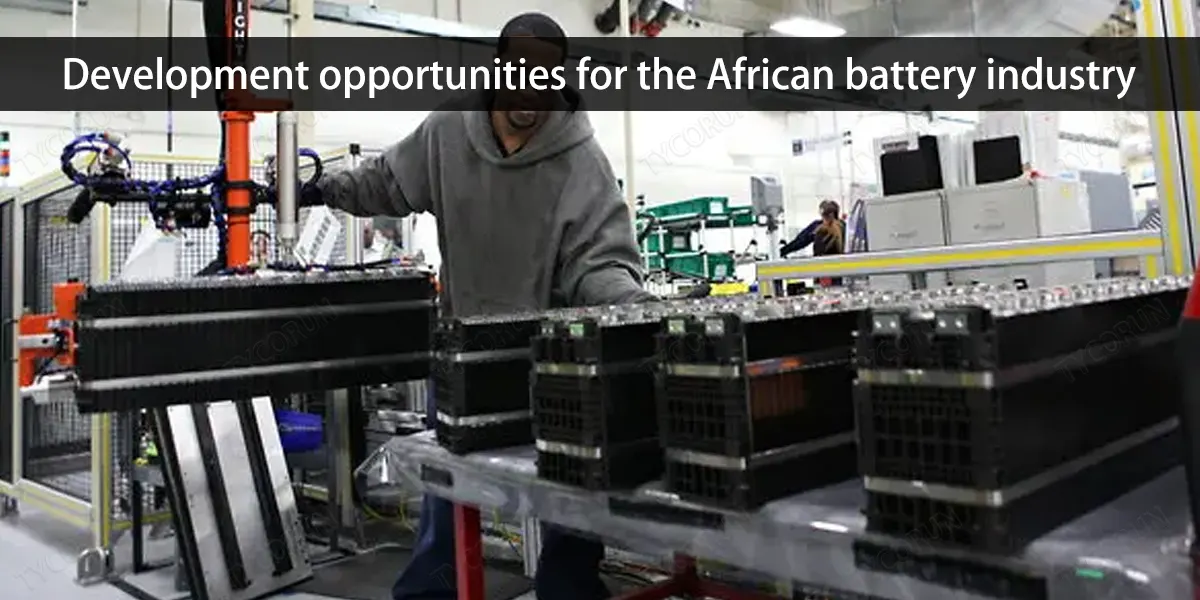
According to research reports, the global BESS market is expected to grow to US$5.3 billion in 2023 and US$13.8 billion in 2027. Africa has large reserves of battery minerals, including copper, lithium, manganese, cobalt and graphite, as well as other rare earth minerals used in battery production, so new opportunities for the local BESS market value chain and industrialization are emerging.
It is claimed that demand for battery storage in southern Africa alone could reach 10,400MWh by 2030. The global demand for batteries and battery minerals is growing. It is estimated that by 2035, the world will need battery energy storage systems that are 12 times the current total lithium battery energy storage capacity, with the total energy storage capacity reaching 4.8TWh.
Fortunately, Africa is rich in natural lithium resources, according to the report. In addition, a geological survey also found that Zimbabwe, the Democratic Republic of the Congo, Ghana, Namibia and Mali have a total of 4.38 million tons of lithium resources.
Additionally, manganese, a mineral used to increase the capacity and life of electric vehicle batteries, has been found in Morocco. Relevant reports show that in 2020, Morocco became the world’s 14th largest exporter of manganese ore.
The Democratic Republic of the Congo produces more than 70% of the world’s cobalt, an important mineral used in making lithium batteries for electric vehicles. The Democratic Republic of the Congo and Zambia hold 10% of the world’s copper reserves, and at the end of 2022, the two countries signed a memorandum of understanding with the United States to promote the establishment of electric vehicle value chains in the two countries.
It is predicted that there will be a shortage of cobalt by 2024, and the production of lithium and graphite must increase by almost 500% to have a 50% chance of keeping global warming below 2°C by 2100. Mozambique is therefore of particular interest as the country is reportedly home to the world’s largest natural graphite mine, the Balama mine, which has produced approximately 43,000 tonnes of graphite.
As the world shifts to a low-carbon economy, Africa can leverage its rich natural mineral resources to establish a local battery supply chain to meet growing market demand. However, Africa will need large quantities of battery minerals and green technologies to realize this opportunity.
Currently, most lithium resources are produced in Australia (which accounts for nearly 50% of world lithium production) and North America. However, statistics also found that 97% of Australia’s lithium exports were to China, with the export value in June 2022 being A$1.13 billion. The processing and manufacturing of battery compounds and components is mainly concentrated in China, Japan and South Korea. This poses potential risks to global supply chain security.
Now, most of the battery-related products imported into Africa are finished or semi-finished products, including battery components and finished batteries. However, the key value-added links of the battery industry (mineral refining and battery manufacturing) have not really been implemented in Africa.
Although Africa currently has abundant reserves of lithium and other battery minerals, the continent’s ability to process lithium ore, refine lithium chemicals or manufacture battery components is still very limited. However, Africa can achieve large-scale industrial production of batteries by deepening local mineral supply chains and prioritizing the development of value-added aspects of the battery supply chain.
Meanwhile, experts examine the potential for Africa to manufacture lithium batteries to store energy and support the growing electric vehicle industry. In this regard, given the competitive advantages brought by Africa’s huge endowments in renewable energy and green mineral resources, many African countries have unique opportunities to benefit from low-carbon development and energy transition paths suitable for their national conditions.
According to the report, multiple issues may still have a negative impact on the development of the entire African lithium supply chain. For example, African countries are currently struggling to solve energy supply problems, which has led to relevant investors’ concerns about Africa’s energy security. Because lithium mineral processing is a highly energy-intensive industry, stable energy supply is crucial to the development of the industry.
Secondly, there is the issue of supply and demand of lithium resources. In the past, oversupply of lithium resources caused lithium prices to fall, affecting the in-depth development of the lithium value chain. Therefore, ensuring that industry players are fully aware of the actual supply and demand for lithium is important to developing a battery industry in Africa.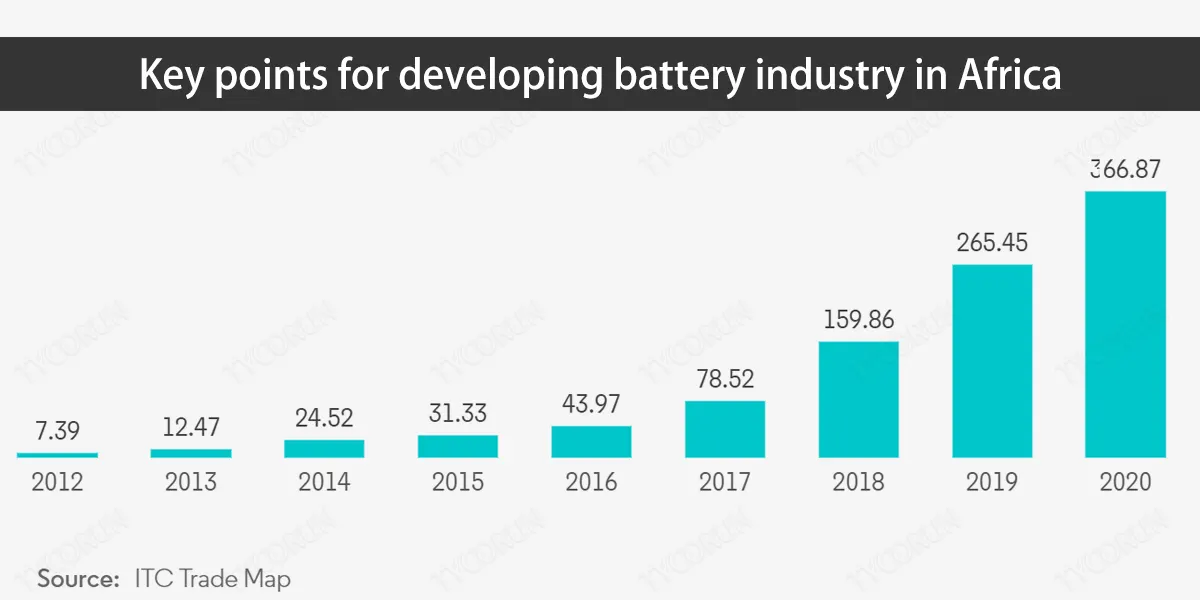
Third, it is crucial to keep battery production low-carbon. Mineral processing can have significant adverse effects on the environment due to the extensive use of chemicals and energy. Therefore, low-carbon, sustainable and circular economy production is particularly important for the healthy development of the battery industry.
Finally, access to trained and highly skilled manpower is critical to developing the lithium and battery industries in any African country. Given the shortage of skilled manpower in Africa, training qualified manpower will be necessary for the development of the African battery industry.